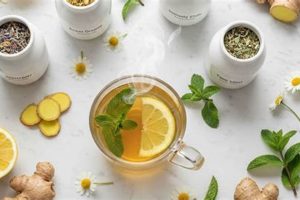
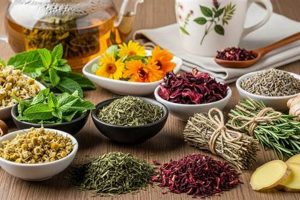
Herbal infusions, commonly referred to as herbal tea, are beverages made from steeping herbs, spices, flowers, or other plant material in hot water. Unlike true teas derived from the Camellia sinensis plant, herbal varieties do not contain caffeine. As a primarily water-based beverage, the question arises concerning their contribution to daily hydration needs.
Maintaining adequate hydration is vital for numerous bodily functions, including regulating temperature, transporting nutrients, and lubricating joints. Water is the optimal fluid for hydration. Beverages that contribute significant fluid intake, while offering additional potential benefits from the herbs themselves, can play a role in overall wellness. Throughout history, various cultures have utilized herbal infusions for medicinal and therapeutic purposes, acknowledging their potential health-promoting properties alongside their hydrating effects.
The following sections will delve into the hydrating properties of herbal infusions, examining their contribution to daily fluid intake, exploring potential benefits and limitations, and offering guidance on incorporating these beverages into a balanced hydration strategy.
Hydration Through Herbal Infusions
The following outlines practical considerations for leveraging herbal infusions as part of a comprehensive hydration strategy. Understanding how to maximize fluid intake and potential benefits is crucial.
Tip 1: Prioritize Unsweetened Varieties: To maximize the hydrating potential and minimize added caloric intake, opt for herbal infusions without added sugars, honey, or artificial sweeteners. Sweeteners can detract from the pure hydrating effect and may introduce unwanted health consequences.
Tip 2: Monitor Urine Color: A light straw color generally indicates adequate hydration. Darker urine suggests a need for increased fluid intake, which may include a greater consumption of herbal infusions or plain water.
Tip 3: Account for Diuretic Effects: Certain herbs, such as dandelion or hibiscus, possess mild diuretic properties. While not necessarily detrimental, awareness of these effects is important for individuals sensitive to fluid loss. Adjust fluid intake accordingly.
Tip 4: Choose Naturally Hydrating Herbs: Infusions made from herbs known for their water content, such as cucumber or melon, can contribute additional fluid. These options may provide a slight advantage in terms of hydration.
Tip 5: Consider Individual Needs: Fluid requirements vary based on activity level, climate, and overall health. Tailor herbal infusion consumption to meet specific hydration demands, consulting with a healthcare professional as needed.
Tip 6: Pair with Water: Herbal infusions should complement, not replace, plain water intake. Water remains the optimal source of hydration. Use herbal infusions as a flavorful alternative to increase overall fluid consumption.
Understanding these tips allows for the effective and safe integration of herbal infusions into a daily routine, contributing to proper hydration and potential health benefits derived from the herbs themselves.
The subsequent section will conclude this discussion by summarizing key points and addressing potential limitations.
1. Hydration contribution

Hydration contribution is a central factor in determining if herbal infusions can be considered a valuable source of water. The primary composition of herbal infusions is water, extracted through the steeping process from various plant materials. This inherent water content directly contributes to daily fluid intake, supporting essential bodily functions like temperature regulation, nutrient transport, and waste removal. A significant volume of herbal infusion consumption directly translates to a quantifiable increase in the individual’s overall hydration level.
The degree of hydration contribution hinges on several variables. The volume of herbal infusion consumed daily represents the most direct influence. Furthermore, the presence of diuretic compounds within specific herbs may moderately offset the overall hydration gain, requiring compensatory adjustments in fluid intake. For instance, regular consumption of 2-3 cups (approximately 500-750 ml) of non-diuretic herbal infusions can provide a meaningful contribution to daily fluid requirements, especially for individuals seeking palatable alternatives to plain water. Individuals with heightened fluid needs, such as athletes or those living in hot climates, must ensure sufficient intake to offset losses.
In summary, the hydration contribution of herbal infusions is a significant determinant of their value as a source of water. While not a replacement for plain water, their high-water content and palatability make them a practical and enjoyable way to contribute to daily fluid needs, supporting overall health and well-being. Careful consideration of herbal composition and individual fluid requirements is paramount to optimize hydration strategies utilizing herbal infusions.
2. Minimal caloric intake

The association between minimal caloric intake and the classification of herbal infusions as a viable source of water stems from the beverage’s fundamental composition. Herbal infusions, prepared by steeping plant matter in water, inherently possess a negligible caloric content, particularly when consumed without added sweeteners. This characteristic distinguishes them from other hydrating beverages, such as fruit juices or sweetened teas, which contribute substantially to daily caloric intake. The minimal caloric footprint of herbal infusions enables individuals to meet hydration needs without simultaneously increasing energy consumption, an advantageous attribute for weight management and metabolic health.
The significance of minimal caloric intake becomes amplified when considering the frequency and volume of fluid consumption necessary for optimal hydration. Individuals are often encouraged to consume several liters of fluid daily. Selecting hydrating beverages with high caloric density can inadvertently lead to caloric surplus, contributing to weight gain over time. Herbal infusions, however, present a practical solution by allowing individuals to increase fluid intake without incurring this caloric burden. For example, replacing sugary drinks with unsweetened herbal infusions can significantly reduce daily caloric intake, thereby supporting weight management efforts while maintaining adequate hydration levels. This advantage is particularly relevant for individuals with diabetes or those seeking to manage their blood sugar levels.
In conclusion, the minimal caloric intake associated with herbal infusions reinforces their classification as a beneficial source of water. This characteristic allows for effective hydration without contributing to caloric excess, a feature particularly valuable for individuals prioritizing weight management, metabolic health, or blood sugar control. The practical implication of this understanding underscores the potential of herbal infusions as a sustainable and healthy alternative to calorie-dense beverages for maintaining adequate hydration levels.
3. Caffeine absence

The absence of caffeine in herbal infusions is a key factor when evaluating their suitability as a source of water. Unlike caffeinated beverages, which can exert a diuretic effect, leading to increased fluid excretion and potentially hindering hydration, herbal infusions offer a fluid source devoid of this dehydrating influence. The lack of caffeine allows for more efficient water absorption and retention, directly contributing to overall hydration status. This characteristic is particularly relevant for individuals sensitive to caffeine’s effects or those seeking to maintain stable hydration levels throughout the day and before sleep.
The practical significance of caffeine absence extends to various physiological considerations. Caffeine can interfere with sleep patterns, increase anxiety, and exacerbate certain medical conditions. Herbal infusions, by virtue of their caffeine-free nature, provide a hydrating alternative that circumvents these potential adverse effects. For example, individuals with insomnia can safely consume herbal infusions before bedtime to promote relaxation and hydration without disrupting their sleep cycle. Similarly, individuals with anxiety disorders can benefit from herbal infusions as a hydrating option that avoids the stimulating effects of caffeine. Furthermore, certain medications can interact negatively with caffeine, making herbal infusions a safer hydrating choice for individuals undergoing specific medical treatments.
In summary, the absence of caffeine in herbal infusions significantly enhances their value as a reliable source of water. By eliminating the diuretic effects associated with caffeine, herbal infusions promote efficient hydration and avoid potential adverse effects on sleep, anxiety, and medication interactions. This characteristic renders them a particularly suitable and beneficial hydrating option for a wide range of individuals, especially those seeking to prioritize stable hydration and minimize the physiological effects of caffeine.
4. Herbal benefits

The integration of “herbal benefits” into the discourse of whether herbal tea is a good water source introduces a nuanced dimension to hydration strategies. The inherent water content of these infusions directly contributes to fluid intake, addressing basic hydration needs. However, the concurrent provision of bioactive compounds from the infused herbs elevates their potential health impact beyond mere hydration. These compounds, present in varying concentrations depending on the plant source, can exert a range of physiological effects, from antioxidant and anti-inflammatory actions to promoting relaxation and aiding digestion. This synergistic effect, where hydration is coupled with therapeutic properties, distinguishes herbal infusions from plain water or other hydrating beverages.
The practical significance of these benefits is illustrated through specific examples. Chamomile infusions, while providing hydration, also offer calming properties that may improve sleep quality. Ginger infusions, in addition to fluid replenishment, can alleviate nausea and support digestive health. Peppermint infusions can aid digestion and relieve bloating. The integration of these herbal benefits transforms the act of hydration into an opportunity for targeted health support. However, it is crucial to acknowledge that the concentration of bioactive compounds in herbal infusions is often lower than in concentrated herbal extracts or medications. Therefore, while they can contribute to overall wellness, they should not be considered a primary treatment for specific medical conditions. Individuals with underlying health concerns or those taking medications should consult healthcare professionals to ensure that herbal infusions are safe and appropriate for their individual needs.
In conclusion, the presence of herbal benefits significantly enhances the value of herbal infusions as a source of water. While primarily serving to maintain hydration, they simultaneously offer a spectrum of potential health-promoting effects derived from the infused plant material. This dual functionality positions herbal infusions as a practical and potentially beneficial addition to a well-rounded hydration strategy, albeit with the caveat that individual needs and potential interactions should be carefully considered. This underscores the importance of informed choices and, when necessary, professional guidance in leveraging the full potential of herbal infusions for both hydration and overall well-being.
5. Diuretic potential

The diuretic potential of certain herbs significantly influences the assessment of herbal infusions as a reliable source of water. Diuretics promote increased urine production, leading to fluid loss. If an herbal infusion possesses substantial diuretic properties, the net hydration gain may be less than anticipated, potentially negating some of the benefits derived from the water content. The effect is not uniform across all herbal infusions; certain herbs exhibit minimal or negligible diuretic activity, while others, such as dandelion or juniper, are known for their diuretic effects. Therefore, the specific herbal composition of the infusion directly dictates its overall impact on fluid balance.
The practical implication of diuretic potential requires careful consideration in individual hydration strategies. For individuals actively seeking to increase fluid intake, frequent consumption of highly diuretic herbal infusions may be counterproductive. In such cases, prioritizing herbal infusions with low diuretic activity or supplementing with plain water becomes crucial. For instance, someone relying on herbal infusions to manage mild edema might intentionally choose a diuretic blend, understanding that its primary function is to promote fluid excretion, not necessarily to provide optimal hydration. Conversely, individuals with pre-existing conditions, such as kidney disease or heart failure, should exercise caution and consult a healthcare professional before incorporating diuretic herbal infusions into their diet, as excessive fluid loss can exacerbate their condition. The effect of medications also needs to be considered, as diuretics might interact with other drugs.
In summary, while herbal infusions generally contribute to fluid intake, the diuretic potential of specific herbs introduces a critical variable that must be accounted for. Careful selection of herbal infusions based on their diuretic properties, coupled with an awareness of individual health status and fluid needs, is essential to effectively leverage herbal infusions as a beneficial component of a balanced hydration strategy. The information shows the significance of specific herbs used to know the effects of herbal infusions.
6. Flavor variety
The availability of diverse flavors within the realm of herbal infusions plays a critical role in establishing them as a viable and appealing source of water. The inherent neutrality of plain water, while representing the gold standard for hydration, often leads to challenges in achieving sufficient daily intake. The monotony of its taste profile can deter individuals from consuming the necessary volumes to maintain optimal hydration. The introduction of flavor, derived from various herbs, flowers, and spices, transforms the experience of drinking water from a chore into a palatable and enjoyable activity. This enhanced palatability directly encourages increased fluid consumption, addressing a fundamental barrier to adequate hydration.
The significance of flavor variety extends beyond mere palatability to encompass dietary adherence and long-term hydration habits. Individuals are more likely to consistently incorporate herbal infusions into their daily routines when offered a range of flavor options that cater to their personal preferences. For example, someone disinclined to drink plain water may find appeal in the citrusy notes of lemongrass or the floral aroma of hibiscus. This diversity allows for personalization of the hydration experience, increasing the likelihood of sustained fluid intake over time. Furthermore, the absence of artificial sweeteners and additives in many herbal infusions distinguishes them from other flavored beverages, making them a healthier alternative for individuals seeking to avoid added sugars and calories. The practical application of this understanding involves strategically incorporating a variety of herbal infusions into daily routines to maintain consistent hydration.
In conclusion, flavor variety constitutes a crucial determinant of herbal infusions’ effectiveness as a source of water. By enhancing palatability and promoting dietary adherence, the availability of diverse flavor profiles addresses a key challenge in achieving optimal hydration levels. The ability to tailor flavor preferences to individual tastes ensures sustained fluid intake, positioning herbal infusions as a practical and enjoyable component of a well-rounded hydration strategy. This understanding underscores the importance of promoting diverse flavor options within the herbal infusion market to encourage wider adoption and maximize the health benefits associated with adequate hydration.
7. Absorption rate

The absorption rate of fluids consumed, including herbal infusions, dictates the efficiency with which the body utilizes them for hydration. This rate is a critical factor in assessing their value as a viable source of water, influencing how quickly the fluid replenishes bodily fluids and contributes to overall hydration.
- Osmolality and Absorption
Osmolality, the concentration of dissolved particles in a solution, significantly impacts absorption rate. Herbal infusions, generally having low osmolality due to their primarily water composition, are readily absorbed by the small intestine. High osmolality fluids, conversely, can draw water into the intestine, delaying absorption and potentially leading to dehydration. The low osmolality promotes quicker uptake of the fluid and its hydrating components.
- Temperature Influence
Fluid temperature affects absorption rate. Warm fluids, approximating body temperature, are absorbed more efficiently than very cold or hot fluids. The body expends energy to regulate the temperature of ingested fluids, and extreme temperatures can slow the absorption process. Herbal infusions served at a moderate temperature optimize fluid uptake.
- Presence of Solutes
While primarily water, herbal infusions contain various solutes from the steeped herbs, such as electrolytes and antioxidants. Electrolytes like sodium and potassium facilitate water absorption by creating an osmotic gradient that draws water across the intestinal wall. Antioxidants may indirectly support hydration by reducing cellular damage and inflammation, which can impair fluid balance. The herbal components contribute to, rather than hinder, efficient absorption.
- Gastric Emptying Rate
Gastric emptying rate, the speed at which fluids leave the stomach and enter the small intestine, influences absorption rate. Factors like the volume of fluid consumed and the presence of certain nutrients can affect gastric emptying. Smaller volumes of herbal infusions are typically emptied more quickly than large volumes, facilitating faster absorption. Furthermore, the absence of significant amounts of fat or protein in herbal infusions promotes rapid gastric emptying.
The interplay of these factors underscores the suitability of herbal infusions as a readily absorbed source of water. Their low osmolality, optimal temperature range, beneficial solutes, and rapid gastric emptying collectively contribute to efficient hydration. This enhances their appeal as a flavorful and effective means of meeting daily fluid requirements compared to beverages with higher osmolality or components that delay absorption.
Frequently Asked Questions
The following addresses common inquiries regarding the suitability of herbal infusions as a source of water, providing clarity on their hydrating properties and potential limitations.
Question 1: Do herbal infusions contribute meaningfully to daily fluid intake?
Herbal infusions, primarily composed of water, demonstrably contribute to daily fluid intake. The consumption of herbal infusions increases the overall volume of fluids ingested, supporting essential bodily functions.
Question 2: Are all herbal infusions equally effective for hydration?
The efficacy of herbal infusions for hydration varies depending on the specific herbs used. Certain herbs possess diuretic properties, which may partially offset the hydrating effects of the water content.
Question 3: Can herbal infusions replace plain water for hydration?
Herbal infusions should complement, rather than replace, plain water as the primary source of hydration. Water remains the optimal fluid for meeting basic hydration needs.
Question 4: Do sweetened herbal infusions offer the same hydration benefits?
Sweetened herbal infusions, while still contributing to fluid intake, introduce added sugars and calories, potentially diminishing the overall health benefits compared to unsweetened varieties.
Question 5: Are there any potential risks associated with consuming large quantities of herbal infusions?
Excessive consumption of certain herbal infusions may lead to adverse effects, depending on the specific herbs involved. Individuals should exercise moderation and consult with a healthcare professional if concerns arise.
Question 6: Do herbal infusions offer additional benefits beyond hydration?
Herbal infusions may provide additional health benefits stemming from the bioactive compounds present in the herbs themselves, ranging from antioxidant and anti-inflammatory effects to promoting relaxation or aiding digestion.
In summary, herbal infusions represent a viable means of contributing to daily fluid intake, offering a palatable alternative to plain water. However, awareness of the specific herbal composition and potential limitations is essential to maximizing hydration benefits.
The subsequent section will provide concluding remarks summarizing the key points and offering practical recommendations for incorporating herbal infusions into a hydration strategy.
Is Herbal Tea a Good Source of Water
This exploration has demonstrated that herbal infusions can serve as a beneficial component of a comprehensive hydration strategy. The primary water content undeniably contributes to daily fluid intake, supporting essential physiological functions. Moreover, the absence of caffeine in many varieties avoids the diuretic effects associated with traditional teas and coffee. The availability of diverse flavor profiles enhances palatability, encouraging consistent consumption. The potential benefits derived from the herbs themselvesantioxidant, anti-inflammatory, or calming effectsfurther elevate the appeal of herbal infusions as a hydrating beverage. However, careful consideration must be given to the specific herbal composition, particularly regarding diuretic potential, to ensure that the net effect contributes positively to hydration. Unsweetened varieties are preferable to minimize caloric intake.
Ultimately, the strategic incorporation of herbal infusions into a daily routine represents a practical approach to maintaining adequate hydration. While plain water should remain the primary source of fluid, herbal infusions offer a flavorful and potentially health-promoting alternative. Individuals are encouraged to select herbal infusions judiciously, considering their individual needs and preferences, and to consult with healthcare professionals when questions arise concerning potential interactions or contraindications. Prioritizing informed choices allows for the optimized utilization of herbal infusions to support overall health and well-being through effective hydration management.