The use of botanical substances to alleviate discomfort originating from the spinal region constitutes a traditional approach to pain management. This encompasses a variety of plants and preparations aimed at reducing inflammation, relaxing muscles, and modifying pain perception. Examples include the application of willow bark extracts, known for their salicin content, or topical treatments containing capsaicin derived from chili peppers.
Employing plant-derived treatments for spinal discomfort offers a potentially accessible and cost-effective alternative or adjunct to conventional pharmaceutical interventions. Throughout history, numerous cultures have relied on such methods, accumulating extensive empirical knowledge regarding their application. Furthermore, some individuals may prefer this option due to perceived fewer side effects compared to synthetic drugs.
The subsequent sections will delve into specific botanical options commonly considered for the mitigation of this type of discomfort, examining their purported mechanisms of action and exploring relevant considerations regarding safety and efficacy. This exploration will emphasize evidence-based perspectives where available.
Guidance on Botanical Approaches for Spinal Discomfort
This section offers practical guidance regarding the potential integration of botanical substances in managing spinal discomfort. These recommendations are intended for informational purposes and should not substitute consultation with qualified healthcare professionals.
Tip 1: Precise Identification of Discomfort Source:Accurately determine the source of the spinal discomfort before initiating any treatment. Misdiagnosis may lead to ineffective or inappropriate use of botanical substances.
Tip 2: Prioritize Anti-Inflammatory Botanicals: Substantial evidence suggests inflammation contributes to spinal discomfort. Consider botanical options with established anti-inflammatory properties, such as turmeric (Curcuma longa) with its active compound curcumin.
Tip 3: Exercise Caution with Topical Applications: When utilizing topical applications, commence with a small area to assess sensitivity. Dilute essential oils appropriately with carrier oils (e.g., coconut, olive) to mitigate potential skin irritation.
Tip 4: Adhere to Recommended Dosages: Strictly adhere to recommended dosages provided by reputable sources, or as advised by a healthcare professional. Excessive consumption can lead to adverse effects.
Tip 5: Account for Potential Interactions: Botanical substances can interact with conventional medications. Consult a physician or pharmacist to identify and mitigate potential adverse interactions.
Tip 6: Long-Term Efficacy Considerations: Understand that the long-term efficacy of these substances may vary. Sustained relief often necessitates a holistic approach, encompassing lifestyle modifications, physical therapy, and stress management.
Tip 7: Employ High-Quality Products: Prioritize obtaining botanical substances from reputable suppliers who adhere to quality control standards. Verify certifications (e.g., organic, third-party testing) to ensure purity and potency.
Incorporating botanical substances into spinal discomfort management strategies may offer a valuable complement to conventional approaches. However, responsible application, informed decision-making, and professional guidance are essential to optimize outcomes and minimize risks.
The subsequent sections will offer a comprehensive overview of specific botanical options and their mechanisms.
1. Anti-inflammatory Properties

A significant proportion of spinal discomfort arises from inflammatory processes affecting muscles, ligaments, or intervertebral discs. Consequently, botanical agents possessing notable anti-inflammatory characteristics represent a cornerstone in the array of options available to alleviate such pain. These agents function by modulating the body’s inflammatory response, typically involving the inhibition of enzymes such as cyclooxygenase (COX) or the reduction of pro-inflammatory cytokine production. For instance, constituents of turmeric, notably curcumin, have demonstrated inhibitory effects on inflammatory pathways, reducing levels of signaling molecules implicated in pain and inflammation. Such suppression can lead to diminished swelling, reduced sensitivity of nerve endings, and a corresponding decrease in perceived discomfort.
The importance of anti-inflammatory properties in these treatments lies in their potential to address the root cause of many instances of spinal discomfort rather than merely masking symptoms. Chronic inflammation can contribute to tissue damage and perpetuate pain cycles. By targeting the inflammatory process, these substances may facilitate tissue repair and interrupt the progression of chronic pain conditions. Willow bark, containing salicin, a precursor to salicylic acid, represents a historical example. Its use predates synthetic aspirin and demonstrates the longstanding recognition of anti-inflammatory approaches to managing pain. Furthermore, the efficacy of certain topical applications, such as those containing capsaicin, relies in part on their ability to deplete local stores of neuropeptides involved in inflammatory signaling.
In summary, the anti-inflammatory attributes of many botanical substances are a critical determinant of their utility in managing spinal discomfort. Understanding the underlying mechanisms of action and the potential benefits for long-term pain management is essential for informed decision-making. However, it remains crucial to recognize that the efficacy of these treatments varies, and should be integrated within a comprehensive approach to pain management, in conjunction with other therapeutic modalities and lifestyle modifications.
2. Muscle Relaxant Effects

Muscle tension and spasms frequently contribute to spinal discomfort. Therefore, botanical agents exhibiting muscle relaxant properties play a significant role in the management of these conditions. These agents act through various mechanisms to reduce muscle tone, alleviate spasms, and subsequently decrease pain.
- Central Nervous System Depressants
Certain botanical substances exert muscle relaxant effects by depressing the central nervous system. This action reduces the transmission of nerve impulses to muscles, resulting in decreased muscle excitability and relaxation. For example, valerian root (Valeriana officinalis) contains compounds that may increase gamma-aminobutyric acid (GABA) levels in the brain, a neurotransmitter known to inhibit nerve transmission. This process can alleviate muscle spasms associated with back pain.
- Direct Action on Muscle Tissue
Some botanical agents possess constituents that directly interact with muscle tissue, interfering with the mechanisms responsible for muscle contraction. These substances may affect calcium channels or other cellular processes involved in muscle function. Although less common than central nervous system depressants, these agents can provide localized muscle relaxation, reducing tension in specific areas of the back.
- Anti-Inflammatory Contribution
Muscle relaxant effects can be indirectly achieved through the reduction of inflammation. Inflamed tissues often trigger muscle spasms as a protective mechanism. By reducing inflammation with botanical agents such as turmeric or ginger, the associated muscle tension may also decrease. This synergistic effect can provide more comprehensive pain relief.
- Improved Blood Circulation
Certain botanical agents may improve blood circulation to affected muscles. Increased blood flow can deliver oxygen and nutrients to muscle tissue, promoting relaxation and reducing spasms caused by ischemia or nutrient deficiencies. Ginkgo biloba, for instance, is known for its potential to enhance circulation, which could indirectly contribute to muscle relaxation.
The utilization of botanical substances to induce muscle relaxation represents a multifaceted approach to managing spinal discomfort. The interplay between central nervous system effects, direct muscle interaction, anti-inflammatory actions, and improved circulation contributes to the overall efficacy of these substances. However, it is essential to consider potential side effects and interactions with other medications, and to consult with a healthcare professional before incorporating these treatments into a pain management regimen.
3. Analgesic Capabilities

Analgesic capabilities are paramount when considering the utility of botanical agents for the management of spinal discomfort. The primary objective of these remedies, in many cases, is the reduction of pain perception. This occurs through various mechanisms, often involving the interaction of plant-derived compounds with the nervous system. For example, certain substances can modulate the activity of pain receptors or influence neurotransmitter pathways involved in pain signaling. The efficacy of an herbal intervention for back pain hinges, in part, on its capacity to provide discernible analgesic effects, enabling improved functionality and quality of life for the affected individual. The utilization of white willow bark provides a case study. Its active component, salicin, is metabolized into salicylic acid, which acts as an analgesic by inhibiting prostaglandin synthesis, similar to the mechanism of action of aspirin. Consequently, individuals experiencing back pain may find relief through its pain-reducing properties.
The analgesic effects of these botanical substances may manifest through peripheral or central mechanisms, or a combination thereof. Peripheral analgesia involves the reduction of pain signals at the site of injury or inflammation, while central analgesia refers to the modulation of pain perception within the brain and spinal cord. Some herbal remedies target both pathways. For instance, capsaicin, derived from chili peppers, initially stimulates and then desensitizes pain receptors in the skin, leading to a reduction in perceived pain. This principle underlies the use of capsaicin-containing creams for managing localized back pain. Additionally, certain essential oils, such as lavender and chamomile, may offer mild analgesic effects through their interaction with the central nervous system, promoting relaxation and reducing pain-related anxiety.
In summary, the analgesic properties of botanical substances represent a crucial aspect of their application in managing spinal discomfort. The ability to effectively reduce pain perception, whether through peripheral or central mechanisms, is essential for improving patient outcomes. However, it is important to acknowledge that analgesic efficacy can vary significantly among different botanical remedies and individuals. A comprehensive approach to pain management necessitates a thorough understanding of the potential benefits and limitations of these interventions, combined with appropriate medical supervision.
4. Traditional Use Evidence

The historical utilization of botanical agents for the management of spinal discomfort represents a valuable, albeit not definitive, source of information regarding potential efficacy and safety. Traditional use evidence, accumulated over generations through empirical observation, provides insights into which plants have been historically employed for pain relief and their perceived effects.
- Geographic Variations in Plant Use
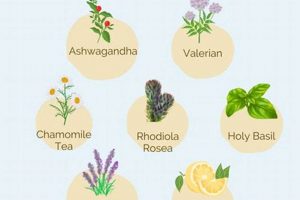
Different geographic regions possess distinct floras, leading to variations in the plants traditionally used for spinal discomfort. For instance, traditional Chinese medicine incorporates herbs such as Du Zhong (Eucommia ulmoides) for strengthening the lower back, while Ayurvedic medicine utilizes herbs like Ashwagandha (Withania somnifera) for its anti-inflammatory and adaptogenic properties. The specific plants used reflect local availability and cultural practices.
- Methods of Preparation and Administration
Traditional use encompasses specific methods of preparing and administering herbal remedies. These methods can influence the bioavailability and efficacy of the active compounds. Preparations may include decoctions, infusions, poultices, or topical applications. The knowledge of appropriate preparation techniques is often passed down through generations of practitioners.
- Contextual Understanding of Application
Traditional use evidence includes a contextual understanding of how and when to apply herbal remedies. This may involve considering factors such as the nature of the discomfort, the individual’s constitution, and the presence of other health conditions. Traditional healers often possess holistic knowledge that extends beyond the symptomatic relief of pain.
- Limitations in Scientific Validation
While traditional use provides valuable insights, it is essential to acknowledge its limitations in terms of scientific validation. Many traditional practices lack rigorous clinical trials to confirm efficacy and safety. The absence of controlled studies does not necessarily negate the potential benefits but emphasizes the need for further research to establish evidence-based recommendations.
The examination of traditional use evidence offers a starting point for investigating the potential of botanical agents in managing spinal discomfort. However, a critical and discerning approach is necessary, integrating traditional knowledge with modern scientific methods to ensure safe and effective utilization. Further research is warranted to validate traditional claims and elucidate the mechanisms of action underlying these practices.
5. Safety and Interactions

The safety profile and potential for interactions represent critical considerations in the context of botanical agents used for spinal discomfort. These factors directly impact patient well-being and the overall effectiveness of any therapeutic approach.
- Herb-Drug Interactions
Botanical substances can interact with conventional medications, potentially altering their pharmacokinetic or pharmacodynamic properties. For example, St. John’s Wort (Hypericum perforatum), sometimes used for mood regulation, can induce hepatic enzymes, leading to decreased efficacy of certain pain medications or other pharmaceuticals. Concomitant use necessitates careful evaluation and monitoring by a healthcare professional.
- Contraindications and Pre-existing Conditions
Specific health conditions may contraindicate the use of certain herbal remedies. Individuals with bleeding disorders, for instance, should exercise caution with botanicals possessing antiplatelet properties, such as ginger or ginkgo biloba, due to an increased risk of hemorrhage. Similarly, pregnant or breastfeeding women require specialized guidance due to potential risks to the fetus or infant.
- Dosage and Duration Considerations
The safety of botanical agents is often dose-dependent. Excessive consumption or prolonged use can increase the likelihood of adverse effects. Adhering to recommended dosages and limiting the duration of treatment are essential to minimize potential risks. Periodic evaluation by a healthcare provider can help assess the ongoing safety and efficacy of the intervention.
- Quality Control and Product Standardization
The quality and purity of herbal products can significantly impact their safety. Contamination with heavy metals, pesticides, or adulterants can pose health hazards. Selecting products from reputable manufacturers that adhere to quality control standards and provide standardized extracts is crucial to ensure product safety and consistency.
Addressing the safety and interaction profile of botanical substances is indispensable for the responsible integration of these agents in the management of spinal discomfort. A comprehensive understanding of potential risks, contraindications, and interactions is necessary to safeguard patient health and optimize therapeutic outcomes. Consultation with qualified healthcare professionals is strongly advised prior to initiating any herbal treatment regimen.
Frequently Asked Questions
This section addresses common inquiries regarding the utilization of botanical substances for the management of discomfort originating from the spinal region. The information presented aims to clarify aspects of efficacy, safety, and appropriate application. This information is for educational purposes and does not substitute for the advice of a qualified healthcare professional.
Question 1: Are plant-derived treatments a substitute for conventional medical care for back pain?
Plant-derived treatments are not a direct substitute for conventional medical care, particularly in cases of acute or severe spinal discomfort. They may serve as a complementary approach, but a comprehensive medical evaluation is essential to rule out underlying conditions requiring specific interventions. Integration with conventional treatments should occur under the guidance of a qualified healthcare provider.
Question 2: How quickly can relief from spinal discomfort be expected with botanical remedies?
The timeframe for experiencing relief varies significantly depending on the underlying cause of the discomfort, the specific botanical substance utilized, the individual’s response, and the dosage employed. Some individuals may experience noticeable improvements within days, while others may require several weeks of consistent application to observe tangible benefits. Realistic expectations and adherence to recommended protocols are crucial.
Question 3: Are there specific botanical substances that are universally effective for all types of back pain?
No single botanical agent is universally effective for all types of spinal discomfort. The efficacy of a particular substance depends on the underlying cause of the pain. For instance, substances with anti-inflammatory properties may be more suitable for discomfort related to inflammation, while muscle relaxants may be more effective for muscle spasms. Accurate identification of the pain source is essential for informed selection.
Question 4: What are the potential risks associated with using botanical substances for back pain?
Potential risks include allergic reactions, interactions with conventional medications, gastrointestinal disturbances, and liver toxicity. Certain botanical substances may be contraindicated in individuals with specific medical conditions. Thorough research and consultation with a healthcare professional are imperative to mitigate these risks.
Question 5: How can the quality and authenticity of botanical products be ensured?
Ensuring quality and authenticity involves selecting products from reputable suppliers that adhere to rigorous quality control standards. Look for certifications, such as organic or third-party testing, which indicate adherence to specified criteria. Scrutinize product labels for detailed ingredient lists and standardized extracts.
Question 6: Is long-term use of botanical substances for back pain safe?
The safety of long-term use varies depending on the specific substance and individual factors. Some botanical agents may be safe for prolonged use at appropriate dosages, while others may pose risks with extended consumption. Periodic monitoring by a healthcare provider is recommended to assess ongoing safety and efficacy.
In summary, the judicious use of botanical substances for spinal discomfort may offer a valuable adjunct to conventional medical care. However, a thorough understanding of potential benefits, risks, and interactions is essential for informed decision-making. Consultation with qualified healthcare professionals is strongly advised.
The subsequent section will explore lifestyle modifications and preventative strategies for minimizing the occurrence and severity of spinal discomfort.
Herbal Remedies for Back Pain
This exploration of herbal remedies for back pain has illuminated various facets of their potential application, ranging from anti-inflammatory and muscle-relaxant properties to analgesic effects and considerations of traditional use. The information presented underscores the complexity involved in selecting and utilizing botanical substances for managing spinal discomfort, emphasizing the importance of understanding mechanisms of action, potential risks, and interactions with conventional treatments.
The responsible integration of herbal remedies for back pain necessitates a cautious and informed approach. Individuals considering these options should prioritize consultation with qualified healthcare professionals to ensure safety, efficacy, and appropriate integration within a comprehensive treatment plan. Further rigorous scientific investigation is crucial to validate traditional uses and establish evidence-based guidelines for the effective and safe application of botanical substances in the management of spinal discomfort.