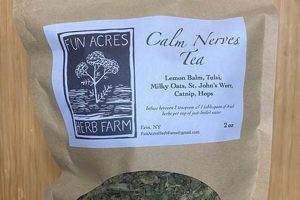
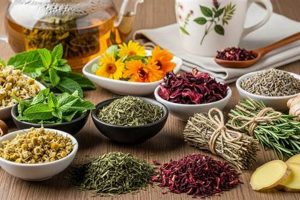
The classification of beverages often depends on their botanical origin. True teas, such as green, black, white, and oolong, all derive from the Camellia sinensis plant. In contrast, herbal infusions, sometimes referred to as tisanes, are made from other plants, including flowers, fruits, herbs, and spices. Chamomile and peppermint are examples of these infusions.
Distinguishing between these categories provides clarity in understanding the properties and potential health benefits of each. True teas contain compounds like caffeine and L-theanine, contributing to alertness and focus. Herbal infusions offer a wider range of potential benefits depending on their specific ingredients, such as calming effects or digestive support. Historically, both types have been valued for their flavor and perceived medicinal properties.
Therefore, understanding the source material is crucial in determining how to categorize a beverage. The subsequent discussion will further explore the specific characteristics that differentiate Camellia sinensis-derived teas from infusions made with other plants, providing a clearer understanding of their respective roles in the world of beverages.
Clarifying Green Tea’s Category
This section offers insights into understanding the distinction between green tea and herbal infusions. Careful consideration of botanical origins and processing methods is critical.
Tip 1: Examine the Source: Confirm that the product originates from Camellia sinensis. Green tea specifically uses unoxidized leaves of this plant.
Tip 2: Review the Ingredient List: Pure green tea should only list green tea leaves as the primary ingredient. Added flavorings are acceptable, but their presence does not change its fundamental classification.
Tip 3: Understand Processing Methods: Green tea production involves minimal oxidation, unlike black tea. This impacts its flavor profile and chemical composition.
Tip 4: Avoid Misleading Labels: Marketing materials may sometimes blur the lines. Scrutinize product descriptions for accuracy regarding plant origins.
Tip 5: Research Herbal Tea Ingredients: If considering herbal blends, research the specific herbs included. Each herb possesses unique properties that distinguish it from Camellia sinensis teas.
Tip 6: Consider Caffeine Content: Green tea contains caffeine, a characteristic absent in most herbal infusions. This is a key differentiator.
Tip 7: Explore Tea Blends Carefully: Some products labeled “green tea” may contain herbal additions. Always verify the percentage of actual green tea versus added herbs.
By diligently applying these guidelines, consumers can accurately differentiate green tea from herbal infusions, enabling informed choices aligned with individual preferences and health considerations.
The following section will explore the health benefits to the body.
1. Camellia sinensis origin
The classification of green tea hinges fundamentally on its Camellia sinensis origin, directly determining its exclusion from the herbal infusion category. The Camellia sinensis plant is unique; beverages derived from its leaves including green, black, white, and oolong teas share a common botanical ancestry that dictates their chemical composition and inherent properties. Because of the plant, it affects classification of beverages. This effect immediately disqualifies it from the herbal classification, which encompasses infusions prepared from other plant species such as chamomile, peppermint, or rooibos.
The practical significance of understanding this origin is substantial. Consumers seeking the specific effects of green tea, such as its caffeine content or characteristic antioxidant profile (catechins), must recognize this differentiation. For instance, individuals desiring a stimulant-free beverage for relaxation would choose chamomile, while those seeking enhanced alertness would select green tea. Misinterpreting the categorization could lead to unintended physiological consequences or a failure to achieve the desired therapeutic effect. Accurate labeling and consumer education are therefore crucial to ensure informed choices. As an example, someone thinking to find green tea and drinks chamomile because they didn’t check the origin.
In summary, Camellia sinensis origin serves as the definitive criterion distinguishing green tea from herbal infusions. This distinction has critical implications for the properties and effects of the beverage, demanding careful consideration by consumers and rigorous adherence to accurate labeling practices. The origin dictates the beverages classification in the broader landscape.
2. Non-oxidized leaves

The characteristic that defines green tea, distinguishing it from other true teas and clearly separating it from the realm of herbal infusions, lies in the treatment of its leaves post-harvest. Specifically, the process of oxidation, or enzymatic browning, is deliberately prevented, a factor intrinsically linked to its classification.
- Preservation of Chlorophyll and Flavor
The absence of oxidation during processing directly impacts the chlorophyll content of the leaves, retaining their vibrant green hue. This contrasts starkly with black tea, where full oxidation results in dark brown leaves. The unoxidized state also preserves the delicate, vegetal flavors inherent in the Camellia sinensis plant, contributing to the unique sensory experience of green tea. If oxidation occured, that is not green tea anymore, which is not considered herbal infusion because it is only about plant and not leaves.
- Retention of Bioactive Compounds
The non-oxidation process safeguards the abundance of catechins, potent antioxidants, particularly epigallocatechin gallate (EGCG). These compounds are believed to contribute significantly to the purported health benefits associated with green tea consumption. Oxidation degrades these compounds, altering the overall biochemical profile, further distinguishing it from both oxidized true teas and herbal preparations, which contain different sets of bioactive substances entirely. If oxidation happen, then it is not herbal, or other tea.
- Divergence from Herbal Processing Methods
The processing of herbal infusions typically involves drying plant material flowers, stems, roots, or leaves without any enzymatic intervention to alter their natural chemical composition. In essence, herbal teas are prepared in a way that preserves the inherent properties of the source plant. Green tea processing, conversely, actively intervenes to prevent oxidation, placing it in a distinct processing category. This intervention separates it from herbal practices, underscoring its classification as a true tea with a unique processing method. In contrast herbal infusions do not involve enzymatic intervention.
- Implications for Sensory Experience
Preventing oxidation allows green tea to maintain a lighter, more delicate flavor profile compared to the robust, malty flavors of oxidized teas. The sensory experience of green tea is distinctly different from the often fruity, floral, or spicy notes found in herbal infusions. This divergence in sensory characteristics further supports the classification of green tea as a distinct entity, separate from the diverse world of herbal beverages, which derive their flavor profiles from varied plant sources rather than controlled oxidation processes. It gives us information about tea and infusions so that consumers can accurately differentiate tea.
The facets presented above coalesce to reinforce the central point: the decision to prevent oxidation during green tea processing is pivotal. It influences not only the leaf color and flavor but also the chemical composition and overall sensory experience, cementing its classification as a Camellia sinensis-derived tea distinct from the broader category of herbal infusions. This controlled manipulation of the plant’s natural processes firmly places green tea within the domain of true teas, not herbal beverages.
3. Caffeine presence

The presence of caffeine constitutes a primary differentiating factor between green tea and herbal infusions. Caffeine, a naturally occurring stimulant, is inherent to Camellia sinensis, the plant from which green tea is derived. This characteristic directly influences its classification, precluding its inclusion within the herbal tea category, where caffeine is generally absent. The stimulating effect of caffeine is a key component of the physiological response associated with green tea consumption. For example, individuals may consume green tea to enhance alertness or improve focus, effects directly attributable to caffeine. This physiological effect differentiates it from herbal infusions which are more frequently consumed for relaxation purposes.
Herbal infusions, in contrast, are typically caffeine-free, as they are derived from plants lacking this compound. Examples include chamomile, peppermint, and rooibos. The absence of caffeine in these beverages makes them suitable for consumption at times when stimulation is undesirable, such as before sleep. Consequently, the presence or absence of caffeine serves as a reliable indicator of whether a beverage is a true tea, like green tea, or a herbal infusion. This understanding is vital for consumers managing caffeine intake for health or lifestyle reasons, as the choice between green tea and a herbal alternative will have a direct impact on their caffeine consumption.
In summary, the presence of caffeine in green tea, originating from Camellia sinensis, definitively distinguishes it from the herbal infusion category. This distinction carries practical significance for consumers mindful of their caffeine intake and seeking specific physiological effects. The consistent presence of caffeine in green tea, unlike the general absence in herbal infusions, reinforces its classification as a true tea rather than a herbal alternative. Thus, caffeine presence is a main component and should be read to those who want to drink tea.
4. Herbal infusions differ

The premise that herbal infusions differ significantly impacts the classification of beverages, particularly in relation to the question of whether green tea belongs to this category. The inherent diversity within herbal infusions, stemming from their varied botanical origins, directly contrasts with the singular source of green tea ( Camellia sinensis). This difference, at its root, prevents green tea from being accurately categorized as a herbal infusion. For example, chamomile infusions, derived from Matricaria chamomilla, exhibit calming properties due to compounds like apigenin, a characteristic absent in green tea. Similarly, peppermint infusions, originating from Mentha piperita, offer a cooling sensation attributed to menthol, a compound not found in Camellia sinensis. The unique chemical profiles of these infusions, and countless others, underscore the fallacy of equating them with green tea, which possesses its own distinct set of compounds due to its specific plant source.
The practical significance of understanding the disparate nature of herbal infusions lies in informed consumer choices. Individuals seeking the specific benefits or flavors associated with certain herbs should not mistakenly substitute green tea, and vice versa. For instance, someone desiring a caffeine-free beverage for relaxation should opt for a chamomile infusion, not green tea, which contains caffeine. Similarly, individuals seeking the antioxidant properties of green tea should not assume that all herbal infusions offer the same benefits. Accurate product labeling and consumer education are crucial to ensure that individuals can make informed decisions based on their specific needs and preferences. Failure to recognize these differences can lead to unmet expectations or even adverse effects.
In conclusion, the statement “Herbal infusions differ” is not merely a descriptive observation but a fundamental principle that governs beverage classification. The vast array of plant sources and chemical profiles represented within the realm of herbal infusions highlights the uniqueness of green tea, derived solely from Camellia sinensis. This botanical distinction dictates that green tea cannot be accurately classified as a herbal infusion, a point of significant practical importance for consumers seeking specific flavors, effects, or health benefits. A misunderstanding may lead to wrong treatment and health risks.
5. Distinct processing methods
Processing methods significantly differentiate green tea from herbal infusions, thereby excluding it from the “herbal tea” classification. Green tea production involves specific steps designed to prevent oxidation of Camellia sinensis leaves. Steaming or pan-firing halts enzymatic browning, preserving the leaves’ green color and characteristic flavor. This contrasts with herbal infusions, which typically involve drying plant parts (flowers, leaves, roots) without enzymatic intervention. The intentional manipulation of Camellia sinensis during green tea production is a key factor. An example is sencha green tea, which utilizes steaming to achieve its distinct flavor. These intentional manipulations are absent in herbal infusions, whose flavors are derived from the drying process.
The cause-and-effect relationship between processing and classification is evident. The distinct processing methods used for green tea result in a unique chemical profile and flavor, different from those found in herbal infusions. This difference affects consumers directly. An individual seeking the specific antioxidant benefits associated with green tea, particularly those derived from unoxidized catechins, would not find the same compounds in an herbal infusion prepared simply by drying plant material. This understanding highlights the practical significance of recognizing the distinct processing methods as a defining component that seperates these categories.
In summary, the distinct processing methods employed in green tea production serve as a crucial factor in its classification, differentiating it from herbal infusions. The intentional prevention of oxidation during green tea processing results in a beverage with unique characteristics not replicated in herbal infusions prepared through simple drying. This distinction is not merely academic but has practical implications for consumers seeking specific health benefits or flavor profiles, underscoring the importance of accurate classification and informed consumption.
6. Different flavor profiles
The dissimilarity in flavor profiles serves as a primary determinant in classifying green tea separately from herbal infusions. Green tea, derived from Camellia sinensis, exhibits a flavor spectrum ranging from vegetal and grassy to subtly sweet or marine-like, influenced by cultivar, growing conditions, and processing techniques. This flavor profile stems from the inherent chemical composition of Camellia sinensis and the preservation of these compounds through minimal oxidation. Herbal infusions, conversely, offer a vastly broader array of flavors dependent entirely on the specific plant or blend of plants used. Chamomile provides floral and slightly sweet notes, peppermint delivers a cooling, minty sensation, and rooibos exhibits an earthy, slightly nutty character. The cause of these distinct flavors is that they do not follow one origin like green tea. Because there is no one origin, then different flavor profiles occur, and that different flavor profiles is how we know it’s not green tea.
The importance of these differing flavor profiles extends beyond mere sensory experience; they directly impact consumer expectations and product utilization. Individuals seeking the stimulating effects and characteristic taste of green tea will find herbal infusions an inadequate substitute, and vice versa. A consumer desiring a caffeine-free, calming beverage before sleep would logically choose chamomile over green tea, driven by the knowledge that their flavor profiles and associated physiological effects differ substantially. Real-life examples abound in the beverage market, where green tea and herbal infusions are distinctly marketed and positioned based on their unique flavor characteristics and intended use cases. Failure to acknowledge these differences can lead to consumer dissatisfaction and misapplication of the product.
In summary, the divergent flavor profiles between green tea and herbal infusions are not simply incidental variations but fundamental characteristics that underscore their distinct classifications. The predictable flavor range of green tea, rooted in Camellia sinensis, contrasts sharply with the boundless flavor possibilities of herbal infusions, derived from diverse plant sources. Understanding and appreciating these differences is crucial for informed consumer choices, accurate product marketing, and the avoidance of unintended substitutions. These variations help to dictate accurate descriptions for these beverages and the importance it has on consumer awareness.
Frequently Asked Questions Regarding Green Tea Classification
This section addresses common inquiries concerning the proper categorization of green tea and its relationship to herbal infusions, providing clarity on a frequently misunderstood topic.
Question 1: Is green tea categorized as a herbal tea?
No, green tea is not classified as a herbal tea. It originates from the Camellia sinensis plant, while herbal teas, or tisanes, are infusions made from other plants, such as flowers, fruits, or herbs.
Question 2: What distinguishes green tea from herbal infusions?
The primary distinction lies in the source plant. Green tea derives solely from Camellia sinensis. Herbal infusions encompass a wide array of plants beyond Camellia sinensis, resulting in varied chemical compositions and flavor profiles.
Question 3: Does the processing method influence the classification of green tea?
Yes, the processing method is crucial. Green tea undergoes minimal oxidation to retain its green color and flavor. Herbal infusions are typically prepared by drying plant material without enzymatic intervention.
Question 4: Does the presence of caffeine play a role in the classification?
Yes, green tea contains caffeine, a natural stimulant found in Camellia sinensis. Herbal infusions are generally caffeine-free, as their source plants lack this compound.
Question 5: Can green tea be mixed with herbs and still be considered “green tea”?
If green tea is blended with other herbs, the resulting product is technically a blend, not pure green tea. The label should accurately reflect the presence of additional ingredients.
Question 6: Why is accurate classification important?
Accurate classification is essential for informed consumer choices. Individuals seeking the specific benefits or flavor profiles associated with green tea or herbal infusions need to distinguish between the two categories.
In conclusion, green tea and herbal infusions represent distinct beverage categories due to differences in plant origin, processing methods, and chemical composition. Understanding these distinctions enables informed consumption.
The subsequent section will explore the health benefits.
Conclusion
The inquiry into “is green tea a herbal tea” reveals a fundamental distinction based on botanical origin and processing methodologies. Green tea, derived exclusively from Camellia sinensis, undergoes specific treatments to prevent oxidation, preserving its inherent characteristics. This contrasts sharply with herbal infusions, sourced from diverse plants and typically processed via simple drying techniques. The presence of caffeine further delineates green tea from most herbal counterparts.
Understanding these distinctions is paramount for informed consumer choices and accurate product labeling. While both green tea and herbal infusions offer unique flavor profiles and potential health benefits, their classification hinges on demonstrable botanical and processing differences. Therefore, a clear comprehension of these factors is crucial to ensuring responsible consumption and the achievement of intended health or sensory outcomes. Continued adherence to precise labeling standards is essential to facilitate this understanding.