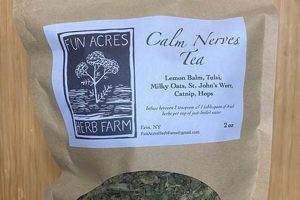
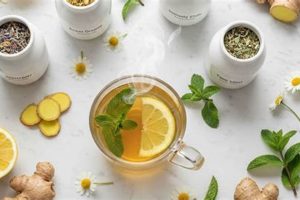
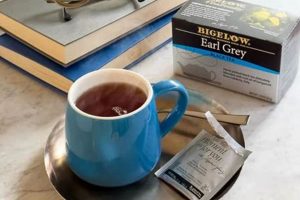
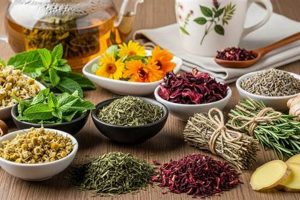
The question of whether a particular beverage falls into the category of herbal infusions hinges on its origin. True teas, including black, green, white, and oolong, are derived from the Camellia sinensis plant. Beverages prepared from other plant materials, such as flowers, fruits, herbs, and spices, are classified differently. For instance, chamomile, peppermint, and rooibos are prepared using plant parts other than Camellia sinensis leaves.
The distinction between true teas and their herbal counterparts is important for several reasons. True teas contain caffeine, while many infusions are naturally caffeine-free. Furthermore, the chemical composition and potential health effects differ significantly. Understanding this difference allows individuals to make informed choices about their beverage consumption based on desired effects and health considerations. Historical context reveals a long tradition of utilizing various plants for medicinal and recreational drinks, separate from the cultivation and consumption of Camellia sinensis.
Consequently, it is crucial to understand the specific botanical source when categorizing beverages. The following sections will delve deeper into the processing methods of Camellia sinensis, the characteristics of genuine tea varieties, and a detailed exploration of various herbal infusions, outlining their preparation, properties, and historical uses.
Understanding the fundamental difference between beverages made from Camellia sinensis and those derived from other botanical sources is crucial for informed consumer choices. The following tips provide a clear guide to differentiating between black tea and herbal infusions.
Tip 1: Check the Ingredient List: Scrutinize the packaging. If the ingredient list contains solely Camellia sinensis (or its specific variety), it is a true tea. The presence of other plant names, such as Mentha piperita (peppermint) or Matricaria chamomilla (chamomile), indicates an herbal infusion.
Tip 2: Note the Caffeine Content: Black tea naturally contains caffeine, typically ranging from 40-70mg per cup. Herbal infusions are generally caffeine-free, unless caffeine has been artificially added. Examine the product label for caffeine information.
Tip 3: Consider the Processing Method: Black tea undergoes a full oxidation process, contributing to its dark color and robust flavor. Herbal infusions do not undergo oxidation; their flavor and color are inherent to the plants used.
Tip 4: Examine the Leaf Appearance: Unbrewed black tea leaves are typically dark brown or black. Herbal infusions exhibit a broader range of colors and textures, reflecting the diverse botanical materials used.
Tip 5: Understand Flavor Profiles: Black tea possesses characteristic flavors like malty, brisk, or earthy notes. Herbal infusions present flavors associated with the specific plant used, such as minty, floral, or fruity.
Tip 6: Review Label Terminology: Pay attention to terms used on the packaging. “Tea” generally refers to beverages made from Camellia sinensis, while terms like “herbal tea,” “tisane,” or “infusion” indicate a beverage derived from other plants.
By employing these guidelines, consumers can confidently distinguish between black tea and herbal infusions, ensuring their beverage selection aligns with their preferences and desired properties. This knowledge promotes informed decision-making and a more nuanced appreciation for the diverse world of plant-based beverages.
The following sections will delve further into specific black tea varieties and the wide array of herbal infusion options available, further solidifying the distinctions outlined above.
1. Botanical Origin

The classification of beverages as either tea or herbal infusion is fundamentally determined by their botanical origin. This distinction is paramount when considering whether a beverage, specifically black tea, aligns with the definition of an herbal infusion, directly influencing its categorization.
- Camellia sinensis Specificity
The defining characteristic of true teas, including black tea, resides in their exclusive derivation from the Camellia sinensis plant. This plant, cultivated for its leaves, is the sole source of all true teas, regardless of their processing method. Any beverage not originating from Camellia sinensis cannot be classified as a true tea. Therefore, if a beverage is not from Camellia sinensis that is not tea, but this is the herbal infusion beverages.
- Herbal Infusion Diversity
Herbal infusions encompass a vast range of plants, including flowers, fruits, herbs, and spices. Examples include chamomile (derived from chamomile flowers), peppermint (from peppermint leaves), and rooibos (from the rooibos plant). The botanical diversity is a hallmark of herbal infusions, contrasting sharply with the singular source of true teas. Infusions that are in the category of herbal have own health benefits and natural properties.
- Absence of Camellia sinensis in Herbal Infusions
A critical aspect is the complete absence of Camellia sinensis in the composition of herbal infusions. The inclusion of Camellia sinensis automatically disqualifies a beverage from being categorized as a pure herbal infusion. Any mixture including the mentioned part of plant it can’t be considered herbal. These teas have their own classification of herbal.
- Influence on Chemical Composition
Botanical origin directly dictates the chemical composition of the beverage. Camellia sinensis inherently contains caffeine and specific antioxidants. Herbal infusions, depending on their plant source, possess distinct chemical profiles, often including different antioxidants, vitamins, and minerals, and crucially, a general lack of caffeine.
These facets highlight that because black tea is solely derived from Camellia sinensis, it cannot be accurately classified as an herbal infusion. The botanical origin serves as the definitive criterion, firmly establishing black tea’s position within the category of true teas, distinct from the diverse world of herbal infusions.
2. Caffeine Presence
The presence, or absence, of caffeine serves as a critical differentiating factor between true teas and herbal infusions. Understanding the relationship between caffeine and beverage classification is essential for determining whether black tea, a caffeinated beverage, can be considered an herbal infusion, which are, by definition, largely caffeine-free.
- Caffeine as an Intrinsic Component of Camellia sinensis
Caffeine is a naturally occurring compound found within the leaves of the Camellia sinensis plant. Black tea, being derived solely from this plant, inherently contains caffeine. The concentration of caffeine can vary based on factors such as tea variety, processing method, and brewing time, but its presence remains a constant characteristic. The quantity of caffeine impacts the stimulatory property.
- General Absence of Caffeine in Herbal Infusions
In contrast to true teas, herbal infusions are typically caffeine-free. Because they are derived from plant sources other than Camellia sinensis such as herbs, flowers, fruits, and spices they lack the natural caffeine content found in tea leaves. This absence of caffeine is a defining characteristic that distinguishes them from caffeinated beverages such as black tea. The consumption of it can provide different health effects and properties.
- Caffeine as a Deliberate Additive
While most herbal infusions are naturally caffeine-free, some commercially available products may have caffeine added artificially. These instances are exceptions rather than the rule, and the presence of added caffeine is typically indicated on the product label. However, the addition of caffeine does not change the fundamental classification of the beverage as an herbal infusion, which remains based on its botanical origin.
- Implications for Consumer Choice
The presence or absence of caffeine has significant implications for consumer choice. Individuals seeking a stimulating beverage often opt for black tea due to its caffeine content, while those sensitive to caffeine or looking for a relaxing drink frequently choose herbal infusions. This distinction highlights the importance of understanding the caffeine profile of different beverages to make informed decisions based on personal preferences and health considerations.
The inherent presence of caffeine in black tea, stemming from its Camellia sinensis origin, fundamentally separates it from the predominantly caffeine-free world of herbal infusions. This attribute is not merely a detail but a crucial factor in distinguishing between the two categories of beverages, impacting their properties, effects, and ultimately, their classification. Therefore, this cannot be classified as herbal infusion.
3. Camellia sinensis
The classification of black tea, and its differentiation from herbal infusions, is inextricably linked to Camellia sinensis, the plant from which all true teas originate. This botanical connection serves as the foundational determinant. Without Camellia sinensis, black tea cannot exist. The plant’s unique biochemical composition, specifically the presence of caffeine and the ability of its leaves to undergo oxidation, dictates the properties of black tea and distinguishes it from infusions created with other plant matter. For example, Darjeeling, a black tea variety, derives its characteristics directly from the Camellia sinensis cultivars grown in the Darjeeling region of India.
The understanding of Camellia sinensis‘ role extends beyond mere botanical classification. It impacts processing methods. The leaves of this plant are withered, rolled, oxidized, and dried to produce black tea, a process that transforms their chemical composition and flavor profile. This oxidation process, which is specific to true tea production, is absent in the creation of herbal infusions. The practical significance lies in understanding that altering the processing changes the resulting tea variety. Furthermore, the plant’s cultivation and environmental factors, such as soil composition and altitude, influence the final product. The same cultivar of Camellia sinensis grown in different regions yields distinct flavor profiles, demonstrating the plant’s complex interaction with its environment.
In summary, the presence of Camellia sinensis is both a necessary and sufficient condition for a beverage to be classified as true tea, including black tea. The absence of Camellia sinensis is the defining feature of herbal infusions. Misunderstanding this fundamental connection leads to inaccurate categorization and a diminished appreciation for the specific characteristics of each beverage type. While challenges remain in consumer education regarding tea classification, recognizing Camellia sinensis as the cornerstone of true tea production is paramount.
4. Oxidation Process

The oxidation process is a pivotal chemical reaction that distinguishes black tea from other types of tea and, critically, from herbal infusions. This enzymatic browning, triggered when tea leaves are exposed to oxygen, fundamentally alters the leaves’ chemical composition, flavor profile, and appearance. Black tea undergoes full oxidation, resulting in its characteristic dark color and robust flavor. Herbal infusions, conversely, do not undergo oxidation; their flavor and color derive directly from the inherent properties of the plants used. The absence of an oxidation process is a defining characteristic of herbal infusions. Oxidation causes changes in the plant.
The practical significance of this lies in the categorization of beverages. Because herbal infusions do not involve oxidation, the flavors are those that were originally contained in the product. The lack of oxidation prevents it from being black tea. The processing methods employed during oxidation are very different in the formation of black tea versus an herbal infusion. Thus, oxidation is not a component of herbal infusions. The lack of this process highlights that herbal infusions and black tea are very different.
In conclusion, the oxidation process is an exclusive characteristic of black tea production, absent in the creation of herbal infusions. This process’s chemical and sensory effects underscore the fundamental difference between these beverage categories. Understanding the role of oxidation is crucial for accurate beverage classification and appreciating the distinct qualities of black tea compared to herbal infusions, reinforcing that the former cannot be classified as the latter.
5. True Tea Definition
The definition of “true tea” is the cornerstone for addressing whether black tea qualifies as an herbal infusion. This definition, centered on the Camellia sinensis plant, establishes a clear boundary, influencing categorization and understanding of these beverages.
- Botanical Specificity as a Defining Criterion
The core of the “true tea” definition rests on the plant’s exclusive botanical origin: Camellia sinensis. Only beverages derived from this specific plant, regardless of processing method (oxidation, fermentation, etc.), can be classified as true tea. Black tea, processed from Camellia sinensis leaves, thus satisfies this initial condition. Herbal infusions, sourced from various other plants like chamomile, mint, or rooibos, categorically fail this criterion. Consequently, black tea’s botanical origin precludes its classification as an herbal infusion.
- Caffeine Content as a Differentiating Factor
True teas, by virtue of their Camellia sinensis origin, inherently contain caffeine. Black tea, like other true teas, possesses caffeine, typically in concentrations ranging from 40 to 70 milligrams per cup. Herbal infusions, conversely, are generally caffeine-free, unless caffeine is artificially added. While caffeine content itself does not define “true tea,” it serves as a reliable indicator that reinforces the distinction between true tea and herbal infusions. Black tea’s caffeine content further solidifies its non-herbal status.
- Processing Method Distinctiveness
The processing methods applied to Camellia sinensis leaves to create true teas, including black tea, are distinct from those used for preparing herbal infusions. Black tea undergoes a full oxidation process, contributing to its dark color and strong flavor. This oxidation is absent in the preparation of herbal infusions. Herbal infusions are typically prepared by simply steeping dried plant material in hot water. This fundamental difference in processing underscores the categorical separation between black tea and herbal infusions.
- Regulatory and Labeling Implications
The “true tea” definition has regulatory and labeling implications, influencing how these beverages are marketed and sold. In many jurisdictions, the term “tea” legally refers only to beverages derived from Camellia sinensis. Beverages made from other plants are required to be labeled as “herbal infusions” or “tisanes.” This regulatory framework reflects the established understanding that true teas and herbal infusions are distinct categories, further reinforcing the conclusion that black tea cannot be accurately classified as an herbal infusion.
In conclusion, the “true tea” definition, grounded in botanical origin, caffeine content, processing methods, and regulatory context, unequivocally establishes that black tea, as a product of Camellia sinensis, is distinct from herbal infusions. This distinction underscores the importance of precise terminology and informed consumer choices in the realm of plant-based beverages.
Frequently Asked Questions
The following questions and answers address common points of confusion regarding the classification of black tea and herbal infusions. These distinctions are essential for accurate understanding.
Question 1: Is Black Tea An Herbal Tea?
No, black tea is not an herbal tea. Black tea originates exclusively from the Camellia sinensis plant, while herbal teas, also known as tisanes, are derived from other plants, such as herbs, flowers, fruits, or spices.
Question 2: What Defines a True Tea?
A true tea is defined as any beverage made solely from the leaves of the Camellia sinensis plant. This category includes black, green, white, and oolong teas.
Question 3: Does Black Tea Contain Caffeine?
Yes, black tea naturally contains caffeine. The caffeine content can vary depending on the variety and brewing method, but it is always present.
Question 4: Are Herbal Teas Caffeine-Free?
Most herbal teas are naturally caffeine-free, as they are not derived from the Camellia sinensis plant. However, some commercially produced herbal teas may have caffeine added.
Question 5: What is the Key Difference in Processing Between Black Tea and Herbal Teas?
Black tea undergoes a full oxidation process, which contributes to its dark color and robust flavor. Herbal teas do not undergo oxidation; their flavor and color are inherent to the plants used.
Question 6: Why is Accurate Classification Important?
Accurate classification is important for informed consumer choices. Understanding the difference allows individuals to select beverages based on desired properties, such as caffeine content or potential health benefits associated with specific plants.
In summary, black tea, as a product of Camellia sinensis, differs significantly from herbal teas in origin, caffeine content, and processing. These distinctions are vital for proper categorization.
The following section will provide additional resources for further exploration of tea varieties and herbal infusions.
Is Black Tea An Herbal Tea
This article has systematically explored the question of whether black tea can be accurately classified as an herbal infusion. By examining botanical origin, caffeine content, processing methods, and adherence to the “true tea” definition, it is definitively established that black tea is not an herbal infusion. Black tea’s exclusive derivation from Camellia sinensis, its inherent caffeine content, and its characteristic oxidation process set it apart from the diverse category of herbal infusions.
The understanding of these distinctions is not merely academic; it is fundamental to informed consumer choices and a nuanced appreciation of the diverse world of plant-based beverages. Continued clarity in terminology and labeling remains crucial, empowering individuals to make discerning selections based on desired properties and perceived health benefits. Future research could further explore the specific bioactive compounds within various Camellia sinensis cultivars and herbal infusions, enhancing understanding of their respective contributions to human health.