Beverages crafted from infusions of various plants, flowers, and spices are a longstanding tradition in Iranian culture. These concoctions, often enjoyed for their therapeutic properties and distinct flavors, represent a significant part of Iranian culinary heritage. A prevalent example includes a blend of dried rose petals, cardamom pods, and black tea leaves, steeped to create a fragrant and revitalizing drink.
The consumption of these plant-based infusions extends beyond mere refreshment. They are frequently employed for their perceived medicinal advantages, such as aiding digestion, promoting relaxation, and bolstering the immune system. Historically, these remedies were integral to traditional Iranian medicine, passed down through generations and deeply intertwined with cultural practices.
The subsequent sections will delve into the specific ingredients commonly used in these traditional drinks, explore their associated health benefits as understood within both traditional and modern contexts, and provide insights into the preparation methods and cultural significance of this beloved beverage category.
Essential Insights into the Preparation and Enjoyment of Traditional Iranian Infusions
Maximizing the benefits and appreciating the nuanced flavors of these traditional Iranian beverages requires attention to detail. The following guidelines offer practical advice for both novice and experienced enthusiasts.
Tip 1: Prioritize Ingredient Quality. The efficacy and taste of the beverage are directly influenced by the freshness and quality of the ingredients. Source dried herbs, flowers, and spices from reputable suppliers to ensure optimal potency and flavor profiles.
Tip 2: Master Water Temperature Control. Different components necessitate varying water temperatures for optimal extraction. Delicate flowers like chamomile benefit from lower temperatures (around 80C), while tougher ingredients like cinnamon sticks require higher temperatures (near boiling).
Tip 3: Observe Steep Times Meticulously. Over-steeping can result in a bitter taste, while under-steeping may not fully release the desired flavors and therapeutic compounds. Adhere to recommended steep times, typically ranging from 5 to 10 minutes, depending on the specific blend.
Tip 4: Utilize Appropriate Vessels. Opt for glass or ceramic teapots and cups to avoid imparting unwanted flavors into the infusion. Metal containers can sometimes react with certain herbal components, altering the taste and potentially affecting the beneficial properties.
Tip 5: Experiment with Flavor Combinations. While traditional blends exist, experimentation with different herbal and spice combinations can lead to personalized and uniquely satisfying brews. Start with small quantities to gauge the flavor intensity of each ingredient.
Tip 6: Consider Sweeteners Judiciously. If sweetening is desired, consider natural alternatives such as honey, dates, or dried fruit. These options offer a more nuanced sweetness and complement the inherent flavors of the herbal infusion.
Tip 7: Store Ingredients Properly. To preserve the potency and flavor of ingredients, store them in airtight containers in a cool, dark, and dry place. Exposure to light, heat, and moisture can degrade their quality over time.
Adhering to these guidelines ensures a more flavorful and beneficial experience when preparing and consuming traditional Iranian plant-based infusions. Attention to ingredient quality, temperature control, and steeping time are crucial for unlocking the full potential of these culturally significant beverages.
The subsequent section will explore specific recipes and regional variations, further illuminating the diverse landscape of this rich culinary tradition.
1. Aromatic Complexity

Aromatic complexity is a defining characteristic of Iranian herbal tea, contributing significantly to its appeal and cultural importance. This multifaceted attribute stems from the diverse botanical landscape of Iran and the traditional practices of blending various plant components.
- Variety of Floral and Herbal Components
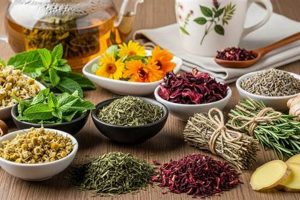
The vast selection of available flora within Iran directly dictates the spectrum of aromatic possibilities in Iranian herbal tea. Ingredients such as rose petals, orange blossoms (bahar narenj), lavender, and chamomile each contribute distinct olfactory profiles. These components are often blended to create layered and nuanced aromatic experiences, moving beyond single-note profiles to achieve depth and complexity.
- Impact of Drying and Preservation Techniques
Traditional methods for drying and preserving herbs and flowers can substantially affect their aroma. Slow drying techniques, often employed in Iranian households, allow for the preservation of volatile aromatic compounds, resulting in a more potent and nuanced final product. The storage conditions also play a vital role; improper storage can lead to the loss of aroma or the development of undesirable off-notes.
- Influence of Regional Terroir
The geographical origin of the herbal components influences their aromatic character. The terroir encompassing soil composition, climate, and altitude affects the plant’s physiology, resulting in variations in the concentration and composition of aromatic compounds. Herbs grown in different regions of Iran may exhibit subtle but discernible aromatic differences, contributing to regional variations in herbal tea blends.
- Blending and Infusion Methods
The art of blending different herbal components is crucial in achieving aromatic complexity. Skilled practitioners understand how to combine ingredients to create synergistic aromatic effects, where the resulting blend possesses a more complex and appealing aroma than the individual components alone. Infusion methods, including water temperature and steeping time, also impact the extraction of aromatic compounds, requiring careful control to achieve the desired aromatic profile.
The intricate interplay of these facets underscores the aromatic complexity inherent in Iranian herbal tea. This characteristic not only enhances the sensory experience of consuming these beverages but also contributes to their cultural significance, with specific blends often associated with particular regions, occasions, and perceived health benefits. The meticulous selection, preparation, and blending of aromatic ingredients are essential elements of Iranian herbal tea tradition.
2. Medicinal Properties

The integration of botanicals with perceived medicinal properties is a defining characteristic of Iranian herbal tea. This is not merely a flavoring choice, but a purposeful selection based on traditional knowledge passed down through generations. The purported therapeutic effects range from alleviating digestive discomfort to promoting relaxation and bolstering immune function. For example, peppermint, a common ingredient, is often cited for its carminative properties, aiding in the expulsion of gas and reducing bloating. Similarly, chamomile is frequently consumed for its anxiolytic effects, promoting calmness and sleep. These applications are rooted in both empirical observation and systems of traditional medicine.
The effectiveness of these herbal remedies is a subject of ongoing scientific inquiry. While some traditional uses have been supported by modern research, others require further investigation to establish conclusive evidence. For instance, studies have explored the potential anti-inflammatory and antioxidant properties of various herbs found in these teas. However, it is crucial to acknowledge that the concentration of active compounds in herbal infusions can vary significantly depending on factors such as growing conditions, processing methods, and preparation techniques. Therefore, the strength and efficacy of the resulting tea may differ, influencing the extent of the medicinal effects observed.
In conclusion, the inclusion of medicinal properties is an integral aspect of Iranian herbal tea, reflecting a deep-seated belief in the healing power of nature. While some traditional uses are supported by emerging scientific evidence, a cautious approach is warranted. Understanding the potential benefits and limitations of these herbal infusions requires a nuanced perspective, acknowledging both the rich history of traditional knowledge and the ongoing need for rigorous scientific validation. The practical significance lies in the potential for these teas to contribute to overall well-being, when used responsibly and in conjunction with appropriate medical advice.
3. Cultural Tradition

Iranian herbal tea is inextricably linked to the nation’s cultural heritage, functioning as more than a mere beverage. Its consumption and preparation are embedded within social customs, familial rituals, and expressions of hospitality. The offering of a cup of herbal tea to a guest serves as a gesture of welcome and respect, symbolizing warmth and goodwill. This act transcends simple refreshment; it is a conduit for social interaction and the reinforcement of community bonds. The selection of specific herbal blends often reflects the occasion or the perceived needs of the recipient. For instance, a calming blend might be offered in times of stress, while a more invigorating tea could be served to combat fatigue. The preparation process, often involving family members, becomes a shared experience, fostering intergenerational connections and preserving traditional knowledge.
The significance of cultural tradition extends to the specific types of herbal teas consumed and their associated rituals. Chai-e Torsh, a sour tea made from hibiscus flowers, is often served during celebrations in certain regions, representing joy and prosperity. Similarly, the consumption of herbal teas during Nowruz, the Persian New Year, is deeply symbolic, signifying renewal and good health for the year ahead. The preservation of these traditions is actively promoted by families and communities, ensuring that the knowledge of herbal remedies and their cultural significance is passed on to future generations. This collective effort safeguards a vital aspect of Iranian cultural identity, reinforcing the connection between past and present.
In conclusion, the profound integration of herbal tea within Iranian cultural tradition highlights its importance as a social lubricant, a symbol of hospitality, and a repository of traditional knowledge. The preservation and practice of these customs contribute significantly to the collective identity and cultural cohesion of Iranian society. While the specific ingredients and preparation methods may vary regionally, the underlying value of herbal tea as a cultural touchstone remains constant, serving as a tangible link to the nation’s rich heritage. Challenges to this tradition, such as modernization and globalization, necessitate conscious efforts to maintain its relevance and ensure its continued transmission to future generations.
4. Preparation methods

The preparation methods employed significantly influence the final characteristics of Iranian herbal tea, impacting its flavor profile, aroma, and purported medicinal properties. The relationship is causal: alterations in the brewing process directly affect the extraction of compounds from the constituent herbs, thereby modifying the sensory and therapeutic attributes of the beverage. Consider, for example, the impact of water temperature. Using boiling water on delicate floral ingredients like chamomile can result in a bitter, less palatable tea due to the release of undesirable compounds. Conversely, under-heated water may fail to extract the full spectrum of beneficial components from tougher ingredients such as roots or barks.
Steep time also plays a critical role. Prolonged steeping can lead to an overly strong or bitter flavor as tannins and other compounds are extracted in excess. Conversely, insufficient steeping may result in a weak, under-developed tea lacking the desired intensity. Real-life examples abound: traditional Iranian households often possess specific teapots designed for optimal heat retention and even distribution, demonstrating an understanding of the importance of controlled brewing environments. The use of samovars, particularly in social settings, allows for precise temperature management and continuous hot water supply, ensuring consistent tea preparation throughout extended gatherings. Furthermore, regional variations exist in preparation methods, with certain areas favoring specific techniques to complement locally sourced herbs.
Understanding the nuances of preparation methods is practically significant for both consumers and producers of Iranian herbal tea. Knowledge of optimal water temperatures, steep times, and brewing techniques empowers consumers to consistently create high-quality beverages that maximize both flavor and potential health benefits. For producers, standardized preparation guidelines can ensure product consistency and allow for accurate labeling of medicinal properties, enhancing consumer trust and marketability. Challenges in this area include the lack of widely available, scientifically validated preparation protocols for many traditional Iranian herbal tea blends. Further research is needed to fully elucidate the relationship between specific preparation methods and the chemical composition and biological activity of these beverages, ultimately contributing to a deeper understanding of their therapeutic potential.
5. Regional Variations

Significant regional variations characterize the production, composition, and consumption of Iranian herbal tea. These variations stem from differences in climate, access to local flora, and culturally specific preferences, resulting in a diverse range of blends and brewing practices across the country. The following points highlight key aspects of this regional differentiation.
- Availability of Local Flora
Geographical diversity dictates the availability of specific herbal ingredients. Regions with mountainous terrain and cooler climates may favor herbs like thyme and chamomile, while southern regions with warmer climates may incorporate ingredients such as hibiscus and orange blossom. This access to distinct local flora directly impacts the composition of regional herbal tea blends. For instance, teas from the northern provinces bordering the Caspian Sea often feature locally grown mint varieties, lending a characteristic flavor profile absent in teas from other regions.
- Traditional Brewing Practices
Regional brewing practices also contribute to the diversity of Iranian herbal tea. In some areas, a multi-step brewing process involving multiple infusions is common, while others favor a single, prolonged steep. The type of vessel used, such as traditional clay teapots or modern samovars, further influences the flavor and aroma of the final product. The addition of regional sweeteners, such as date syrup in the south or honey in the north, further differentiates the taste experience.
- Cultural Significance of Specific Blends
Certain herbal tea blends have acquired specific cultural significance within particular regions. These blends are often associated with specific occasions, festivals, or healing traditions. For example, in some Kurdish regions, a blend of mountain herbs is traditionally consumed during Nowruz, the Persian New Year, as a symbol of health and prosperity. These regionally specific blends reflect the close connection between herbal tea and local cultural practices.
- Perceived Medicinal Properties
The perceived medicinal properties attributed to different herbal teas also vary regionally, reflecting localized traditional knowledge. In some areas, specific herbs are believed to be particularly effective for treating specific ailments. This regional variation in traditional medicine practices influences the selection of herbs used in local tea blends. For instance, in some rural communities, a blend of local herbs is traditionally used to alleviate digestive discomfort, reflecting a localized understanding of herbal remedies.
The cumulative effect of these factors underscores the significant regional diversity within the umbrella term “Iranian herbal tea.” This diversity not only enriches the culinary landscape of Iran but also highlights the close relationship between local environments, cultural traditions, and the use of herbal remedies. Understanding these regional variations provides a deeper appreciation for the complexity and significance of Iranian herbal tea.
Frequently Asked Questions about Iranian Herbal Tea
The following section addresses common inquiries and clarifies prevailing misconceptions surrounding Iranian herbal tea, providing evidence-based information to promote informed understanding.
Question 1: What distinguishes Iranian herbal tea from herbal teas originating in other regions?
The defining characteristic lies in the unique blend of indigenous flora, reflecting Iran’s diverse geographical landscape and climate. Specific herbs and flowers, cultivated within Iran, impart distinct flavor profiles and potential therapeutic properties not commonly found in herbal teas from other regions. Preparation techniques, often passed down through generations, further contribute to the unique character of these infusions.
Question 2: Are there any documented risks associated with the consumption of Iranian herbal tea?
While generally considered safe for consumption, certain herbs may interact with prescription medications or pose risks for individuals with specific health conditions. Pregnant or breastfeeding individuals should exercise caution and consult with a healthcare professional before consuming Iranian herbal teas. Allergies to specific plants should also be considered.
Question 3: How should Iranian herbal tea be stored to maintain its quality and potency?
Optimal storage requires airtight containers placed in a cool, dark, and dry environment. Exposure to light, heat, and moisture can degrade the quality and potency of the herbal components, diminishing their flavor and potential therapeutic benefits.
Question 4: Does the preparation method significantly affect the properties of Iranian herbal tea?
Yes, the preparation method plays a critical role. Water temperature, steeping time, and the type of vessel used all influence the extraction of active compounds from the herbs, thereby affecting the flavor, aroma, and potential medicinal properties of the tea. Following recommended preparation guidelines is essential for optimal results.
Question 5: Can Iranian herbal tea be used as a substitute for conventional medical treatment?
Iranian herbal tea should not be considered a substitute for conventional medical treatment. While it may offer certain health benefits, it is crucial to consult with a qualified healthcare professional for diagnosis and treatment of any medical condition. Herbal teas can complement conventional treatments but should not replace them without professional guidance.
Question 6: Is there a standardization process in place to ensure the quality and safety of commercially available Iranian herbal tea?
Quality control measures can vary among producers. Consumers are advised to purchase Iranian herbal tea from reputable sources that adhere to stringent quality control standards. Look for certifications or labels indicating compliance with recognized safety and quality guidelines. Ingredient lists should be clearly displayed, allowing informed choices.
In summary, Iranian herbal tea offers a rich cultural heritage and potential health benefits. However, responsible consumption, informed purchasing decisions, and consultation with healthcare professionals are essential to ensure safety and maximize its positive effects.
The following section will delve into specific recipes and preparation guides for selected Iranian herbal teas, providing practical instructions for creating these traditional beverages.
Iranian Herbal Tea
This exploration has illuminated the multifaceted nature of Iranian herbal tea, extending beyond its simple categorization as a beverage. Its intricate connections to cultural tradition, potential medicinal properties, and regional variations establish its significance within Iranian society and beyond. The composition, preparation, and consumption of these infusions are deeply rooted in historical practices and evolving knowledge.
Further research into the scientific validation of traditional medicinal claims, coupled with standardized quality control measures, remains crucial. The sustained preservation of this cultural heritage necessitates conscious efforts to maintain traditional knowledge and adapt it to contemporary contexts, thereby ensuring the continued relevance and appreciation of Iranian herbal tea for generations to come.