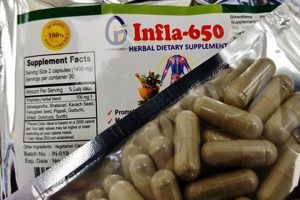
Botanical preparations marketed to alleviate symptoms associated with hormonal shifts are increasingly prevalent. These products often combine various plant-derived substances, theorized to influence endocrine function and mitigate discomfort experienced during periods of significant hormonal fluctuation. Examples include formulations containing black cohosh, soy isoflavones, and red clover, each promoted for its potential to ease specific symptoms.
The appeal of these natural alternatives stems from a desire for non-pharmaceutical interventions. Throughout history, various cultures have employed plants for their perceived medicinal properties, including the management of conditions linked to hormonal imbalances. The perceived benefits encompass a reduction in hot flashes, improved mood, and enhanced sleep quality. However, it’s crucial to acknowledge that the efficacy and safety of these alternatives require rigorous scientific evaluation.
The subsequent sections will delve into the specific ingredients commonly found in these preparations, the available research concerning their effectiveness, and the potential risks associated with their use. A comprehensive understanding of these factors is essential for individuals considering these options as part of their health management strategy.
Guidance on the Use of Plant-Based Menopause Support
The following information provides guidance regarding the use of preparations designed to alleviate symptoms associated with hormonal changes. This information is intended to promote informed decision-making and does not constitute medical advice.
Tip 1: Consultation with a Healthcare Professional: Prior to initiating any regimen, a consultation with a physician or qualified healthcare provider is essential. This allows for a comprehensive assessment of individual health status, potential interactions with existing medications, and the suitability of these alternatives.
Tip 2: Ingredient Awareness: Thoroughly examine the ingredient list of any product. Familiarize yourself with the purported effects of each component and research any potential contraindications or adverse reactions associated with those ingredients.
Tip 3: Dosage Adherence: Strictly adhere to the dosage instructions provided by the manufacturer or recommended by a healthcare professional. Exceeding the recommended dosage does not necessarily enhance efficacy and may increase the risk of adverse effects.
Tip 4: Monitoring for Side Effects: Closely monitor for any unexpected or adverse effects following initiation of use. Discontinue use and seek medical attention if any concerning symptoms arise.
Tip 5: Research Reputability: Prioritize products from manufacturers with a reputation for quality and transparency. Seek out independent, third-party testing results to verify product purity and potency.
Tip 6: Understanding Limitations: Acknowledge the limitations of available research regarding the efficacy of plant-derived compounds for hormonal support. These options may not provide the same level of symptom relief as conventional pharmaceutical interventions.
Tip 7: Long-Term Use Considerations: The long-term effects of continuous use are not fully understood. Periodic reassessment of the ongoing benefit and potential risks is advisable.
Key takeaways emphasize the importance of informed decision-making, prioritizing safety, and understanding the potential limitations associated with plant-derived alternatives for managing symptoms related to hormonal shifts.
The subsequent sections will explore specific preparations and their respective evidence bases in greater detail, allowing for a more nuanced understanding of their potential role in health management.
1. Botanical Origin

The botanical origin of a plant-based preparation directly influences its chemical composition and, consequently, its potential effects. Variations in growing conditions, geographical location, and harvesting techniques significantly impact the concentration of active compounds within the plant material used in hormonal support products. For instance, the concentration of isoflavones in soy varies considerably depending on the soybean cultivar and environmental factors. Therefore, understanding the source and cultivation practices is critical in assessing the potential efficacy and safety profile of these products. Unverified or poorly regulated sources may contain contaminants, adulterants, or insufficient levels of the intended active compounds, rendering the product ineffective or even harmful.
The connection between botanical origin and product quality underscores the importance of sourcing transparency and rigorous testing. Reputable manufacturers typically implement quality control measures to ensure that their products meet specific standards for purity, potency, and consistency. This includes verifying the plant species, geographic origin, and cultivation methods. Examples of this importance can be seen in the scrutiny of black cohosh, in which cases different species of black cohosh are mistakenly harvested and sold leading to lack of efficacy. Third-party certification programs can further validate the quality and authenticity of these preparations, providing consumers with an additional layer of assurance.
In summary, the botanical origin is a fundamental determinant of quality and efficacy of plant-based alternatives for hormonal support. Variations in growing conditions and harvesting techniques can significantly impact the concentration of active compounds, while unregulated sources can lead to contamination or adulteration. Prioritizing products from reputable manufacturers with transparent sourcing and rigorous quality control measures is essential to mitigate these risks and optimize the potential benefits. This understanding helps in promoting more effective and safe use of such products.
2. Formulation Complexity

The formulation complexity of botanical preparations marketed for hormonal support introduces a critical variable in assessing their potential effects. These formulations can range from single-herb preparations to complex mixtures containing numerous botanical ingredients, each with its own purported mechanism of action. The potential for synergistic or antagonistic interactions among these ingredients complicates predictions regarding overall efficacy and safety.
- Single-Herb Preparations
These formulations contain a single botanical ingredient believed to exert a specific effect. An example is black cohosh, often marketed for its purported ability to reduce hot flashes. The relative simplicity of single-herb preparations facilitates a more direct assessment of the individual herb’s effects. However, they may not address the multifactorial nature of symptoms associated with hormonal shifts.
- Multi-Herb Combinations
These formulations combine several botanical ingredients, often based on traditional use or theoretical synergy. Examples include preparations containing a blend of black cohosh, dong quai, and chasteberry. The rationale behind these combinations is to address a broader range of symptoms or to enhance the efficacy of individual ingredients through synergistic interactions. However, the complexity of these interactions makes it challenging to predict the overall effect and increases the risk of adverse reactions.
- Standardization and Extraction Methods
The level of standardization in formulations affects the consistency of active compound concentrations. Standardized extracts guarantee a specific amount of key phytochemicals, while non-standardized preparations may exhibit significant variability in potency. Furthermore, the extraction method employed can impact the chemical profile of the final product. Different extraction methods may preferentially extract specific compounds, influencing the overall effect.
- Inactive Ingredients and Delivery Systems
Inactive ingredients, such as fillers, binders, and coatings, can influence the bioavailability and absorption of the active compounds. Furthermore, the delivery system, such as capsules, tablets, or liquid extracts, can affect the rate and extent of absorption. These factors, while often overlooked, can significantly impact the overall efficacy of the formulation.
In summary, formulation complexity represents a critical consideration in evaluating botanical preparations for hormonal support. The interaction between single herb preparations versus complex multi-herb combinations, standardization methods, and the presence of inactive ingredients all impact the ultimate effectiveness and safety of these products. Understanding these complexities is crucial for healthcare professionals and consumers alike in making informed decisions.
3. Targeted Symptoms
The selection of botanical preparations for hormonal support is often driven by the desire to alleviate specific symptoms associated with hormonal fluctuations. Understanding the relationship between these symptoms and the purported effects of plant-derived compounds is essential for informed decision-making and appropriate product selection.
- Vasomotor Symptoms (Hot Flashes and Night Sweats)
These symptoms, characterized by sudden sensations of heat and sweating, are commonly associated with estrogen decline. Certain botanicals, such as black cohosh and red clover, are marketed for their potential to reduce the frequency and severity of these vasomotor symptoms. However, the evidence supporting their efficacy remains mixed, and the mechanisms of action are not fully elucidated.
- Mood Fluctuations and Sleep Disturbances
Hormonal shifts can contribute to mood instability, anxiety, and sleep disruption. Preparations containing St. John’s Wort or valerian root are sometimes used to address these symptoms. St. John’s Wort is thought to influence neurotransmitter activity, while valerian root is purported to have sedative properties. Caution is warranted due to potential interactions with other medications and variability in individual response.
- Urogenital Atrophy
Estrogen deficiency can lead to vaginal dryness and urinary discomfort. Certain botanicals, such as sea buckthorn oil, are marketed for their potential to improve vaginal lubrication and reduce urogenital symptoms. However, the scientific evidence supporting these claims is limited, and further research is needed to establish efficacy and safety.
- Cognitive Function
Some individuals experience cognitive difficulties, such as impaired memory and concentration, during periods of hormonal change. Ginkgo biloba is sometimes used with the hope of improving cognitive function. However, the evidence for its effectiveness in this context is inconclusive, and potential risks, such as increased bleeding, should be considered.
The effectiveness of botanical preparations in alleviating targeted symptoms is influenced by various factors, including the specific ingredients, dosage, individual variability, and the severity of the underlying hormonal imbalance. It is crucial to consult with a healthcare professional to determine the most appropriate treatment strategy and to carefully weigh the potential benefits and risks of using plant-derived options. Moreover, continuous monitoring of symptoms and potential side effects is advised during the use of these preparations.
4. Efficacy Research

The rigorous evaluation of botanical preparations marketed for hormonal support is critical for establishing their clinical utility and ensuring patient safety. Efficacy research, encompassing clinical trials and systematic reviews, provides the evidence base for informed decision-making regarding the use of these supplements.
- Study Design and Methodology
The reliability of efficacy research hinges on robust study designs. Randomized controlled trials (RCTs) are considered the gold standard for evaluating the effectiveness of interventions. Well-designed RCTs minimize bias through random assignment of participants to treatment and control groups, blinding of participants and investigators, and standardized outcome measures. However, many studies evaluating these herbal supplements suffer from methodological limitations, such as small sample sizes, lack of blinding, and inadequate control groups. These limitations can compromise the validity of the findings and limit the generalizability of the results.
- Outcome Measures and Endpoints
Efficacy research relies on clearly defined and measurable outcome measures to assess the impact of the intervention. These outcome measures should be relevant to the targeted symptoms and should be assessed using validated instruments. For botanical preparations marketed for hormonal support, common outcome measures include frequency and severity of hot flashes, mood scores, sleep quality, and measures of vaginal dryness. However, the subjective nature of some of these symptoms can introduce bias into the assessment. Moreover, the lack of standardized outcome measures across studies makes it difficult to compare the findings from different trials.
- Meta-Analyses and Systematic Reviews
Meta-analyses and systematic reviews synthesize the findings from multiple studies to provide a comprehensive overview of the evidence. These analyses can increase the statistical power to detect significant effects and can identify inconsistencies across studies. However, the quality of meta-analyses and systematic reviews depends on the quality of the included studies. If the included studies suffer from methodological limitations, the conclusions of the meta-analysis may be unreliable. Furthermore, publication bias, the tendency for studies with positive results to be published more readily than studies with negative results, can distort the overall evidence base.
- Long-Term Effects and Safety
Much of the efficacy research on these herbal products focuses on short-term symptom relief. Limited data exist regarding the long-term effects of continuous use, including potential benefits and risks. Furthermore, studies evaluating the safety of these preparations are often lacking, particularly regarding potential interactions with other medications or underlying health conditions. Long-term studies with appropriate safety monitoring are needed to fully characterize the risk-benefit profile of botanical options for hormonal support.
The current state of efficacy research on botanical preparations for hormonal support reveals a mixed landscape. While some studies suggest potential benefits for certain symptoms, the overall evidence base is often limited by methodological limitations, inconsistencies across studies, and a lack of long-term data. Rigorous, well-designed clinical trials with standardized outcome measures are needed to definitively establish the efficacy and safety of these products. Until such evidence is available, healthcare professionals and consumers should exercise caution and carefully weigh the potential benefits and risks before using these products.
5. Safety Profiles

The safety profiles of botanical preparations marketed for hormonal support are a critical consideration due to potential adverse effects and interactions with conventional medications. Thorough understanding of these profiles is essential before integrating such preparations into a health management strategy.
- Potential Adverse Effects
Plant-derived compounds, while often perceived as inherently safe, can induce adverse reactions in susceptible individuals. Reported side effects range from mild gastrointestinal discomfort to more severe allergic reactions. Specific botanical ingredients have been associated with particular risks; for example, black cohosh has been linked to liver toxicity in rare cases, and St. John’s Wort can cause photosensitivity. It is crucial to recognize that “natural” does not equate to “harmless,” and potential adverse effects must be carefully considered.
- Drug Interactions
Botanical preparations can interact with prescription and over-the-counter medications, potentially altering their efficacy or increasing the risk of adverse effects. For instance, St. John’s Wort is a known inducer of cytochrome P450 enzymes, which can reduce the effectiveness of various drugs, including oral contraceptives and certain antidepressants. Patients should disclose their use of botanical preparations to healthcare providers to avoid potentially harmful drug interactions.
- Quality Control and Contamination
The absence of stringent regulatory oversight for botanical supplements raises concerns regarding quality control and potential contamination. Products may contain adulterants, heavy metals, pesticides, or other harmful substances that can compromise safety. Independent third-party testing can help verify product purity and potency, but this is not universally available or consistently reliable. Reliance on reputable manufacturers with transparent quality control processes is crucial to minimize the risk of contamination.
- Specific Populations
Certain populations, such as pregnant or breastfeeding women, individuals with pre-existing medical conditions, and those taking multiple medications, require extra caution when considering botanical preparations. The safety of many herbal products during pregnancy and lactation has not been established, and their use should generally be avoided. Individuals with liver or kidney disease may be more susceptible to adverse effects from certain botanical ingredients. Thorough medical evaluation and guidance from a qualified healthcare provider are essential in these specific populations.
The safety profiles of preparations for hormonal support demand careful evaluation, and it is crucial to ensure the quality of a specific preparation. Recognizing potential adverse effects and drug interactions are key when considering incorporating botanical options into a health management strategy. The utilization of medical consultation remains paramount in making informed decisions.
6. Regulation Oversight

The regulatory oversight of botanical preparations marketed for hormonal support represents a complex and evolving landscape. The extent of regulatory control directly influences product quality, safety, and consumer access to reliable information. Varying levels of oversight exist across different jurisdictions, impacting the availability and standardization of these alternatives.
- Dietary Supplement Classification
In many countries, these products are classified as dietary supplements rather than pharmaceuticals. This classification typically results in less stringent regulatory requirements compared to prescription medications. Manufacturers often do not need to demonstrate efficacy or undergo pre-market approval before offering these products for sale. This lighter regulatory touch places a greater onus on manufacturers to ensure product quality and safety, and on consumers to exercise due diligence in selecting reputable brands.
- Good Manufacturing Practices (GMP)
GMP guidelines outline minimum standards for manufacturing processes to ensure product consistency, purity, and safety. While GMP compliance is often required for dietary supplement manufacturers, the level of enforcement and the stringency of the guidelines can vary significantly across different regulatory bodies. Inconsistent enforcement can lead to variations in product quality and increased risk of contamination or adulteration.
- Advertising and Labeling Regulations
Regulations governing advertising and labeling aim to prevent misleading claims and provide consumers with accurate information about product ingredients, dosage, and potential risks. However, enforcement of these regulations can be challenging, and manufacturers may sometimes make unsubstantiated claims about the efficacy of their products. Consumers should carefully scrutinize product labels and be wary of exaggerated claims that are not supported by scientific evidence.
- Post-Market Surveillance
Post-market surveillance systems are designed to monitor the safety of products after they have been released to the market. These systems typically rely on reports of adverse events from healthcare professionals and consumers. However, adverse event reporting is often passive, and the true incidence of adverse reactions to botanical preparations may be underreported. More robust post-market surveillance mechanisms are needed to effectively monitor the safety of these products and identify potential risks.
The current regulatory framework governing preparations for hormonal support presents both opportunities and challenges. While a less stringent regulatory approach may foster innovation and consumer access, it also raises concerns about product quality, safety, and misleading claims. A balance between regulatory oversight and consumer empowerment is needed to ensure that consumers can make informed decisions about the use of these products.
7. Individual Variability

The response to botanical preparations marketed for hormonal support is not uniform across individuals. Marked differences exist in symptom relief, adverse effects, and overall satisfaction. This individual variability necessitates a personalized approach when considering these alternatives.
- Genetic Predisposition
Genetic variations can influence drug metabolism and receptor sensitivity, impacting the effects of botanical compounds. For example, variations in genes encoding cytochrome P450 enzymes can alter the metabolism of certain herbal ingredients, leading to differences in drug levels and therapeutic response. This genetic diversity underscores the need for careful monitoring and individualized dosing adjustments.
- Physiological Factors
Factors such as age, body weight, and organ function can affect the absorption, distribution, metabolism, and excretion of botanical compounds. Individuals with impaired liver or kidney function may be at higher risk of adverse effects due to reduced clearance of these compounds. Similarly, body composition can influence the distribution of lipophilic herbal ingredients, potentially affecting their bioavailability and efficacy.
- Concurrent Medications and Health Conditions
The presence of co-existing health conditions and the use of concurrent medications can alter the response to herbal preparations. Drug interactions can occur when botanical compounds interfere with the metabolism or mechanism of action of conventional medications. Individuals with underlying medical conditions may be more susceptible to adverse effects or may experience altered symptom relief.
- Gut Microbiome Composition
The gut microbiome plays a significant role in metabolizing and transforming various compounds, including plant-derived constituents. Differences in gut microbiome composition can influence the bioavailability and bioactivity of herbal ingredients, leading to variations in therapeutic response. Further research is needed to fully elucidate the role of the gut microbiome in modulating the effects of botanical products.
In conclusion, the inherent variability in genetic makeup, physiological characteristics, concurrent health status, and microbiome composition contributes significantly to the diverse responses observed with these herbal alternatives. These facets directly impacts the overall efficacy and safety profile. Such factors should be carefully considered when evaluating the potential role of these preparations in individual health management strategies.
Frequently Asked Questions Regarding Botanical Options for Hormonal Support
This section addresses common inquiries concerning the use of plant-derived preparations intended to alleviate symptoms associated with hormonal shifts. The information provided aims to clarify misconceptions and offer a balanced perspective on the potential benefits and limitations of these alternatives.
Question 1: Are botanical preparations a substitute for conventional hormone replacement therapy?
Botanical preparations are not a direct substitute for conventional hormone replacement therapy (HRT). While certain plant-derived compounds may exhibit estrogenic or progestogenic activity, their potency and effects differ from those of synthetic hormones. Individuals considering these alternatives should consult with a healthcare professional to determine the most appropriate treatment strategy based on individual needs and medical history.
Question 2: Can plant-derived supplements interact with other medications?
Plant-derived supplements can interact with prescription and over-the-counter medications. Some herbal ingredients can affect the metabolism or mechanism of action of conventional drugs, potentially altering their efficacy or increasing the risk of adverse effects. A healthcare provider should be informed of any use of botanical supplements to identify and manage potential drug interactions.
Question 3: Do all botanical preparations undergo rigorous quality control testing?
Not all botanical preparations undergo rigorous quality control testing. The regulatory oversight of supplements is often less stringent compared to pharmaceuticals. Consumers should select products from reputable manufacturers that adhere to Good Manufacturing Practices (GMP) and undergo third-party testing to ensure product purity, potency, and safety.
Question 4: Is there scientific evidence to support the efficacy of these botanical ingredients?
The level of scientific evidence supporting the efficacy of botanical ingredients for hormonal support varies. Some herbs, such as black cohosh, have been studied more extensively than others. However, the overall evidence base is often limited by methodological limitations, inconsistencies across studies, and a lack of long-term data. More rigorous research is needed to establish the definitive benefits of these products.
Question 5: Are plant-based options safe for long-term use?
The long-term safety of plant-based options has not been fully established. Studies evaluating the safety of these preparations are often lacking, particularly regarding potential interactions with other medications or underlying health conditions. Regular monitoring by a healthcare provider is recommended for individuals using these products for extended periods.
Question 6: How can consumers make informed decisions about plant-derived supplements?
Consumers can make informed decisions by conducting thorough research, consulting with healthcare professionals, and selecting products from reputable manufacturers. Careful scrutiny of product labels, attention to potential drug interactions, and reporting of any adverse effects are crucial steps in ensuring the safe and effective use of these products.
Key takeaways emphasize the importance of consulting with a healthcare professional, considering potential drug interactions, and exercising caution when selecting and using plant-derived alternatives for hormonal support.
The subsequent sections will explore specific case studies and clinical examples, illustrating the practical application and potential benefits of plant-derived compounds in managing hormonal imbalances.
Considerations Regarding Plant-Based Alternatives
The exploration of “hrt herbal supplements” reveals a multifaceted domain requiring careful consideration. Key points include variable product quality due to inconsistent regulation, potential interactions with existing medications, and the impact of individual physiological factors on efficacy. Furthermore, the strength and consistency of scientific evidence supporting the purported benefits of these supplements remain a critical concern.
Given the complexities and potential risks associated with “hrt herbal supplements”, individuals considering these options should prioritize consultation with qualified healthcare professionals. Responsible decision-making necessitates a comprehensive evaluation of individual health status, a thorough understanding of potential interactions, and a realistic appraisal of the available evidence. The future utility of these preparations hinges on rigorous scientific validation and enhanced regulatory oversight.