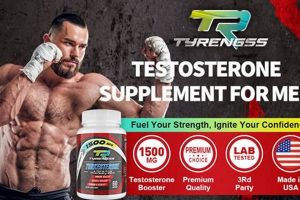
Products marketed to address erectile dysfunction that contain ingredients derived from plants are available in various forms, including pills, powders, and teas. These formulations often include single herbs or mixtures and are typically sold as alternatives to conventional pharmaceutical interventions. For instance, a product containing ginseng and marketed to enhance male sexual function would fall under this category.
The perceived advantages of using plant-derived remedies for this condition stem from their purported natural origin and potentially fewer side effects compared to prescription medications. Historically, many cultures have relied on traditional herbal medicine to address sexual health concerns. However, rigorous scientific evaluation is necessary to substantiate claims of efficacy and safety associated with these products.
The following sections will delve into the specific ingredients commonly found in these products, the existing research on their effectiveness, potential risks and interactions, and the regulatory landscape governing their sale and marketing.
Guidance on Plant-Derived Products Marketed for Erectile Dysfunction
Individuals considering the use of plant-based remedies for erectile dysfunction should proceed with caution and a thorough understanding of the potential benefits and risks. Due diligence is essential before incorporating these products into a health regimen.
Tip 1: Consult a Healthcare Professional: Prior to using any plant-based remedy, a discussion with a physician or qualified healthcare provider is crucial. This consultation allows for a comprehensive evaluation of overall health, potential drug interactions, and the appropriateness of the chosen remedy.
Tip 2: Research Ingredients Thoroughly: Investigate the scientific evidence supporting the efficacy of each individual ingredient within the chosen product. Look for peer-reviewed studies examining the specific plant extract and its effect on erectile function. Avoid products that rely solely on anecdotal evidence or unsubstantiated claims.
Tip 3: Verify Product Quality: Select products from reputable manufacturers who adhere to Good Manufacturing Practices (GMP). Look for third-party certifications that verify the product’s purity, potency, and absence of contaminants. Be wary of products with vague ingredient lists or those sourced from questionable origins.
Tip 4: Be Aware of Potential Interactions: Plant-derived remedies can interact with prescription medications, over-the-counter drugs, and other supplements. Inform the healthcare provider of all substances being consumed to avoid adverse interactions. Some ingredients may affect blood pressure, blood clotting, or other critical bodily functions.
Tip 5: Monitor for Side Effects: Pay close attention to any changes in health status after starting a plant-based remedy. Discontinue use and seek medical attention if any adverse effects occur, such as allergic reactions, digestive upset, or cardiovascular symptoms. Not all “natural” remedies are inherently safe.
Tip 6: Understand Dosage Guidelines: Adhere strictly to the recommended dosage on the product label or as advised by a healthcare professional. Exceeding the recommended dose does not necessarily increase efficacy and may elevate the risk of adverse effects.
Tip 7: Recognize Limitations: Plant-derived remedies may not be a suitable solution for all cases of erectile dysfunction. If the underlying cause is primarily psychological or related to a serious medical condition, conventional treatment options may be necessary. Consider plant-based remedies as a potential adjunct to, but not a replacement for, established medical care.
Adherence to these guidelines promotes informed decision-making and minimizes the potential for harm when considering the use of products that contain ingredients derived from plants, marketed for erectile dysfunction.
The following section will conclude the discussion with a summary of key considerations and future research directions.
1. Efficacy Evidence

The availability of robust efficacy evidence is a critical determinant of the responsible and informed use of plant-derived products marketed for erectile dysfunction. Unlike pharmaceutical drugs, these remedies frequently lack the extensive clinical trials required to definitively establish their therapeutic effects. This absence of conclusive data necessitates a cautious approach when considering these alternatives.
The limited scientific support for the efficacy of many ingredients found in plant-based ED products raises concerns about their actual benefit. While anecdotal reports and traditional use may suggest positive effects, these are not substitutes for controlled clinical studies. For example, a product may claim to contain a potent aphrodisiac based on historical use, yet lack modern research to validate its effectiveness. The practical significance is that consumers may spend money on ineffective treatments, potentially delaying or foregoing more appropriate medical care.
In summary, the scarcity of rigorous efficacy evidence poses a significant challenge for individuals evaluating plant-derived remedies for erectile dysfunction. Without sound scientific data, the true benefits of these products remain uncertain, emphasizing the need for critical assessment and consultation with healthcare professionals.
2. Safety Profiles

The safety profiles of products marketed to address erectile dysfunction, and containing ingredients derived from plants, represent a critical consideration due to the potential for adverse effects and interactions. These products are not subject to the same rigorous evaluation as prescription medications, creating an increased need for consumer awareness. The presence of undisclosed ingredients, contaminants, or variations in potency can lead to unforeseen health consequences. For example, a product labeled as containing only natural ingredients might be adulterated with synthetic phosphodiesterase-5 (PDE5) inhibitors, which can cause significant cardiovascular events in susceptible individuals. The absence of thorough safety testing necessitates careful evaluation.
Consequences of inadequate safety profiles extend to potential interactions with existing medications or underlying health conditions. Some plant-derived ingredients can affect blood pressure, blood clotting, or liver function, leading to complications when combined with other pharmaceuticals. An individual taking anticoagulants, for instance, may experience an increased risk of bleeding when using a product containing high doses of Ginkgo biloba. Understanding these potential interactions is paramount for preventing adverse outcomes. Moreover, the lack of standardized manufacturing processes for these products raises further concerns about their composition and consistency, thereby impacting their overall safety.
In summary, evaluating the safety profiles of products marketed for erectile dysfunction that contain plant-derived ingredients demands a multifaceted approach. Individuals should be aware of potential adulteration, interactions, and the absence of comprehensive safety testing. Consultation with a healthcare professional, coupled with careful scrutiny of product labeling and sourcing, is critical for minimizing risks and making informed decisions. The need for more stringent regulatory oversight and standardized quality control measures remains a key challenge in ensuring the safety of these products.
3. Ingredient Sourcing

The origin and procurement methods of ingredients used in products marketed for erectile dysfunction are critical determinants of product quality, safety, and efficacy. The geographic location, cultivation practices, and harvesting techniques employed directly impact the active compound concentration and potential contamination levels in these supplements. For example, a Tribulus terrestris extract sourced from a region with poor soil quality may contain lower levels of the steroidal saponins believed to be responsible for its purported benefits, compared to an extract from a region with optimal growing conditions. This variability directly affects the product’s therapeutic potential.
Moreover, unethical or unsustainable sourcing practices can lead to the use of adulterated or misidentified plant materials. This not only compromises product quality but also poses a risk to consumer safety. An instance of this is the substitution of authentic Panax ginseng with cheaper, less effective alternatives. Additionally, some sourcing regions may lack adequate quality control measures, leading to the presence of heavy metals, pesticides, or other harmful substances in the final product. Therefore, transparency regarding the origin and processing of ingredients is essential for ensuring both the effectiveness and safety of plant-derived remedies marketed for erectile dysfunction.
In conclusion, ingredient sourcing represents a fundamental aspect of the value chain for plant-derived erectile dysfunction products. Prioritizing ethical, sustainable, and quality-controlled sourcing practices is paramount for safeguarding consumer health and ensuring the integrity of these supplements. Challenges remain in establishing global standards and ensuring supply chain transparency, but these efforts are critical for promoting responsible and effective use of plant-based remedies for erectile dysfunction.
4. Dosage Accuracy

Dosage accuracy in products marketed for erectile dysfunction, and that contain ingredients derived from plants, is of paramount importance due to the potential for both inefficacy and adverse effects. Unlike regulated pharmaceuticals with standardized dosages, many plant-derived remedies exhibit significant variability in the concentration of active constituents. This inconsistency arises from factors such as plant genetics, environmental conditions, harvesting methods, and extraction processes. As a result, the actual amount of the active compound in a given dose may differ substantially from the quantity stated on the product label. This variability creates a direct risk of consumers taking either sub-therapeutic doses, which fail to provide the intended benefit, or excessive doses, which can lead to toxicity or adverse interactions with other medications.
The lack of standardized dosages is particularly problematic given that many plant-derived ingredients have a narrow therapeutic window. For example, yohimbine, an alpha-2 adrenergic antagonist often promoted for erectile dysfunction, can cause anxiety, hypertension, and arrhythmias at doses only slightly above the recommended level. The inherent uncertainty in dosage accuracy exacerbates this risk, potentially leading to serious health consequences. Furthermore, the synergistic or antagonistic effects of multiple ingredients in multi-herb formulations are often poorly understood, making it even more difficult to predict the overall impact of a specific dose. The practical significance of this understanding lies in the need for consumers to exercise extreme caution and consult with healthcare professionals before using plant-derived ED products.
In conclusion, dosage accuracy is a critical yet often overlooked aspect of plant-derived remedies marketed for erectile dysfunction. The inherent variability in ingredient concentrations and the lack of standardized dosages create significant risks for consumers. Addressing this issue requires enhanced quality control measures, transparent labeling practices, and greater awareness among both consumers and healthcare providers regarding the potential hazards associated with inaccurate dosing. The establishment of robust standards for dosage accuracy is essential for ensuring the safe and effective use of these products.
5. Regulatory Oversight

The sphere of plant-derived remedies marketed for erectile dysfunction operates within a complex regulatory landscape characterized by inconsistencies and gaps in enforcement. Unlike prescription pharmaceuticals, these products often fall under less stringent regulations, leading to significant variations in quality, safety, and labeling accuracy. The absence of rigorous pre-market approval processes for plant-derived ingredients allows manufacturers to introduce products without demonstrating proven efficacy or conducting comprehensive safety evaluations. This lack of oversight creates a potential risk for consumers, who may be exposed to ineffective or even harmful substances.
This laxity in regulatory enforcement can enable the proliferation of adulterated products containing undisclosed pharmaceutical ingredients, such as PDE5 inhibitors. For instance, regulatory agencies have identified numerous products marketed as herbal supplements for erectile dysfunction that contained undeclared sildenafil or tadalafil, the active ingredients in prescription ED medications. This adulteration poses severe health risks, particularly for individuals with underlying cardiovascular conditions or those taking nitrate-based medications. Furthermore, the absence of standardized manufacturing practices results in inconsistent product quality and dosage accuracy, undermining the intended therapeutic effects and potentially leading to adverse events.
In summary, strengthened regulatory oversight is essential for ensuring the safety, efficacy, and accurate labeling of herbal supplements for erectile dysfunction. Increased monitoring of manufacturing practices, rigorous testing for adulteration, and the establishment of clear guidelines for ingredient sourcing and dosage are crucial steps to protect consumers. The absence of effective regulation not only compromises public health but also erodes confidence in the legitimacy of the plant-derived remedy market. A more robust regulatory framework is necessary to ensure that consumers can make informed decisions and have access to safe and effective alternatives for managing erectile dysfunction.
6. Interaction Potential

The interaction potential inherent in plant-derived remedies marketed for erectile dysfunction represents a significant concern due to the possibility of adverse effects when these products are combined with prescription medications, over-the-counter drugs, or even other supplements. The complex chemical constituents found in many herbs can influence various metabolic pathways, potentially altering the absorption, distribution, metabolism, or excretion of other substances. This can result in either diminished effectiveness of prescribed medications or amplified adverse effects, both of which pose a risk to patient health.
For example, St. John’s Wort, an herb sometimes included in formulations for its purported mood-enhancing effects, is a known inducer of cytochrome P450 enzymes, which are responsible for metabolizing a wide range of drugs. This induction can lead to reduced plasma concentrations of medications such as warfarin, oral contraceptives, and certain antidepressants, potentially resulting in therapeutic failure. Similarly, some plant-derived ingredients may have additive effects with prescription medications, such as blood thinners or antihypertensives, increasing the risk of bleeding or hypotension. Given that erectile dysfunction may be associated with underlying cardiovascular conditions or diabetes, individuals using these remedies are more likely to be taking prescription medications, thereby increasing the likelihood of clinically significant interactions.
In summary, an awareness of interaction potential is crucial for patients considering plant-derived remedies marketed for erectile dysfunction. The variable composition of these products, coupled with the complex pharmacology of herbal ingredients, necessitates careful consideration of potential drug interactions. Consultation with a healthcare professional is essential to assess individual risk factors, evaluate potential interactions, and ensure the safe and effective use of both prescription medications and plant-derived remedies. A comprehensive understanding of the interaction potential minimizes the risk of adverse events and promotes optimal patient outcomes.
Frequently Asked Questions About ED Herbal Supplements
This section addresses prevalent inquiries regarding the use of plant-derived remedies marketed for erectile dysfunction. The information provided aims to clarify common misconceptions and offer balanced insights into this complex topic.
Question 1: Are ED herbal supplements a safe alternative to prescription medications?
The safety of plant-derived products marketed for erectile dysfunction is not uniformly established. While some ingredients may have a long history of traditional use, rigorous scientific evaluation of their safety profiles is often lacking. Furthermore, the potential for product adulteration with undisclosed pharmaceutical ingredients poses a significant risk. Prescription medications undergo extensive testing and are subject to strict regulatory oversight, offering a higher degree of safety assurance.
Question 2: Do ED herbal supplements require a prescription?
Plant-derived products marketed for erectile dysfunction are generally available without a prescription. However, this accessibility does not imply inherent safety or efficacy. The absence of a prescription requirement underscores the importance of consulting with a healthcare professional prior to use, to evaluate potential risks and interactions with existing medications.
Question 3: Can ED herbal supplements interact with other medications?
Plant-derived ingredients can interact with prescription drugs, over-the-counter medications, and other supplements. These interactions may alter the effectiveness of medications or increase the risk of adverse effects. It is crucial to inform healthcare providers of all substances being consumed to avoid potentially harmful interactions.
Question 4: Are there any guaranteed ways to verify the quality and purity of ED herbal supplements?
Complete assurance of quality and purity is difficult to obtain. However, selecting products from reputable manufacturers who adhere to Good Manufacturing Practices (GMP) and obtain third-party certifications can help mitigate the risk of adulteration or contamination. Thoroughly researching the manufacturer and scrutinizing product labels are essential steps.
Question 5: How long do ED herbal supplements take to produce noticeable effects?
The time required for plant-derived products to produce noticeable effects can vary significantly depending on the individual, the specific ingredients, and the dosage. In many cases, clinical evidence supporting the efficacy of these products is limited, making it difficult to predict their effectiveness or onset of action. Some individuals may experience no noticeable effects at all.
Question 6: Are all the ingredients in ED herbal supplements clearly listed on the label?
Accurate and complete labeling is not always guaranteed. Some products may contain undisclosed ingredients or fail to specify the precise quantities of each ingredient. This lack of transparency creates a significant challenge for consumers attempting to make informed decisions.
This FAQ section underscores the complexities associated with plant-derived products marketed for erectile dysfunction. Individuals should exercise caution and prioritize consultation with qualified healthcare professionals before using these remedies.
The following section will provide a conclusion summarizing the key considerations discussed throughout this document.
Conclusion
This article has explored the multifaceted nature of products marketed for erectile dysfunction containing ingredients derived from plants. Key considerations include the variability in efficacy evidence, potential safety concerns arising from adulteration or interactions, and the limited regulatory oversight governing these products. Ingredient sourcing and dosage accuracy also contribute to the complexities surrounding their use.
In light of the challenges and uncertainties associated with these products, a cautious and informed approach is warranted. Individuals considering their use should prioritize consultation with healthcare professionals, conduct thorough research, and exercise vigilance in product selection. Further rigorous scientific investigation and strengthened regulatory standards are needed to ensure the safety and effectiveness of plant-derived remedies marketed for erectile dysfunction.