Imbalances in hormone levels, particularly androgens, can trigger acne development, especially in women. Certain botanical treatments are sometimes explored as a possible alternative or complementary approach to managing this skin condition. These natural substances are derived from plants and are believed by some to address the underlying hormonal factors contributing to breakouts and inflammation.
The potential benefits of employing such plant-derived options include a perceived lower risk of side effects compared to conventional medications, along with an alignment with preferences for natural or holistic healthcare strategies. Historically, various cultures have used herbal preparations for skin ailments, suggesting a long-standing belief in their therapeutic properties. However, scientific evidence supporting the efficacy of these treatments for hormone-related acne can vary, and the degree of effectiveness may not be the same across individuals.
The subsequent sections will examine specific botanical substances frequently cited in connection with alleviating hormone-related skin eruptions. Considerations related to the safety profile, possible interactions with other medications, and the necessity of consulting with qualified healthcare professionals prior to initiation of any new treatment are further discussed.
Guidance on Botanical Approaches for Hormone-Related Skin Eruptions
The following provides guidance regarding the integration of plant-based treatments into a regimen for hormone-mediated acne. Adherence to these suggestions may support safe and responsible exploration of such options.
Tip 1: Conduct Thorough Research: Before initiating any treatment, it is imperative to research individual botanical ingredients. Examine their reported mechanism of action, potential benefits, and identified risks through reputable sources such as peer-reviewed scientific studies and established herbal medicine databases.
Tip 2: Consult with a Qualified Healthcare Professional: Prior to incorporating any novel substance, engage in a consultation with a dermatologist, endocrinologist, or experienced herbalist. This allows for personalized assessment of individual health status, potential interactions with existing medications, and contraindications related to pre-existing conditions.
Tip 3: Start with Low Concentrations: When introducing a topical botanical product, begin with a low concentration of the active ingredient. Monitor skin response for any signs of irritation, allergic reaction, or exacerbation of acne. Gradual titration of concentration, if tolerated, may be considered.
Tip 4: Prioritize Standardization and Quality: When selecting botanical supplements, opt for products that are standardized to contain a consistent level of active compounds. Seek out reputable manufacturers that adhere to Good Manufacturing Practices (GMP) to ensure product purity and potency.
Tip 5: Monitor Hormonal Balance: While some botanicals are suggested to influence hormone levels, periodic monitoring through laboratory testing may be advisable. Evaluate levels of relevant hormones, such as androgens and estrogens, to assess treatment efficacy and potential unintended hormonal shifts.
Tip 6: Practice Patience and Consistency: Botanical treatments may require a longer duration of use to observe noticeable improvements compared to conventional medications. Maintain consistent application or ingestion as directed by a healthcare provider, and allow sufficient time for the substance to exert its potential effects.
Tip 7: Maintain a Holistic Approach: Integrating botanicals should complement a comprehensive acne management strategy. This includes maintaining a balanced diet, practicing stress reduction techniques, ensuring adequate sleep, and adhering to a consistent skincare routine that involves gentle cleansing and non-comedogenic products.
Adherence to these tips can help ensure a measured and responsible exploration of botanicals as an adjunct to conventional acne treatment, facilitating informed decision-making regarding their potential benefits and limitations.
The subsequent sections will delve into potential risks and side effects associated with the use of certain substances.
1. Hormonal Modulation

Hormonal modulation, in the context of botanical treatments for hormone-related acne, refers to the ability of certain herbal substances to influence endocrine system function. This modulation is proposed to occur through various mechanisms, including direct interaction with hormone receptors or indirect effects on hormone synthesis and metabolism. The use of plant-derived compounds for such modulation is predicated on the premise that regulating hormone levels may alleviate the underlying causes of this type of acne.
- Phytoestrogens and Estrogen Receptor Activity
Certain plants contain compounds known as phytoestrogens, which possess structural similarities to endogenous estrogens. These substances can bind to estrogen receptors, potentially exerting either estrogenic or anti-estrogenic effects depending on the tissue and receptor subtype. In the context of acne, phytoestrogens are theorized to counteract the influence of androgens, which are primary drivers of sebum production. For example, soy-derived isoflavones, a class of phytoestrogens, are sometimes suggested to mitigate acne in women experiencing hormonal fluctuations, although the evidence remains inconclusive.
- Impact on Androgen Production and Metabolism
Some herbal remedies are purported to influence androgen production or metabolism. For instance, saw palmetto extract is hypothesized to inhibit the enzyme 5-alpha-reductase, responsible for converting testosterone to dihydrotestosterone (DHT), a more potent androgen. By reducing DHT levels, saw palmetto may potentially reduce sebum production and alleviate acne. However, robust clinical trials validating these effects in the context of acne are limited.
- Influence on the Hypothalamic-Pituitary-Adrenal (HPA) Axis
The HPA axis plays a central role in regulating hormone production, and stress can significantly impact its function, exacerbating hormonal imbalances and acne. Adaptogenic herbs, such as ashwagandha, are proposed to modulate the HPA axis, potentially reducing stress-induced hormonal fluctuations. By stabilizing the HPA axis, these substances are thought to indirectly improve hormone-related acne, though specific evidence for this mechanism is still developing.
- Effects on Insulin Sensitivity and Blood Sugar Control
Insulin resistance and elevated blood sugar levels can contribute to hormonal imbalances, particularly increased androgen production. Certain herbs, such as cinnamon, are suggested to improve insulin sensitivity and regulate blood sugar. By optimizing insulin function, these botanicals may indirectly mitigate acne by addressing a contributing factor to hormonal dysregulation, although the direct link between cinnamon and acne reduction requires further substantiation.
The modulation of hormone pathways via plant-derived compounds remains an area of ongoing investigation. While some substances show promise based on preliminary research and traditional use, definitive evidence supporting their efficacy in treating hormone-related acne is often limited. Furthermore, potential risks and interactions must be carefully considered, highlighting the importance of professional guidance in integrating botanical treatments into a comprehensive acne management plan.
2. Inflammation Reduction
Inflammation is a central component in the pathogenesis of acne vulgaris, particularly in the context of hormone-driven breakouts. Elevated androgen levels stimulate sebum production and alter the skin’s microenvironment, fostering the proliferation of Cutibacterium acnes bacteria. The immune response to this bacterial overgrowth and the presence of sebum components triggers a cascade of inflammatory events, resulting in the characteristic lesions of acne. Certain botanicals are explored for their potential to mitigate this inflammation, offering a possible avenue for acne management.
- Inhibition of Pro-inflammatory Cytokine Production
Many plant-derived compounds possess the ability to suppress the production of pro-inflammatory cytokines such as interleukin-1 (IL-1), tumor necrosis factor-alpha (TNF-), and interleukin-8 (IL-8). These cytokines are crucial mediators of the inflammatory response in acne lesions. For example, green tea extract, rich in polyphenols like epigallocatechin gallate (EGCG), has demonstrated the capacity to inhibit the expression and release of these cytokines in vitro and in vivo. By reducing cytokine activity, botanical agents may decrease the redness, swelling, and pain associated with inflammatory acne lesions.
- Modulation of Inflammatory Pathways
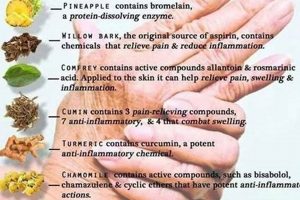
Inflammation is regulated by complex intracellular signaling pathways, including the nuclear factor-kappa B (NF-B) and mitogen-activated protein kinase (MAPK) pathways. Certain botanicals can interfere with these pathways, thereby dampening the overall inflammatory response. Turmeric, containing the active compound curcumin, is an example of an agent that can inhibit NF-B activation. By blocking this pathway, curcumin may reduce the expression of genes involved in inflammation, leading to a reduction in acne-related inflammation. However, bioavailability challenges with curcumin limit its clinical efficacy when administered orally or topically.
- Antioxidant Activity and Reactive Oxygen Species Scavenging
Oxidative stress, characterized by an imbalance between reactive oxygen species (ROS) production and antioxidant defenses, can exacerbate inflammation in acne. Botanicals with antioxidant properties can neutralize ROS, preventing oxidative damage to skin cells and reducing inflammatory signaling. Resveratrol, found in grapes and other plants, is a potent antioxidant that can scavenge free radicals and protect against oxidative stress. By mitigating oxidative stress, resveratrol may contribute to a reduction in acne-related inflammation.
- Lipoxygenase (LOX) and Cyclooxygenase (COX) Inhibition
LOX and COX are enzymes involved in the synthesis of inflammatory mediators like leukotrienes and prostaglandins, respectively. Inhibition of these enzymes can reduce the production of these mediators, thereby decreasing inflammation. Willow bark extract, containing salicin (a precursor to salicylic acid), can inhibit COX enzymes, similar to nonsteroidal anti-inflammatory drugs (NSAIDs). By blocking COX activity, willow bark extract may alleviate inflammation associated with acne lesions. However, topical application is usually required for localized effect.
The utilization of botanicals for inflammation reduction in hormone-mediated acne represents a potential adjunctive therapeutic strategy. While in vitro and preclinical studies suggest that certain plant-derived compounds possess anti-inflammatory properties, rigorous clinical trials are often lacking to confirm their efficacy in treating acne. The effectiveness of these agents may also depend on factors such as dosage, formulation, and individual patient characteristics. Therefore, caution and consultation with healthcare professionals are essential when considering botanicals as part of an acne management regimen.
3. Antimicrobial Properties

The proliferation of Cutibacterium acnes (formerly Propionibacterium acnes) within sebaceous follicles is a significant factor in the development of acne vulgaris. Hormonal fluctuations, specifically increased androgen levels, stimulate sebum production, creating an environment conducive to bacterial growth. The subsequent inflammatory response to C. acnes contributes to the formation of papules, pustules, and nodules characteristic of acne. Consequently, antimicrobial properties within botanical treatments represent a critical component of interventions aimed at managing acne influenced by hormonal factors. Certain herbs contain compounds that demonstrate an ability to inhibit the growth or directly eliminate C. acnes, thereby reducing the inflammatory cascade. Examples include tea tree oil, which contains terpinen-4-ol, known for its broad-spectrum antimicrobial activity, and oregano oil, rich in carvacrol, which exhibits potent antibacterial effects. The practical significance lies in the potential to reduce bacterial load and subsequent inflammation without the use of conventional antibiotics, mitigating the risk of antibiotic resistance.
However, the efficacy of these herbal antimicrobials can vary significantly based on factors such as concentration, formulation, and the specific strain of C. acnes present. Some studies have demonstrated promising results in vitro, but clinical trials often show mixed outcomes. For instance, while tea tree oil has been shown to reduce acne lesions in some individuals, the effects may not be as pronounced as those achieved with conventional benzoyl peroxide. Furthermore, the potential for skin irritation or allergic reactions must be considered, particularly with concentrated essential oils. Safe and effective application requires careful dilution and monitoring for adverse effects. The interaction between antimicrobial properties and other mechanisms, such as anti-inflammatory effects, also warrants further investigation to optimize therapeutic benefits.
In summary, the presence of antimicrobial properties in botanical treatments is a relevant consideration for managing hormone-related acne due to the role of C. acnes in lesion development. While certain herbs demonstrate antibacterial activity, challenges remain in optimizing their delivery, ensuring consistent potency, and validating their efficacy through rigorous clinical trials. A comprehensive approach that integrates antimicrobial herbs with other strategies, such as hormonal regulation and inflammation reduction, may offer the most effective outcome. The selection of specific botanicals and their application should be guided by professional advice to minimize risks and maximize potential benefits.
4. Skin Barrier Support

Maintenance of the skin barrier function is critical in mitigating acne, particularly when influenced by hormonal fluctuations. The skin barrier, composed of the stratum corneum and underlying lipid matrix, serves as a protective shield against external irritants, pathogens, and transepidermal water loss. Disruption of this barrier can exacerbate acne by increasing susceptibility to inflammation and bacterial colonization, thereby intensifying lesion formation. Botanical treatments can offer a potential avenue for reinforcing barrier integrity and enhancing skin resilience in individuals with hormone-mediated acne.
- Ceramide Enhancement
Ceramides, essential lipids within the stratum corneum, play a pivotal role in maintaining barrier structure and hydration. Certain botanical extracts stimulate ceramide synthesis, bolstering the lipid matrix and enhancing barrier function. For example, extracts from plants like oats or borage seed oil contain compounds that can promote ceramide production, leading to improved skin hydration and reduced transepidermal water loss. In the context of hormone-related acne, such enhancement can offset the drying effects of some anti-acne treatments and improve overall skin health.
- Occlusive and Emollient Properties
Botanical oils and butters possess occlusive and emollient properties that contribute to barrier repair. Occlusives form a protective layer on the skin surface, preventing water loss, while emollients fill in gaps between skin cells, smoothing the skin texture. Substances like shea butter, jojoba oil, and sunflower seed oil contain fatty acids and other lipids that mimic the skin’s natural oils, supporting barrier integrity. For individuals with acne-prone skin, non-comedogenic oils like jojoba can provide hydration without exacerbating breakouts.
- Antioxidant Protection Against Environmental Stressors
The skin barrier is vulnerable to damage from environmental stressors such as UV radiation, pollution, and oxidative stress. Antioxidant-rich botanical extracts protect the barrier from these stressors, preventing lipid peroxidation and maintaining barrier integrity. Green tea extract, rich in polyphenols, and vitamin E oil derived from plant sources can neutralize free radicals and reduce oxidative damage. In hormone-related acne, where inflammation is a key factor, antioxidant protection can contribute to a healthier skin barrier and reduced lesion formation.
- Regulation of Skin pH
Maintaining an optimal skin pH, typically slightly acidic (around 5.5), is crucial for barrier function. Disruption of pH can compromise the activity of enzymes involved in lipid synthesis and barrier maintenance. Certain botanical extracts, such as those from apple cider vinegar or lactic acid-producing bacteria, can help regulate skin pH, promoting a healthy barrier environment. Balanced pH supports the skin’s natural defenses and enhances the effectiveness of other skincare ingredients.
The strategic incorporation of botanicals to support the skin barrier represents a holistic approach to managing hormone-mediated acne. By enhancing ceramide production, providing occlusive and emollient properties, offering antioxidant protection, and regulating skin pH, these treatments can improve skin resilience and reduce the severity of acne lesions. However, careful selection of non-comedogenic ingredients and monitoring for potential irritations are essential to ensure optimal outcomes.
5. Standardization Challenges

Botanical substances marketed as treatments for hormone-related acne face substantial standardization challenges, impacting product consistency and therapeutic reliability. These challenges arise from inherent variability in plant composition and processing methods, making it difficult to ensure uniform potency and purity across different batches or brands. This inconsistency undermines the potential benefits and creates complexities in evaluating efficacy and safety.
- Variability in Plant Source and Growing Conditions
The chemical composition of a plant is influenced by factors such as geographic location, soil quality, climate, and harvesting time. These variables can lead to significant differences in the concentrations of active compounds within the same plant species. For example, the level of salicylic acid in willow bark can vary substantially depending on the tree’s origin and environmental conditions. This inherent variability makes it challenging to establish standardized extraction and manufacturing processes, leading to inconsistencies in the final product and rendering dose comparisons problematic.
- Lack of Uniform Extraction and Processing Methods
The methods used to extract and process botanical materials can significantly impact the yield and stability of active compounds. Differences in solvent selection, extraction temperature, and processing time can alter the chemical profile of the final product. Certain extraction methods may selectively isolate specific compounds while leaving others behind, resulting in a product that differs from the intended composition. The absence of standardized extraction protocols contributes to batch-to-batch variability and undermines the ability to ensure consistent therapeutic effects.
- Difficulties in Identifying and Quantifying Active Compounds
Many botanical substances contain multiple active compounds, and identifying and quantifying each one can be complex. Analytical methods such as high-performance liquid chromatography (HPLC) and gas chromatography-mass spectrometry (GC-MS) are used to determine the concentration of specific compounds, but these methods require specialized expertise and equipment. In some cases, the specific compounds responsible for the therapeutic effects are not fully characterized, making it difficult to establish quality control standards. This lack of precise analytical capabilities contributes to inconsistencies in product quality and efficacy.
- Absence of Regulatory Oversight and Quality Control Standards
The regulation of botanical supplements varies widely across different countries, and in many jurisdictions, there is limited regulatory oversight. This lack of stringent quality control standards allows for the production and marketing of products that may not meet label claims or contain contaminants. The absence of independent testing and certification programs further exacerbates the problem. Without regulatory enforcement, consumers may be exposed to products of questionable quality, undermining confidence in the use of botanical treatments for hormone-related acne.
These standardization challenges underscore the complexities in utilizing botanical substances for hormone-related acne. Addressing these issues requires greater investment in research to identify active compounds, develop standardized extraction and processing methods, and establish robust quality control standards. Until these challenges are adequately addressed, the therapeutic potential of botanical treatments for hormone-related acne will remain limited by inconsistencies in product quality and reliability.
6. Individualized Response
The efficacy of botanical treatments for hormone-related acne is significantly influenced by the individual’s unique physiological characteristics. Response variability stems from differences in hormone metabolism, receptor sensitivity, genetic predispositions, and the composition of the skin microbiome. Consequently, a “one-size-fits-all” approach is ill-advised; the selection and administration of herbal interventions necessitate careful consideration of individual factors to maximize potential benefits and minimize adverse effects. For example, an individual with high androgen sensitivity might require a different botanical approach compared to someone experiencing estrogen dominance. Failure to account for these individual differences can lead to suboptimal outcomes or even exacerbate existing conditions.
Real-world examples illustrate the importance of this individualized approach. One individual might experience significant improvement with tea tree oil due to its antimicrobial properties and anti-inflammatory effects, while another might develop contact dermatitis, negating any potential benefits. Similarly, an herbal supplement aimed at modulating hormone levels might be effective for one person but cause unintended side effects in another due to differences in hormone metabolism or interactions with existing medications. The practical significance lies in the recognition that a thorough assessment of individual health history, hormone profiles, and potential sensitivities is essential before initiating any herbal treatment for hormonal acne.
In summary, individualized response constitutes a critical element in the effective utilization of botanical remedies for hormone-related acne. The inherent variability in physiological parameters necessitates a tailored approach that considers individual needs and predispositions. Ignoring this fundamental aspect can undermine treatment efficacy and potentially lead to adverse outcomes. Future research should focus on identifying biomarkers that predict individual responses to specific botanical interventions, enabling more precise and personalized treatment strategies.
Frequently Asked Questions
The following addresses frequently asked questions concerning the utilization of botanical remedies for the management of acne influenced by hormonal factors. These questions aim to provide clarity on various aspects of these treatment modalities.
Question 1: Are botanical remedies a suitable replacement for conventional acne treatments?
Botanical remedies may serve as complementary or adjunctive therapies, but they are generally not considered a direct replacement for established conventional treatments, such as retinoids or antibiotics. The efficacy of herbal interventions can vary, and scientific evidence supporting their use may be less robust compared to that of conventional medications. Consultation with a dermatologist is essential to determine the most appropriate treatment strategy.
Question 2: What are the most commonly used botanical ingredients for hormone-related acne?
Frequently cited botanical ingredients include tea tree oil, known for its antimicrobial properties; saw palmetto, believed to influence androgen levels; and various anti-inflammatory herbs, such as turmeric and green tea extract. However, the specific choice of botanical should be guided by individual factors and professional advice.
Question 3: What potential risks or side effects are associated with botanical acne treatments?
Potential risks include allergic reactions, skin irritation, and interactions with other medications. Certain herbs may also affect hormone levels, leading to unintended consequences. It is crucial to conduct thorough research and consult with a healthcare provider before initiating any botanical treatment.
Question 4: How long does it take to see results from botanical acne remedies?
The time required to observe noticeable improvements can vary. Botanical treatments may require a longer duration of use compared to conventional medications. Patience and consistency are essential, and realistic expectations should be maintained.
Question 5: Are botanical remedies safe for pregnant or breastfeeding individuals?
The safety of botanical remedies during pregnancy and breastfeeding is not always well-established. Many herbs are contraindicated during these periods due to potential risks to the developing fetus or infant. Consultation with a qualified healthcare professional is essential to ensure safety.
Question 6: How can one ensure the quality and purity of botanical acne products?
Selecting products from reputable manufacturers that adhere to Good Manufacturing Practices (GMP) is crucial. Look for standardized extracts and third-party testing to verify the authenticity and potency of the ingredients.
In summary, while botanical approaches may offer potential benefits for managing hormone-related acne, they should be approached with caution and integrated into a comprehensive treatment plan under the guidance of qualified healthcare professionals. Thorough research, realistic expectations, and attention to individual factors are essential for safe and effective use.
The subsequent sections will address considerations for integrating such approaches.
Hormonal Acne Herbal Remedies
This exploration of botanical interventions for hormone-related acne reveals a complex landscape. While certain plant-derived substances exhibit promising mechanisms of action, including hormonal modulation, inflammation reduction, and antimicrobial properties, substantial challenges remain. Issues of standardization, individual variability, and limited clinical evidence necessitate a measured approach. The unqualified substitution of conventional therapies with plant-based alternatives is inadvisable, given the potential for inconsistent outcomes and unforeseen adverse effects.
The responsible integration of botanical approaches into acne management requires rigorous scientific investigation, standardized manufacturing practices, and individualized treatment strategies guided by qualified healthcare professionals. Further research is essential to elucidate the specific mechanisms, optimal dosages, and long-term safety profiles of these interventions. Until such data are available, a prudent and informed approach, prioritizing patient safety and well-being, must remain paramount.