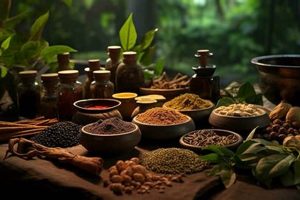
The use of plant-derived remedies to address conditions affecting the male reproductive gland represents a significant area of interest within complementary and alternative medicine. This approach focuses on mitigating symptoms and potentially influencing the progression of ailments that impact the prostate gland’s health and function.
Historically, various cultures have employed botanical preparations to manage urinary difficulties, discomfort, and other indicators of compromised prostatic well-being. Advocates suggest these treatments offer a more naturalistic avenue for supporting prostate health, often citing fewer reported side effects compared to conventional pharmaceutical interventions.
Subsequent sections will delve into specific plants commonly associated with prostate support, examine existing scientific evidence regarding their efficacy, and discuss potential risks and interactions. A thorough understanding of these elements is essential for informed decision-making regarding integrative approaches to prostate care.
Guidance on Natural Approaches to Prostate Well-being
The following points offer insights into utilizing plant-based options to support the health of the prostate. It is crucial to acknowledge that these suggestions are for informational purposes only and do not substitute consultation with a qualified healthcare professional.
Tip 1: Prioritize Saw Palmetto Extracts. Saw palmetto has demonstrated some efficacy in alleviating lower urinary tract symptoms associated with benign prostatic hyperplasia. Standardized extracts are preferable, and dosage should align with research-supported guidelines.
Tip 2: Incorporate Lycopene-Rich Foods. Lycopene, a carotenoid found in tomatoes and other red fruits, exhibits antioxidant properties. Regular consumption of lycopene-rich foods may contribute to overall prostate health.
Tip 3: Explore the Potential of Pygeum Africanum. Extracts from the bark of Pygeum africanum have traditionally been used to address prostate enlargement. Research suggests it may improve urinary flow and reduce nighttime urination.
Tip 4: Consider Stinging Nettle Root. Stinging nettle root is often combined with saw palmetto. Its properties may contribute to symptom relief associated with an enlarged prostate.
Tip 5: Maintain a Balanced Diet and Hydration. A diet rich in fruits, vegetables, and whole grains, coupled with adequate hydration, supports overall health, including prostate function.
Tip 6: Engage in Regular Physical Activity. Consistent exercise promotes healthy circulation and may indirectly benefit prostate health.
Tip 7: Limit Alcohol and Caffeine Intake. Excessive consumption of alcohol and caffeine can irritate the bladder and exacerbate urinary symptoms.
Adherence to these recommendations, in conjunction with professional medical advice, may promote prostate well-being and assist in managing associated conditions.
The subsequent section will provide more information about when to seek medical attention.
1. Botanical Identification

Accurate botanical identification forms the bedrock of safe and effective herbal interventions for prostate ailments. Misidentification of a plant species can lead to the use of ineffective remedies, or, more seriously, the ingestion of toxic substances. For example, while Serenoa repens (saw palmetto) is commonly employed for benign prostatic hyperplasia, substituting it with a similar-looking, but therapeutically inactive, plant renders the intended treatment futile. Furthermore, some plants contain compounds that may exacerbate existing conditions or interact negatively with prescribed medications.
The consequences of inaccurate identification extend beyond individual harm. Reputational damage to the field of herbal medicine can occur if products are found to be adulterated or mislabeled. Established herbal pharmacies and practitioners utilize rigorous quality control measures, including macroscopic and microscopic examination of plant materials, chemical fingerprinting, and DNA barcoding, to ensure correct identification. Consumers can mitigate risk by sourcing herbal products from reputable suppliers who prioritize verifiable identification and quality assurance practices.
In conclusion, botanical identification is not merely a preliminary step but a critical and ongoing process integral to the safe and efficacious application of herbal treatments for prostate conditions. Its importance cannot be overstated, influencing both therapeutic outcomes and the credibility of herbal medicine as a whole. Further advancements in authentication technologies and stricter regulatory oversight will continue to reinforce its significance.
2. Preparation Methods

The manner in which plant material is processed directly impacts the efficacy and safety profile of any botanical intended for prostatic support. Extraction techniques determine which bioactive compounds are released from the plant matrix and in what concentration. For instance, lipophilic compounds, such as those found in saw palmetto berries, are best extracted using solvents like supercritical carbon dioxide or ethanol, whereas water-soluble components are more effectively obtained through aqueous infusions or decoctions. Improper preparation can lead to a final product with insufficient levels of the desired constituents or the presence of unwanted substances. An over-reliance on simplistic methods, such as merely grinding dried herbs, can lead to inconsistent potency and reduced therapeutic value.
Consider the preparation of Pygeum africanum bark. Traditional healers often employ complex decoction methods involving specific simmering times to optimize the extraction of phytosterols and triterpenes believed to contribute to its beneficial effects on urinary symptoms associated with prostatic enlargement. A shortened or inappropriate decoction process could yield a product lacking the full spectrum of active compounds, thereby diminishing its potential therapeutic benefit. Similarly, if the plant material is not properly dried and stored prior to extraction, enzymatic degradation can occur, leading to the loss of valuable constituents.
In summation, the selection and execution of appropriate preparation methods are not merely technical details but integral determinants of the overall quality and effectiveness of herbal treatments aimed at addressing prostate problems. Awareness of these factors allows for a more informed and discerning approach to utilizing plant-based remedies in the context of prostate health management. Adherence to standardized extraction processes and quality control measures is paramount for ensuring consistent and reliable outcomes.
3. Dosage Standardization

Dosage standardization constitutes a critical facet of employing plant-derived remedies for prostate-related conditions. The variable concentration of bioactive compounds within herbal materials directly influences their therapeutic effect, necessitating precise dosage control. Inconsistent dosages can lead to suboptimal outcomes, where insufficient quantities fail to elicit the desired response, while excessive amounts may induce adverse side effects. The application of standardized extracts, containing known and quantified levels of active constituents, mitigates this variability. For instance, saw palmetto extracts standardized to a specific percentage of fatty acids are preferable to unstandardized preparations, enabling healthcare professionals to prescribe, and patients to consume, a consistent and predictable dose.
The absence of rigorous dosage standardization undermines the reliability and reproducibility of clinical trials evaluating herbal interventions for prostate problems. Studies employing inconsistently dosed herbal products may yield conflicting or inconclusive results, hindering the development of evidence-based recommendations. Furthermore, the potential for interactions between herbal remedies and conventional medications necessitates precise dosage control to minimize the risk of adverse events. A patient taking anticoagulants, for example, may experience an increased risk of bleeding if concurrently consuming high, unstandardized doses of certain herbs with anticoagulant properties. The standardization of herbal dosages enhances patient safety by reducing the likelihood of unintended drug interactions.
In summary, dosage standardization represents an indispensable element of responsible herbal treatment for prostate problems. The utilization of standardized extracts, coupled with careful consideration of potential drug interactions, ensures consistent therapeutic effects and minimizes the risk of adverse events. Further research is warranted to establish optimal dosages for various herbal remedies used in the management of prostate conditions. The adoption of stringent quality control measures and the development of clear regulatory guidelines will promote the safe and effective integration of herbal medicine into prostate healthcare.
4. Potential Interactions

The intersection of pharmaceutical agents and botanical remedies in the context of prostate health necessitates meticulous evaluation. Plant-derived compounds, while often perceived as benign, possess inherent pharmacological activity capable of influencing drug metabolism, receptor binding, and physiological processes. Consequently, concurrent administration of herbal treatments for prostate problems and conventional medications may precipitate clinically significant interactions, either attenuating the efficacy of prescribed drugs or potentiating adverse effects. The cytochrome P450 enzyme system, responsible for metabolizing a wide array of pharmaceuticals, represents a primary site of interaction. Certain herbal constituents can either induce or inhibit specific CYP isoforms, altering the pharmacokinetic profile of co-administered drugs. For example, St. John’s Wort, while not typically used directly for prostate issues, is a potent CYP3A4 inducer and may reduce the plasma concentrations of medications like finasteride, a common treatment for benign prostatic hyperplasia, thereby compromising its therapeutic effect. Similarly, some herbal formulations can exhibit anticoagulant or antiplatelet activity, increasing the risk of bleeding complications in patients taking warfarin or aspirin.
Furthermore, interactions may occur at the level of receptor binding. For instance, saw palmetto, frequently employed to alleviate lower urinary tract symptoms, has been shown to possess anti-androgenic properties. Its concurrent use with other anti-androgen medications could lead to an additive effect, potentially resulting in hormonal imbalances or undesirable side effects. It is also crucial to consider the potential for interactions with over-the-counter medications and dietary supplements. The complexity of these interactions is further compounded by variations in individual patient physiology, genetic predispositions, and the specific formulations of herbal products, making comprehensive assessment challenging. Detailed patient history, including all medications and supplements, is paramount to identifying and mitigating potential risks.
In summary, the potential for interactions between herbal treatments for prostate problems and conventional pharmaceuticals constitutes a critical consideration for both healthcare providers and patients. The complexities inherent in these interactions necessitate a cautious and individualized approach, emphasizing thorough risk assessment, vigilant monitoring, and open communication between all involved parties. A comprehensive understanding of the pharmacokinetic and pharmacodynamic properties of both herbal and pharmaceutical agents is essential to ensure patient safety and optimize therapeutic outcomes. Future research should focus on elucidating the mechanisms underlying these interactions and developing evidence-based guidelines for the safe and effective integration of herbal medicine into prostate healthcare.
5. Efficacy Evidence

The evaluation of botanical remedies for prostatic conditions hinges on rigorous efficacy evidence. The presence or absence of substantiating data directly impacts the integration of such treatments into standard care. A clear understanding of the evidentiary landscape is essential for healthcare providers and patients alike.
- Randomized Controlled Trials (RCTs)
RCTs represent the gold standard for evaluating therapeutic interventions. In the context of botanical prostate remedies, well-designed RCTs can determine whether a specific herb demonstrates a statistically significant and clinically meaningful benefit compared to placebo or standard treatment. For example, a RCT comparing saw palmetto extract to placebo in men with benign prostatic hyperplasia would assess improvements in urinary flow rates, nocturia, and overall symptom scores. Methodological rigor, including blinding and adequate sample size, is crucial for minimizing bias and ensuring the reliability of the findings. The absence of robust RCT data often limits the adoption of a particular herbal treatment, regardless of anecdotal reports or traditional use.
- Meta-Analyses and Systematic Reviews
These syntheses of existing research provide a comprehensive overview of the available evidence. Meta-analyses statistically combine the results of multiple RCTs to increase statistical power and assess the consistency of findings across studies. Systematic reviews critically appraise and summarize the available literature, providing a qualitative assessment of the evidence base. In the realm of herbal prostate treatments, meta-analyses and systematic reviews can identify trends in the data and determine whether a particular herb demonstrates consistent efficacy across different populations and study designs. Conflicting results across meta-analyses highlight the need for further research and cautious interpretation of the existing evidence.
- Observational Studies and Cohort Studies
While less rigorous than RCTs, observational and cohort studies can provide valuable insights into the long-term effects and real-world effectiveness of herbal prostate remedies. These studies track the outcomes of individuals using herbal treatments over extended periods, allowing for the assessment of potential benefits and risks in a naturalistic setting. For example, a cohort study following men with benign prostatic hyperplasia who regularly consume lycopene-rich foods could assess the association between lycopene intake and the progression of lower urinary tract symptoms. Observational studies are particularly useful for identifying potential adverse events that may not be detected in shorter-term RCTs. However, these studies are susceptible to confounding factors and selection bias, necessitating careful interpretation of the results.
- Quality of Evidence Grading Systems
Grading systems, such as GRADE (Grading of Recommendations Assessment, Development and Evaluation), provide a standardized approach for evaluating the quality and strength of evidence supporting therapeutic interventions. These systems consider factors such as study design, risk of bias, consistency of findings, and precision of estimates to assign a level of confidence to the evidence. When evaluating herbal prostate treatments, grading systems can help healthcare providers and patients understand the certainty with which they can rely on the available evidence. Treatments supported by high-quality evidence and strong recommendations are more likely to be integrated into clinical practice guidelines. Conversely, treatments with low-quality evidence or weak recommendations may be considered investigational or experimental.
In conclusion, the utilization of botanical therapies for prostate concerns requires a critical assessment of existing efficacy evidence. The interpretation of RCTs, meta-analyses, and observational studies, guided by evidence grading systems, informs decision-making. The absence of robust data necessitates cautious application and emphasizes the importance of continual research to ascertain the genuine benefits and safety profiles of herbal options. A commitment to evidence-based practice is key to responsible integration of herbal medicine into prostate healthcare.
6. Safety Profiles

The assessment of safety profiles constitutes an indispensable element in the responsible application of botanical remedies for prostate-related conditions. The perceived “natural” origin of these treatments does not inherently guarantee their innocuousness. Herbal constituents, like any pharmacologically active substance, possess the capacity to induce adverse effects, interact with concurrently administered medications, or exacerbate pre-existing medical conditions. Comprehensive evaluation of safety data, derived from preclinical studies, clinical trials, and post-market surveillance, is therefore paramount. For instance, while saw palmetto is generally considered safe for short-term use, potential side effects such as gastrointestinal upset, headache, and dizziness have been reported. Furthermore, its potential interaction with anticoagulant medications necessitates careful consideration in individuals at risk of bleeding complications. The absence of robust safety data for certain herbal preparations can limit their suitability for widespread use.
The composition of herbal products can vary significantly depending on factors such as plant source, harvesting methods, and extraction techniques. This variability introduces challenges in establishing consistent safety profiles. Adulteration with undeclared pharmaceuticals or heavy metals represents a significant concern, particularly in unregulated markets. Rigorous quality control measures, including botanical identification, chemical analysis, and contaminant testing, are essential to ensure product purity and minimize the risk of adverse events. Transparency in labeling practices, providing detailed information about ingredients, dosages, and potential side effects, empowers consumers to make informed choices. Regulatory oversight plays a crucial role in enforcing quality standards and safeguarding public health. The establishment of standardized safety monitoring programs can facilitate the early detection of adverse reactions and contribute to a more comprehensive understanding of the safety profiles of herbal prostate remedies.
In summary, the safety profiles of herbal treatments for prostate problems must be carefully evaluated and understood. These “natural” treatments are not inherently risk-free. The safety and efficacy of any substance depends on a careful consideration of the scientific evidence. Quality control, transparency, and adherence to standards of patient safety are all important considerations. A commitment to rigorous research, stringent quality control, and transparent communication is essential for promoting the safe and responsible use of herbal medicine in the management of prostate health. This contributes to an environment where patients and healthcare providers can make informed decisions based on the best available evidence.
7. Symptom Management

Symptom management constitutes a primary objective when considering botanical interventions for prostate disorders. Many plant-derived remedies are employed to alleviate lower urinary tract symptoms (LUTS) associated with benign prostatic hyperplasia (BPH), characterized by urinary frequency, urgency, nocturia, weak stream, and incomplete bladder emptying. The therapeutic rationale underlying the use of such herbs centers on their purported ability to address the underlying pathophysiological mechanisms contributing to these symptoms, potentially through anti-inflammatory, anti-androgenic, or alpha-adrenergic blocking effects. For example, saw palmetto extracts are theorized to inhibit 5-alpha-reductase, an enzyme involved in the conversion of testosterone to dihydrotestosterone (DHT), a hormone implicated in prostate enlargement. By reducing DHT levels, saw palmetto may contribute to a decrease in prostate size and subsequent alleviation of urinary symptoms. Similarly, extracts from Pygeum africanum are believed to exert anti-inflammatory effects within the prostate gland, thereby reducing swelling and improving urinary flow. The success of herbal interventions is often evaluated based on improvements in standardized symptom scores, such as the International Prostate Symptom Score (IPSS), which quantifies the severity of LUTS.
The practical application of botanical agents for symptom management in prostate conditions requires a nuanced approach. While some individuals may experience significant relief from herbal treatments, others may find them ineffective or experience adverse effects. Factors such as the severity of symptoms, individual patient characteristics, and the specific formulation of the herbal product can influence the outcome. Furthermore, it is crucial to recognize that herbal remedies are not a substitute for conventional medical care. In cases of severe BPH or suspected prostate cancer, prompt medical evaluation and treatment are essential. Herbal therapies may be used as an adjunct to conventional treatments, but only under the guidance of a qualified healthcare professional. Real-life examples include individuals with mild to moderate BPH who find that saw palmetto helps reduce their nocturia and improve their urinary flow, allowing them to sleep better and engage in daily activities with greater comfort. However, it’s equally important to acknowledge examples where herbal remedies offer little or no benefit, highlighting the variability in individual responses.
In summary, symptom management represents a key aspect of herbal treatment for prostate problems. The potential for plant-derived remedies to alleviate LUTS associated with BPH is an area of ongoing investigation, supported by both traditional use and emerging scientific evidence. However, the effectiveness and safety of these interventions can vary, necessitating individualized assessment and professional guidance. The challenge lies in balancing the potential benefits of herbal symptom management with the need for appropriate medical care and a realistic understanding of the limitations of these therapies. Further research is warranted to elucidate the mechanisms of action, optimize dosages, and identify individuals who are most likely to benefit from herbal approaches to prostate health.
Frequently Asked Questions
The following section addresses common inquiries and misconceptions regarding the application of plant-derived treatments for prostatic conditions. The information presented aims to provide clarity and promote informed decision-making.
Question 1: Are botanical treatments a substitute for conventional medical care for prostate problems?
Botanical treatments are not a substitute for conventional medical care. Conditions affecting the prostate, especially suspected malignancy, require prompt diagnosis and management by qualified healthcare professionals. Plant-based remedies may serve as complementary approaches, but should not replace established medical protocols.
Question 2: What evidence supports the effectiveness of herbal treatments for prostate enlargement?
The scientific evidence supporting the effectiveness of herbal treatments for prostate enlargement varies depending on the specific herb in question. Some botanicals, such as saw palmetto, have been evaluated in clinical trials, with varying degrees of success. A comprehensive review of the available literature is recommended to assess the strength of the evidence.
Question 3: Are there potential side effects associated with herbal treatments for prostate conditions?
As with any pharmacologically active substance, herbal treatments possess the potential to induce side effects. These may include gastrointestinal upset, allergic reactions, or interactions with other medications. A thorough understanding of the safety profile of each specific herb is crucial prior to use.
Question 4: How can one ensure the quality and purity of herbal products intended for prostate health?
Ensuring the quality and purity of herbal products necessitates sourcing from reputable manufacturers who adhere to stringent quality control standards. Independent testing for contaminants and adulterants is recommended to verify product authenticity and safety.
Question 5: Can herbal treatments prevent prostate cancer?
There is currently no conclusive scientific evidence to support the claim that herbal treatments can prevent prostate cancer. While some botanicals exhibit antioxidant or anti-inflammatory properties, their role in cancer prevention remains uncertain and requires further investigation.
Question 6: What is the appropriate dosage of herbal remedies for prostate problems?
The appropriate dosage of herbal remedies for prostate problems varies depending on the specific herb, the individual’s condition, and other factors. Consultation with a qualified healthcare provider or experienced herbalist is essential to determine a safe and effective dosage regimen.
In conclusion, the application of plant-based approaches to prostate well-being demands careful consideration of the available evidence, potential risks, and individual patient factors. Informed decision-making, guided by qualified healthcare professionals, is paramount.
The subsequent section will explore the legal and regulatory landscape surrounding herbal products intended for prostate health.
Considerations Regarding Botanical Interventions for Prostatic Conditions
This exploration of botanical remedies for prostate problems has underscored the complexities inherent in their application. While certain plant-derived compounds exhibit potential for symptom management and prostate health support, their efficacy and safety profiles demand careful scrutiny. Factors such as botanical identification, preparation methods, dosage standardization, and potential interactions necessitate rigorous evaluation and individualized assessment.
The information presented herein serves as a foundation for informed decision-making, emphasizing the importance of consulting qualified healthcare professionals. Continued research and regulatory oversight are vital to establishing evidence-based guidelines and ensuring the responsible integration of botanical medicine into prostate healthcare. This contributes to the optimization of patient outcomes and the minimization of potential risks associated with these interventions.