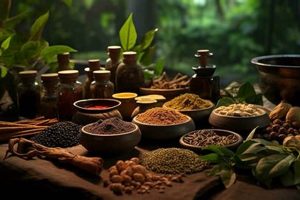
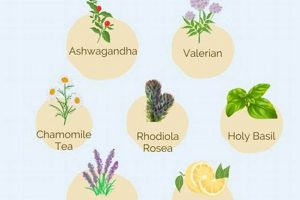
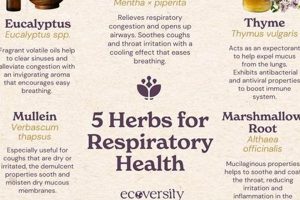
The use of botanical preparations to alleviate inflammation and irritation of the stomach lining, offering a complementary or alternative approach to conventional pharmaceutical interventions for this common ailment. Such approaches often involve consuming specific plant extracts, teas, or supplements believed to possess anti-inflammatory, anti-microbial, or mucoprotective properties.
Employing natural remedies may offer advantages such as fewer side effects, broader accessibility, and potential synergistic effects from multiple plant compounds. Historically, traditional medicine systems worldwide have relied heavily on plants to manage digestive disorders, accumulating empirical knowledge over generations. The continued exploration of this field is therefore significant.
The subsequent sections will examine several well-researched botanicals traditionally used in the management of this condition, detailing their purported mechanisms of action and potential benefits, while also acknowledging the need for further clinical trials to validate their efficacy and safety.
Considerations for Botanical Interventions
Effective utilization of natural therapies requires careful consideration and adherence to best practices. The following points aim to provide guidance regarding the responsible integration of botanicals into a comprehensive management plan.
Tip 1: Prioritize Professional Consultation: Always consult with a qualified healthcare provider or registered herbalist before initiating any botanical regimen. Self-diagnosis and self-treatment can be detrimental, masking underlying conditions or interacting negatively with existing medications.
Tip 2: Emphasize Dietary Modification: Complement botanical interventions with appropriate dietary adjustments. Reduce or eliminate trigger foods such as spicy meals, caffeine, alcohol, and acidic substances. Maintain a bland, easily digestible diet during acute episodes.
Tip 3: Understand Preparation Methods: Different preparation methodsinfusions, decoctions, tinctures, capsulescan impact bioavailability and potency. Research optimal preparation techniques for specific plants to maximize therapeutic effects. Follow product instructions carefully.
Tip 4: Monitor for Adverse Reactions: Discontinue use immediately if any adverse effects occur, such as allergic reactions, gastrointestinal upset, or skin rashes. Document any suspected adverse events and report them to a healthcare professional.
Tip 5: Source High-Quality Products: Choose reputable suppliers that adhere to good manufacturing practices (GMP). Ensure products are properly labeled, tested for purity, and free from contaminants such as heavy metals and pesticides. Seek organically grown herbs whenever feasible.
Tip 6: Observe Dosage Guidelines: Adhere strictly to recommended dosages provided by a healthcare professional or product label. Overconsumption of even seemingly benign botanicals can lead to adverse effects. Start with low doses and gradually increase as tolerated.
Tip 7: Consider Long-Term Strategies: While botanicals can provide symptomatic relief, address underlying causes of inflammation through lifestyle modifications, stress management techniques, and management of any co-existing medical conditions.
Implementing these considerations supports the informed and responsible incorporation of natural approaches, optimizing the potential for beneficial outcomes. The next section will summarize key takeaways and transition to the conclusion.
1. Anti-inflammatory properties

Inflammation of the gastric mucosa is a primary characteristic of gastritis. The utilization of botanical remedies often centers on their inherent capacity to modulate inflammatory processes within the gastrointestinal tract. The presence of bioactive compounds, such as flavonoids and terpenoids, contribute to the suppression of pro-inflammatory cytokines and mediators. This suppression, in turn, reduces the severity of inflammation, mitigating pain and discomfort associated with the condition. An example lies in the traditional use of ginger, known for its gingerol and shogaol constituents, which inhibit prostaglandin synthesis, thus decreasing inflammatory responses in the gastric lining. This reduction facilitates the natural healing mechanisms of the body.
The importance of anti-inflammatory action as a component of interventions for gastritis cannot be overstated. Chronic inflammation, if left unaddressed, can lead to complications such as ulcers and an increased risk of gastric cancer. Botanical agents that effectively target this inflammatory cascade, therefore, offer a valuable approach to managing the disease’s progression. Turmeric, containing curcumin, exemplifies this. Its documented anti-inflammatory effects stem from its ability to inhibit NF-B signaling, a key regulator of inflammation. Patients report a tangible improvement in symptoms after consistently incorporating turmeric into their treatment plan, underscoring the practical significance of understanding and leveraging these properties.
In summary, anti-inflammatory properties represent a cornerstone of employing natural strategies for gastritis. By targeting the underlying inflammatory mechanisms, these therapies aim to provide symptomatic relief, promote mucosal healing, and prevent potential long-term complications. A challenge, however, lies in the standardization of herbal preparations and the variability in individual responses, necessitating further research and personalized approaches. This connection between reduced inflammation and natural remedies emphasizes the potential for integrative approaches in addressing this widespread gastrointestinal condition.
2. Mucosal protection
The integrity of the gastric mucosa is paramount in defending against damage from stomach acid, digestive enzymes, and various irritants. Supporting this protective barrier is a key aspect of mitigating gastritis, and certain botanical compounds are believed to enhance mucosal protection through various mechanisms.
- Increased Mucus Production
Certain plants stimulate the production of gastric mucus, a viscous secretion that coats and shields the stomach lining. For example, licorice root contains glycyrrhizin, which has been shown to increase mucin secretion, forming a protective layer. This enhanced mucus barrier acts as a buffer, reducing direct contact between aggressive gastric juices and the sensitive mucosal cells. The resulting decrease in irritation promotes healing and alleviates discomfort.
- Formation of a Physical Barrier
Some botanical substances create a physical coating over the inflamed gastric mucosa. Slippery elm, containing mucilage, swells in contact with water to form a gel-like substance. When ingested, this gel adheres to the stomach lining, providing a protective layer against acid and enzymes. This physical barrier aids in reducing inflammation and supports the repair of damaged tissue, offering immediate soothing relief.
- Enhanced Mucosal Blood Flow
Adequate blood supply is critical for maintaining mucosal integrity and promoting tissue repair. Some botanical compounds improve microcirculation in the gastric mucosa. For example, compounds in chamomile may promote vasodilation, thereby increasing blood flow to the stomach lining. This enhanced circulation delivers essential nutrients and oxygen to the damaged tissue, accelerating the healing process.
- Antioxidant Defense
Oxidative stress plays a significant role in the pathogenesis of gastritis. Certain herbs possess antioxidant properties that neutralize free radicals and protect the gastric mucosa from oxidative damage. For instance, green tea contains polyphenols that act as potent antioxidants, scavenging free radicals and reducing oxidative stress in the stomach. By mitigating oxidative damage, these botanicals promote mucosal healing and reduce the risk of further inflammation.
These multiple mechanisms underscore the importance of mucosal protection within the context of botanical approaches to managing gastritis. By strengthening the protective barrier, supporting tissue repair, and reducing oxidative stress, these interventions aim to provide symptomatic relief and promote long-term gastrointestinal health.
3. Acid reduction

Excessive gastric acid production is a significant contributor to the discomfort and mucosal damage associated with gastritis. Botanical approaches to gastritis management often incorporate strategies aimed at modulating gastric acid secretion. The rationale behind this approach stems from the understanding that reducing the acidic environment within the stomach allows the inflamed mucosa to heal more effectively, alleviates symptoms such as heartburn and epigastric pain, and prevents further erosion of the stomach lining. The effectiveness of acid reduction contributes notably to the efficacy of a herbal intervention.
Several botanicals have demonstrated potential in modulating gastric acid production through various mechanisms. For instance, chamomile and ginger, traditionally used for digestive ailments, possess mild antacid properties. Furthermore, certain herbal preparations may stimulate the production of protective prostaglandins, which inhibit acid secretion. Specific compounds found in licorice root, while primarily known for mucosal protection, may also influence acid levels. The practical application of this knowledge involves carefully selecting botanicals with properties that complement other aspects of treatment, such as anti-inflammatory and mucoprotective actions. A person experiencing gastritis who consumes chamomile tea, might experience a noticeable decrease in discomfort. This is because the plant’s compounds gently lower the level of acid in the stomach, promoting a calmer environment for healing.
The integration of acid-reducing botanicals into a gastritis treatment plan necessitates careful consideration of individual factors and potential interactions with conventional medications. While herbal remedies can provide symptomatic relief and support mucosal healing, they may not always be sufficient as a standalone treatment, particularly in cases of severe gastritis or underlying conditions such as H. pylori infection. Therefore, a comprehensive approach involving dietary modifications, lifestyle adjustments, and, if necessary, conventional pharmaceutical interventions, remains crucial. Further research is warranted to fully elucidate the mechanisms of action and clinical efficacy of specific botanicals in modulating gastric acid secretion and to establish evidence-based guidelines for their use in gastritis management.
4. Antimicrobial action

The presence of Helicobacter pylori ( H. pylori) in the gastric environment is a significant etiological factor in many cases of gastritis. Eradication of this bacterium is often necessary for long-term resolution of the inflammatory process. Consequently, antimicrobial action constitutes a vital component when considering botanical approaches to gastritis management. Certain plant-derived compounds exhibit potent inhibitory effects against H. pylori, disrupting its colonization and proliferation within the stomach. This direct antibacterial effect can reduce bacterial load, diminish the inflammatory response triggered by the infection, and promote mucosal healing.
Mastic gum, derived from the Pistacia lentiscus tree, exemplifies a botanical with demonstrable antimicrobial activity against H. pylori. Clinical trials have shown that mastic gum can effectively reduce or eliminate H. pylori colonization in some individuals, leading to symptomatic improvement and histological resolution of gastritis. Similarly, compounds present in garlic, such as allicin, possess antibacterial properties that may contribute to H. pylori eradication. Cranberry extract has also demonstrated anti-adhesive properties, preventing H. pylori from adhering to the gastric mucosa, thereby hindering colonization. The effectiveness of these natural antimicrobials can vary depending on factors such as bacterial strain, dosage, and individual patient characteristics. It is imperative to note that botanical interventions may not always be sufficient for complete eradication and may require integration with conventional antibiotic therapy, particularly in persistent or severe cases.
In summary, antimicrobial action plays a crucial role in the management of H. pylori-associated gastritis. Botanical agents with proven antibacterial activity offer a complementary or adjunctive approach to conventional treatment strategies. However, rigorous scientific validation, standardization of herbal preparations, and personalized treatment plans are essential to ensure optimal outcomes. The continued investigation of botanical antimicrobials holds promise for expanding the therapeutic options available for gastritis and improving patient outcomes in the context of this widespread gastrointestinal condition.
5. Symptom relief

The primary objective in managing gastritis involves alleviating the constellation of symptoms that significantly impact patient quality of life. Natural therapies are frequently employed to address these discomforts, offering a complementary or alternative approach to conventional pharmaceutical interventions. Symptom mitigation becomes a key indicator of the effectiveness of a botanical regimen, and a careful understanding of how these remedies interact with the body’s physiology is essential.
- Reduction of Epigastric Pain
Epigastric pain, localized in the upper central abdomen, is a hallmark of gastritis. Certain botanicals, possessing anti-inflammatory and analgesic properties, can mitigate this discomfort. For example, chamomile, containing compounds like bisabolol, exerts a soothing effect on the gastric mucosa, reducing inflammation and consequently alleviating pain. The observed decrease in pain intensity contributes substantially to enhanced patient well-being.
- Alleviation of Nausea and Vomiting
Nausea and vomiting, common sequelae of gastric irritation, can significantly impair daily function. Ginger, a well-established antiemetic, can help alleviate these symptoms. Its active constituents modulate gastrointestinal motility and reduce the sensitivity of the vomiting center in the brain. The diminished frequency and severity of nausea and vomiting episodes improve overall comfort and nutritional status.
- Management of Bloating and Dyspepsia
Gastritis often manifests as bloating, a sensation of fullness and distension, and dyspepsia, characterized by indigestion and discomfort after meals. Peppermint, with its carminative properties, can promote the expulsion of gas from the gastrointestinal tract, reducing bloating. Furthermore, it relaxes smooth muscle in the digestive system, easing dyspeptic symptoms. The resulting decrease in abdominal distension enhances digestive comfort.
- Mitigation of Heartburn and Acid Reflux
Heartburn, a burning sensation in the chest caused by acid reflux, is a frequent complaint among individuals with gastritis. While not directly reducing acid production, slippery elm can create a protective barrier over the esophageal lining, shielding it from the irritating effects of stomach acid. This physical barrier reduces the frequency and severity of heartburn episodes, improving esophageal comfort.
The effectiveness of botanical strategies in providing symptom relief depends on careful selection of appropriate remedies, adherence to recommended dosages, and consideration of individual patient characteristics. While natural therapies can offer significant symptomatic improvement, they may not always address the underlying cause of gastritis and should be integrated within a comprehensive treatment plan that may include dietary modifications, lifestyle adjustments, and, when necessary, conventional pharmaceutical interventions. The focus on symptom relief is essential for enhancing the quality of life for individuals living with gastritis.
Frequently Asked Questions
The subsequent questions and answers address common inquiries regarding the utilization of botanical preparations for the management of gastritis. The information presented aims to provide clarity and inform potential users of natural remedies.
Question 1: Are herbal treatments a substitute for conventional medical care for gastritis?
Herbal interventions should not be considered a replacement for conventional medical care. A diagnosis from a qualified healthcare professional is essential, and herbal treatments should ideally be integrated as a complementary approach in consultation with the physician.
Question 2: What are the primary risks associated with using herbal remedies for gastritis?
Potential risks include allergic reactions, interactions with conventional medications, and the possibility of contaminants within unregulated herbal products. It is imperative to source herbs from reputable suppliers and disclose all herbal use to healthcare providers.
Question 3: How quickly should one expect to see results from herbal interventions for gastritis?
The timeframe for noticeable improvement varies depending on the individual, the severity of gastritis, and the specific herbs used. Some individuals may experience symptom relief within days, while others may require several weeks or months of consistent use.
Question 4: Is it safe to self-diagnose and self-treat gastritis with herbal remedies?
Self-diagnosis and self-treatment are strongly discouraged. Gastritis can have various underlying causes, some of which require specific medical interventions. Consulting a healthcare professional for accurate diagnosis and personalized treatment is crucial.
Question 5: How can the quality of herbal products for gastritis be ensured?
Select products from reputable manufacturers that adhere to Good Manufacturing Practices (GMP). Look for third-party certifications verifying the product’s purity and potency. Organically grown herbs are preferable to minimize exposure to pesticides.
Question 6: Are herbal treatments for gastritis effective against H. pylori infection?
Some herbs exhibit antimicrobial activity against H. pylori, but their efficacy as a standalone treatment is limited. Eradication of H. pylori often requires conventional antibiotic therapy, and herbal remedies may serve as an adjunct to support the healing process.
In conclusion, while herbal interventions may offer potential benefits for gastritis, responsible and informed use is paramount. Always consult with qualified healthcare professionals and prioritize evidence-based medical care.
The subsequent section will provide a summary of the key points discussed.
Conclusion
This exploration of natural therapies for gastritis has highlighted multiple facets of this approach. Botanical interventions may address key aspects of the condition, including inflammation, mucosal damage, acid imbalance, and in certain cases, microbial involvement. Several herbs demonstrate potential in alleviating symptoms and promoting healing, though the level of scientific evidence supporting their efficacy varies.
The responsible implementation of natural interventions necessitates careful consideration, professional guidance, and a commitment to evidence-informed decision-making. The exploration of “herbal treatment for gastritis” remains a field of ongoing research, with the potential to contribute valuable tools to a comprehensive management strategy. Further clinical investigation is warranted to fully elucidate the efficacy and safety of specific botanical preparations.