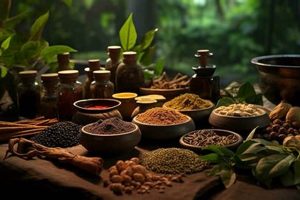
The use of botanical remedies to address non-cancerous growths in the uterus is an area of increasing interest. These growths, which can cause a range of symptoms, are often managed through conventional medical approaches. However, complementary strategies involving plant-derived substances are being explored as potential supportive or alternative interventions.
Historically, various cultures have employed plants for gynecological conditions. The potential advantages of these natural substances include their availability, relatively lower cost compared to some pharmaceutical treatments, and a perceived holistic approach to health. Their use may be particularly appealing to individuals seeking to minimize synthetic medications or explore gentler therapeutic options. However, it is essential to acknowledge that scientific validation for their efficacy and safety varies significantly.
The subsequent sections will delve into specific botanical substances that have been investigated in relation to these uterine growths, examine the available scientific evidence supporting their use, and address crucial considerations regarding potential risks and interactions with conventional treatments. Furthermore, it will emphasize the necessity of consulting with qualified healthcare professionals before incorporating any such remedies into a treatment plan.
Guidance on Complementary Botanical Approaches
The following guidelines address the use of plant-derived substances in the context of uterine fibroids. These recommendations are intended for informational purposes and should not substitute professional medical advice.
Tip 1: Prioritize Professional Consultation: A comprehensive evaluation by a qualified healthcare provider is paramount before considering any complementary botanical approach. This assessment establishes an accurate diagnosis, rules out contraindications, and ensures integration with existing medical care.
Tip 2: Research Specific Botanicals Thoroughly: Investigate the scientific evidence supporting the use of particular plants. Focus on studies examining efficacy, safety, and potential interactions. Reputable sources such as peer-reviewed journals and evidence-based databases should be consulted.
Tip 3: Understand Potential Side Effects: Be aware of the possible adverse reactions associated with each botanical substance. Side effects can range from mild gastrointestinal discomfort to more serious allergic reactions or liver toxicity. Discontinue use immediately if adverse effects manifest.
Tip 4: Consider Dosage and Formulation: Adhere to recommended dosages and choose standardized extracts from reputable manufacturers. Variability in plant material and extraction processes can influence the potency and safety of the final product.
Tip 5: Monitor Treatment Response: Maintain a detailed record of symptoms, botanical substances used, dosages, and any observed changes. Share this information with the healthcare provider to facilitate informed decision-making and adjust the treatment plan as needed.
Tip 6: Recognize Limitations: Acknowledge that botanical remedies may not provide a complete solution for all cases. They may be more effective as adjunctive therapies in conjunction with conventional medical treatments. Do not delay or forgo standard medical care in favor of solely relying on alternative approaches.
Tip 7: Be Wary of Unsubstantiated Claims: Exercise caution regarding products marketed with exaggerated or unsubstantiated claims of cure or rapid remission. Regulatory oversight of botanical supplements is often less stringent than for pharmaceuticals, increasing the risk of misleading information and substandard quality.
In summary, the use of botanical substances requires a cautious and informed approach. Integrating these remedies with conventional medical care, under the guidance of qualified healthcare professionals, can potentially optimize treatment outcomes while minimizing risks.
The following sections will further explore the scientific evidence and clinical considerations surrounding botanical interventions.
1. Efficacy Assessment

The determination of effectiveness is paramount when considering botanical interventions for uterine fibroids. Rigorous evaluation through appropriate methodologies is essential to ascertain genuine therapeutic benefits and avoid reliance on anecdotal evidence or unsubstantiated claims.
- Clinical Trial Design
The design of clinical trials significantly impacts the reliability of efficacy assessment. Randomized, double-blind, placebo-controlled trials are considered the gold standard. These trials minimize bias and provide a more objective measure of the true treatment effect. For example, a poorly designed trial might attribute symptom improvement to a botanical substance when the effect is actually due to the placebo effect or other confounding factors. Without sound trial design, drawing definitive conclusions about efficacy is problematic.
- Outcome Measures
Relevant and validated outcome measures are crucial for accurately assessing treatment efficacy. These measures may include changes in fibroid size (determined via imaging techniques such as ultrasound or MRI), reductions in symptom severity (e.g., menstrual bleeding, pelvic pain), and improvements in quality of life. The selection of appropriate outcome measures should align with the specific aims of the study and capture the clinically meaningful effects of the intervention. For instance, focusing solely on minor reductions in fibroid volume might not reflect meaningful improvements in a patient’s overall well-being.
- Statistical Analysis
Appropriate statistical analysis is essential for interpreting the results of efficacy studies. Statistical significance must be demonstrated to confidently conclude that the observed effects are not due to chance. Furthermore, it is important to consider the clinical significance of the findings, which refers to the practical relevance of the observed treatment effects. For example, a statistically significant reduction in fibroid size might not be clinically significant if it does not translate into meaningful symptom relief for the patient.
- Long-Term Effects
Efficacy assessment should extend beyond short-term outcomes to evaluate long-term effects and sustainability of benefits. Some botanical substances may provide initial symptom relief but fail to provide sustained control over time, or they may be associated with long-term risks that outweigh the initial benefits. Longitudinal studies are necessary to assess the durability of treatment effects and to identify any delayed adverse events.
The application of these facets of efficacy assessment to investigations of botanical interventions for uterine fibroids ensures a more robust and reliable understanding of their potential therapeutic role. A critical and evidence-based approach is imperative to guide clinical decision-making and protect patient safety.
2. Safety Profiles

Safety profiles are paramount when evaluating botanical interventions for uterine fibroids. The potential for adverse effects, contraindications, and variations in product quality necessitates a meticulous assessment of risks versus benefits. Unlike conventional pharmaceuticals, many botanical supplements are not subjected to the same stringent regulatory oversight, creating a potential for inconsistencies in potency, purity, and safety. Consequently, a thorough understanding of a specific substance’s safety profile is crucial for responsible and informed decision-making. A substance promoted for shrinking fibroids might, for example, contain compounds that negatively affect liver enzymes or interact detrimentally with other medications a patient is taking. Therefore, understanding the full range of possible safety concerns is critical.
The assessment of safety profiles requires considering various factors. These include the known toxicity of the plant itself, potential contaminants (e.g., heavy metals, pesticides), interactions with concurrently used medications, and the patient’s individual health status. Furthermore, the route of administration (e.g., oral, topical) and the duration of use can significantly impact safety. For example, a botanical extract considered safe for short-term use might pose risks when used chronically. Traditional knowledge, while sometimes informative, should not be the sole basis for determining safety. Scientific studies, including pre-clinical and clinical trials, are necessary to corroborate traditional claims and identify potential adverse effects that might not be readily apparent.
In summary, the integration of botanical remedies must prioritize patient safety. A comprehensive understanding of safety profiles, coupled with careful consideration of individual patient factors and potential interactions, is essential for minimizing risks. Collaboration with qualified healthcare professionals, including physicians and experienced herbalists, is strongly recommended to ensure informed decision-making and safe utilization. The lack of rigorous regulation for botanical supplements underscores the importance of a proactive and cautious approach to their use.
3. Drug Interactions
Drug interactions represent a critical consideration when evaluating the safety and efficacy of integrating botanical substances for uterine fibroids with conventional medical treatments. The potential for herb-drug interactions necessitates a thorough understanding of pharmacokinetic and pharmacodynamic mechanisms to mitigate adverse events and ensure optimal therapeutic outcomes.
- Cytochrome P450 Enzyme Modulation
Certain botanical constituents can either inhibit or induce cytochrome P450 (CYP) enzymes, a family of liver enzymes responsible for metabolizing numerous pharmaceutical agents. For instance, St. John’s Wort, commonly used for mood disorders, is a known CYP3A4 inducer, potentially accelerating the metabolism and reducing the effectiveness of oral contraceptives or certain immunosuppressants, which might be prescribed concurrently with fibroid management. Conversely, grapefruit juice inhibits CYP3A4, potentially increasing the serum concentrations and risk of toxicity of drugs metabolized by this enzyme. When considering botanical substances for uterine fibroids, healthcare providers must carefully assess their potential to affect CYP enzyme activity, especially in patients taking medications with narrow therapeutic indices.
- Pharmacodynamic Synergy or Antagonism
Pharmacodynamic interactions occur when botanical substances and drugs affect the same physiological systems, leading to synergistic or antagonistic effects. For example, combining a botanical with anti-inflammatory properties, such as turmeric, with nonsteroidal anti-inflammatory drugs (NSAIDs) could increase the risk of gastrointestinal bleeding due to the additive effects on platelet aggregation. Conversely, a botanical with estrogenic activity could potentially antagonize the effects of anti-estrogen medications used to manage fibroid growth. An understanding of the pharmacodynamic profiles of both the botanical substance and the conventional medication is crucial for predicting and preventing such interactions.
- Absorption and Bioavailability Alterations
Botanical substances can impact the absorption and bioavailability of concurrently administered drugs. For instance, certain herbs containing tannins can bind to drugs in the gastrointestinal tract, reducing their absorption and effectiveness. Similarly, the presence of fiber in some botanical preparations can delay gastric emptying and alter drug absorption rates. Understanding the potential for these interactions requires careful consideration of the timing of administration and the composition of the botanical substance.
- Impact on Anticoagulant Therapy
Several botanical substances, including ginger, garlic, and Ginkgo biloba, possess antiplatelet or anticoagulant properties. Combining these substances with anticoagulant medications, such as warfarin or heparin, can significantly increase the risk of bleeding complications. Close monitoring of coagulation parameters, such as INR (International Normalized Ratio), is essential in patients taking both anticoagulant drugs and botanical substances with potential anticoagulant effects. The decision to use such combinations requires careful risk-benefit assessment and close communication between the patient and their healthcare provider.
Given the complexities of herb-drug interactions, a thorough medication review and a comprehensive understanding of the pharmacokinetic and pharmacodynamic properties of both botanical substances and conventional medications are essential components of safe and effective integrative care for uterine fibroids. Healthcare providers should actively inquire about patients’ use of herbal supplements and provide evidence-based guidance to minimize the risk of adverse interactions.
4. Scientific Evidence

The substantiation of claims regarding botanical interventions for uterine fibroids necessitates rigorous scientific scrutiny. Empirical data derived from well-designed studies forms the bedrock of evidence-based practice, distinguishing credible therapies from unfounded assertions. Scrutinizing the available data is vital for informed decision-making.
- Clinical Trial Rigor
The quality and design of clinical trials significantly influence the reliability of findings. Randomized, double-blind, placebo-controlled trials represent the gold standard. These studies minimize bias and offer robust insights into cause-and-effect relationships. For example, a clinical trial examining a specific botanical extract for fibroid reduction should ideally compare the extract against a placebo in a blinded manner, ensuring neither the participants nor the researchers know who is receiving the active treatment. Without such rigor, it becomes challenging to isolate the true effect of the botanical substance from confounding factors.
- Mechanism of Action Elucidation
Understanding the biological mechanisms by which botanical substances exert their effects is crucial for validating their therapeutic potential. Studies investigating molecular targets and signaling pathways provide insights into how these substances interact with the body to influence fibroid growth, inflammation, or hormone regulation. For instance, research might explore whether a particular botanical compound inhibits the proliferation of fibroid cells or modulates estrogen receptor activity. Elucidating these mechanisms strengthens the rationale for using these substances as therapeutic agents.
- Dose-Response Relationships
Establishing the optimal dosage of botanical substances is essential for maximizing efficacy while minimizing the risk of adverse effects. Dose-response studies investigate the relationship between the amount of a substance administered and the resulting therapeutic effect. These studies help determine the appropriate dosage range for achieving the desired outcomes. For instance, a study might examine different doses of a botanical extract to identify the dosage that produces the greatest reduction in fibroid size or symptom severity without causing significant side effects.
- Long-Term Safety and Efficacy
Scientific evidence should encompass evaluations of both the long-term safety and the sustained efficacy of botanical interventions. Longitudinal studies are needed to assess whether the benefits observed in short-term trials persist over time and to identify any delayed adverse effects that may emerge with prolonged use. This is particularly important for chronic conditions like uterine fibroids, where long-term management is often necessary.
Collectively, these facets highlight the importance of a scientific approach to assessing botanical treatments for uterine fibroids. By adhering to principles of rigorous research, the potential benefits and risks of these interventions can be more accurately characterized, enabling evidence-based decision-making in clinical practice. The presence or absence of robust scientific validation directly influences the credibility and responsible use of these approaches.
5. Traditional Usage

The historical employment of plant-based remedies for uterine fibroids offers a valuable lens through which to examine contemporary herbal treatments. Traditional usage often reflects centuries of accumulated knowledge, providing insights into which plants have been perceived as beneficial for gynecological conditions and how they have been traditionally prepared and administered. However, it is crucial to differentiate anecdotal evidence from scientifically validated efficacy, and to approach traditional practices with critical discernment.
- Geographical and Cultural Variations
Traditional herbal practices vary significantly across different geographical regions and cultures. For example, certain herbs used in Traditional Chinese Medicine (TCM) for “blood stasis” or “phlegm accumulation” may correspond to conditions now understood as fibroids, while Ayurvedic medicine from India might employ different plants to address imbalances in “Kapha” or “Pitta” doshas believed to contribute to the development of these growths. Understanding these cultural nuances is essential for contextualizing traditional knowledge and avoiding generalizations.
- Methods of Preparation and Administration
Traditional methods of preparing and administering herbs often differ substantially from modern pharmaceutical practices. Plants may be used fresh or dried, prepared as teas, decoctions, tinctures, poultices, or incorporated into foods. The specific method of preparation can influence the bioavailability and potency of active compounds. Furthermore, traditional herbalists often consider the individual constitution and overall health of the patient when prescribing remedies, tailoring treatments to specific needs. This holistic approach contrasts with the more standardized dosing and administration common in conventional medicine.
- Commonly Used Plants and Their Purported Actions
Various plants have been traditionally used to address uterine fibroids, with purported actions ranging from reducing inflammation and promoting uterine contractions to balancing hormone levels. Examples include Vitex agnus-castus (chasteberry), believed to regulate the menstrual cycle, and herbs with astringent properties, aimed at reducing excessive bleeding. However, it’s important to note that the mechanisms of action for many of these plants have not been fully elucidated through modern scientific research, and their effectiveness remains uncertain.
- Limitations and Cautions
Relying solely on traditional usage without considering modern scientific evidence presents significant limitations. Traditional practices often lack standardized dosing, quality control, and rigorous safety testing. Furthermore, anecdotal evidence can be subject to bias and may not accurately reflect the true effectiveness of a treatment. Caution is warranted when applying traditional remedies, and consulting with qualified healthcare professionals, including herbalists and physicians, is essential to ensure safety and avoid potential interactions with conventional medications.
In conclusion, traditional usage provides a historical context for exploring botanical treatments for uterine fibroids. While offering valuable insights into potentially beneficial plants and practices, it is imperative to integrate traditional knowledge with modern scientific evidence to ensure both efficacy and safety. A critical and informed approach is necessary to bridge the gap between traditional wisdom and contemporary healthcare.
6. Regulatory Status

The legal framework surrounding botanical substances intended for managing uterine fibroids varies significantly across jurisdictions, impacting product availability, quality control, and the dissemination of information. This regulatory landscape directly influences patient access to these purported therapies and the level of assurance regarding their safety and efficacy. The variability underscores the need for caution and informed decision-making.
- Varying Classifications
Herbal products may be classified differently depending on the jurisdiction. In some regions, they are considered dietary supplements, subject to less stringent regulations than pharmaceutical drugs. In others, they may fall under traditional medicine categories with specific licensing requirements. These variations in classification impact the level of pre-market approval, manufacturing standards, and labeling requirements. For instance, a botanical extract marketed for shrinking uterine fibroids in one country as a dietary supplement might be subject to rigorous clinical trials and regulatory review in another country before being approved for sale. This can create inconsistencies in product availability and consumer access to information.
- Quality Control and Manufacturing Standards
Regulatory agencies often establish manufacturing standards and quality control measures for herbal products to ensure consistency and purity. However, the stringency of these standards can vary widely. Some countries mandate Good Manufacturing Practices (GMP) for herbal supplement production, requiring manufacturers to adhere to specific procedures for sourcing, processing, and testing plant materials. Others may have less stringent requirements, leading to variability in product quality and potential contamination. A lack of robust quality control can result in products containing incorrect ingredients, adulterants, or heavy metals, posing risks to consumers. These variable standards directly impact consumer safety.
- Health Claims and Labeling Restrictions
Regulations often govern the types of health claims that can be made about herbal products. Many jurisdictions prohibit manufacturers from making unsubstantiated claims about curing or treating specific diseases, requiring them to use more general language about supporting health and well-being. However, enforcement of these regulations can be inconsistent, and some manufacturers may make misleading or exaggerated claims. Labeling requirements also vary, with some countries mandating detailed information about ingredients, dosages, and potential side effects, while others have less comprehensive labeling standards. The inconsistency makes it difficult for consumers to make informed choices about their botanical therapies.
- Import and Export Regulations
The international trade of herbal products is subject to import and export regulations designed to protect public health and prevent the introduction of unsafe or adulterated products. These regulations can involve inspections, testing, and certification requirements. However, the enforcement of these regulations can be challenging, particularly for products sold online or through informal channels. Differences in import and export regulations between countries can also create barriers to trade and limit the availability of certain products in specific markets.
The complex and variable regulatory status of botanical interventions for uterine fibroids underscores the importance of critical evaluation and informed decision-making. Consumers should be aware of the regulatory landscape in their jurisdiction and seek products from reputable manufacturers that adhere to quality control standards. Consultation with healthcare professionals is essential to ensure the safe and appropriate use of herbal therapies within the context of individual health needs and medical treatments. The absence of uniform global standards highlights the need for caution and vigilance.
7. Professional Consultation
The integration of botanical remedies for uterine fibroids necessitates the guidance of qualified healthcare professionals. This stems from the complexity of fibroid pathophysiology, the potential for interactions between herbal substances and conventional medications, and the variability in product quality and regulatory oversight. The absence of professional oversight can lead to adverse outcomes, including treatment inefficacy, exacerbated symptoms, and harmful drug interactions. For instance, a patient self-treating with a botanical believed to shrink fibroids might inadvertently induce liver toxicity if the product is contaminated or if the herb interacts negatively with a pre-existing liver condition. Professional consultation mitigates such risks through careful assessment and monitoring.
The importance of professional consultation is further underscored by the need for accurate diagnosis and personalized treatment plans. Healthcare providers can assess the size, number, and location of fibroids, as well as the patient’s overall health status, to determine the most appropriate treatment approach. While botanical remedies may offer adjunctive benefits in some cases, they are not always a substitute for conventional medical interventions, such as hormonal therapies or surgical procedures. For example, a woman experiencing severe bleeding due to large fibroids may require a hysterectomy or myomectomy, and delaying or forgoing these treatments in favor of solely relying on herbal remedies could have serious consequences. A healthcare provider can offer informed guidance on the appropriate role of botanical substances within a comprehensive treatment strategy.
In summary, professional consultation represents a critical safeguard in the context of botanical interventions for uterine fibroids. It ensures accurate diagnosis, personalized treatment planning, monitoring for adverse effects, and integration with conventional medical care when necessary. While some may seek self-directed approaches, the complexity and potential risks associated with these interventions underscore the importance of engaging with qualified healthcare professionals to optimize outcomes and minimize harm. The consultation serves as a bridge between traditional knowledge and evidence-based medicine.
Frequently Asked Questions
The following addresses frequently asked questions regarding botanical approaches to managing uterine fibroids. The information provided is intended to enhance understanding and should not substitute professional medical advice.
Question 1: Are herbal treatment for fibroid tumors proven effective?
The efficacy of botanical substances for addressing fibroids varies significantly depending on the specific herb and the rigor of scientific investigation. While some plants have demonstrated promising effects in preliminary studies, definitive conclusions require large-scale, well-controlled clinical trials. It is crucial to distinguish anecdotal evidence from substantiated research findings.
Question 2: Are there risks associated with herbal treatment for fibroid tumors?
Potential risks include adverse side effects, allergic reactions, and interactions with conventional medications. Some botanical substances may also be contraindicated in individuals with certain underlying health conditions. Sourcing from reputable manufacturers and adhering to recommended dosages are crucial to minimize risks.
Question 3: Can herbal treatment for fibroid tumors replace conventional medical care?
Botanical substances are not always a substitute for conventional medical treatments, such as hormonal therapies or surgical interventions. The suitability of herbal remedies depends on the size, number, and location of fibroids, as well as the severity of symptoms. Healthcare professionals can provide guidance on integrating botanical approaches with standard medical care.
Question 4: How is herbal treatment for fibroid tumors regulated?
The regulatory status of herbal products varies significantly across jurisdictions. In some regions, they are classified as dietary supplements with less stringent oversight than pharmaceutical drugs. This can lead to inconsistencies in product quality and labeling. Consumers should seek products from reputable manufacturers that adhere to quality control standards.
Question 5: What specific herbs are commonly used in herbal treatment for fibroid tumors?
Various plants have been traditionally used, including Vitex agnus-castus (chasteberry), believed to regulate the menstrual cycle, and herbs with astringent properties, aimed at reducing excessive bleeding. The specific mechanisms of action and effectiveness of these plants require further scientific investigation.
Question 6: Where can reliable information on herbal treatment for fibroid tumors be found?
Reliable sources include peer-reviewed scientific journals, evidence-based databases, and reputable healthcare organizations. Information should be critically evaluated to ensure it is based on sound scientific principles and not anecdotal claims.
It is crucial to approach botanical interventions for uterine fibroids with caution and seek guidance from qualified healthcare professionals. Informed decision-making, coupled with careful monitoring, is essential to optimize outcomes and minimize risks.
The following sections will further elaborate on the multifaceted aspects of addressing fibroid tumors.
Conclusion
This exploration of “herbal treatment for fibroid tumors” reveals a complex landscape of potential benefits and inherent risks. The available scientific evidence regarding the efficacy of specific botanical substances remains variable, necessitating a cautious and discerning approach. While traditional usage provides historical context, rigorous clinical trials are essential to validate therapeutic claims and establish safety profiles. Drug interactions, regulatory ambiguities, and inconsistencies in product quality further underscore the need for careful consideration.
The information presented serves as a foundation for informed decision-making, emphasizing the crucial role of professional consultation with qualified healthcare providers. Individuals exploring botanical interventions for uterine fibroids must prioritize accurate diagnosis, personalized treatment planning, and continuous monitoring. A commitment to evidence-based practices and a thorough understanding of the potential risks and benefits are paramount for responsible management. Future research should focus on elucidating the mechanisms of action, optimizing dosages, and conducting long-term safety studies to advance the knowledge base and refine clinical guidelines.