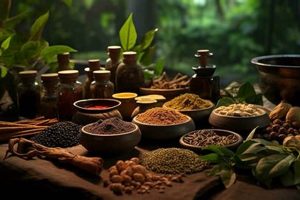
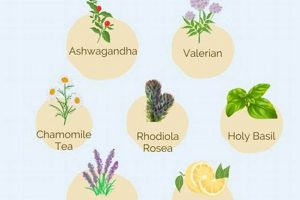
Approaches utilizing botanical substances to alleviate symptoms associated with unease and apprehension represent a growing area of interest in mental wellness. These interventions often involve the use of plant-derived compounds, administered in various forms, with the intention of modulating physiological processes believed to contribute to the anxious state. For instance, chamomile, a widely recognized herb, has been traditionally employed to promote relaxation and reduce feelings of agitation.
The potential advantages of incorporating plant-based remedies into a holistic wellness strategy lie in their accessibility and perceived gentler side-effect profile compared to some conventional pharmaceutical options. Historically, many cultures have relied on traditional medicinal systems, often rooted in the use of herbs, to address mental and emotional imbalances. This enduring practice suggests a long-standing recognition of the potential therapeutic value inherent in the natural world.
The subsequent discussion will delve into specific botanical agents commonly considered for their calming properties, exploring their mechanisms of action, potential risks, and the current state of scientific evidence supporting their use. Furthermore, attention will be given to the importance of consulting qualified healthcare professionals before integrating any new therapeutic approach into an individual’s care plan.
Guidance on Utilizing Botanical Approaches
The following provides actionable insights for those considering the integration of plant-derived remedies into their strategy for managing unease and apprehension. It is important to consider the following information carefully and seek guidance from qualified professionals.
Tip 1: Prioritize Professional Consultation: Engage with a qualified healthcare provider, such as a physician or licensed herbalist, before initiating any botanical intervention. This ensures appropriateness, safety, and consideration of potential interactions with existing medications or conditions.
Tip 2: Conduct Thorough Research: Investigate the available scientific literature regarding the specific botanical agent under consideration. Evaluate the evidence base supporting its efficacy and safety for addressing apprehension-related symptoms.
Tip 3: Source Reputable Products: Obtain botanical supplements from reputable manufacturers adhering to stringent quality control standards. Look for third-party certifications indicating product purity and potency.
Tip 4: Adhere to Recommended Dosages: Strictly follow the recommended dosage guidelines provided by the manufacturer or healthcare professional. Exceeding recommended dosages does not necessarily enhance efficacy and may increase the risk of adverse effects.
Tip 5: Monitor for Side Effects: Closely monitor for any adverse reactions or unintended consequences following the commencement of botanical supplementation. Discontinue use and seek medical attention if any concerning symptoms arise.
Tip 6: Maintain Realistic Expectations: Recognize that the effects of botanical interventions may vary between individuals and may not provide immediate relief. Consistent and patient application, in conjunction with other supportive measures, is crucial.
Tip 7: Adopt a Holistic Approach: Integrate botanical interventions within a broader holistic wellness strategy encompassing healthy lifestyle practices, such as regular exercise, balanced nutrition, and stress management techniques.
The informed and cautious utilization of plant-based remedies may offer a complementary approach to managing unease and apprehension. However, it should not be considered a substitute for professional medical care or established therapeutic interventions.
The subsequent sections will provide information on specific examples and considerations for use.
1. Safety Profiles

The safety profile of any botanical agent used to address feelings of unease and apprehension is paramount. A thorough understanding of potential adverse effects, contraindications, and drug interactions is essential before initiating use. The inherently “natural” origin of herbal remedies does not guarantee their safety; these substances contain bioactive compounds that can exert potent physiological effects, sometimes with detrimental consequences. Real-life examples, such as liver damage associated with certain herbal preparations, highlight the critical importance of scrutinizing safety data.
Factors influencing the safety profile include the species and part of the plant used, method of preparation, dosage, duration of use, and individual patient characteristics, such as age, medical history, and concurrent medication use. Furthermore, the lack of rigorous regulation in the herbal supplement industry can lead to variability in product quality and inconsistencies in ingredient concentrations, further complicating the assessment of safety. Consequently, adverse events may be underreported or misattributed, hindering a comprehensive understanding of potential risks.
In conclusion, a meticulous evaluation of the safety profile is indispensable for responsible use of plant-based remedies. A proactive approach that includes professional consultation, thorough research of the agent, and vigilance for any adverse reactions can maximize the potential benefits of herbal treatments while minimizing potential harm. The understanding of these safety profiles contributes critically to informing decisions around the safety of using plant-based remedies.
2. Efficacy Evidence

The evaluation of efficacy evidence is paramount when considering botanical interventions for managing apprehension. The strength and quality of available research data directly influence the confidence with which any recommendation for using plant-based remedies can be made. Rigorous, well-designed clinical trials are crucial to determine whether a particular herbal treatment provides genuine benefit or if perceived improvements are attributable to placebo effects or other confounding factors.
- Randomized Controlled Trials (RCTs)
RCTs are considered the gold standard for assessing the effectiveness of any intervention, including herbal treatments. These trials involve randomly assigning participants to either receive the treatment or a control (placebo) group, allowing researchers to isolate the specific effects of the herbal remedy. For instance, studies investigating the effectiveness of lavender for anxiety relief often use RCTs to compare lavender aromatherapy to a placebo intervention, measuring changes in anxiety scores or physiological markers of stress.
- Meta-Analyses and Systematic Reviews
Meta-analyses and systematic reviews aggregate and analyze data from multiple independent studies, providing a more comprehensive assessment of efficacy. These analyses can identify consistent trends across studies and provide a more precise estimate of the overall effect size. A meta-analysis of studies evaluating chamomile for anxiety, for example, may combine data from several RCTs to determine the overall effectiveness of chamomile in reducing anxiety symptoms.
- Limitations in Herbal Research
Researching herbal treatments presents unique challenges. Standardization of herbal products, variability in plant constituents, and difficulties in blinding participants can complicate study design and interpretation. The lack of large-scale, well-funded clinical trials for many herbal remedies limits the available evidence base. Furthermore, publication bias, where studies with positive results are more likely to be published than those with negative findings, can skew the perception of efficacy.
- Alternative Research Methodologies
While RCTs and meta-analyses are highly valued, other research methodologies can also contribute to the understanding of herbal treatment effectiveness. Observational studies, case reports, and traditional use data can provide valuable insights into the potential benefits and risks of herbal remedies, particularly when robust clinical trial data is lacking. For example, traditional Ayurvedic practices have long utilized Ashwagandha for its adaptogenic properties, and modern research is beginning to validate some of these traditional uses.
In conclusion, a careful evaluation of efficacy evidence is crucial when considering herbal treatments for apprehension. While some herbal remedies show promise based on available research, the limitations in herbal research must be acknowledged. A balanced approach that considers both the strengths and weaknesses of the evidence base, along with professional guidance, is essential for making informed decisions about the use of plant-based interventions.
3. Dosage Standardization

Dosage standardization is a critical component in the effective and safe application of plant-based interventions for mitigating anxiety. The variable concentration of active compounds within different batches of the same herb, influenced by factors such as growing conditions, harvesting techniques, and processing methods, introduces significant uncertainty. Without standardized dosages, the therapeutic effect can be inconsistent and unpredictable, potentially leading to either inadequate symptom relief or, conversely, adverse effects due to excessive exposure to the active constituents.
The absence of dosage standardization can severely compromise the reliability of clinical trials investigating the efficacy of plant-based interventions. If the concentration of active compounds varies significantly between doses administered to study participants, the resulting data may be skewed, making it difficult to draw definitive conclusions about the treatment’s effectiveness. For instance, if a study examining chamomile extract for anxiety uses a non-standardized product, variations in the concentration of apigenin, a key active compound, could explain why some participants experience benefit while others do not. This undermines the validity and generalizability of the study results. In practical terms, this can lead to frustration and distrust in plant-based remedies.
Standardization, therefore, involves analytical techniques to quantify the levels of specific active compounds in each batch of the herb, ensuring that each dose contains a consistent and predictable amount. This process enhances the reliability of plant-based interventions by allowing healthcare professionals to prescribe precise dosages tailored to individual patient needs. Dosage standardization provides a foundation for more effective and responsible use of plant-based remedies in anxiety management, bridging the gap between traditional practices and evidence-based medicine. The effective dosage and standardization is an essential part of the Herbal treatment of anxiety.
4. Herb-Drug Interactions

The concomitant use of plant-derived substances and conventional pharmaceuticals introduces the potential for interactions that can significantly impact therapeutic outcomes. A thorough understanding of these interactions is critical when considering plant-based remedies for unease and apprehension, as they can alter the efficacy and safety of both the herbal treatment and the conventional medication.
- Pharmacokinetic Interactions
Pharmacokinetic interactions involve alterations in the absorption, distribution, metabolism, or excretion (ADME) of a drug or herb due to the presence of another substance. For example, St. John’s Wort, often used to alleviate depressive symptoms, can induce the activity of certain liver enzymes responsible for metabolizing various medications, including some antidepressants and oral contraceptives. This increased enzyme activity can lead to decreased plasma concentrations of these drugs, potentially reducing their therapeutic effectiveness. Conversely, some herbs may inhibit these enzymes, leading to elevated drug levels and an increased risk of adverse effects. This presents as a significant variable in treatment.
- Pharmacodynamic Interactions
Pharmacodynamic interactions occur when two or more substances have additive, synergistic, or antagonistic effects on the same physiological system. For instance, combining valerian root, often used for its sedative properties, with benzodiazepine medications can potentiate the central nervous system depressant effects of both substances, leading to excessive sedation, respiratory depression, or cognitive impairment. Conversely, an herb with stimulant properties may counteract the effects of a sedative medication, reducing its efficacy. This type of interaction highlights the importance of understanding the pharmacological properties of both the plant-derived substance and the conventional medication.
- Impact on Specific Populations
Certain patient populations, such as the elderly, individuals with impaired liver or kidney function, and those taking multiple medications, are at increased risk of experiencing herb-drug interactions. Age-related changes in drug metabolism and excretion can increase the likelihood of drug accumulation and adverse effects. Similarly, individuals with liver or kidney disease may have reduced capacity to process or eliminate drugs and herbs, increasing their susceptibility to interactions. The careful review of medications with a qualified practitioner is crucial.
- Variability in Herbal Products
The composition and potency of herbal products can vary significantly due to factors such as plant species, growing conditions, harvesting methods, and manufacturing processes. This variability can make it difficult to predict the likelihood and magnitude of herb-drug interactions. Inconsistent levels of active constituents in herbal products can lead to unpredictable effects, increasing the risk of both reduced efficacy and adverse events. Reliable sources and transparent standardization is crucial.
The potential for herb-drug interactions underscores the importance of open communication between patients and healthcare providers regarding the use of all medications and supplements, including plant-based remedies. A comprehensive medication history, including a thorough review of potential interactions, is essential to ensure the safe and effective use of herbal treatments in conjunction with conventional pharmaceutical therapies. Without proper precautions, serious health consequences can result, emphasizing the critical need for caution and informed decision-making. The avoidance of certain remedies with prescription medications is key to successful treatment.
5. Individual Variations

The manifestation and experience of unease are distinctly personal, influenced by a complex interplay of genetic predispositions, environmental factors, psychological traits, and lifestyle habits. Consequently, the response to plant-based remedies for unease exhibits considerable variability among individuals. A botanical agent that proves efficacious for one individual may yield minimal or no benefit for another, or even elicit adverse effects. These differences underscore the necessity of a personalized approach when considering plant-based interventions.
Genetic polymorphisms, for example, can affect the metabolism of active compounds within certain plants, altering their bioavailability and duration of action. Individuals with specific variations in genes encoding drug-metabolizing enzymes may process botanical agents more slowly or rapidly, leading to altered therapeutic outcomes. Furthermore, psychological factors such as expectations, beliefs, and coping mechanisms can influence the perceived effectiveness of plant-based remedies. For example, someone who believes strongly in the healing power of plants may experience a greater placebo effect, enhancing the perceived benefits of a particular treatment. Past experiences with herbal treatments can also impact future responses, creating a learned association between a particular substance and a specific outcome. Real world examples may include one person seeing calming effects from chamomile while another sees none.
In summary, recognizing and accounting for individual variations is crucial for optimizing the potential benefits of plant-based remedies for unease. A personalized approach that considers genetic factors, psychological influences, and lifestyle habits, guided by qualified healthcare professionals, can help to identify the most appropriate and effective botanical interventions for each individual. This individualized consideration improves outcomes and minimizes the likelihood of adverse reactions. This will lead to safer treatment.
6. Quality Control

Quality control serves as a cornerstone in the safe and effective application of plant-based remedies for apprehension. The inherent variability in plant composition, stemming from factors such as geographical location, growing conditions, and harvesting practices, directly impacts the concentration of active constituents within the final product. The absence of stringent quality control measures introduces the risk of inconsistencies in potency, leading to unpredictable therapeutic outcomes. For instance, a batch of valerian root intended to promote relaxation may contain insufficient valerenic acid, the purported active compound, rendering it ineffective. Conversely, another batch may possess an excessive concentration, potentially inducing unwanted side effects. Therefore, consistent quality controls determine safety and efficacy.
The implementation of robust quality control protocols encompasses several key steps. These include botanical authentication to ensure the correct plant species is used, testing for contaminants such as heavy metals, pesticides, and microbial pathogens, and standardization of active compound concentrations. Reputable manufacturers often employ third-party testing to verify product quality and provide consumers with objective assurance. A real-world example highlighting the importance of quality control involves instances where herbal products have been found to be adulterated with pharmaceuticals, posing a serious risk to public health. In such cases, individuals may unknowingly consume potent drugs without proper medical supervision, leading to adverse effects and potential interactions with other medications. This emphasizes the importance of certification.
In conclusion, the relationship between quality control and plant-based interventions for apprehension is inextricably linked to safety and efficacy. Adherence to rigorous quality control standards mitigates the risk of inconsistencies, contamination, and adulteration, safeguarding consumer health and promoting reliable therapeutic outcomes. The practical significance of this understanding lies in empowering individuals to make informed choices about the plant-based remedies they use and encouraging healthcare providers to prioritize products from manufacturers committed to quality. The quality controls provide confidence in the product.
7. Professional Guidance
The integration of professional guidance is not merely advisable but essential for individuals considering botanical interventions for managing unease and apprehension. Given the complexities associated with herbal treatments, including potential interactions, varying efficacy, and individual responses, informed oversight from qualified healthcare professionals is paramount. Professional guidance ensures safety, optimizes therapeutic outcomes, and minimizes potential risks.
- Accurate Diagnosis and Assessment
A healthcare provider conducts a comprehensive evaluation to determine the underlying causes of unease, differentiating between transient stressors and clinical anxiety disorders. This assessment informs the selection of appropriate treatment strategies, which may or may not include plant-based remedies. An accurate diagnosis prevents misapplication of herbal treatments to conditions for which they are ineffective or inappropriate.
- Medication Reconciliation and Interaction Screening
A pharmacist or physician reviews all current medications, including over-the-counter drugs and supplements, to identify potential herb-drug interactions. Many plant-based remedies can interact with conventional medications, altering their efficacy or increasing the risk of adverse effects. Professional guidance mitigates these risks by ensuring that herbal treatments are compatible with an individual’s existing medication regimen. For instance, St. John’s Wort’s known interactions with certain antidepressants necessitate careful consideration and professional oversight.
- Dosage and Formulation Recommendations
Healthcare providers can recommend appropriate dosages and formulations of herbal treatments based on an individual’s age, weight, medical history, and specific symptoms. The potency of herbal products can vary significantly, and professional guidance ensures that individuals receive consistent and therapeutic doses. Furthermore, healthcare providers can advise on the optimal route of administration and duration of treatment.
- Monitoring and Follow-Up
Regular monitoring by a healthcare provider allows for the assessment of treatment efficacy and the detection of any adverse effects. Follow-up appointments provide opportunities to adjust dosages, change treatment strategies, or address any concerns that may arise. This ongoing oversight ensures that plant-based remedies are used safely and effectively over time. For example, consistent monitoring can detect subtle changes in mood or physical health that may indicate an adverse reaction to an herbal supplement.
The facets above underscore the vital role of professional guidance in maximizing the benefits and minimizing the risks associated with plant-based interventions. Seeking the expertise of qualified healthcare professionals empowers individuals to make informed decisions, ensuring that plant-based remedies are used responsibly and as part of a comprehensive approach to managing unease and apprehension. This provides assurance of care.
Frequently Asked Questions
The following questions and answers address common concerns and misconceptions regarding the use of botanical substances for the alleviation of apprehension-related symptoms. It is important to consult with qualified healthcare professionals for personalized guidance.
Question 1: Are botanical remedies a safe alternative to conventional anxiolytic medications?
The assertion that botanical substances invariably constitute a safer alternative to conventional anxiolytic medications is not universally valid. While some plant-derived remedies may exhibit milder side-effect profiles compared to certain pharmaceuticals, they are not devoid of potential risks. Herb-drug interactions, allergic reactions, and inherent toxicity are potential concerns. Consultation with a healthcare provider is crucial to evaluate the safety profile of any botanical intervention in the context of individual medical history and current medications.
Question 2: Is there definitive scientific evidence supporting the efficacy of all botanical treatments for apprehension?
The rigor of scientific evidence supporting the efficacy of botanical treatments is variable. While some plant-derived substances, such as lavender and chamomile, possess a body of clinical trial data suggesting anxiolytic effects, other remedies lack robust scientific validation. It is important to critically evaluate the available research before incorporating any botanical agent into a treatment strategy. Reliance on anecdotal evidence or traditional use alone is insufficient to establish efficacy.
Question 3: Are standardized dosages of botanical supplements always reliable?
The reliability of standardized dosages in botanical supplements can be inconsistent. The variability inherent in plant cultivation, harvesting, and processing methods can impact the concentration of active constituents. Furthermore, the absence of stringent regulatory oversight in some jurisdictions can lead to discrepancies between labeled and actual ingredient levels. Selecting products from reputable manufacturers who employ third-party testing is advisable to mitigate this risk.
Question 4: Can botanical remedies be used safely in conjunction with prescription medications for apprehension?
The concurrent use of plant-derived substances and prescription medications for apprehension necessitates careful consideration due to the potential for herb-drug interactions. Some botanical agents can alter the metabolism or effects of conventional medications, leading to reduced efficacy or increased toxicity. Consulting with a healthcare provider or pharmacist to assess potential interactions is imperative before combining herbal treatments with prescription drugs.
Question 5: Are botanical remedies a suitable option for individuals with severe apprehension or anxiety disorders?
The suitability of plant-based remedies for individuals with severe apprehension or anxiety disorders should be determined on a case-by-case basis, in consultation with a qualified mental health professional. While some botanical agents may provide adjunctive support for managing mild to moderate symptoms, they may not be sufficient as a sole treatment for severe conditions. A comprehensive treatment plan, potentially incorporating psychotherapy, medication, and lifestyle modifications, may be necessary.
Question 6: How can one ensure the quality and safety of botanical supplements?
Ensuring the quality and safety of botanical supplements involves several measures. Choosing products from reputable manufacturers known for adhering to stringent quality control standards is essential. Look for third-party certifications, such as those from USP, NSF International, or ConsumerLab.com, which indicate that the product has been independently tested for purity, potency, and contaminants. Consulting with a qualified herbalist or healthcare provider can also provide guidance on selecting safe and effective products.
In summary, the informed and responsible utilization of plant-based interventions for apprehension requires careful consideration of safety, efficacy, dosage, and potential interactions. Professional guidance is essential to optimize therapeutic outcomes and minimize risks.
The subsequent section will provide a list of common botanical interventions and their considerations for use.
Conclusion
The preceding discussion has provided an in-depth exploration of “herbal treatment for anxiety,” encompassing essential aspects such as safety profiles, efficacy evidence, dosage standardization, potential herb-drug interactions, individual variations, quality control measures, and the importance of professional guidance. It is evident that the utilization of plant-based remedies for anxiety management is a complex endeavor requiring diligent consideration of multiple factors to ensure both safety and effectiveness. The information presented emphasizes the need for informed decision-making and responsible application of botanical interventions.
The integration of herbal medicine within a comprehensive approach to anxiety warrants continued investigation and prudent clinical application. As research progresses and regulatory oversight strengthens, the potential for safe and effective herbal treatments to complement conventional therapies may be further realized. However, the ultimate responsibility rests with individuals and healthcare providers to exercise caution, prioritize patient safety, and base treatment decisions on sound scientific evidence and qualified professional advice. The future of anxiety management lies in the responsible fusion of traditional wisdom and modern science.