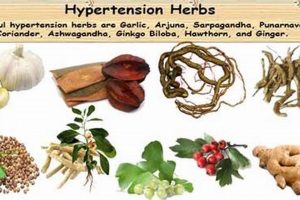
The use of botanical remedies to alleviate the symptoms of excessive stomach acid production, often experienced as heartburn or indigestion, represents a long-standing practice in various cultures. This approach typically involves ingesting plant-derived substances believed to possess properties that can neutralize acid, reduce inflammation, or promote digestive health. Examples include preparations using ginger, chamomile, or licorice root.
Employing natural compounds for digestive discomfort offers a potentially gentler alternative to pharmaceutical interventions. Historically, many societies have relied on traditional medicine systems, leveraging the readily available resources of the natural environment to address common ailments. The appeal lies in the perceived lower risk of side effects and the holistic nature of these therapies, often addressing underlying imbalances rather than solely suppressing symptoms.
The following sections will delve into specific botanical agents frequently cited for their acid-reducing potential, examining their mechanisms of action and available supporting evidence. Furthermore, considerations regarding dosage, potential interactions, and the importance of consulting with a qualified healthcare professional will be addressed.
Guidance on Botanical Approaches for Acid Reduction
The following guidelines offer practical considerations for individuals exploring botanical remedies to manage acidity. Implementation should be undertaken with careful evaluation and, ideally, professional consultation.
Tip 1: Identify Trigger Foods: Certain foods exacerbate acid production. Maintain a food journal to pinpoint specific items that trigger symptoms, such as citrus fruits, tomatoes, or spicy dishes, and limit their consumption.
Tip 2: Incorporate Ginger Strategically: Ginger possesses anti-inflammatory properties that may reduce discomfort. Consume small amounts of fresh ginger or ginger tea before meals. Observe tolerance levels, as excessive intake can occasionally have adverse effects.
Tip 3: Consider Chamomile Tea: Chamomile has calming effects that may soothe the digestive tract. Drink a cup of chamomile tea after meals to potentially alleviate symptoms. Ensure the tea is pure chamomile and free from added ingredients that could irritate the stomach.
Tip 4: Explore Licorice Root (DGL): Deglycyrrhizinated licorice (DGL) is a form of licorice root that has been processed to remove glycyrrhizin, minimizing the risk of elevated blood pressure. DGL may help protect the stomach lining and reduce acid reflux. Consult a healthcare provider before use, especially if you have existing medical conditions.
Tip 5: Elevate the Head of the Bed: Elevating the head of the bed by 6-8 inches can reduce nighttime acid reflux by utilizing gravity to keep stomach acid from flowing back into the esophagus. Employ bed risers or a wedge pillow to achieve the necessary elevation.
Tip 6: Practice Mindful Eating: Eating slowly and chewing food thoroughly aids digestion and reduces the likelihood of overeating, which can contribute to acidity. Minimize distractions during meals to promote mindful eating habits.
Tip 7: Avoid Eating Before Bed: Refrain from eating for at least 2-3 hours before lying down. This allows the stomach to empty partially, reducing the risk of acid reflux during sleep.
Adhering to these guidelines, alongside careful monitoring of symptoms, can contribute to the effective management of acidity through botanical interventions. However, it is essential to emphasize that these strategies are not substitutes for professional medical advice.
The subsequent section will address the importance of professional medical consultation and highlight potential risks associated with self-treating acidity with botanical approaches.
1. Botanical Identification

Accurate botanical identification forms the foundational cornerstone of any effective and safe regimen involving botanical remedies for acidity. Misidentification can lead to the use of ineffective plants, or, more critically, to the ingestion of toxic species, negating any potential therapeutic benefits and potentially causing harm.
- Taxonomic Verification
Taxonomic verification involves confirming the precise scientific classification of the plant intended for use. This requires consulting authoritative botanical databases and reference materials, ensuring the plant matches the documented characteristics of the species known to possess the desired medicinal properties. For instance, confusing Matricaria chamomilla (German chamomile) with other chamomile species lacking similar anti-inflammatory qualities would diminish the intended benefits.
- Morphological Assessment
Morphological assessment requires a detailed examination of the plant’s physical features, including leaf shape, stem structure, flower arrangement, and root system. Subtle variations in these characteristics can differentiate between species with similar common names but distinct chemical compositions. An untrained observer might misidentify Mentha piperita (peppermint) with other Mentha species that lack the same concentration of menthol, the primary compound responsible for its digestive properties.
- Source Authentication
Source authentication focuses on verifying the origin and cultivation practices of the plant material. Reliable suppliers provide information about the plant’s growing conditions, harvesting methods, and processing techniques. Contamination with pesticides, heavy metals, or adulteration with other plant material compromises the integrity and safety of the herbal remedy. Purchasing from reputable sources with established quality control measures is crucial.
- Chemotypic Variation
Chemotypic variation refers to the existence of distinct chemical profiles within the same plant species. Environmental factors, geographical location, and genetic variations can influence the concentration of active compounds in a plant. Understanding the chemotype relevant to acid reduction is essential to ensure the remedy contains the necessary constituents in sufficient quantities. The level of glycyrrhizic acid in Glycyrrhiza glabra (licorice) varies considerably depending on the plant’s origin, influencing its effectiveness and potential side effects.
The above facets highlight the critical role of botanical identification in mitigating risks and maximizing the therapeutic potential of botanical treatments for acidity. Rigorous attention to taxonomic verification, morphological assessment, source authentication, and chemotypic variation ensures the integrity and safety of the chosen remedy, promoting positive health outcomes.
2. Preparation Methods
The chosen preparation method significantly impacts the efficacy and safety profile of botanical treatments for acidity. Different techniques extract varying amounts and types of active compounds from plant material, affecting their bioavailability, potency, and potential for adverse effects. A thorough understanding of these methods is therefore crucial for optimizing therapeutic outcomes.
- Infusions (Teas)
Infusions involve steeping dried or fresh plant material in hot water. This method is suitable for extracting water-soluble compounds, such as flavonoids and polysaccharides. Chamomile tea, for example, utilizes this method to release calming compounds that can soothe the digestive tract and reduce acidity-related discomfort. However, infusions may not extract all available active compounds, particularly those that are oil-soluble.
- Decoctions
Decoctions involve simmering tougher plant parts, such as roots, barks, and seeds, in water for a longer period. This process is used to extract constituents that are more resistant to heat and less easily released through simple infusion. Preparing licorice root in this manner releases compounds thought to protect the stomach lining. Decoctions typically yield more concentrated solutions compared to infusions.
- Tinctures
Tinctures are alcoholic extracts of plant material. Alcohol acts as a solvent, efficiently extracting a broader spectrum of compounds, including resins and alkaloids, compared to water-based methods. Tinctures generally have a longer shelf life and can be administered in smaller doses due to their concentrated nature. Ginger tinctures, for example, deliver concentrated anti-inflammatory compounds. However, the alcohol content may be a concern for some individuals.
- Capsules and Tablets
Encapsulation involves filling capsules with powdered or extracted plant material. This method offers convenience and precise dosage control. Tablets involve compressing powdered plant material with binding agents. These formulations are suitable for standardized extracts, ensuring consistent potency. However, the bioavailability of active compounds may be influenced by the capsule or tablet formulation and the digestive process.
The selection of an appropriate preparation method depends on the specific plant, the desired compounds, and individual preferences. While infusions and decoctions offer a more traditional approach, tinctures and capsules provide standardized potency and ease of use. Consideration must be given to potential solvent residues, individual sensitivities, and the intended therapeutic goals when choosing a preparation method for botanical treatments aimed at reducing acidity.
3. Dosage Regulation

Dosage regulation stands as a critical determinant in the safety and efficacy of botanical interventions for acidity. The potency of plant-derived compounds varies considerably, and administering an inappropriate quantity can lead to therapeutic failure or, conversely, adverse effects. This variability underscores the necessity for precise dosage control tailored to the individual and the specific botanical agent employed. Insufficient dosage may fail to alleviate symptoms, while excessive amounts can trigger unwanted reactions, such as gastrointestinal distress or interactions with other medications.
The effective dosage of botanical remedies for acidity is influenced by several factors, including the individual’s age, weight, overall health status, and the severity of symptoms. Furthermore, the specific preparation of the herb (e.g., tea, tincture, capsule) dictates the concentration of active compounds, necessitating careful adjustment of the dosage accordingly. For example, a concentrated tincture of ginger requires a far smaller volume than a ginger tea to achieve a comparable therapeutic effect. Standardized herbal extracts offer a degree of dosage consistency but still require adherence to recommended guidelines and monitoring for individual responses. Consistent monitoring is essential for safe dosage regulation.
The absence of strict dosage regulation in botanical medicine presents a significant challenge. Unlike pharmaceutical drugs with standardized dosages, herbal remedies often lack precise quantification of active compounds. This necessitates a cautious, individualized approach, typically initiated with lower doses and gradually increased until the desired effect is achieved, while carefully observing for any adverse reactions. Consultation with a qualified healthcare professional knowledgeable in botanical medicine is crucial to establishing a safe and effective dosage regimen and mitigating potential risks associated with self-treatment. Ultimately, responsible dosage regulation is not merely a procedural step but a fundamental principle ensuring the safe and beneficial application of botanical treatments for acidity.
4. Interaction Potential

The concurrent use of botanical preparations and conventional medications introduces the potential for interactions that can significantly alter drug efficacy and safety profiles. These interactions arise from various mechanisms, including alterations in drug absorption, distribution, metabolism, and excretion. Consequently, individuals seeking “herbal treatment for acidity” while also taking prescription or over-the-counter drugs must recognize and proactively manage this potential. Failure to do so can lead to reduced therapeutic benefits of conventional medications, increased drug toxicity, or unexpected adverse reactions. For example, St. John’s Wort, sometimes used for mood regulation, can induce hepatic enzymes, accelerating the metabolism of numerous drugs, including certain proton pump inhibitors (PPIs) commonly prescribed for acid reflux, potentially rendering them less effective. Another instance involves licorice root, often employed to soothe the digestive tract; its glycyrrhizin content can elevate blood pressure and interfere with the efficacy of antihypertensive medications.
Understanding the specific interactions between particular botanical agents and medications requires meticulous research and careful consideration of individual patient factors. Certain herbs can affect the cytochrome P450 enzyme system, a major pathway for drug metabolism in the liver. Other interactions may involve competition for binding sites or alterations in gastrointestinal pH, influencing drug absorption rates. For example, calcium carbonate, a common antacid, can bind to certain medications, reducing their absorption into the bloodstream. Similarly, some herbs may possess anticoagulant properties, increasing the risk of bleeding when taken concurrently with blood-thinning medications like warfarin or aspirin. Thorough medication reconciliation, encompassing both prescription and non-prescription drugs, as well as dietary supplements, is essential to identify potential interaction risks. Databases and resources specializing in drug-herb interactions, coupled with consultation with a knowledgeable healthcare provider or pharmacist, can aid in assessing and mitigating these risks.
In summary, the “Interaction Potential” represents a critical, yet often overlooked, aspect of “herbal treatment for acidity.” Due to the complex pharmacological properties of botanical agents and the possibility of affecting drug metabolism, transport, or elimination, concurrent use of herbs and medications necessitates a cautious and informed approach. Awareness of potential interactions, diligent medication reconciliation, and professional guidance are paramount to ensure patient safety and optimize treatment outcomes. Dismissing the “Interaction Potential” can have serious consequences, potentially jeopardizing the effectiveness of conventional medications and exposing individuals to avoidable adverse effects.
5. Symptom Monitoring

Effective symptom monitoring is indispensable when utilizing botanical remedies for acid-related disorders. This process involves the systematic tracking and evaluation of subjective experiences and objective signs to ascertain the impact of a given intervention, informing subsequent treatment decisions and minimizing potential adverse effects.
- Baseline Assessment
A comprehensive baseline assessment is fundamental, entailing a detailed characterization of the individual’s symptoms before initiating any botanical treatment. This includes documenting the frequency, severity, and duration of heartburn, regurgitation, bloating, and other associated complaints. Establishing this baseline allows for objective comparison as the treatment progresses, facilitating the accurate determination of whether the botanical remedy is yielding the desired therapeutic outcomes. For example, if an individual experiences heartburn three times per week with a severity rating of 7 out of 10 before treatment, this information serves as a reference point for evaluating the effects of the selected botanical intervention.
- Symptom Diaries
The consistent maintenance of a symptom diary constitutes a valuable tool for tracking symptom fluctuations and identifying potential triggers. Individuals meticulously record their daily experiences, noting the onset, intensity, and duration of acid-related symptoms, as well as any factors that appear to exacerbate or alleviate them. This detailed log can reveal patterns and correlations that might otherwise go unnoticed, enabling the refinement of the treatment plan. For instance, a symptom diary might reveal a consistent link between consuming spicy foods and the subsequent occurrence of heartburn, prompting the individual to modify their diet accordingly.
- Adverse Event Monitoring
Closely monitoring for adverse events is paramount to ensuring the safety of botanical treatments. While generally perceived as gentler alternatives to conventional medications, botanical remedies are not without potential side effects. Individuals should be vigilant for any new or worsening symptoms, such as allergic reactions, gastrointestinal upset, or interactions with other medications. Prompt recognition and reporting of adverse events allow for timely intervention and adjustment of the treatment regimen. For example, if an individual develops a rash or experiences increased abdominal pain after starting a particular herbal supplement, these symptoms should be immediately reported to a healthcare professional.
- Objective Measures
In certain cases, objective measures may complement subjective symptom reports. While not always feasible or necessary, measures such as esophageal pH monitoring or endoscopy can provide objective evidence of treatment efficacy and identify any underlying structural abnormalities. These investigations are typically reserved for individuals with persistent or severe symptoms that do not respond to initial botanical interventions. For example, an esophageal pH monitoring study might reveal a reduction in the frequency and duration of acid reflux episodes following the implementation of a specific herbal treatment strategy.
The integrated application of baseline assessments, symptom diaries, adverse event monitoring, and, when appropriate, objective measures, constitutes a robust approach to symptom monitoring within the context of botanical treatments for acid-related conditions. This comprehensive approach empowers individuals and healthcare professionals to make informed decisions, optimize therapeutic outcomes, and minimize the potential for harm.
Frequently Asked Questions
This section addresses common inquiries and misconceptions regarding the use of botanical remedies for mitigating acidity and related digestive discomfort.
Question 1: Are herbal treatments for acidity a replacement for conventional medical care?
Botanical approaches should not be considered a substitute for professional medical advice or treatment. Individuals experiencing persistent or severe symptoms of acidity should consult a qualified healthcare provider for proper diagnosis and management. Herbal remedies may complement conventional therapies but should not replace them without medical supervision.
Question 2: What are the potential risks associated with using herbal remedies for acidity?
Potential risks include allergic reactions, interactions with prescription medications, and the ingestion of incorrectly identified or adulterated plant material. Dosage regulation is also crucial, as excessive intake can lead to adverse effects. Individuals with pre-existing medical conditions should exercise caution and seek professional guidance before initiating herbal treatments.
Question 3: How quickly can one expect to experience relief from acidity symptoms using herbal remedies?
The onset of symptom relief varies depending on the individual, the specific herbal remedy employed, and the severity of the condition. Some individuals may experience improvement within days, while others may require several weeks of consistent treatment. It is important to maintain realistic expectations and diligently monitor symptoms during the treatment period.
Question 4: Are herbal remedies for acidity safe for pregnant or breastfeeding women?
The safety of many herbal remedies during pregnancy and breastfeeding has not been adequately established. Pregnant or breastfeeding women should exercise extreme caution and consult with a healthcare provider before using any herbal product, as some botanical agents may pose risks to the developing fetus or infant.
Question 5: How does one ensure the quality and purity of herbal products?
Purchasing herbal products from reputable manufacturers who adhere to stringent quality control standards is essential. Look for certifications from independent organizations that verify the identity and purity of the ingredients. Avoid products with vague labeling or questionable sourcing practices.
Question 6: Can herbal treatments for acidity cure the underlying cause of the condition?
Herbal treatments may alleviate symptoms of acidity, but they do not necessarily address the underlying cause. Factors such as diet, lifestyle, and certain medical conditions can contribute to acid-related disorders. A comprehensive approach that addresses these underlying factors is often necessary for long-term management.
In summary, while botanical approaches can offer relief from acidity symptoms, careful consideration of potential risks, interactions, and the importance of professional guidance is paramount. These interventions are not a substitute for conventional medical care and should be integrated into a comprehensive treatment plan under the supervision of a qualified healthcare provider.
The subsequent section will provide concluding remarks and summarize the key insights discussed in this article.
Conclusion
This exploration of herbal treatment for acidity has illuminated the multifaceted nature of employing botanical remedies for managing acid-related disorders. The discourse underscored the importance of accurate botanical identification, appropriate preparation methods, precise dosage regulation, awareness of interaction potential, and diligent symptom monitoring. It emphasized that while botanical agents may offer symptomatic relief, they are not a substitute for professional medical evaluation and management, particularly in cases of persistent or severe symptoms.
Given the complexities inherent in botanical medicine and the potential for interactions with conventional therapies, a collaborative approach involving healthcare professionals knowledgeable in both conventional and complementary medicine is paramount. Responsible utilization of herbal treatment for acidity requires informed decision-making, rigorous adherence to safety guidelines, and ongoing assessment of therapeutic efficacy. The potential benefits of botanical interventions must be weighed against the risks, ensuring patient safety remains the foremost consideration.