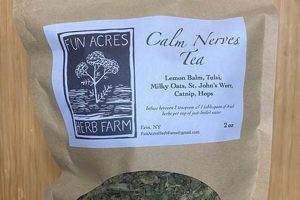
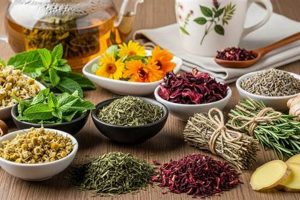
Infusions derived from various plants, excluding Camellia sinensis (true tea), and consumed to promote restfulness are a traditional approach to addressing sleep disturbances. These beverages utilize the inherent properties of herbs and botanicals to gently encourage relaxation and prepare the body for sleep.
The long-standing appeal stems from their natural composition and potential to provide a milder alternative to pharmaceutical interventions. Certain herbs have documented histories of use in traditional medicine for their calming effects, offering a holistic approach to improving sleep quality and promoting a sense of well-being. Their ease of preparation and accessibility further contribute to their widespread adoption.
The subsequent sections will delve into specific varieties, their purported mechanisms of action, and considerations for safe and effective utilization to support healthy sleep patterns.
Practical Guidance
Maximizing the benefits of botanical infusions for sleep requires informed practices and awareness. The following guidelines offer a structured approach to integrating these remedies into a sleep hygiene routine.
Tip 1: Select Certified Organic Products: Opt for teas bearing certifications from reputable organic agencies. This minimizes potential exposure to pesticides and ensures higher quality ingredients.
Tip 2: Adhere to Recommended Steep Times: Follow the steeping instructions provided by the manufacturer. Over-steeping can release bitter compounds, while under-steeping may not fully extract the beneficial properties.
Tip 3: Consume 30-60 Minutes Before Bedtime: Allow sufficient time for the tea’s effects to manifest before retiring for the night. This allows the body to begin to relax and prepare for sleep.
Tip 4: Avoid Adding Sweeteners: Added sugars can disrupt sleep patterns. If sweetness is desired, consider a small amount of natural honey or stevia in moderation.
Tip 5: Monitor for Allergic Reactions: Introduce new herbal teas gradually and observe for any signs of allergic reaction, such as skin rashes, itching, or difficulty breathing. Discontinue use immediately if such symptoms occur.
Tip 6: Consult a Healthcare Professional: Individuals with pre-existing medical conditions, or those taking medications, should seek guidance from a qualified healthcare provider prior to incorporating these teas into their routine. Certain herbs can interact with medications or exacerbate underlying health issues.
Tip 7: Establish a Consistent Routine: Incorporating a cup of herbal tea into a regular bedtime ritual can reinforce sleep cues and promote a sense of predictability, contributing to improved sleep quality.
Consistent implementation of these recommendations, coupled with mindful selection, can contribute to a more effective and positive experience.
The subsequent section will address potential side effects and safety considerations related to specific varieties, providing a comprehensive overview of their appropriate use.
1. Variety Selection

The efficacy of herbal teas in promoting sleep is intrinsically linked to the specific botanical varieties chosen. Different plants possess distinct chemical compositions, resulting in varying pharmacological effects. Consequently, the careful selection of appropriate varieties is paramount to achieving the desired outcome of improved sleep quality.
For example, while chamomile is widely recognized for its mild sedative properties due to the presence of apigenin, valerian root offers a more potent effect, potentially beneficial for individuals experiencing more severe sleep disturbances. However, valerian root’s stronger action necessitates caution regarding dosage. Conversely, lemon balm provides a gentler calming effect, making it suitable for those seeking a subtle relaxation aid. The selection process should therefore consider individual needs and sensitivity to specific herbs. Failure to accurately match the tea variety to the user’s requirements may result in either a lack of efficacy or, in the case of more potent herbs, undesirable side effects.
Ultimately, informed variety selection is the foundational step in harnessing the potential of herbal teas to support healthy sleep patterns. A nuanced understanding of each herb’s unique properties and potential effects is crucial for optimizing their benefits and minimizing any risks associated with their use. This underscores the necessity for research and consultation with healthcare professionals when choosing the most suitable option.
2. Preparation Method

The preparation method significantly influences the efficacy of herbal infusions intended to promote sleep. Variations in water temperature, steeping duration, and the use of covered versus uncovered containers directly impact the extraction of bioactive compounds from the plant material. These compounds are responsible for the tea’s purported sedative and anxiolytic effects. Inadequate preparation may result in a tea lacking sufficient concentrations of these compounds, thus failing to induce the desired sleep-promoting effects. Conversely, excessive steeping or overly hot water can release bitter tannins or other undesirable substances, negatively affecting taste and potentially negating the intended benefits. For example, chamomile requires specific temperatures to avoid this release of undesired elements.
Specific preparation protocols are often tailored to the individual herb. Delicate floral varieties, such as lavender, benefit from lower water temperatures and shorter steeping times to preserve their volatile oils, which contribute significantly to their aroma and therapeutic properties. Root-based herbs, like valerian, typically require longer steeping durations to fully extract their potent compounds. The use of a covered container during steeping helps to retain these volatile oils and prevents their evaporation, thereby maximizing the concentration of active constituents in the final infusion. An example of this is the use of ceramic pots during the preparation of valerian-based infusions in some European countries.
In summary, the preparation method is not merely a perfunctory step in the consumption of herbal teas for sleep, but rather a critical determinant of their therapeutic potential. Adherence to recommended preparation guidelines, specific to the chosen herb, is essential to ensuring optimal extraction of beneficial compounds and minimizing the risk of undesirable outcomes. A standardized process enables the tea to consistently perform its intended goal to improve sleep, while providing predictability and reliability.
3. Dosage Control
Dosage control is a critical factor in the effective and safe utilization of herbal teas for sleep. Unlike many conventional medications, the concentration of active compounds in herbal preparations can vary significantly, depending on factors such as plant variety, growing conditions, and preparation methods. This variability necessitates careful attention to dosage to achieve the desired therapeutic effect while minimizing the risk of adverse reactions.
- Standardization Challenges
Herbal teas often lack standardized dosages due to the inherent variability in plant composition. This contrasts with pharmaceutical products, where precise dosages are rigorously controlled. Consequently, consumers must rely on manufacturer guidelines, which may not always be accurate or consistent. This challenge underscores the importance of selecting reputable brands that employ quality control measures.
- Individual Sensitivity and Tolerance
Individuals respond differently to herbal remedies. Factors such as age, body weight, metabolism, and overall health status can influence sensitivity to active compounds. Starting with a lower dosage and gradually increasing it, as needed, allows individuals to assess their tolerance and minimize the risk of adverse effects. For example, an elderly individual may require a smaller dose of valerian root tea compared to a younger, healthier adult.
- Potential for Herb-Drug Interactions
Certain herbs can interact with prescription medications, either enhancing or diminishing their effects. For instance, St. John’s Wort, although not typically consumed as a tea for sleep, is a well-known example of an herb that can interfere with various medications, including antidepressants and blood thinners. Consulting with a healthcare professional before combining herbal teas with prescription drugs is crucial to avoid potentially harmful interactions. This step is especially critical for individuals with pre-existing medical conditions.
- Defining Effective Dosage Ranges
Establishing appropriate dosage ranges for herbal teas is often challenging due to limited clinical research. While traditional use may provide some guidance, scientific evidence supporting specific dosage recommendations is often lacking. Consumers should adhere to manufacturer instructions and exercise caution, particularly when using more potent herbs such as valerian or kava, which may have more pronounced effects on the central nervous system. Furthermore, avoid consuming the product frequently without any guidelines.
The effective and safe use of herbal teas to promote sleep hinges on meticulous dosage control. The lack of standardized dosages, variations in individual sensitivity, the potential for herb-drug interactions, and the challenge of defining effective dosage ranges all underscore the need for careful consideration and caution. Seeking advice from healthcare professionals before incorporating herbal teas into a sleep routine ensures safe utilization and minimizes potential risks. This is paramount in realizing the claimed benefits.
4. Timing Consumption

The temporal aspect of herbal tea consumption is integral to eliciting desired sleep-promoting effects. The interval between ingestion and intended sleep onset significantly influences the tea’s efficacy, impacting the body’s physiological response.
- Absorption and Metabolism
The digestive system requires time to absorb and metabolize the active compounds present in the herbal tea. Consuming the beverage too close to bedtime may result in the compounds not reaching optimal concentrations in the bloodstream, thus delaying or diminishing the desired sedative effect. As an illustration, chamomile tea requires approximately 30-45 minutes for apigenin to exert its relaxing influence.
- Urinary Frequency
Ingesting a beverage immediately before sleep can increase the likelihood of nocturia, or nighttime urination. Frequent awakenings to void the bladder disrupts sleep continuity and diminishes overall sleep quality. It is advisable to consume the tea at least one hour prior to bedtime to allow for initial fluid processing and reduce the probability of nocturnal disturbances. This is particularly relevant for individuals prone to overactive bladder or those who naturally produce more urine at night.
- Synchronizing with Circadian Rhythm
Consuming herbal teas at a consistent time each evening can help reinforce the body’s natural circadian rhythm. This regularity acts as a cue, signaling to the body that sleep is approaching. Over time, this entrainment can contribute to a more predictable and restful sleep pattern. The timing should ideally align with the individuals established bedtime routine, to enhance overall sleep hygiene.
- Consideration of Individual Response
Individual metabolic rates and sensitivities to herbal remedies vary. While general recommendations suggest consuming the tea 30-60 minutes before bedtime, some individuals may find that a shorter or longer interval is more effective. Experimentation within this range, while carefully monitoring sleep quality, allows for personalized optimization of timing. This ensures that peak efficacy of the herbal tea occurs at the desired moment of sleep onset.
Strategic timing of herbal tea consumption serves as a crucial element in maximizing its sleep-promoting potential. Coordinating the intake with physiological processes, minimizing sleep disruptions, and aligning with circadian rhythms collectively contribute to a more restorative sleep experience. The nuances of individual response necessitate a degree of self-monitoring and adjustment to achieve optimal results when using these botanical infusions for sleep enhancement.
5. Individual Sensitivity
The efficacy of herbal teas as sleep aids is inextricably linked to individual sensitivity, a phenomenon characterized by the variability in physiological and psychological responses to specific substances. This sensitivity stems from a complex interplay of genetic predispositions, metabolic processes, pre-existing health conditions, and concurrent medication use. Consequently, an herbal tea that promotes relaxation and sleep in one individual may prove ineffective or even detrimental to another.
The variability in hepatic enzyme activity, responsible for metabolizing many herbal compounds, contributes significantly to differing responses. Individuals with slower metabolic rates may experience prolonged effects, increasing the risk of daytime drowsiness, while those with faster metabolism might find the tea ineffective. Moreover, certain individuals exhibit allergic reactions to specific herbs, manifesting as skin rashes, respiratory distress, or gastrointestinal disturbances. For instance, chamomile, generally regarded as safe, can trigger allergic reactions in individuals sensitive to ragweed or other members of the Asteraceae plant family. Similarly, pre-existing conditions like asthma or gastroesophageal reflux disease can be exacerbated by certain herbal teas. The concurrent use of medications, particularly sedatives or antidepressants, can also interact with herbal compounds, potentially leading to additive effects or adverse interactions. Kava and alcohol consumption in combination may create excessive tiredness.
Therefore, a comprehensive understanding of individual sensitivity is paramount to the safe and effective utilization of herbal teas for sleep. A cautious and incremental approach, starting with a low dosage and carefully monitoring for any adverse reactions, is crucial. Individuals with pre-existing health conditions or those taking medications should consult with a healthcare professional before incorporating herbal teas into their sleep routine. Acknowledging and accommodating individual sensitivity ensures that the use of herbal teas remains a safe and beneficial strategy for promoting restful sleep.
Frequently Asked Questions
The following addresses common inquiries regarding the use of herbal infusions to promote sleep, providing concise and evidence-based responses.
Question 1: Are herbal teas for sleep universally effective?
No. The efficacy varies depending on individual physiology, the specific herbal blend, and the preparation method employed. A tea effective for one individual may not yield the same results for another.
Question 2: Can herbal teas for sleep replace prescription sleep aids?
Generally, no. Individuals with diagnosed sleep disorders should consult with a healthcare professional regarding appropriate treatment options. Herbal teas may serve as a complementary approach, but should not be considered a substitute for prescribed medication without professional guidance.
Question 3: Are there potential side effects associated with herbal teas for sleep?
Yes. Although generally considered safe, certain herbal teas can cause adverse reactions in sensitive individuals. Common side effects include allergic reactions, gastrointestinal distress, and interactions with medications. Specific herbs, such as valerian, can also induce daytime drowsiness.
Question 4: How should herbal teas for sleep be prepared for optimal effect?
Preparation methods vary depending on the specific herb. Adhering to the manufacturer’s instructions regarding water temperature, steeping time, and dosage is essential. Generally, using filtered water and a covered container to retain volatile oils is recommended.
Question 5: Can herbal teas for sleep be consumed daily?
Daily consumption may be safe for some individuals, but it is prudent to cycle through different herbal blends periodically to avoid developing tolerance or sensitivity to a specific herb. Consulting with a healthcare professional is advisable for long-term use.
Question 6: Do all herbal teas labeled “sleep aid” contain the same ingredients?
No. Herbal tea blends marketed as sleep aids vary significantly in their composition. Scrutinizing the ingredient list and understanding the properties of each herb is crucial for making informed choices.
This information is intended for general knowledge and should not be interpreted as medical advice. Consulting with a qualified healthcare professional remains paramount for addressing individual health concerns.
The subsequent section will provide information about potential negative symptoms for these products.
Conclusion
The investigation into herbal teas for sleep reveals a nuanced landscape. While possessing the potential to promote relaxation and improve sleep quality for some, their efficacy is subject to individual variability, preparation techniques, and the specific herbal blend employed. Factors such as existing medical conditions, concurrent medication use, and potential allergic sensitivities necessitate careful consideration.
Ultimately, responsible utilization of herbal teas for sleep mandates informed decision-making and, when appropriate, consultation with qualified healthcare professionals. This approach ensures that their integration into a sleep hygiene routine is both safe and potentially beneficial, while acknowledging the limitations and potential risks associated with their use.