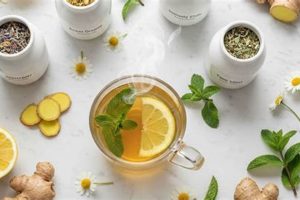
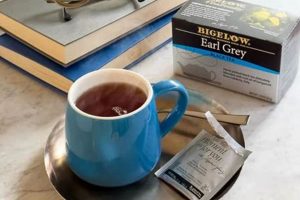
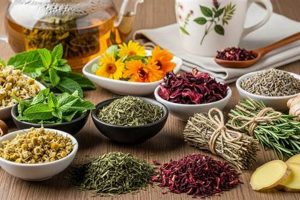
Certain plant-derived infusions are consumed to potentially alleviate the discomfort associated with the menstrual cycle. These beverages are prepared by steeping various herbs, flowers, or roots in hot water, extracting their active compounds. For example, chamomile, ginger, and peppermint are commonly utilized in this context.
The practice of using botanical remedies to manage physical discomfort dates back centuries. These natural approaches are favored by some due to their perceived gentler action compared to pharmaceutical interventions and the accessibility of ingredients. Potential advantages include anti-inflammatory properties and muscle relaxant effects, which may contribute to a reduction in pain intensity and overall discomfort during menstruation.
The subsequent sections will explore specific herbal options, detailing their properties, mechanisms of action, and potential considerations for incorporation into a wellness routine during menstruation.
Guidance on Utilizing Botanical Infusions for Menstrual Discomfort
The following outlines specific recommendations for individuals considering the incorporation of botanical infusions to potentially mitigate symptoms of menstrual discomfort.
Tip 1: Consultation with Healthcare Provider: Prior to initiating any herbal regimen, seek counsel from a qualified healthcare professional. This is particularly crucial for individuals with pre-existing medical conditions, those taking prescription medications, or those who are pregnant or breastfeeding.
Tip 2: Source Reputable Products: Ensure that herbal ingredients are sourced from reputable suppliers that adhere to quality control standards. Verify the product’s purity, potency, and absence of contaminants.
Tip 3: Adhere to Recommended Dosage: Strictly follow the dosage instructions provided by the manufacturer or recommended by a healthcare practitioner. Excessive consumption of certain herbs may lead to adverse effects.
Tip 4: Consider Cycle Timing: Strategically time the consumption of botanical infusions. Begin incorporating them a few days prior to the anticipated onset of menstruation to potentially preemptively address discomfort.
Tip 5: Choose Appropriate Herbs: Select herbal varieties known for their potential benefits in alleviating menstrual discomfort. Chamomile, ginger, peppermint, and raspberry leaf are commonly considered for their antispasmodic and anti-inflammatory properties.
Tip 6: Monitor for Allergic Reactions: Exercise caution when introducing new herbal infusions, and closely monitor for any signs of allergic reaction, such as skin rash, itching, or respiratory distress. Discontinue use immediately if any adverse reactions occur.
Tip 7: Prepare Infusions Properly: Adhere to proper brewing techniques to maximize the extraction of beneficial compounds. Typically, this involves steeping the herbs in hot water for a specified duration, as indicated on the product label or as advised by a herbalist.
These guidelines promote the informed and responsible usage of herbal infusions, enhancing potential benefits and minimizing risks.
The concluding section will present a concise summary of the aforementioned points, solidifying the reader’s comprehension of how to approach the utilization of botanical infusions within a holistic wellness framework during menstruation.
1. Herb Selection
Herb selection is paramount when considering botanical infusions for the mitigation of menstrual discomfort. The pharmacological properties of different herbs vary, influencing their potential effectiveness in addressing specific symptoms. Careful consideration of these properties is essential for achieving desired outcomes.
- Antispasmodic Properties
Certain herbs possess antispasmodic properties, meaning they can help to relax smooth muscles, such as those in the uterus. Chamomile and peppermint are examples of herbs traditionally used for their antispasmodic effects, potentially reducing the intensity of uterine contractions and associated pain during menstruation. Consumption of herbal teas containing these ingredients may offer relief from cramping sensations.
- Anti-inflammatory Action
Inflammation plays a role in the pathophysiology of menstrual pain. Herbs with anti-inflammatory properties, such as ginger, may help to reduce inflammation and subsequently alleviate discomfort. Ginger contains compounds that inhibit the production of prostaglandins, hormone-like substances that contribute to inflammation and pain. Thus, inclusion of ginger in herbal tea formulations may provide benefits related to inflammation reduction.
- Phytoestrogenic Effects
Some herbs contain phytoestrogens, plant-derived compounds that can mimic or modulate the effects of estrogen in the body. While the effects of phytoestrogens on menstrual symptoms are complex and not fully understood, certain herbs, such as red clover, have been investigated for their potential to help balance hormone levels and alleviate symptoms like mood swings and cramping. However, caution is advised, and consultation with a healthcare provider is recommended before using herbs with phytoestrogenic effects.
- Nervine Qualities
Menstrual discomfort can be exacerbated by stress and anxiety. Nervine herbs, such as lavender and lemon balm, possess calming properties that may help to reduce stress and promote relaxation. By alleviating stress-related tension, these herbs can indirectly contribute to a reduction in the perception of pain and discomfort associated with menstruation. A blend of nervine herbs with those targeting physical symptoms may offer a more comprehensive approach.
The careful selection of herbs, considering their specific pharmacological properties and potential synergistic effects, is crucial for formulating effective herbal teas designed to alleviate menstrual cramps. The optimal combination will vary based on individual needs and symptom presentation, underscoring the importance of personalized approaches and informed decision-making.
2. Preparation Method

The efficacy of herbal infusions in alleviating menstrual discomfort is intrinsically linked to the preparation method employed. The process by which these teas are created directly influences the extraction of active compounds from the plant material, thereby affecting the potency and, consequently, the therapeutic potential of the beverage. Suboptimal preparation can result in incomplete extraction, rendering the tea less effective in mitigating symptoms. Conversely, appropriate preparation techniques maximize the release of beneficial constituents, enhancing the tea’s capacity to provide relief. For instance, proper water temperature is crucial; water that is too hot can degrade sensitive compounds, while water that is too cool may not facilitate adequate extraction. Similarly, steeping time plays a vital role; insufficient steeping limits the release of active ingredients, while excessive steeping can lead to the extraction of undesirable compounds.
Specific herbs necessitate tailored preparation approaches to optimize the extraction of their therapeutic components. The robust roots of ginger, for example, may require a longer simmering time to fully release their anti-inflammatory compounds, whereas the delicate flowers of chamomile may benefit from a shorter steeping time at a lower temperature to prevent the development of a bitter taste. Furthermore, the particle size of the herb influences extraction; finely ground herbs generally release their compounds more readily than coarsely cut herbs. Consequently, the preparation method must be adapted to the unique characteristics of each herb to ensure optimal extraction and therapeutic benefit. A standardized brewing protocol, while convenient, may not be suitable for all herbal formulations.
In summation, the preparation method constitutes a critical determinant of the therapeutic value of herbal teas for menstrual cramps. Adherence to appropriate brewing techniques, considering factors such as water temperature, steeping time, and herb-specific requirements, is essential for maximizing the extraction of beneficial compounds and ensuring the tea’s effectiveness in alleviating discomfort. A thorough understanding of these principles is paramount for individuals seeking to utilize herbal teas as a natural approach to managing menstrual symptoms. Further research is warranted to establish standardized preparation protocols for various herbal combinations to facilitate consistent and reliable therapeutic outcomes.
3. Dosage Control
Dosage control is a critical determinant in the safe and effective utilization of botanical infusions for menstrual discomfort. The concentration of bioactive compounds within herbal teas varies based on factors such as herb species, growing conditions, and preparation methods. Consequently, the therapeutic and potentially adverse effects are directly correlated with the quantity consumed. Insufficient dosage may yield negligible symptom relief, while excessive intake could lead to undesirable side effects, including gastrointestinal distress, allergic reactions, or interactions with pharmaceutical medications. For instance, excessive consumption of ginger tea, known for its anti-inflammatory properties, can, in some individuals, result in heartburn or exacerbate bleeding tendencies. Similarly, high doses of chamomile, while generally considered safe, may induce drowsiness or, in rare cases, trigger allergic reactions. Therefore, adherence to recommended dosage guidelines is paramount to mitigating potential risks and optimizing therapeutic benefits.
The importance of dosage control is further underscored by the regulatory landscape surrounding herbal products. In many jurisdictions, herbal teas are classified as dietary supplements rather than pharmaceuticals, resulting in less stringent regulations concerning standardization and quality control. This variability necessitates a cautious approach to dosage determination, often relying on traditional usage guidelines, anecdotal evidence, or recommendations from qualified herbalists. However, such sources may not always be evidence-based or tailored to individual needs and sensitivities. Therefore, consulting with a healthcare professional or a qualified herbal practitioner is advisable, particularly for individuals with pre-existing medical conditions or those taking concurrent medications. Such consultations allow for personalized dosage recommendations based on individual health status and potential drug interactions. For example, individuals taking anticoagulant medications should exercise caution with herbs possessing anti-platelet properties, such as ginger, and careful dosage adjustment may be necessary to avoid adverse effects.
In summary, dosage control represents a cornerstone of safe and effective herbal tea utilization for menstrual symptom management. The variable concentration of bioactive compounds, coupled with the limited regulatory oversight of herbal products, necessitates a judicious approach to dosage determination. Consulting with healthcare professionals, adhering to recommended dosage guidelines, and carefully monitoring for adverse effects are essential steps in mitigating potential risks and maximizing therapeutic benefits. Future research should focus on establishing evidence-based dosage recommendations for specific herbal teas to enhance their safe and effective integration into menstrual wellness strategies.
4. Timing Regimen

The efficacy of herbal teas in mitigating menstrual cramps is significantly influenced by the timing regimen of their consumption. The proactive initiation of herbal tea consumption, rather than reactive use upon the onset of symptoms, often yields more pronounced benefits. For instance, beginning a regimen of raspberry leaf tea a week prior to the anticipated commencement of menstruation can potentially strengthen uterine muscles and reduce the severity of contractions. Conversely, waiting until cramps are fully established before initiating herbal tea consumption may limit its effectiveness, as the underlying physiological processes contributing to the pain are already underway. The preemptive approach aims to modulate these processes before they escalate into acute discomfort.
The specific timing regimen should also be tailored to the individual herb and its intended mechanism of action. Herbs with anti-inflammatory properties, such as ginger, may be more effective if consumed regularly throughout the cycle to maintain a consistent level of inflammation control. In contrast, herbs with acute antispasmodic effects, such as chamomile, may be strategically consumed during the days leading up to and during menstruation to directly address uterine contractions. Furthermore, consideration should be given to the individual’s menstrual cycle length and symptom patterns. Some individuals may benefit from a longer preparatory phase, while others may find that a shorter period of pre-emptive consumption is sufficient. Monitoring symptom response and adjusting the timing regimen accordingly is crucial for optimizing therapeutic outcomes. For example, an individual experiencing premenstrual syndrome (PMS) symptoms may benefit from initiating herbal tea consumption earlier in their cycle to address both physical and emotional symptoms.
In summary, the timing regimen is an integral component of a successful herbal tea strategy for menstrual cramps. A proactive and personalized approach, considering the specific herbs used, individual cycle characteristics, and symptom patterns, is essential for maximizing therapeutic benefits. The judicious application of timing principles can transform herbal teas from a reactive remedy to a proactive tool in managing menstrual discomfort. Future research should focus on establishing evidence-based timing guidelines for various herbal combinations to facilitate informed and effective self-care practices.
5. Underlying Conditions

The effectiveness and safety of botanical infusions for menstrual discomfort are significantly influenced by the presence of underlying medical conditions. These pre-existing health factors can alter the body’s response to herbal remedies, potentially affecting both the therapeutic benefits and the risk of adverse effects. A comprehensive understanding of these interactions is crucial for informed decision-making.
- Endometriosis
Endometriosis, a condition characterized by the growth of endometrial tissue outside the uterus, can cause severe menstrual pain. While some herbal teas, such as those containing ginger or chamomile, may offer symptomatic relief through anti-inflammatory or antispasmodic actions, they do not address the underlying cause of the condition. Individuals with endometriosis should consult with a healthcare provider for comprehensive management strategies, and herbal teas should be considered as adjunctive therapies under professional guidance. Self-treating solely with herbal remedies may delay appropriate medical intervention.
- Polycystic Ovary Syndrome (PCOS)
PCOS, a hormonal disorder, can lead to irregular menstrual cycles and associated pain. Certain herbal teas, such as spearmint tea, have been investigated for their potential to regulate hormone levels and reduce androgenic symptoms in women with PCOS. However, the evidence is still evolving, and herbal teas should not be considered a primary treatment for PCOS. Medical supervision is necessary to manage the various metabolic and reproductive aspects of PCOS, and herbal remedies may be incorporated as part of a broader treatment plan under the direction of a healthcare professional.
- Fibroids
Uterine fibroids, noncancerous growths in the uterus, can contribute to heavy and painful periods. While some herbal teas may offer temporary relief from pain and inflammation, they do not reduce the size or number of fibroids. Individuals with fibroids should undergo medical evaluation to determine the most appropriate treatment approach, which may include medication, surgery, or other interventions. Herbal teas may be used as a complementary therapy to manage symptoms, but they should not replace conventional medical care.
- Bleeding Disorders
Individuals with bleeding disorders, such as von Willebrand disease or hemophilia, must exercise caution when using herbal teas, particularly those containing herbs with anti-platelet or anticoagulant properties, such as ginger, garlic, or ginkgo. These herbs can potentially increase the risk of bleeding or interact with anticoagulant medications. Consultation with a hematologist or healthcare provider is essential to assess the potential risks and benefits of using herbal teas and to determine appropriate dosages and monitoring strategies.
In conclusion, the presence of underlying medical conditions significantly impacts the use of herbal teas for menstrual cramps. While some herbal remedies may offer symptomatic relief, they do not address the root cause of these conditions and should not replace conventional medical care. Consultation with a healthcare professional is essential to ensure safe and effective integration of herbal teas into a comprehensive management plan.
6. Potential Interactions
The consumption of botanical infusions to alleviate menstrual discomfort carries a risk of interaction with both pharmaceutical medications and other herbal supplements. These interactions can manifest through various mechanisms, including altered drug metabolism, enhanced or diminished therapeutic effects, or increased risk of adverse events. Consequently, a comprehensive understanding of potential interactions is essential for individuals considering the use of herbal teas as part of their menstrual wellness strategy. For instance, St. John’s Wort, sometimes included in herbal blends for its mood-boosting properties, is a potent inducer of cytochrome P450 enzymes, which are responsible for metabolizing a wide range of medications, including oral contraceptives. Concurrent use can reduce the efficacy of oral contraceptives, potentially leading to unintended pregnancy. This example underscores the importance of carefully evaluating the potential for interactions between herbal ingredients and existing medications.
Another significant consideration involves herbs with anticoagulant or antiplatelet properties, such as ginger, garlic, and ginkgo. These botanicals can increase the risk of bleeding when taken in conjunction with anticoagulant medications like warfarin or antiplatelet drugs like aspirin. This interaction can result in prolonged bleeding times and increased susceptibility to bruising or hemorrhage. Similarly, certain herbal teas may interact with medications used to manage blood sugar levels. For example, herbs like cinnamon and fenugreek, known for their potential to improve insulin sensitivity, can potentiate the effects of antidiabetic drugs, leading to hypoglycemia. Therefore, individuals with diabetes should exercise caution and closely monitor their blood glucose levels when consuming herbal teas containing these ingredients.
In summary, the potential for interactions between herbal teas and pharmaceutical medications or other supplements represents a significant consideration for individuals seeking to manage menstrual discomfort naturally. A thorough evaluation of potential interactions, facilitated by consultation with a healthcare professional or qualified herbalist, is essential to mitigate risks and ensure safe and effective use. Furthermore, comprehensive labeling of herbal tea products, including clear warnings about potential interactions, is crucial for promoting informed consumer decision-making. A proactive approach to identifying and managing potential interactions is paramount to integrating herbal teas safely and effectively into a holistic menstrual wellness plan.
7. Product Quality

The efficacy and safety of botanical infusions intended for the alleviation of menstrual discomfort are fundamentally contingent upon product quality. This encompasses multiple facets related to sourcing, processing, and manufacturing, each exerting a significant influence on the final product’s therapeutic potential and safety profile.
- Sourcing of Raw Materials
The geographical origin and cultivation practices of herbs directly impact their chemical composition and the presence of contaminants. Herbs grown in polluted environments may accumulate heavy metals or pesticides, rendering them unsuitable for consumption. Similarly, improper harvesting techniques can degrade the quality of the plant material, reducing the concentration of active compounds. Reputable manufacturers prioritize sourcing herbs from certified organic farms or regions with stringent quality control standards, ensuring the purity and potency of the raw materials used in their teas.
- Manufacturing Processes
The methods employed in processing and packaging herbal teas significantly affect their stability and shelf life. Exposure to excessive heat, light, or moisture during manufacturing can degrade volatile oils and other sensitive compounds, diminishing the tea’s therapeutic effectiveness. Proper drying, milling, and packaging techniques, such as the use of airtight containers and inert packaging materials, are essential for preserving the integrity of the herbal ingredients. Manufacturers committed to product quality adhere to Good Manufacturing Practices (GMP) to ensure consistent product quality and safety.
- Authentication and Identification
Misidentification or adulteration of herbal ingredients is a common concern in the herbal products industry. Substitution of authentic herbs with cheaper or inferior alternatives can compromise the therapeutic value of the tea and potentially pose health risks. Reputable manufacturers employ rigorous authentication and identification methods, such as macroscopic and microscopic examination, chemical analysis, and DNA barcoding, to verify the identity and purity of the herbal ingredients used in their teas. These measures ensure that consumers receive the intended botanical species and avoid exposure to potentially harmful adulterants.
- Quality Control Testing
Comprehensive quality control testing is essential for ensuring the safety and efficacy of herbal teas. This includes testing for microbial contamination, heavy metals, pesticides, and other potential contaminants. Furthermore, quantitative analysis of key bioactive compounds is necessary to verify the potency and consistency of the tea. Reputable manufacturers conduct regular quality control testing throughout the manufacturing process and provide certificates of analysis to demonstrate compliance with established quality standards. Transparency in quality control practices is a hallmark of high-quality herbal tea products.
The aforementioned facets collectively underscore the critical importance of product quality in the context of botanical infusions intended for managing menstrual discomfort. Consumers seeking to utilize herbal teas for this purpose should prioritize selecting products from reputable manufacturers that adhere to rigorous quality control standards, thereby maximizing the potential benefits and minimizing the risks associated with herbal remedies.
Frequently Asked Questions
This section addresses common inquiries regarding the use of botanical infusions for managing menstrual discomfort, providing evidence-based information to promote informed decision-making.
Question 1: Are herbal teas a substitute for conventional medical treatment for severe menstrual cramps?
Herbal teas are not a replacement for conventional medical treatment, particularly in cases of severe menstrual cramps or underlying medical conditions such as endometriosis or fibroids. A healthcare professional should be consulted for proper diagnosis and treatment. Herbal teas can be considered as a complementary therapy to potentially alleviate symptoms, but they should not be used as the sole treatment modality.
Question 2: How long does it typically take for herbal teas to provide relief from menstrual cramps?
The time required for herbal teas to provide noticeable relief varies depending on the individual, the severity of the cramps, the specific herbs used, and the consistency of consumption. Some individuals may experience relief within 30-60 minutes of drinking the tea, while others may require several days or weeks of regular consumption to observe significant improvements. A proactive and consistent approach is generally more effective than sporadic use.
Question 3: Are there any potential side effects associated with consuming herbal teas for menstrual cramps?
While generally considered safe for most individuals, herbal teas can cause side effects in some cases. Potential side effects may include allergic reactions, gastrointestinal upset, and interactions with medications. Individuals with known allergies to specific plants or those taking prescription medications should exercise caution and consult with a healthcare professional before consuming herbal teas. Discontinue use immediately if any adverse reactions occur.
Question 4: Can herbal teas interfere with hormonal birth control methods?
Certain herbal teas may potentially interact with hormonal birth control methods, reducing their effectiveness. For example, St. John’s Wort, sometimes included in herbal blends, can induce enzymes that metabolize oral contraceptives, potentially leading to unintended pregnancy. It is crucial to consult with a healthcare professional to determine if any of the herbs in a tea blend may interact with birth control medications.
Question 5: Is it safe to consume herbal teas during pregnancy or breastfeeding to alleviate menstrual cramps?
The safety of consuming herbal teas during pregnancy or breastfeeding to alleviate menstrual cramps is a significant concern. Some herbs may be contraindicated during these periods due to potential risks to the fetus or infant. Consultation with an obstetrician or qualified healthcare provider is essential before using any herbal remedies during pregnancy or breastfeeding.
Question 6: How can one ensure the quality and purity of herbal teas purchased for menstrual cramps?
Ensuring the quality and purity of herbal teas requires careful consideration of the product source and manufacturing practices. Choose reputable brands that adhere to Good Manufacturing Practices (GMP) and conduct third-party testing for contaminants and potency. Look for certifications from organizations such as the USDA Organic or NSF International. Reading product labels carefully and researching the manufacturer’s quality control standards can help ensure that the tea is safe and effective.
In conclusion, the use of botanical infusions for managing menstrual discomfort necessitates a cautious and informed approach, recognizing the potential benefits, limitations, and risks associated with herbal remedies.
The subsequent section will summarize the key points discussed throughout this article, offering a concise overview of utilizing herbal teas for menstrual cramps.
Herbal Teas for Menstrual Cramps
The preceding analysis has explored various facets of employing botanical infusions to mitigate menstrual discomfort. Key aspects include the careful selection of herbs based on their pharmacological properties, adherence to proper preparation methods to optimize the extraction of active compounds, and the critical importance of dosage control to ensure safety and efficacy. Furthermore, the timing regimen of consumption, consideration of underlying medical conditions, and awareness of potential interactions with medications or other supplements were emphasized as essential factors influencing the overall outcome.
While anecdotal evidence and traditional usage suggest potential benefits, individuals considering the use of herbal teas for menstrual cramps should prioritize evidence-based decision-making and consult with qualified healthcare professionals. The integration of herbal remedies into a comprehensive wellness strategy requires a nuanced understanding of individual health status, potential risks, and the limitations of self-treatment. Ongoing research is needed to further elucidate the efficacy and safety of specific herbal formulations, ultimately informing clinical practice and empowering individuals to make informed choices regarding their menstrual health.