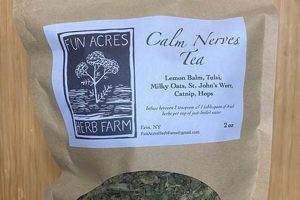
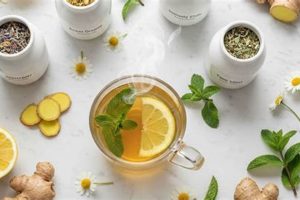
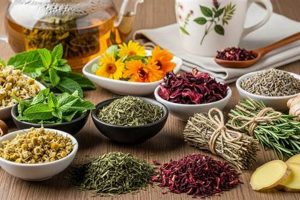
Infusions derived from various plants and consumed as beverages have been traditionally employed to alleviate discomfort associated with inflammation of the stomach lining. These beverages offer a natural approach to soothing the digestive system and reducing related symptoms.
The consumption of these plant-based infusions has historical roots in various cultures, where they were utilized for their perceived therapeutic properties. The potential benefits range from reducing inflammation and soothing irritated tissues to promoting overall digestive well-being, offering a complementary approach alongside conventional treatments.
This article will explore specific plant-derived infusions commonly recommended for easing stomach discomfort, examining their potential mechanisms of action and outlining considerations for their safe and effective utilization.
Guidance on Utilizing Plant-Based Infusions for Stomach Inflammation
The following guidelines offer practical advice for individuals considering the integration of specific infusions into their regimen to manage stomach lining inflammation.
Tip 1: Chamomile Infusion Preparation: Steep dried chamomile flowers in hot water for approximately 5-10 minutes. Consume the resulting infusion warm, ideally between meals or before bedtime, to potentially promote relaxation and reduce inflammation.
Tip 2: Ginger Infusion Considerations: Utilize fresh ginger root, thinly sliced, for optimal potency. Simmer the ginger in water for 15-20 minutes, strain, and consume. Ginger’s anti-inflammatory properties may help alleviate nausea and reduce stomach discomfort.
Tip 3: Licorice Root Infusion Cautions: Deglycyrrhizinated licorice (DGL) is preferred to minimize potential side effects associated with glycyrrhizin. Follow product-specific preparation instructions and consult with a healthcare professional prior to use, particularly if you have pre-existing medical conditions or are taking medications.
Tip 4: Peppermint Infusion Usage: Peppermint may relax the stomach muscles and reduce spasms. Use with caution, as it can exacerbate acid reflux in some individuals. Prepare by steeping dried peppermint leaves in hot water for 5-7 minutes.
Tip 5: Marshmallow Root Infusion Method: Cold infusion is recommended for marshmallow root to preserve its mucilage content. Soak the root in cool water for several hours or overnight. Strain the liquid and consume. The mucilage may provide a protective coating for the stomach lining.
Tip 6: Infusion Temperature and Timing: Consume infusions warm rather than hot to avoid further irritation of the stomach lining. Generally, consumption between meals allows for optimal absorption and potential benefits.
Tip 7: Moderation and Hydration: Incorporate plant-based infusions as a complementary approach rather than a primary treatment. Maintain adequate hydration by consuming sufficient water throughout the day.
Consistent and informed application of these guidelines, in conjunction with medical advice, may contribute to a more effective management strategy for stomach inflammation.
The subsequent sections will delve into potential risks and necessary precautions associated with the utilization of these infusions.
1. Anti-inflammatory Properties

The correlation between anti-inflammatory properties and plant-based infusions for stomach inflammation lies in the potential to mitigate the underlying causes of discomfort. Inflammation of the gastric lining, a hallmark of the condition, can result from various factors, including infection, autoimmune responses, or prolonged exposure to irritants. Infusions with established anti-inflammatory constituents offer a means of modulating the inflammatory response and fostering tissue recovery.
Chamomile, containing compounds like apigenin, exemplifies this mechanism. Apigenin has demonstrated the ability to inhibit the production of pro-inflammatory cytokines, thereby reducing the inflammatory cascade within the stomach. Similarly, gingerol, the active component in ginger, exerts anti-inflammatory effects by inhibiting enzymes involved in inflammatory pathways. The practical significance of these properties is that they provide a natural avenue for addressing the root cause of discomfort, rather than solely masking symptoms.
The efficacy of such infusions is contingent upon various factors, including the severity of the inflammation and the individual’s physiological response. Integrating infusions with anti-inflammatory properties into a comprehensive management plan, under the guidance of a healthcare professional, offers a potentially valuable adjunct to conventional treatments. Future research may further elucidate the specific mechanisms and optimal applications of these plant-derived interventions.
2. Mucosal Protection

The integrity of the stomach’s mucosal lining is paramount in mitigating the symptoms associated with inflammation. A compromised mucosal barrier leaves the underlying tissues vulnerable to gastric acid and other irritants, exacerbating inflammation and discomfort. Certain plant-based infusions, through their inherent properties, offer a means of bolstering this protective barrier and facilitating tissue repair. The connection between mucosal protection and the application of infusions in managing inflammation lies in the potential to directly address the vulnerability of the stomach lining.
Marshmallow root exemplifies this principle. Its mucilage content, when extracted through cold infusion, forms a viscous substance that adheres to the gastric mucosa, creating a physical barrier against acid and irritants. This protective coating reduces direct exposure and allows for the healing of damaged tissues. Slippery elm bark similarly contains mucilage, contributing to a protective layer. The practical application of these infusions lies in their capacity to soothe the inflamed lining and promote a more conducive environment for recovery. For example, individuals experiencing discomfort aggravated by acidic foods may find relief from the mucosal-protective effects of these infusions.
In summary, the concept of mucosal protection is a crucial element in understanding the potential benefits of certain plant-based infusions for addressing stomach inflammation. By forming a protective barrier, these infusions can alleviate symptoms and promote tissue healing. However, it is essential to recognize that these are complementary measures and should not replace conventional medical treatments. Further research is necessary to fully elucidate the mechanisms and optimize the application of mucilage-containing infusions in managing this condition.
3. Acid Reduction
The management of stomach inflammation frequently involves strategies aimed at reducing gastric acid production or neutralizing its effects. Elevated acidity can exacerbate inflammation and impede the healing process of the stomach lining. Certain plant-based infusions are believed to contribute to acid reduction through various mechanisms, thereby alleviating discomfort and fostering a more favorable environment for tissue recovery. The efficacy of these infusions in achieving acid reduction varies depending on the specific herbal composition and individual physiological factors.
Examples of infusions potentially associated with acid reduction include those containing compounds that stimulate mucus production or exert a mild antacid effect. Mucus provides a protective barrier against acid, while some herbal constituents may possess buffering capabilities. However, it is critical to note that these effects are generally milder than those achieved with pharmaceutical interventions such as proton pump inhibitors or H2 receptor antagonists. The practical significance lies in the potential for complementary use alongside conventional treatments, under the guidance of a healthcare professional. Individuals seeking a more natural approach to acid management may explore these options, but should not rely solely on plant-based infusions for severe cases or without medical supervision.
In conclusion, acid reduction is a key consideration in the management of stomach inflammation, and certain plant-based infusions may contribute to this goal through various mechanisms. However, the effectiveness and suitability of these infusions depend on individual circumstances and should be assessed in consultation with a qualified healthcare provider. While promising as complementary therapies, they should not be considered a substitute for conventional medical treatments when appropriate.
4. Muscle relaxation
Muscle relaxation plays a role in managing stomach inflammation by alleviating associated discomfort and promoting overall digestive function. The relationship between muscle tension and digestive disorders, including inflammation of the stomach lining, is complex and often overlooked. Plant-based infusions may offer a natural means of achieving muscle relaxation and mitigating certain symptoms.
- Reduction of Abdominal Spasms
Involuntary muscle contractions within the digestive tract can contribute to pain and discomfort. Specific plant-based infusions possess properties that can help reduce these spasms, leading to symptom relief. For example, peppermint is known for its ability to relax smooth muscles, potentially easing abdominal cramping associated with inflammation. This relaxation can improve overall digestive motility and reduce localized pain.
- Alleviation of Stress-Induced Tension
Stress can manifest physically as muscle tension throughout the body, including the abdomen. This tension can exacerbate stomach inflammation symptoms. Certain plant-based infusions, such as chamomile, have calming effects that can help reduce stress and promote muscle relaxation. By addressing the psychological component of the condition, these infusions can indirectly contribute to symptom management.
- Improvement of Digestive Motility
Muscle relaxation is crucial for optimal digestive motility. When abdominal muscles are tense, the normal flow of food through the digestive system can be disrupted, leading to bloating, constipation, or other digestive issues. Plant-based infusions that promote muscle relaxation can help restore normal motility, allowing for more efficient digestion and reducing discomfort.
- Complementary Therapy for Pain Management
While not a primary treatment for inflammation, muscle relaxation can serve as a valuable complementary therapy for pain management. By reducing muscle tension and spasms, plant-based infusions can help alleviate the overall pain experience associated with the condition. This can improve the individual’s quality of life and reduce the reliance on analgesic medications. Consult a healthcare professional for guidance.
The capacity of certain plant-based infusions to induce muscle relaxation offers a multi-faceted approach to managing inflammation. By reducing abdominal spasms, alleviating stress-induced tension, improving digestive motility, and serving as a complementary therapy for pain management, these infusions contribute to a more holistic approach to symptom relief. Further research is warranted to fully elucidate the specific mechanisms of action and optimal application of these natural remedies.
5. Digestive Support
Effective digestive support is a critical component in managing stomach inflammation and associated symptoms. Select plant-based infusions can contribute to improved digestive function through various mechanisms, offering a complementary approach to conventional medical treatments. The integration of these infusions aims to facilitate optimal nutrient absorption, reduce digestive discomfort, and promote a balanced gastrointestinal environment.
- Enhancement of Gut Microbiome Balance
An imbalance in the gut microbiome can exacerbate stomach inflammation. Certain herbal infusions may indirectly support the growth of beneficial bacteria while inhibiting the proliferation of harmful microorganisms. This balance can contribute to improved digestion and reduced inflammation. For example, infusions with prebiotic properties may nourish beneficial gut bacteria, promoting a healthier gastrointestinal ecosystem.
- Promotion of Enzyme Production
Optimal digestion relies on the sufficient production of digestive enzymes. Specific herbal constituents found in certain infusions may stimulate the release of these enzymes, enhancing the breakdown of food and facilitating nutrient absorption. Improved enzyme activity can reduce digestive distress and promote overall gastrointestinal health.
- Regulation of Gastric Motility
Dysmotility, characterized by either slowed or accelerated gastric emptying, can contribute to digestive discomfort. Certain herbal infusions may help regulate gastric motility, promoting a more consistent and efficient digestive process. Infusions with carminative properties can reduce bloating and gas, further contributing to improved digestive comfort.
- Support for Intestinal Barrier Function
A compromised intestinal barrier, often referred to as “leaky gut,” can allow harmful substances to enter the bloodstream, triggering inflammation. Certain plant-based infusions may help strengthen the intestinal barrier, reducing permeability and minimizing systemic inflammation. This protective effect can contribute to improved overall digestive health and reduced symptoms associated with stomach inflammation.
The multifaceted benefits of plant-based infusions on digestive function underscore their potential as a complementary approach to managing stomach inflammation. By supporting gut microbiome balance, promoting enzyme production, regulating gastric motility, and bolstering intestinal barrier function, these infusions contribute to a more resilient and efficient digestive system. The strategic incorporation of these infusions into a comprehensive treatment plan, in consultation with a healthcare professional, may offer enhanced digestive support and improved overall well-being.
6. Symptom Management

The utilization of plant-based infusions in the context of inflammation frequently centers on the alleviation of associated symptoms. These symptoms, which include abdominal pain, nausea, bloating, and indigestion, significantly impact an individual’s quality of life. The rationale behind employing herbal infusions stems from their potential to address these discomforts through various mechanisms, providing a degree of symptomatic relief. However, it is imperative to recognize that symptom management is a component of a broader strategy and should not be misconstrued as a curative measure.
Certain infusions, such as chamomile and peppermint, possess properties that can soothe the digestive tract and reduce muscle spasms, thus alleviating abdominal pain. Ginger, known for its anti-emetic effects, may help mitigate nausea. Furthermore, some infusions are believed to reduce bloating and gas production. As an example, an individual experiencing inflammation-related indigestion might find that consuming a chamomile infusion after meals helps to reduce discomfort and promote a sense of calmness. This provides a degree of relief and allows the individual to continue daily activities with reduced impediment. The practical significance of this lies in the potential to improve the patient’s well-being and adherence to a comprehensive treatment plan.
It must be emphasized that while plant-based infusions can offer symptomatic relief, they do not address the underlying cause of inflammation. Effective management typically requires a multifaceted approach, including dietary modifications, lifestyle adjustments, and, in some cases, medical interventions. The integration of herbal infusions should be viewed as a complementary strategy aimed at improving symptom control and enhancing the overall effectiveness of the treatment plan. It is important that any use of herbal teas, in conjunction with medical advice, can improve the efficiency of stomach illness recovery and control. Therefore the patient can experience the advantages of the treatment given.
Frequently Asked Questions
The subsequent section addresses common inquiries regarding the use of plant-based infusions as a complementary approach to managing stomach inflammation. The information provided serves to enhance understanding and promote informed decision-making.
Question 1: Can plant-based infusions replace conventional medical treatment for stomach inflammation?
Plant-based infusions are not a substitute for conventional medical treatment. They may serve as a complementary strategy to manage symptoms and promote overall digestive health, but should not replace prescribed medications or other medical interventions deemed necessary by a healthcare professional.
Question 2: Are there any potential side effects associated with consuming plant-based infusions for stomach inflammation?
Side effects are possible, although generally mild. Certain infusions may interact with medications or exacerbate existing medical conditions. It is essential to research potential interactions and consult with a healthcare provider prior to incorporating new infusions into a regimen. Allergic reactions are also possible.
Question 3: How long does it typically take to experience the benefits of plant-based infusions for stomach inflammation?
The timeframe for experiencing benefits varies significantly among individuals and depends on factors such as the severity of the inflammation and the specific infusions utilized. Consistent and appropriate use, in conjunction with other recommended measures, may yield noticeable improvements within a few weeks. However, individual results may vary.
Question 4: Are all plant-based infusions safe for consumption during pregnancy or breastfeeding?
Not all plant-based infusions are safe for consumption during pregnancy or breastfeeding. Certain herbs may possess properties that could be harmful to the developing fetus or infant. Consultation with a healthcare professional or qualified herbalist is crucial prior to using any infusions during these periods.
Question 5: How should plant-based infusions be prepared to maximize their potential benefits for stomach inflammation?
Preparation methods vary depending on the specific herb. Adhering to recommended steeping times and temperatures is essential to extract beneficial compounds effectively. Cold infusions may be preferred for certain herbs, such as marshmallow root, to preserve their mucilage content.
Question 6: Can plant-based infusions interact with prescription medications used to treat stomach inflammation?
Potential interactions between plant-based infusions and prescription medications exist. It is imperative to inform a healthcare provider about all herbal supplements being used to assess potential risks and ensure safe and effective treatment. Certain herbs may affect the absorption, metabolism, or excretion of medications.
The information provided in this FAQ section is intended for educational purposes and should not be interpreted as medical advice. Individuals experiencing stomach inflammation should consult with a qualified healthcare professional for appropriate diagnosis and treatment.
The following section will discuss lifestyle modifications and dietary considerations that can further support the management of stomach inflammation.
Conclusion
The exploration of “herbal teas for gastritis” reveals a nuanced understanding of their potential role in symptom management and digestive support. While not a replacement for conventional medical interventions, specific plant-based infusions demonstrate promise in alleviating discomfort, promoting mucosal protection, and fostering a more balanced gastrointestinal environment. The efficacy of these infusions relies on informed selection, proper preparation, and responsible integration into a comprehensive treatment plan.
Continued research and clinical validation are essential to fully elucidate the mechanisms of action and optimize the application of “herbal teas for gastritis” in managing stomach inflammation. Individuals experiencing related symptoms should consult with qualified healthcare professionals to determine the most appropriate course of treatment, considering both conventional and complementary approaches. Further advancements in this area hold the potential to improve the quality of life for those affected by this condition.