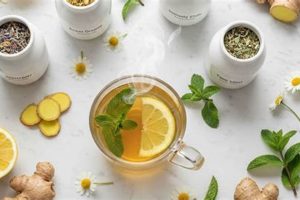
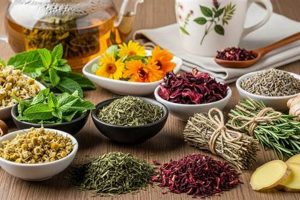
Beverages crafted from infusions or decoctions of herbs and botanicals can provide relief from acid indigestion. Certain plant-derived compounds possess properties that may soothe the digestive tract and reduce the symptoms associated with gastric backflow. Chamomile, ginger, and licorice root are common examples used to alleviate discomfort.
These natural remedies have a history spanning centuries, with traditional medicinal systems employing them for their perceived health-promoting qualities. The potential advantages extend beyond symptom management, as some herbs contain antioxidants and anti-inflammatory agents. Careful selection and preparation are crucial to maximizing the potential therapeutic effect, while considering any possible interactions with medications or pre-existing conditions.
The following discussion will examine specific types of herbal infusions, their mechanisms of action in relation to gastric distress, recommended preparation methods, and essential safety considerations. The information presented intends to provide a foundational understanding of utilizing botanical remedies for symptomatic relief.
Guidance on Botanical Infusions for Acid Reflux Mitigation
The following points offer guidance when considering the use of plant-based infusions to alleviate symptoms related to acid regurgitation. Diligence in preparation and selection is vital.
Tip 1: Employ Chamomile with Discretion: Chamomile possesses calming properties that may reduce esophageal sensitivity. However, individuals with ragweed allergies should exercise caution due to potential cross-reactivity.
Tip 2: Ginger Consumption Requires Moderation: Ginger can stimulate gastric emptying, potentially reducing the duration of reflux events. Excessive intake, however, may exacerbate symptoms in some individuals.
Tip 3: Licorice Root Should Be Deglycyrrhizinated (DGL): Standard licorice root can elevate blood pressure. Opt for the DGL form, which has the glycyrrhizin removed to minimize this risk, while potentially retaining its soothing effects on the stomach lining.
Tip 4: Consider Marshmallow Root: Marshmallow root contains mucilage, which may coat and protect the esophagus. This offers a barrier against gastric acid exposure.
Tip 5: Steep Infusions Appropriately: Adhere to recommended steeping times for each herb to maximize the extraction of beneficial compounds. Over-steeping may result in a bitter taste.
Tip 6: Monitor for Adverse Reactions: Discontinue use immediately if any adverse effects, such as allergic reactions or digestive upset, occur.
Tip 7: Consult a Healthcare Professional: Individuals with underlying medical conditions or those taking medications should seek guidance from a healthcare provider prior to initiating regular consumption.
These considerations underline the importance of careful and informed usage of botanical infusions for managing acid regurgitation symptoms. Individual responses may vary, and professional guidance is essential for safe and effective implementation.
Subsequent sections will address potential interactions and contraindications associated with specific herbal remedies, furthering the understanding of their appropriate utilization.
1. Esophageal Soothing

Esophageal soothing, in the context of utilizing botanical infusions to alleviate acid reflux symptoms, refers to the ability of certain herbs to provide a protective or palliative effect on the lining of the esophagus. Acid reflux involves the backflow of stomach contents, including hydrochloric acid, into the esophagus, causing irritation and inflammation. Infusions containing specific plant compounds can mitigate this discomfort through various mechanisms. For example, herbs containing mucilage, such as marshmallow root, create a viscous layer that physically coats the esophageal mucosa, forming a barrier against the damaging effects of stomach acid. This coating can reduce the sensation of burning and promote healing of damaged tissue.
The importance of esophageal soothing as a component of botanical remedies for reflux lies in its direct impact on symptom relief and tissue recovery. Unlike antacids, which primarily neutralize stomach acid, herbs offering a soothing effect target the inflamed esophageal lining. Chamomile, while primarily known for its calming properties, may also contribute to esophageal comfort by reducing inflammation and muscle spasms in the area. The practical significance is evidenced in the increased use of marshmallow root infusions among individuals seeking relief from heartburn and esophageal irritation, often as a complementary therapy to conventional treatments. Proper preparation, such as allowing the herb to steep for an extended period to maximize mucilage release, is crucial for realizing this benefit.
In conclusion, esophageal soothing represents a vital aspect of herbal approaches to managing acid reflux. By targeting the inflamed and irritated esophageal lining, these infusions offer a potential means of alleviating discomfort and promoting tissue repair. However, individuals must consider potential allergies and interactions and consult with a healthcare provider to ensure safe and effective implementation. Understanding the specific mechanisms by which different herbs contribute to esophageal comfort is essential for informed decision-making and maximizing the potential therapeutic benefit.
2. Gastric acid buffering

Gastric acid buffering, concerning botanical infusions for acid reflux, involves mitigating the acidity of stomach contents through various mechanisms. While herbal teas do not typically possess the strong neutralizing capabilities of pharmaceutical antacids, select herbs can contribute to a reduction in the irritant effect of gastric acid, thereby lessening reflux symptoms. This buffering action is crucial for individuals seeking a more natural or complementary approach to managing their condition.
- Salivary Stimulation
Certain herbs, when consumed as infusions, can stimulate saliva production. Saliva contains bicarbonate, a natural buffer that neutralizes stomach acid. While the buffering capacity is modest, the increased saliva flow aids in clearing the esophagus of refluxed acid, reducing its contact time with the sensitive lining. Peppermint and chamomile, though not direct buffers, can contribute to this effect.
- Mucilage Content
Herbs containing mucilage, such as marshmallow root and slippery elm, can form a protective layer in the stomach. While this layer does not directly neutralize acid, it creates a physical barrier between the stomach lining and the acidic contents, effectively reducing the potential for acid-induced damage and discomfort. This indirect buffering action is particularly beneficial for individuals experiencing erosive esophagitis.
- Weak Alkaline Properties
Some herbs possess slightly alkaline properties. When ingested as an infusion, these herbs can contribute minimally to neutralizing gastric acid. However, the effect is significantly less pronounced than that of conventional antacids containing calcium carbonate or magnesium hydroxide. The benefit lies more in their holistic effects on digestion and inflammation rather than a direct and potent buffering action.
- Promotion of Gastric Emptying
Ginger, while not a direct buffer, promotes gastric emptying. By accelerating the movement of stomach contents into the small intestine, ginger reduces the volume of acid available for reflux. This indirect mechanism contributes to mitigating reflux symptoms, especially when combined with other lifestyle and dietary modifications.
The contribution of these multifaceted approaches with botanical infusions offers a safe relief, it can be beneficial for symptoms, but it is essential to consult with healthcare professional and not intended to be a replacement to conventional treatment.
3. Inflammation reduction

Inflammation of the esophageal lining represents a significant contributor to the discomfort associated with acid reflux. Certain botanical infusions possess anti-inflammatory properties that can mitigate this inflammation, providing symptomatic relief. Understanding the specific mechanisms by which these infusions exert their effects is crucial for informed application.
- Polyphenols and Antioxidants
Many herbs contain polyphenols and other antioxidant compounds. These substances combat oxidative stress, a key driver of inflammation. By neutralizing free radicals, these antioxidants reduce cellular damage and subsequent inflammatory responses in the esophageal tissue. Examples include chamomile and green tea, both of which contain various flavonoids known for their anti-inflammatory action. Regular consumption may contribute to a decrease in esophageal inflammation over time.
- Inhibition of Inflammatory Mediators
Some herbs can inhibit the production or activity of inflammatory mediators such as cytokines and prostaglandins. These molecules play a central role in the inflammatory cascade. By suppressing their production, herbal infusions can attenuate the inflammatory response in the esophagus. Ginger, for instance, contains compounds like gingerol that have been shown to inhibit prostaglandin synthesis. Similarly, licorice root has anti-inflammatory properties linked to the inhibition of specific cytokines.
- Modulation of the Immune Response
Chronic inflammation can result from an overactive immune response. Certain herbs exhibit immunomodulatory effects, helping to balance the immune system and reduce the inflammatory reaction in the esophagus. While the precise mechanisms are complex and vary depending on the specific herb, they often involve regulating the activity of immune cells and the production of antibodies. Turmeric, containing curcumin, is one such example, demonstrating potential in modulating immune responses and reducing inflammation.
- Promotion of Tissue Repair
Beyond directly reducing inflammation, some herbal infusions can promote tissue repair in the damaged esophageal lining. This occurs through various mechanisms, including stimulating cell proliferation and enhancing the production of collagen, a key structural protein. Marshmallow root, with its mucilage content, can create a protective layer that aids in healing damaged tissue while also reducing inflammation.
The incorporation of botanical infusions with anti-inflammatory properties into a comprehensive approach to managing acid reflux can offer a valuable adjunct to conventional therapies. While not a substitute for medical treatment, these infusions can contribute to reducing esophageal inflammation and improving overall well-being. Careful selection of herbs based on individual needs and potential interactions is essential.
4. Muscle Relaxation
Muscle relaxation plays a significant role in mitigating acid reflux symptoms through its influence on the lower esophageal sphincter (LES), a muscular valve that prevents stomach contents from flowing back into the esophagus. Dysfunction or weakening of the LES is a primary cause of acid reflux. Certain herbal infusions can promote muscle relaxation, potentially improving LES function and reducing the frequency of reflux episodes. The mechanism involves compounds that act on smooth muscle tissue, altering its contractile state. For instance, chamomile contains constituents that may exert a mild relaxant effect on the LES, improving its ability to remain closed and prevent the upward flow of gastric acid. Similarly, peppermint, while often used for digestive comfort, can also relax the LES; however, this effect necessitates cautious use, as excessive relaxation could exacerbate reflux in some individuals. The importance of muscle relaxation lies in addressing a core physiological mechanism underlying acid reflux, offering a complementary approach to managing symptoms.
Practical applications of this understanding include the strategic selection of herbal infusions based on their muscle-relaxing properties. Individuals experiencing reflux may benefit from incorporating chamomile tea into their daily routine, particularly before bedtime, to promote LES integrity during sleep. Conversely, those with severe reflux should exercise caution with peppermint tea, monitoring their symptoms closely. Furthermore, the effect of herbal infusions on muscle relaxation extends beyond the LES, potentially influencing the motility of the digestive tract. Relaxing abdominal muscles can facilitate the smooth passage of food, preventing pressure buildup that can contribute to reflux. This holistic effect highlights the potential of herbal remedies to address multiple aspects of digestive function.
In summary, muscle relaxation, as influenced by certain botanical infusions, represents a key component in managing acid reflux symptoms. By targeting the LES and promoting overall digestive comfort, these herbs offer a natural means of alleviating reflux. Challenges lie in the variability of individual responses and the potential for certain herbs, like peppermint, to exacerbate symptoms in some cases. Therefore, a personalized approach, guided by professional advice, is essential for safely and effectively incorporating muscle-relaxing herbal infusions into a reflux management strategy.
5. Digestive motility

Digestive motility, the process by which food is moved through the digestive tract, has a direct impact on the occurrence and severity of acid reflux. Impaired motility can lead to delayed gastric emptying, increasing the pressure within the stomach and raising the likelihood of gastric contents refluxing into the esophagus. Certain herbal infusions can influence digestive motility, either by promoting faster emptying or by easing spasms that may hinder the normal progression of food. Herbs such as ginger, known for its prokinetic properties, can stimulate gastric emptying and reduce the residence time of food in the stomach. This, in turn, reduces the probability of reflux. Conversely, some herbs may have a relaxing effect on the digestive tract, easing spasms that contribute to discomfort and potentially improving overall motility. The importance of digestive motility as a component of herbal remedies for reflux lies in addressing one of the underlying causes of the condition, rather than merely masking the symptoms. For instance, incorporating ginger tea into a post-meal routine may aid in preventing reflux in individuals with slow gastric emptying.
Furthermore, the impact of herbal infusions on digestive motility extends beyond gastric emptying. Herbs like peppermint (used cautiously due to its potential to relax the LES) and chamomile can ease intestinal spasms, promoting a smoother and more efficient passage of food through the intestines. This reduction in intestinal congestion can alleviate abdominal discomfort and indirectly reduce the likelihood of reflux. Practical applications involve tailoring the selection of herbal infusions to the individual’s specific motility issues. Someone with constipation-predominant reflux may benefit from herbs that promote bowel movements, while someone with spasmodic abdominal pain may find relief with antispasmodic herbs. However, caution is warranted, as some individuals may experience adverse effects from certain herbs; peppermint, for example, can exacerbate reflux symptoms in some people due to its relaxant effect on the LES.
In conclusion, the relationship between digestive motility and herbal remedies for acid reflux is multifaceted, involving both prokinetic and antispasmodic effects. By addressing impaired motility, herbal infusions can contribute to a reduction in reflux symptoms. The challenge lies in accurately identifying the individual’s specific motility issues and selecting the appropriate herbs accordingly. A personalized approach, guided by a healthcare professional, is essential for safely and effectively utilizing herbal infusions to improve digestive motility and manage acid reflux.
6. Antioxidant action
Antioxidant action, as it relates to herbal infusions for acid reflux, is a multifaceted concept centered on the ability of certain plant compounds to neutralize free radicals and reduce oxidative stress. Reflux esophagitis, a common consequence of chronic acid exposure, leads to inflammation and tissue damage within the esophagus. Oxidative stress, characterized by an imbalance between the production of reactive oxygen species (ROS) and the body’s ability to detoxify them, exacerbates this damage. Herbal infusions rich in antioxidants can help mitigate these effects by scavenging free radicals and reducing the inflammatory cascade triggered by oxidative stress. For example, chamomile and green tea contain flavonoids, such as quercetin and catechins, respectively, that possess potent antioxidant properties. These compounds can help protect esophageal cells from damage, potentially aiding in tissue repair and reducing the severity of reflux symptoms. The importance of antioxidant action in this context stems from its role in addressing the underlying pathophysiology of reflux esophagitis and promoting long-term esophageal health.
The practical significance of understanding the connection between antioxidant action and herbal infusions lies in informed selection. While various herbal teas offer potential benefits for reflux, those with a higher antioxidant content may provide additional protection against esophageal damage. For instance, rooibos tea, another source of flavonoids, can be a suitable alternative for individuals seeking a caffeine-free beverage with antioxidant properties. It is also essential to acknowledge that antioxidant action is just one component of the overall benefit of herbal infusions for reflux. Other factors, such as anti-inflammatory and mucoprotective effects, also contribute to symptom relief. Furthermore, the effectiveness of antioxidants can be influenced by factors such as bioavailability and individual differences in metabolism. Therefore, a holistic approach that considers multiple aspects of herbal infusions is warranted.
In summary, antioxidant action represents a valuable aspect of the potential benefits offered by certain herbal infusions for acid reflux. By combating oxidative stress and protecting esophageal tissue, these infusions can contribute to reducing inflammation and promoting healing. While further research is needed to fully elucidate the specific mechanisms and optimal dosages, the understanding of antioxidant action provides a rationale for incorporating antioxidant-rich herbal teas into a comprehensive reflux management strategy. The challenges lie in accurately quantifying the antioxidant content of different infusions and determining their long-term impact on esophageal health. Future studies should focus on addressing these gaps in knowledge to provide more definitive recommendations.
7. Safety consideration
Safety considerations are paramount when utilizing herbal infusions to manage acid reflux. The inherent assumption that “natural” equates to “safe” is a fallacy. Many herbs possess potent pharmacological properties that can interact with medications, exacerbate pre-existing conditions, or trigger adverse reactions. Consequently, a thorough assessment of potential risks is essential before initiating regular consumption. The etiology of reflux, individual health status, and concurrent medications are key determinants in assessing the safety profile of any herbal remedy. Failure to consider these factors can result in unintended and potentially harmful consequences. For example, individuals with hypertension should avoid licorice root due to its potential to elevate blood pressure. Similarly, those with ragweed allergies may experience cross-reactivity with chamomile.
The practical significance of safety considerations in the context of herbal infusions for reflux is underscored by numerous examples of adverse events reported in scientific literature. Case studies have documented instances of herb-drug interactions, allergic reactions, and exacerbation of underlying medical conditions. Therefore, it is imperative to consult a qualified healthcare professional or herbalist prior to using herbal remedies, especially if the individual is pregnant, breastfeeding, has chronic illnesses, or is taking prescription medications. This consultation should encompass a comprehensive review of the individual’s medical history, current medications, and potential contraindications. Additionally, it is crucial to source herbal products from reputable suppliers to ensure quality and purity. Adulteration with contaminants or misidentification of plant species can pose significant health risks. Proper dosage and preparation methods are also critical, as excessive consumption or improper steeping can alter the pharmacological effects of the herb.
In conclusion, safety considerations constitute an integral component of any informed approach to managing acid reflux with herbal infusions. While certain herbs may offer potential benefits, a thorough understanding of their potential risks and interactions is essential to minimize the likelihood of adverse events. The challenge lies in bridging the gap between traditional knowledge and evidence-based medicine, ensuring that the use of herbal remedies is grounded in sound scientific principles. A proactive approach that prioritizes safety and emphasizes individualized assessment is crucial for maximizing the potential benefits of herbal infusions while mitigating potential harm. This necessitates ongoing research to further elucidate the safety profiles of various herbs and their interactions with conventional treatments.
Frequently Asked Questions
The subsequent questions and answers address common inquiries and concerns regarding the use of botanical infusions in managing acid reflux symptoms. The information provided aims to offer clarity and guidance based on current knowledge.
Question 1: Can herbal teas completely replace conventional acid reflux medications?
Herbal teas are generally considered a complementary therapy and are not intended to replace prescribed medications for acid reflux. Their efficacy in severe cases may be limited, and a healthcare professional should be consulted regarding the appropriate treatment plan.
Question 2: What are the potential side effects associated with consuming herbal teas for reflux?
Side effects vary depending on the specific herb. Some individuals may experience allergic reactions, digestive upset, or interactions with medications. Thorough research and consultation with a healthcare provider are recommended before regular consumption.
Question 3: How long does it typically take to experience relief from reflux symptoms after starting herbal tea consumption?
The time frame for experiencing relief varies among individuals. Some may notice improvements within a few days, while others may require several weeks of consistent use. Factors such as the severity of reflux and individual response to the herb influence the outcome.
Question 4: Are all types of herbal tea safe for pregnant or breastfeeding women experiencing reflux?
Certain herbs are contraindicated during pregnancy and breastfeeding due to potential risks to the fetus or infant. Consultation with a healthcare provider is crucial to determine the safety of specific herbal teas in these situations.
Question 5: Can herbal teas interact with prescription medications used to treat other medical conditions?
Yes, herbal teas can potentially interact with prescription medications, altering their effectiveness or increasing the risk of side effects. Individuals taking medications should consult with a healthcare provider or pharmacist before consuming herbal teas regularly.
Question 6: Is there a recommended dosage or frequency for consuming herbal tea to manage reflux symptoms?
Dosage and frequency recommendations vary depending on the specific herb and the individual’s health status. It is advisable to start with a low dose and gradually increase as tolerated, while closely monitoring for any adverse effects. Consulting a qualified herbalist or healthcare provider is recommended for personalized guidance.
The information provided in this FAQ section is intended for general knowledge and informational purposes only, and does not constitute medical advice. It is essential to seek professional medical advice for any health concerns or before making any decisions related to your health or treatment.
The subsequent sections will delve into the practical considerations for incorporating herbal tea into a holistic approach to reflux management, including dietary and lifestyle modifications.
Herbal Tea for Reflux
The preceding examination has elucidated various facets of utilizing botanical infusions for the symptomatic relief of acid indigestion. Key aspects explored include the mechanisms by which specific herbs may soothe the esophagus, buffer gastric acid, reduce inflammation, promote muscle relaxation, and improve digestive motility. Additionally, the crucial role of antioxidant action in protecting esophageal tissue was underscored. Throughout the discussion, the importance of adhering to safety considerations and seeking professional guidance has been emphasized, highlighting the potential risks associated with indiscriminate use.
Ultimately, the integration of botanical infusions into a comprehensive reflux management strategy necessitates informed decision-making and personalized application. While these remedies may offer a valuable adjunct to conventional treatments, they are not a substitute for medical intervention in severe or persistent cases. Continued research is essential to further elucidate the specific efficacy and safety profiles of individual herbs, thereby facilitating evidence-based recommendations and optimizing patient outcomes. A commitment to diligent investigation and responsible utilization remains paramount in harnessing the potential benefits of plant-derived therapies for the amelioration of acid reflux.