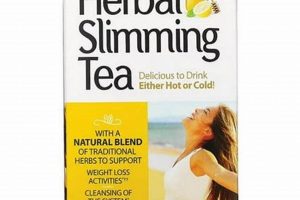
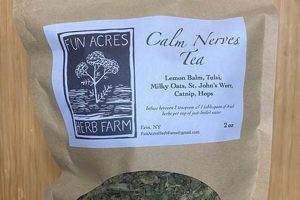
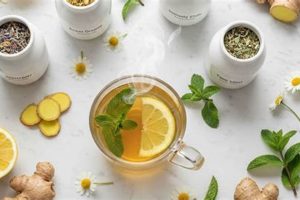
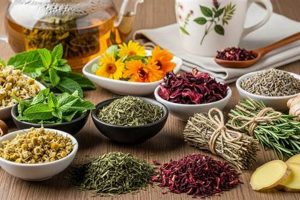
Specifically formulated infusions derived from plants are sometimes considered as supportive elements in managing the symptoms associated with Polycystic Ovary Syndrome. These beverages, distinct from traditional teas that originate from Camellia sinensis, utilize various herbs recognized for their purported therapeutic properties. As an example, a blend incorporating spearmint and licorice root might be consumed with the intention of modulating hormone levels.
The significance lies in the potential to offer a natural, complementary approach to conventional medical treatments. Throughout history, diverse cultures have utilized plant-based remedies for hormonal imbalances and reproductive health concerns. The perceived benefits encompass a range of effects, including anti-inflammatory actions, insulin sensitization, and androgen regulation. This positions these preparations as potentially valuable adjuncts in a holistic management plan.
The subsequent sections will delve into specific herbal preparations commonly explored for their impact on PCOS, outlining their proposed mechanisms of action, available scientific evidence, and crucial considerations for safe and effective use. Furthermore, the information below clarifies potential interactions with medications and emphasizes the importance of consulting with a healthcare professional before incorporating these infusions into a treatment regimen.
Considerations for Using Herbal Infusions
Integrating plant-based infusions as a complementary approach requires careful planning and awareness of potential effects. The following points offer guidance for informed decision-making.
Tip 1: Consult a Healthcare Provider: Prior to incorporating any herbal preparation, a consultation with a physician or qualified herbalist is essential. This ensures safety and compatibility with existing medications or medical conditions.
Tip 2: Research Specific Herbs: Thoroughly investigate the properties of each herb under consideration. Understanding the potential benefits, side effects, and contraindications is crucial for responsible use.
Tip 3: Source Reputable Products: Select high-quality, certified organic products from trusted suppliers. This minimizes the risk of contamination and ensures accurate herbal identification.
Tip 4: Start with Low Doses: Initiate consumption with small quantities to assess individual tolerance and sensitivity. Gradual increases allow for monitoring of any adverse reactions.
Tip 5: Monitor for Side Effects: Pay close attention to any changes in health or well-being. Discontinue use and seek medical advice if any unexpected or concerning symptoms arise.
Tip 6: Be Mindful of Interactions: Recognize the potential for interactions with prescription drugs, over-the-counter medications, and other supplements. Professional guidance can help mitigate these risks.
Tip 7: Maintain Realistic Expectations: Understand that herbal remedies are not a substitute for conventional medical treatment. They should be viewed as supportive measures within a comprehensive management plan.
Adherence to these guidelines promotes a safe and informed approach to utilizing plant-based infusions. It is important to recognize that individual responses may vary.
The following sections will provide a summary of the evidence surrounding the efficacy of various herbal teas for PCOS, further emphasizing the necessity of individualized and medically supervised treatment strategies.
1. Hormonal Balance

Hormonal balance is a central concern in Polycystic Ovary Syndrome, and certain plant-based infusions are explored for their potential to influence this balance. PCOS is frequently characterized by an elevated level of androgens (such as testosterone) and an imbalance in estrogen and progesterone. The rationale behind using herbal remedies lies in the belief that specific compounds can modulate these hormonal pathways. For example, spearmint is thought to possess anti-androgenic properties, potentially reducing testosterone levels and alleviating symptoms like hirsutism and acne. Similarly, chasteberry (Vitex agnus-castus) is traditionally used to support progesterone production, which might help regulate menstrual cycles.
The efficacy of these infusions in achieving hormonal balance remains a subject of ongoing investigation. Clinical trials examining the effects of spearmint and chasteberry on hormone levels in women with PCOS have yielded mixed results. While some studies suggest potential benefits, others report no significant impact. It is critical to acknowledge that the hormonal system is complex and influenced by multiple factors, including genetics, diet, and lifestyle. Herbal interventions are unlikely to be a standalone solution but may serve as an adjunct to conventional medical treatments and lifestyle modifications.
In conclusion, the connection between hormonal balance and plant-based infusions in PCOS management is rooted in the attempt to naturally modulate key hormonal pathways affected by the syndrome. The practical significance lies in potentially alleviating associated symptoms. However, the evidence supporting the effectiveness of these infusions is not conclusive, and a cautious, individualized approach is warranted, always in consultation with a healthcare provider to determine safe and appropriate use within a comprehensive treatment strategy.
2. Anti-inflammatory action
Chronic inflammation is increasingly recognized as a contributing factor to the pathogenesis and symptom severity of Polycystic Ovary Syndrome. Plant-derived infusions are sometimes investigated for their potential anti-inflammatory effects, offering a complementary approach to managing PCOS. The following details the relationship.
- Inflammation’s Role in PCOS
Elevated levels of inflammatory markers, such as C-reactive protein (CRP) and interleukin-6 (IL-6), are often observed in individuals with PCOS. This chronic low-grade inflammation is linked to insulin resistance, impaired ovulation, and increased risk of cardiovascular disease. Therefore, addressing inflammation can be a crucial component of PCOS management. For example, women with PCOS who also exhibit insulin resistance often have higher levels of inflammatory cytokines, which exacerbate metabolic dysfunction. Reducing inflammation may improve insulin sensitivity and reduce the risk of developing type 2 diabetes.
- Specific Herbs with Anti-inflammatory Properties
Certain herbs possess recognized anti-inflammatory compounds. Turmeric, containing curcumin, is well-known for its potent anti-inflammatory effects. Ginger also exhibits similar properties, potentially inhibiting the production of inflammatory prostaglandins. Other herbs, such as licorice root and green tea, contain compounds that may modulate inflammatory pathways. The relevance to PCOS lies in the possibility of these herbs mitigating the systemic inflammation associated with the condition. For instance, a study investigating the effects of curcumin supplementation in women with PCOS showed a reduction in inflammatory markers and improved insulin sensitivity, though further research is required.
- Mechanism of Action
The anti-inflammatory action of these herbs typically involves interfering with inflammatory signaling pathways. Curcumin, for example, can inhibit the activation of NF-B, a key transcription factor involved in the expression of pro-inflammatory genes. Gingerols, found in ginger, can suppress the production of inflammatory cytokines like TNF- and IL-1. By modulating these pathways, herbal infusions may help reduce systemic inflammation and its associated consequences. The relevance here suggests that regular consumption of herbal teas with anti-inflammatory properties could potentially help reduce the burden of chronic inflammation in women with PCOS.
- Considerations and Limitations
It is crucial to acknowledge that the evidence supporting the anti-inflammatory effects of herbal infusions in PCOS is still evolving. While some studies show promising results, others report limited or no significant effects. Factors such as dosage, preparation methods, and individual variability can influence the outcome. Moreover, herbal remedies should not be considered a substitute for conventional medical treatments or lifestyle modifications. Further research is needed to determine the optimal use of these herbs and to assess their long-term safety and efficacy. Furthermore, individual consultations with healthcare providers are still required.
In conclusion, the use of plant-derived infusions to address inflammation in PCOS presents a potentially beneficial, yet complex, approach. While some herbs demonstrate promising anti-inflammatory properties, the evidence remains preliminary. Integration of such infusions into a comprehensive management plan requires careful consideration and consultation with healthcare professionals.
3. Insulin sensitivity

Insulin sensitivity, or conversely, insulin resistance, represents a critical metabolic factor in Polycystic Ovary Syndrome. A significant proportion of individuals with PCOS exhibit insulin resistance, impacting glucose metabolism, ovarian function, and overall hormonal balance. Plant-derived infusions are explored for their potential role in improving insulin sensitivity within the context of PCOS management. The following details these factors.
- The Role of Insulin Resistance in PCOS
Insulin resistance disrupts normal glucose metabolism, leading to elevated blood glucose levels and compensatory hyperinsulinemia (high insulin levels). This excess insulin can stimulate androgen production in the ovaries, exacerbating hormonal imbalances characteristic of PCOS. Furthermore, insulin resistance is associated with weight gain, dyslipidemia, and increased risk of type 2 diabetes and cardiovascular disease. Addressing insulin resistance, therefore, is a cornerstone of PCOS management strategies. For example, increased androgens cause irregular periods, ovarian cysts and metabolic syndrome, therefore it’s need to decrease it.
- Herbal Teas and Insulin Sensitivity: Potential Mechanisms
Certain plant-derived infusions are believed to influence insulin sensitivity through various mechanisms. Cinnamon, for instance, contains compounds that may enhance insulin signaling pathways and improve glucose uptake by cells. Other herbs, such as fenugreek and gymnema sylvestre, have demonstrated potential to lower blood glucose levels and improve insulin sensitivity in preclinical and clinical studies. The hypothesis is that regular consumption of these infusions could support improved metabolic function in individuals with PCOS. A study of women with PCOS suggested that consuming cinnamon could lead to improvements in fasting blood glucose and insulin resistance, though further confirmatory trials are needed.
- Specific Herbal Examples and Evidence
Several herbal infusions have been studied for their effects on insulin sensitivity in the context of PCOS. Berberine, a compound found in several plants including goldenseal and barberry, has shown promising results in improving insulin sensitivity and lowering blood glucose levels. Similarly, fenugreek seeds contain compounds that may slow down carbohydrate absorption and improve insulin secretion. The evidence, however, remains somewhat limited and requires further rigorous investigation through large-scale clinical trials. As an example, a systematic review of studies evaluating berberine’s effect on PCOS found a beneficial impact on insulin resistance and hormonal parameters. However, the review also emphasized the need for higher-quality, well-controlled trials to confirm these findings.
- Considerations and Limitations
The use of herbal infusions to improve insulin sensitivity in PCOS should be approached with caution and under the guidance of a healthcare professional. Herbal remedies are not a substitute for conventional medical treatments, and their efficacy and safety can vary depending on individual factors. It is important to select high-quality products from reputable sources and to be aware of potential interactions with medications. Furthermore, lifestyle modifications, such as diet and exercise, remain essential components of managing insulin resistance in PCOS. Herbal infusions may serve as a complementary strategy but should not be relied upon as the sole treatment approach. For instance, some herbs may interact with common medications used to manage PCOS, such as metformin or birth control pills. Therefore, open communication with a healthcare provider is crucial to ensure safe and effective use.
In summary, plant-derived infusions represent an area of potential benefit in addressing insulin resistance associated with PCOS. While some herbs have shown promise in improving insulin sensitivity, the evidence is still evolving. These infusions should be considered as part of a comprehensive management plan that includes lifestyle modifications and conventional medical treatments, with careful consideration given to potential interactions and individual variability.
4. Androgen regulation

Elevated androgen levels constitute a hallmark feature of Polycystic Ovary Syndrome (PCOS), contributing significantly to its diverse clinical manifestations. These androgens, including testosterone and androstenedione, can lead to hirsutism, acne, alopecia, and menstrual irregularities. Consequently, strategies aimed at androgen regulation are central to the management of PCOS. Certain plant-derived infusions are explored as potential adjuncts in achieving this hormonal modulation. The underlying principle is that specific phytochemicals within these herbal preparations may influence androgen production, metabolism, or receptor activity, thereby mitigating the effects of excess androgens.
For example, spearmint Mentha spicata is considered to possess anti-androgenic properties. Studies suggest that spearmint can reduce free testosterone levels by inhibiting enzymes involved in androgen synthesis or by increasing the binding of testosterone to sex hormone-binding globulin (SHBG), rendering it less biologically active. This reduction in free testosterone can potentially alleviate symptoms such as hirsutism and acne. Similarly, licorice root Glycyrrhiza glabra contains glycyrrhizin, which can also lower androgen levels by inhibiting 17-hydroxysteroid dehydrogenase, an enzyme involved in testosterone production. These mechanisms underscore the potential for targeted action of herbal constituents on androgen pathways. It is important to highlight the differences between the in vitro and in vivo results, because the absorption and metabolism of the chemical compounds in the teas can be affect the expected results.
In conclusion, androgen regulation represents a crucial target in the therapeutic landscape of PCOS. While the evidence supporting the efficacy of plant-derived infusions in achieving significant androgen reduction is still evolving, the mechanistic plausibility and anecdotal evidence warrant further investigation. It is imperative that the incorporation of these infusions into a treatment regimen be guided by a healthcare professional, taking into account individual hormonal profiles, potential interactions with medications, and the need for a comprehensive approach to PCOS management that includes lifestyle modifications and, when necessary, conventional pharmaceutical interventions.
5. Menstrual regularity
Menstrual regularity constitutes a primary concern for individuals diagnosed with Polycystic Ovary Syndrome (PCOS). Infrequent or absent menstrual cycles are common manifestations, stemming from hormonal imbalances and ovulatory dysfunction. Herbal interventions are sometimes considered as complementary strategies to address these irregularities and promote more predictable cycles. The subsequent points delineate facets relevant to the exploration of such interventions.
- Hormonal Imbalance Correction
PCOS-related menstrual irregularities frequently arise from an imbalance between estrogen, progesterone, and androgens. Certain plant-derived infusions are theorized to exert influence over these hormonal axes. Chasteberry (Vitex agnus-castus), for example, has traditionally been employed to modulate prolactin levels and support progesterone production, potentially facilitating more regular ovulation. Spearmint (Mentha spicata) is explored for its anti-androgenic properties, which could indirectly improve menstrual cyclicity by reducing the impact of excess androgens. The potential application lies in restoring a more favorable hormonal milieu conducive to regular menstruation. For instance, consistent use of chasteberry infusions, under medical supervision, has been observed to shorten menstrual cycles in some individuals with PCOS. Results are mixed, and further analysis is needed.
- Insulin Sensitization Effects
Insulin resistance, a common feature of PCOS, can further disrupt menstrual cycles. Hyperinsulinemia (elevated insulin levels) can stimulate androgen production in the ovaries, inhibiting ovulation. Plant-derived infusions that enhance insulin sensitivity may therefore indirectly contribute to menstrual regularity. Cinnamon (Cinnamomum verum), for example, has been studied for its potential to improve insulin sensitivity, thereby reducing androgen levels and promoting more regular ovulation. Berberine, found in several herbs, also demonstrates insulin-sensitizing effects. By addressing the underlying metabolic dysregulation, these infusions may help restore normal menstrual function. For example, improvements in insulin sensitivity following consistent cinnamon intake have, in some cases, been correlated with improvements in menstrual cycle length and frequency. Results are mixed, and further analysis is needed.
- Anti-inflammatory Action and Ovarian Function
Chronic low-grade inflammation is increasingly recognized as a contributing factor to PCOS pathophysiology, potentially impacting ovarian function and menstrual regularity. Certain herbal infusions possess anti-inflammatory properties that may indirectly support more regular cycles. Turmeric (Curcuma longa), containing curcumin, is known for its potent anti-inflammatory effects. Ginger (Zingiber officinale) also exhibits anti-inflammatory properties. By reducing systemic inflammation, these infusions may create a more favorable environment for normal ovarian function and ovulation. Some researchers claim that chronic inflamation may affect in fertility women with PCOS.
- Stress Reduction and HPA Axis Modulation
The hypothalamic-pituitary-adrenal (HPA) axis, the body’s primary stress response system, can significantly impact menstrual cycles. Chronic stress can disrupt hormonal balance and lead to irregular periods. Plant-derived infusions with adaptogenic properties may help modulate the HPA axis and promote stress reduction. Ashwagandha (Withania somnifera), for example, is an adaptogen traditionally used to reduce stress and improve overall well-being. By mitigating the impact of stress on hormonal balance, these infusions may indirectly contribute to menstrual regularity. Further research is needed to elucidate the precise mechanisms and effectiveness of these adaptogens in the context of PCOS. Example: adaptogen tea has shown significant improvements in stress levels, but studies of their effect on menstrual regularity are ongoing.
The utilization of plant-derived infusions to promote menstrual regularity in PCOS represents a multi-faceted approach, targeting hormonal imbalance, insulin resistance, inflammation, and stress. While the potential benefits are promising, it is crucial to emphasize that these infusions should not be considered a standalone treatment. A comprehensive management plan, incorporating lifestyle modifications, conventional medical treatments, and professional guidance, remains paramount. The selection and utilization of specific herbal infusions should be individualized, taking into account the underlying causes of menstrual irregularity, potential interactions with medications, and the need for ongoing monitoring and evaluation.
6. Ovarian health

Ovarian health, characterized by proper function and structural integrity of the ovaries, assumes critical importance within the context of Polycystic Ovary Syndrome (PCOS). The ovaries are central to hormone production and ovulation, processes frequently disrupted in PCOS. Herbal interventions are explored for their potential to support and improve ovarian function, thus addressing fundamental aspects of the syndrome.
- Follicle Development and Ovulation
PCOS often disrupts normal follicle development, leading to the formation of multiple small cysts and anovulation (lack of ovulation). Specific herbal constituents are theorized to influence follicle maturation and ovulation. For example, chasteberry (Vitex agnus-castus) may influence the hypothalamic-pituitary-ovarian axis, potentially promoting the release of luteinizing hormone (LH) and supporting ovulation. Similarly, some research suggests that myo-inositol, while not strictly an herb, can improve oocyte quality and increase the likelihood of ovulation in women with PCOS. These actions represent targeted attempts to normalize ovarian function.
- Inflammation and Ovarian Microenvironment
Chronic low-grade inflammation is associated with impaired ovarian function in PCOS. Elevated levels of inflammatory markers can disrupt follicle development and ovulation. Herbal infusions with anti-inflammatory properties, such as turmeric (Curcuma longa) and ginger (Zingiber officinale), may contribute to a healthier ovarian microenvironment by reducing inflammation. By modulating the inflammatory response, these herbs may indirectly support improved ovarian function.
- Insulin Sensitivity and Ovarian Function
Insulin resistance is a common feature of PCOS, and hyperinsulinemia (elevated insulin levels) can directly impact ovarian function. Excess insulin can stimulate androgen production in the ovaries, further disrupting follicle development and ovulation. Herbal infusions with insulin-sensitizing properties, such as cinnamon (Cinnamomum verum) and berberine, may improve ovarian function by addressing the underlying metabolic dysregulation. The reduction in insulin resistance could lead to lower androgen levels and more normal ovarian activity.
- Antioxidant Protection
Oxidative stress, resulting from an imbalance between free radicals and antioxidants, can damage ovarian tissue and impair function. Herbal infusions rich in antioxidants may protect the ovaries from oxidative damage. Green tea (Camellia sinensis), for example, contains polyphenols with potent antioxidant activity. Similarly, certain berries and fruits, when incorporated into herbal blends, can provide antioxidant support. By mitigating oxidative stress, these herbs may contribute to long-term ovarian health and function.
These facets collectively highlight the potential for plant-derived infusions to support ovarian health in the context of PCOS. Through targeted actions on follicle development, inflammation, insulin sensitivity, and oxidative stress, herbal interventions may offer a complementary approach to managing the syndrome and improving ovarian function. It’s is still vital that use of plant-derived infusions in PCOS requires individual consultations and medically supervised.
Frequently Asked Questions Regarding Plant-Based Infusions and Polycystic Ovary Syndrome (PCOS)
The following section addresses prevalent inquiries concerning the use of herbal preparations as a supportive approach within the management of Polycystic Ovary Syndrome. These responses aim to provide clarity and dispel misconceptions surrounding this topic.
Question 1: Are plant-based infusions a substitute for conventional medical treatment for PCOS?
Plant-based infusions are not a replacement for established medical interventions prescribed by qualified healthcare professionals. They should be considered as a complementary strategy and should be integrated into a comprehensive management plan. This plan may include pharmaceutical interventions, lifestyle modifications, and regular medical monitoring.
Question 2: Are all plant-based infusions safe for individuals with PCOS?
Not all herbal preparations are inherently safe. Certain herbs can interact with medications, exacerbate underlying medical conditions, or possess inherent toxicity. Consultation with a physician or qualified herbalist is imperative prior to initiating any herbal regimen. This precaution minimizes potential adverse effects and ensures compatibility with individual health profiles.
Question 3: How quickly can improvements be expected from incorporating plant-based infusions into a PCOS management plan?
The timeframe for observable improvements varies significantly depending on the specific herbal preparation, individual physiology, and the severity of the PCOS symptoms. Some individuals may experience subtle benefits within weeks, while others may require several months to notice any discernible changes. Realistic expectations and consistent adherence to the recommended regimen are crucial.
Question 4: Are there any specific plant-based infusions that are universally recommended for all individuals with PCOS?
There is no universally applicable herbal remedy for PCOS. The optimal herbal preparation depends on the predominant symptoms and hormonal imbalances exhibited by the individual. A personalized approach, guided by a healthcare professional, is essential to identify the most appropriate and effective herbal blend.
Question 5: How can the quality and authenticity of plant-based infusions be ensured?
The quality and authenticity of herbal products can be ensured by sourcing products from reputable suppliers that adhere to stringent quality control standards. Look for certifications from independent organizations that verify the identity and purity of the herbs. Opting for organic products can also minimize the risk of contamination with pesticides and other harmful substances.
Question 6: What are the potential side effects associated with plant-based infusions for PCOS?
Potential side effects vary depending on the specific herbs utilized. Common side effects may include gastrointestinal distress, allergic reactions, or hormonal imbalances. Less common but more serious side effects can occur, particularly with high doses or prolonged use. Continuous monitoring for any adverse reactions and prompt consultation with a healthcare professional are essential.
In summation, the incorporation of plant-based infusions into the management of PCOS necessitates a cautious and informed approach. Individualized assessment, professional guidance, and realistic expectations are paramount to ensure safety and optimize potential benefits. Herbal remedies should be viewed as supportive measures and should not supersede conventional medical treatments.
The subsequent section will address specific considerations for selecting and utilizing herbal infusions, emphasizing the importance of personalized approaches and medical supervision.
Conclusion
The preceding exploration has detailed various facets of incorporating herbal tea for PCOS management, encompassing hormonal regulation, inflammation mitigation, insulin sensitivity enhancement, and support for ovarian function and menstrual regularity. While certain plant-derived infusions exhibit promising attributes, the evidence remains variable and often preliminary. They cannot act as sole treatment.
The role of herbal tea for PCOS is as part of medical and lifestyle management. Individuals should consult with a healthcare professional or qualified herbalist before considering this strategy to avoid harmful side effects. Further studies and analysis are necessary to support the importance of this strategy and create positive conclusion.