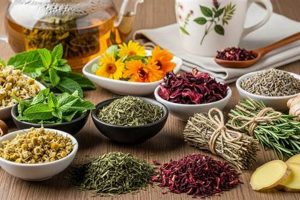
A beverage prepared by infusing herbs in hot water and intended to support milk production in breastfeeding individuals. Certain botanical ingredients are traditionally employed for their purported galactagogue properties.
The consumption of specific plant-based infusions to promote breast milk supply holds cultural significance across various regions. Historically, communities have relied on these remedies to address perceived or actual insufficient milk production. Some herbs contain compounds that may stimulate prolactin, the hormone responsible for lactation.
The subsequent sections will delve into the specific herbs commonly utilized, potential efficacy based on available research, safety considerations, and recommended preparation methods.
Tips for Selecting and Using Lactation-Supporting Herbal Infusions
Careful consideration should be given to various factors before incorporating herbal infusions into a lactation regimen. Awareness of potential benefits and risks is crucial.
Tip 1: Research Individual Herbs: Thoroughly investigate the properties and purported effects of each herb before consumption. Evaluate available scientific evidence and traditional uses to inform decision-making.
Tip 2: Prioritize Single-Ingredient Infusions Initially: Introduce one herb at a time to monitor for any adverse reactions or individual sensitivities in both the breastfeeding individual and the infant.
Tip 3: Adhere to Recommended Dosage: Strictly follow recommended dosage guidelines provided by healthcare professionals or reputable herbalists. Exceeding recommended amounts does not guarantee increased efficacy and may elevate the risk of side effects.
Tip 4: Source from Reputable Suppliers: Obtain herbs from established suppliers known for quality control and accurate identification. This minimizes the risk of contamination or adulteration.
Tip 5: Monitor Infant Response: Observe the infant for any changes in behavior, feeding patterns, or stool consistency. Discontinue use if any adverse reactions are noted.
Tip 6: Consult with Healthcare Providers: Seek guidance from lactation consultants, physicians, or qualified herbalists. Professional advice is essential, particularly for individuals with pre-existing medical conditions or those taking prescription medications.
Tip 7: Be Mindful of Potential Allergens: Exercise caution if known allergies to related plants exist. For example, individuals allergic to ragweed may exhibit sensitivity to chamomile.
Tip 8: Understand the Limitations: Recognize that herbal infusions are not a substitute for comprehensive lactation support. Address underlying causes of low milk supply through proper latch techniques, frequent nursing, and adequate hydration.
These tips emphasize responsible utilization of herbal support to enhance breastfeeding outcomes safely and effectively.
The subsequent section will address safety precautions and contraindications associated with specific herbal ingredients.
1. Botanical Composition

The term “herbal tea for lactation” inherently emphasizes the significance of botanical composition. The efficacy and safety of these infusions are directly attributable to the specific plants and their constituent compounds included in the blend or single-herb preparation. Understanding the chemical makeup is essential for predicting potential galactagogue effects and identifying potential risks. For example, fenugreek seeds contain compounds such as phytoestrogens, which are hypothesized to contribute to increased prolactin levels. Similarly, fennel contains anethole, also associated with galactagogue activity.
The geographical origin, harvesting methods, and processing techniques of the constituent herbs influence the final chemical profile. Variations in these factors can lead to differences in potency and the presence of contaminants. Therefore, the selection of herbs from reputable sources is paramount. Consider the instance of milk thistle; the silymarin complex, the active component, is more effectively extracted when the herb is properly processed. In contrast, poorly processed herbs may offer diminished benefits and potentially introduce harmful substances.
In conclusion, the botanical composition is the fundamental element dictating the properties and effects of herbal teas marketed for lactation support. A comprehensive understanding of the constituent herbs, their chemical properties, and sourcing practices is critical for making informed decisions regarding their use. This consideration is crucial for maximizing potential benefits while mitigating potential adverse effects on both the breastfeeding individual and the infant.
2. Galactagogue Properties

The term “galactagogue properties” is intrinsically linked to the concept of botanical infusions marketed for lactation support. These properties refer to the ability of certain substances, notably those found in specific herbs, to promote or increase milk production. The underlying premise is that compounds within these herbs interact with the endocrine system, potentially stimulating the release of prolactin, the primary hormone responsible for lactation. For example, fenugreek is believed to possess galactagogue properties due to its diosgenin content, which is suggested to mimic estrogen and thereby stimulate mammary gland development and prolactin release.
The presence of these properties is a critical factor in the selection and utilization of herbal teas by breastfeeding individuals experiencing perceived or actual insufficient milk supply. The belief that these infusions can enhance milk production often drives their consumption. However, it is essential to note that the effectiveness of these infusions varies significantly and may be influenced by factors such as individual physiology, dosage, and the underlying causes of lactation challenges. Some herbal teas, like those containing fennel seeds, are traditionally used across cultures with the intention of increasing milk output. Despite widespread use, rigorous scientific evidence supporting the galactagogue effects of many herbs remains limited, underscoring the need for further research.
In conclusion, the perceived or demonstrated galactagogue properties form the central rationale for the use of “herbal tea for lactation.” However, a discerning approach is necessary. Individuals should carefully consider the available evidence, consult with healthcare professionals, and monitor their own response and that of their infants. The understanding of these properties, coupled with responsible usage, can inform a safer and more effective approach to lactation support.
3. Preparation Methods

The means by which “herbal tea for lactation” is prepared directly influence its potency, safety, and overall effectiveness. Variances in preparation can alter the concentration of active compounds, impact bioavailability, and potentially introduce contaminants. Thus, careful attention to technique is crucial.
- Water Temperature
Water temperature significantly affects the extraction of active compounds. Using boiling water for delicate herbs can degrade volatile oils and reduce therapeutic benefits. Conversely, water that is not hot enough may result in insufficient extraction, leading to a weak and ineffective infusion. For example, chamomile, known for its calming properties, benefits from a lower temperature (around 200F or 93C) to preserve its delicate aroma and therapeutic constituents. Improper temperature control can lead to either a bitter, unpalatable brew or one that lacks the desired effect.
- Steeping Time
The duration of steeping impacts the concentration of released compounds. Insufficient steeping time will yield a weak infusion with limited therapeutic value. Excessive steeping can release bitter tannins, compromising taste and potentially causing digestive upset. For instance, dandelion root, often used to support liver function, requires a longer steeping time (15-20 minutes) to adequately extract its beneficial components. Shorter steeping times will result in minimal extraction, while prolonged steeping may produce an unpalatable and overly bitter beverage.
- Herb Quantity
The ratio of herb to water directly determines the concentration of active compounds in the final infusion. Using too little herb will result in a weak and ineffective preparation. Conversely, excessive herb quantities can lead to overly concentrated infusions that may cause adverse reactions or interactions. The proper dosage must be observed. While preparing fenugreek tea, utilizing a consistent amount of seed per unit of water is necessary to achieve a balance between palatability and efficacy; variations in seed to water ratio significantly alter the final product.
- Filtration and Storage
Proper filtration removes solid particles and undissolved components, improving the infusion’s palatability and reducing potential digestive discomfort. Storage conditions also affect the quality and shelf life of herbal teas. Exposure to light, air, and moisture can degrade active compounds and promote microbial growth. Properly strained and stored infusions maintain potency and safety over time. For example, a prepared batch of nettle leaf tea should be strained thoroughly to remove small leaf particles and stored in an airtight, opaque container in a cool, dark place to preserve its nutritional value and prevent spoilage.
These preparation methods, when carefully considered, optimize the benefits derived from “herbal tea for lactation”. Precise adherence to recommended guidelines and the employment of proper techniques ensure both the efficacy and safety of these botanical aids for breastfeeding support. Improper preparation undermines their effectiveness and potentially introduces unforeseen health risks.
4. Safety Profile

The safety profile of “herbal tea for lactation” is of paramount importance given its intended use by breastfeeding individuals and the potential for direct transfer of bioactive compounds to the infant through breast milk. Understanding potential risks and contraindications is essential for responsible consumption.
- Allergenic Potential
Many herbs possess allergenic properties, with reactions ranging from mild skin irritation to severe anaphylaxis. Individuals with known allergies to specific plant families, such as Asteraceae (e.g., chamomile, echinacea) or Apiaceae (e.g., fennel, anise), should exercise extreme caution when consuming related herbal teas. For instance, a breastfeeding mother with a ragweed allergy may experience a cross-reactivity to chamomile, leading to symptoms in both herself and her infant. A thorough assessment of allergy history is crucial before initiating any herbal lactation regimen.
- Herb-Drug Interactions
Herbal constituents can interact with prescription medications, potentially altering their efficacy or increasing the risk of adverse effects. For example, St. John’s Wort, though not typically used for lactation, is a potent CYP3A4 inducer and can reduce the effectiveness of numerous drugs, including some hormonal contraceptives. Similarly, some herbs may possess anticoagulant properties and should be avoided by individuals taking blood-thinning medications. A complete review of all medications and supplements with a healthcare provider is imperative to identify potential interactions.
- Contamination and Adulteration
Herbal products are susceptible to contamination with heavy metals, pesticides, and microorganisms. Adulteration, the intentional or unintentional substitution of genuine herbs with inferior or toxic plant materials, also poses a significant risk. Lead contamination in imported herbal products has been documented, highlighting the importance of sourcing herbs from reputable suppliers with stringent quality control measures. Independent third-party testing can verify the purity and authenticity of herbal ingredients.
- Infant Sensitivity
Infants possess immature detoxification systems, rendering them more vulnerable to the effects of bioactive compounds in herbal teas ingested by breastfeeding mothers. Even seemingly innocuous herbs can cause adverse reactions in sensitive infants, including digestive upset, skin rashes, and neurological effects. For example, peppermint, often consumed for its digestive benefits, can paradoxically worsen colic symptoms in some infants. Close monitoring of the infant for any changes in behavior or health status is essential when consuming “herbal tea for lactation.”
These considerations emphasize the complexity of the safety profile of “herbal tea for lactation”. While some herbs may offer potential benefits, a comprehensive understanding of potential risks, including allergenic potential, herb-drug interactions, contamination, and infant sensitivity, is crucial for responsible and informed decision-making. Healthcare professional consultation is always advised.
5. Individual Response
The effect of botanical infusions intended to support lactation exhibits considerable variability among individuals. Factors such as genetic predispositions, physiological differences, pre-existing health conditions, and concurrent medications contribute to this heterogeneity in response. Consequently, a standardized approach to the utilization of “herbal tea for lactation” proves inadequate, necessitating individualized assessment and monitoring. For example, while fenugreek is widely recognized for its potential galactagogue properties, some individuals may experience no increase in milk production, while others may exhibit a marked improvement. Furthermore, a subset of individuals may encounter adverse effects, such as gastrointestinal discomfort or allergic reactions, irrespective of the purported benefits.
The significance of “Individual Response” lies in its role as a determinant of both efficacy and safety. A failure to acknowledge and account for individual variability can lead to ineffective or even harmful outcomes. For instance, an individual with hypothyroidism, a condition that can sometimes contribute to low milk supply, may find that herbal interventions alone are insufficient and require thyroid hormone optimization in conjunction with lactation support. Conversely, an individual with a sensitive gastrointestinal system may experience exacerbated digestive issues from certain herbal teas, necessitating a tailored approach that prioritizes gentler alternatives or alternative methods of lactation support. Real-life scenarios underscore the importance of careful observation and open communication between the breastfeeding individual and healthcare professionals to adequately assess the influence of these botanical infusions.
In conclusion, the “Individual Response” is a critical component in the effective and safe integration of “herbal tea for lactation” into a breastfeeding management plan. Acknowledging the inherent variability in how individuals react to these infusions necessitates a personalized approach that considers the unique circumstances of each breastfeeding dyad. Monitoring efficacy, identifying potential adverse effects, and maintaining open communication with healthcare providers are essential for optimizing outcomes and mitigating potential risks. The success of herbal support for lactation hinges on the recognition that a generalized solution is insufficient and that individualized care is paramount.
6. Professional Guidance

The utilization of “herbal tea for lactation” necessitates professional guidance to ensure safe and effective implementation. Self-administration without expert oversight can pose risks to both the breastfeeding individual and the infant. Healthcare professionals, including lactation consultants, physicians, and qualified herbalists, possess the knowledge to assess individual needs, identify potential contraindications, and recommend appropriate herbal interventions. The absence of professional guidance may result in the selection of inappropriate herbs, incorrect dosages, or the failure to address underlying medical conditions contributing to lactation challenges. A common example involves individuals attributing low milk supply solely to hormonal imbalances, while neglecting mechanical factors such as improper latch or infrequent milk removal, issues best addressed through skilled lactation support.
Professional consultation enables a comprehensive evaluation that considers medical history, current medications, and potential allergies. This holistic assessment helps minimize the risk of adverse effects and herb-drug interactions. Furthermore, healthcare providers can monitor the mother and infant for any signs of intolerance or allergic reactions to the herbal constituents. They can also guide on appropriate preparation methods, storage practices, and strategies for gradually introducing herbal teas into the breastfeeding routine. In situations where underlying medical conditions are identified, healthcare professionals can integrate herbal support with conventional medical treatments, offering a more comprehensive approach to lactation management. For instance, an individual with postpartum depression experiencing low milk supply may benefit from a combination of antidepressant medication, counseling, and specific herbal galactagogues under the supervision of a physician and lactation consultant.
In summary, professional guidance is an indispensable component of the responsible and effective use of “herbal tea for lactation.” It mitigates risks associated with self-treatment, ensures appropriate herb selection and dosage, and facilitates comprehensive lactation management that addresses both mechanical and underlying medical factors. The challenges associated with insufficient evidence and varying regulations in the herbal medicine field highlight the importance of seeking expertise from qualified healthcare professionals. Ultimately, professional guidance promotes the well-being of both the breastfeeding individual and the infant, fostering a safer and more successful breastfeeding experience.
Frequently Asked Questions
This section addresses common inquiries and clarifies misconceptions surrounding the use of botanical infusions to support lactation. The information provided is intended for educational purposes and does not constitute medical advice.
Question 1: Is “herbal tea for lactation” a guaranteed solution for low milk supply?
No, botanical infusions are not a guaranteed solution. Milk production is a complex process influenced by multiple factors, including latch effectiveness, nursing frequency, hormonal balance, and maternal nutrition. While certain herbs possess potential galactagogue properties, their efficacy varies among individuals. Addressing underlying causes of low milk supply is essential.
Question 2: Are all herbal teas safe for both the breastfeeding parent and infant?
No, not all herbal teas are universally safe. Certain herbs may pose risks due to potential allergic reactions, herb-drug interactions, or toxicity. The infant’s sensitivity to bioactive compounds in breast milk must also be considered. Consulting with a healthcare professional or qualified herbalist is recommended before consuming any herbal tea during lactation.
Question 3: How long does it take to see results from consuming “herbal tea for lactation”?
The timeframe for observing noticeable effects varies significantly. Some individuals may experience a change in milk production within a few days, while others may require several weeks of consistent consumption. Factors such as individual physiology, herb dosage, and the severity of lactation challenges influence the speed of response. A lack of noticeable improvement after a reasonable period warrants reassessment of the lactation plan.
Question 4: Can “herbal tea for lactation” interfere with prescription medications?
Yes, certain herbal constituents can interact with prescription medications, altering their efficacy or increasing the risk of adverse effects. It is crucial to disclose all medications and supplements to a healthcare provider before consuming any herbal tea. Potential interactions should be thoroughly evaluated to ensure patient safety.
Question 5: Are commercially available “herbal tea for lactation” blends regulated for quality and safety?
The regulation of herbal products varies across jurisdictions. In some regions, quality control standards may be less stringent, increasing the risk of contamination or adulteration. Sourcing herbs from reputable suppliers with third-party testing certifications is advisable to ensure product purity and authenticity.
Question 6: Can “herbal tea for lactation” be used preventatively, even without signs of low milk supply?
Prophylactic use of herbal teas is generally not recommended. Unless there is a specific medical indication, it is prudent to avoid unnecessary exposure to bioactive compounds. A balanced diet, adequate hydration, and frequent breastfeeding or pumping are typically sufficient for maintaining adequate milk production in most individuals.
The responsible use of “herbal tea for lactation” entails a careful evaluation of individual needs, potential risks, and available scientific evidence. Professional guidance from healthcare providers is essential to ensure safe and effective lactation support.
The subsequent section will explore alternative methods to improve lactation.
Conclusion
This article has provided a comprehensive examination of “herbal tea for lactation,” covering its purported benefits, potential risks, and the importance of informed decision-making. Key points emphasized include the variability in individual response, the potential for herb-drug interactions, and the necessity of sourcing high-quality products. The exploration extended to proper preparation methods, emphasizing water temperature, steeping time, and filtration techniques. Furthermore, the role of professional guidance in assessing individual needs and minimizing adverse effects was underscored.
Ultimately, the responsible use of botanical infusions to support breastfeeding demands a discerning approach. A reliance on anecdotal evidence without considering potential contraindications or underlying medical conditions is inadvisable. Continued research is needed to further elucidate the efficacy and safety of specific herbs in promoting lactation. Healthcare professionals should remain informed about the available evidence to provide evidence-based recommendations, supporting breastfeeding individuals with sound guidance and promoting optimal infant health.