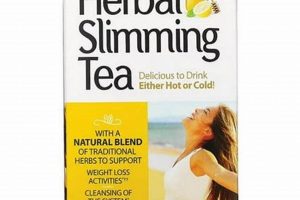
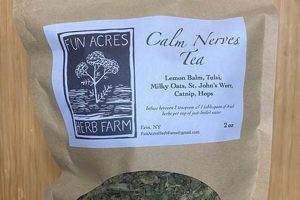
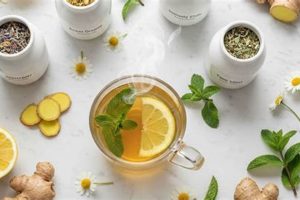
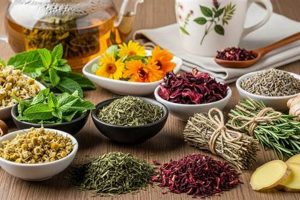
Beverages derived from various plant parts, excluding Camellia sinensis (true tea), are often consumed for their purported ability to reduce abdominal bloating and promote a slimmer physique. These concoctions incorporate herbs, spices, and flowers with diuretic, anti-inflammatory, and digestion-enhancing properties. A common example includes peppermint infusion, known for its potential to ease digestive discomfort.
The appeal of these plant-based drinks stems from a combination of factors. Historically, many cultures have utilized botanicals for medicinal purposes, including weight management and digestive health. Contemporary interest is driven by a desire for natural alternatives to conventional weight loss methods and the perceived health benefits associated with plant-derived compounds. The impact on perceived body image and confidence further contributes to its popularity.
The subsequent sections will delve into the specific types of botanical infusions commonly associated with abdominal slimming, examining their mechanisms of action, potential benefits, and important considerations regarding safety and efficacy. Furthermore, the role of a balanced diet and regular physical activity in achieving lasting results will be emphasized.
Tips for Incorporating Herbal Infusions into a Wellness Regimen
The following guidelines aim to provide a structured approach to incorporating specific botanical infusions into a balanced lifestyle. These recommendations emphasize informed choices and responsible consumption.
Tip 1: Prioritize Consultation with a Healthcare Professional: Before initiating any new dietary regimen, including increased consumption of herbal infusions, seek guidance from a qualified physician or registered dietitian. This is especially crucial for individuals with pre-existing medical conditions or those taking prescription medications, as certain herbs may interact adversely.
Tip 2: Select Products from Reputable Sources: Ensure the chosen product originates from a trusted supplier with established quality control measures. Verify the presence of third-party certifications to confirm the accuracy of ingredient labeling and the absence of contaminants such as heavy metals or pesticides.
Tip 3: Begin with a Low Dosage: Introduce new infusions gradually to assess individual tolerance and minimize the risk of adverse reactions. Start with a single serving per day and incrementally increase the dosage while monitoring for any signs of discomfort or allergic response.
Tip 4: Adhere to Recommended Brewing Instructions: Follow the manufacturer’s guidelines for proper brewing techniques, including water temperature and steeping time. Improper preparation can impact the potency and effectiveness of the botanical compounds.
Tip 5: Practice Mindful Consumption: Consume infusions as part of a structured meal plan that prioritizes whole, unprocessed foods. Avoid relying solely on botanical beverages for weight management, as sustainable results require a comprehensive approach.
Tip 6: Maintain Adequate Hydration: While some infusions possess diuretic properties, it remains essential to maintain consistent hydration throughout the day by consuming sufficient quantities of plain water. This supports overall metabolic function and prevents dehydration.
Tip 7: Monitor for Potential Side Effects: Be vigilant for any adverse reactions, such as gastrointestinal distress, skin irritation, or changes in blood pressure. Discontinue use immediately if any concerning symptoms arise and consult a healthcare professional.
Consistent adherence to these guidelines, coupled with a balanced diet and regular physical activity, enhances the likelihood of achieving desired outcomes when incorporating specific botanical infusions. These practices promote responsible and informed utilization.
The subsequent discussion will address common misconceptions surrounding botanical preparations and their role in achieving sustainable wellness goals.
1. Diuretic Properties

Diuretic properties, inherent in certain botanicals, represent a primary mechanism through which some herbal teas are purported to contribute to a perceived reduction in abdominal distension. These properties promote increased urine production, facilitating the excretion of excess sodium and water from the body. This process can lead to a temporary decrease in overall body weight and a reduction in the subjective feeling of abdominal bloating.
The inclusion of diuretic herbs in infusions is often motivated by the desire to address water retention, a common cause of abdominal swelling. For instance, dandelion leaf, commonly found in these preparations, acts as a natural diuretic. While its efficacy in inducing significant weight loss is unsubstantiated, its diuretic effect can provide temporary relief from water retention. This can create the illusion of a flatter abdominal region.
It is imperative to acknowledge that the reduction in abdominal size resulting from diuretic effects is not indicative of fat loss. The weight reduction is primarily due to fluid expulsion and is temporary in nature. Furthermore, the excessive use of diuretics can lead to dehydration, electrolyte imbalances, and other adverse health consequences. The reliance on herbal teas solely for their diuretic action, without addressing underlying lifestyle factors, is not a sustainable or healthy approach to achieving lasting changes in body composition.
2. Digestive Support

The concept of digestive support is integral to the discourse surrounding herbal infusions intended to promote a flatter abdominal appearance. These beverages frequently incorporate botanicals with established reputations for facilitating optimal digestive function. Impaired digestion can manifest as bloating, gas, and abdominal discomfort, contributing to a distended appearance. Therefore, improving digestive efficiency is posited as a means to reduce abdominal protuberance. For example, peppermint and ginger, common ingredients, possess carminative properties, assisting in the expulsion of gas from the digestive tract. Chamomile is sometimes included for its purported ability to soothe the digestive system and reduce inflammation, which can contribute to bloating. In essence, the digestive support offered by these infusions aims to address the underlying causes of abdominal distension related to digestive inefficiencies.
The practical application of this understanding involves selecting herbal infusions with specific digestive benefits tailored to individual needs. An individual experiencing frequent bloating after meals may benefit from an infusion containing ginger or fennel, both known for their digestive properties. Conversely, someone prone to digestive discomfort related to stress may find chamomile or lemon balm more suitable. However, it is essential to recognize that herbal infusions provide digestive support; they do not represent a singular solution. A comprehensive approach includes dietary modifications, such as consuming fiber-rich foods and avoiding trigger foods, as well as lifestyle adjustments, such as regular exercise and stress management techniques.
In conclusion, digestive support plays a significant role in the perceived efficacy of specific botanical beverages for abdominal contouring. By addressing digestive inefficiencies that contribute to bloating and discomfort, these infusions may offer symptomatic relief and a temporary reduction in abdominal distension. Challenges lie in the variability of individual responses to different herbs and the potential for interactions with existing medications. A balanced perspective is crucial, recognizing that herbal infusions for digestive support should complement, not replace, established strategies for maintaining digestive health and overall well-being.
3. Anti-inflammatory Action

The presence of anti-inflammatory compounds within certain herbal teas contributes to the reduction of abdominal distension. Inflammation in the gut can lead to bloating and discomfort, thus exacerbating the perception of a protruding abdomen. By mitigating inflammation, select herbal teas may indirectly foster a flatter appearance.
- Role of Polyphenols
Polyphenols, naturally occurring compounds in plants, exhibit anti-inflammatory properties. Teas containing herbs rich in polyphenols, such as ginger or turmeric, may help reduce inflammation in the digestive tract. This reduction can alleviate bloating and discomfort, leading to a temporary reduction in abdominal size. However, it is essential to note that this is not a direct reduction of adipose tissue, but rather a modulation of inflammatory responses.
- Soothing of the Gut Lining
Inflammation can damage the gut lining, leading to increased permeability (leaky gut syndrome) and subsequent bloating. Certain herbs, like chamomile, possess properties that soothe and protect the gut lining. By reducing inflammation and promoting gut health, these teas can improve digestion and decrease abdominal distension. The effects are subtle and depend on the individual’s gut health status.
- Impact on Gut Microbiota
Chronic inflammation can disrupt the balance of gut microbiota, leading to an overgrowth of harmful bacteria that produce gas and cause bloating. Some herbal teas, such as green tea and peppermint tea, have been shown to positively influence the gut microbiota composition. By promoting a healthier gut environment, these teas may indirectly reduce inflammation and abdominal bloating. This is a long-term benefit that contributes to overall digestive wellness.
- Indirect Effects on Cortisol Levels
Chronic stress can elevate cortisol levels, which in turn can trigger inflammation and promote abdominal fat storage. Certain herbs, like adaptogens such as ashwagandha, may help regulate cortisol levels and reduce stress-induced inflammation. While this is not a direct anti-inflammatory effect on the gut, it contributes to a holistic reduction in inflammation throughout the body, which can positively impact abdominal appearance.
The anti-inflammatory action of selected herbal teas can contribute to reducing abdominal distension by addressing underlying inflammation in the gut, modulating gut microbiota, and indirectly influencing cortisol levels. These effects are often subtle and contingent on individual factors and should be considered part of a broader strategy for digestive wellness and overall health.
4. Metabolic Enhancement
The purported connection between metabolic enhancement and specific herbal teas centers on the proposition that certain botanicals possess the capacity to elevate the body’s basal metabolic rate, thereby facilitating increased caloric expenditure and potentially contributing to a reduction in abdominal adiposity. Caffeine, a stimulant found in some tea varieties, is often cited as a primary driver of this effect, as it can stimulate thermogenesis and promote lipolysis. The inclusion of ingredients such as green tea extract, containing epigallocatechin gallate (EGCG), further aims to augment metabolic processes. The assumption is that a heightened metabolic rate will lead to a greater utilization of stored fat reserves, ultimately diminishing abdominal fat accumulation. A practical implication of this perspective involves the strategic consumption of these teas as a component of a broader weight management regimen, predicated on the expectation of enhanced energy expenditure.
However, the magnitude of metabolic enhancement attributable solely to herbal teas is often overstated. While some studies suggest a modest increase in metabolic rate following the consumption of caffeinated beverages or green tea extract, these effects are generally transient and of limited clinical significance in the absence of concurrent dietary and exercise modifications. Furthermore, individual responses to these compounds can vary considerably, influenced by factors such as genetics, habitual caffeine intake, and overall health status. The reliance on herbal teas as a primary means of achieving metabolic enhancement neglects the more substantial contributions of physical activity and balanced nutrition to overall metabolic health. A real-life example of over-reliance on this approach would be someone consistently drinking these infusions while maintaining a sedentary lifestyle and consuming a calorie-dense diet, expecting to see significant abdominal fat reduction, which would be unrealistic.
In summary, while certain herbal teas may exert a minor influence on metabolic rate, their impact on abdominal fat reduction is likely minimal without the synergistic effects of a comprehensive weight management strategy. The promotion of metabolic enhancement as a primary benefit should be viewed with caution, as the scientific evidence supporting this claim is often limited and the magnitude of the effect is typically modest. The practical significance lies in acknowledging these teas as potential adjuncts to, rather than replacements for, established methods of achieving and maintaining a healthy body composition.
5. Bloating Reduction

Bloating reduction is a central tenet within the perceived efficacy of herbal teas marketed for abdominal contouring. Abdominal bloating, characterized by a subjective sensation of fullness and distension, is a common gastrointestinal complaint. This discomfort can stem from diverse factors, including excessive gas production, fluid retention, and underlying digestive disorders. Herbal infusions are frequently promoted as a natural means to alleviate bloating and thereby create the visual impression of a flatter abdominal region. The connection lies in the potential of specific herbs to address the root causes of bloating, thus reducing abdominal distension and promoting a more streamlined appearance. For instance, teas containing peppermint or ginger may help to relax gastrointestinal muscles and facilitate the expulsion of gas, while dandelion or parsley infusions might promote fluid excretion, reducing water retention-related bloating. The importance of bloating reduction as a component of the appeal is that a less bloated stomach immediately looks flatter. It’s a direct, noticeable impact, even if it is temporary. An individual experiencing post-meal bloating might consume a chamomile infusion known for its anti-inflammatory and calming properties, potentially alleviating discomfort and reducing visible abdominal distension.
To further clarify the role, certain herbs act as carminatives, aiding in the expulsion of trapped gas. Others exhibit diuretic properties, promoting fluid elimination and minimizing water retention, a major contributor to bloating. Anti-inflammatory herbs can soothe irritated intestinal linings, reducing inflammatory responses that contribute to abdominal swelling. However, it is imperative to acknowledge that the effects of herbal teas on bloating are not uniform across all individuals. The effectiveness is contingent on the underlying cause of the bloating, the specific herbs used, and individual physiological responses. The practical significance of understanding this connection lies in managing expectations and avoiding the misconception that herbal teas offer a definitive or long-term solution for persistent bloating. A person with chronic bloating related to lactose intolerance, for example, might find temporary relief from certain infusions, but the fundamental solution involves dietary modification to eliminate lactose.
In conclusion, bloating reduction is a key aspect of the appeal of herbal teas as perceived aids for achieving a flatter abdominal appearance. By addressing various causes of bloating, these infusions may offer symptomatic relief and a transient improvement in abdominal contour. The challenges lie in the variability of individual responses, the potential for misdiagnosis of underlying causes of bloating, and the risk of overreliance on herbal teas as a substitute for appropriate medical care or lifestyle modifications. A comprehensive strategy that addresses underlying causes of bloating, incorporates a balanced diet, regular exercise, and stress management techniques, provides a sustainable approach to managing abdominal distension and promoting overall digestive health.
Frequently Asked Questions
This section addresses common inquiries regarding the utilization of herbal infusions for the purpose of achieving a flatter abdominal appearance. It aims to provide concise and factual answers to frequently raised questions.
Question 1: What is the primary mechanism by which herbal teas are thought to contribute to a reduction in abdominal size?
Herbal teas primarily contribute to the perception of a reduced abdominal size through diuretic and digestive support mechanisms. Diuretic herbs promote fluid excretion, while digestive herbs aid in reducing bloating and gas. These effects are often temporary and do not directly target fat reduction.
Question 2: Are there scientific studies that validate the claim that herbal teas can directly reduce abdominal fat?
Limited scientific evidence supports the claim that herbal teas directly reduce abdominal fat. While some studies suggest modest metabolic effects from certain ingredients, these effects are generally insufficient to produce significant fat loss without concurrent dietary and exercise modifications.
Question 3: Are there potential side effects associated with the consumption of herbal teas marketed for abdominal slimming?
Potential side effects include dehydration, electrolyte imbalances (due to diuretic effects), allergic reactions, and interactions with medications. Individuals with pre-existing medical conditions or those taking prescription drugs should consult a healthcare professional prior to consuming these herbal teas.
Question 4: How much herbal tea should be consumed daily to potentially observe any noticeable effect?
Recommended consumption varies depending on the specific herbs and individual tolerance. Starting with a single serving per day and gradually increasing intake while monitoring for adverse effects is generally advised. Adhering to manufacturer’s guidelines regarding brewing and dosage is crucial.
Question 5: Can herbal teas be considered a substitute for a balanced diet and regular exercise in achieving a flatter abdominal area?
Herbal teas are not a substitute for a balanced diet and regular exercise. They should be considered adjuncts to a comprehensive weight management strategy that prioritizes healthy eating habits and physical activity.
Question 6: Are all herbal tea products marketed for abdominal contouring equally safe and effective?
No, not all herbal tea products are equally safe or effective. Product quality, ingredient sourcing, and manufacturing standards can vary considerably. Selecting products from reputable suppliers with established quality control measures and third-party certifications is essential.
In summary, while herbal teas may offer certain benefits related to bloating reduction and digestive support, they should not be viewed as a primary solution for achieving a flatter abdominal appearance. A holistic approach encompassing diet, exercise, and professional medical advice is recommended.
The subsequent section will address common misconceptions regarding botanical preparations.
Herbal Tea for Flat Tummy
This exploration has clarified the nuances associated with using herbal teas in pursuit of a flatter abdominal area. While select botanical infusions possess properties that may contribute to temporary bloating reduction and enhanced digestion, their capacity to directly impact abdominal fat accumulation remains limited. Reliance solely on these beverages, without concomitant lifestyle modifications, is unlikely to yield sustained results.
Therefore, a discerning perspective is warranted. Individuals considering incorporating herbal teas into their wellness regimen should prioritize evidence-based practices, consult with healthcare professionals, and recognize that lasting improvements in body composition necessitate a comprehensive commitment to balanced nutrition and consistent physical activity. The pursuit of a healthier physique demands informed choices and a realistic understanding of the limitations inherent in any single approach.