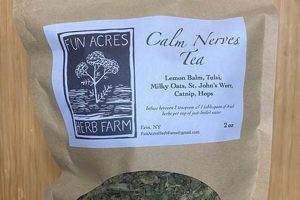
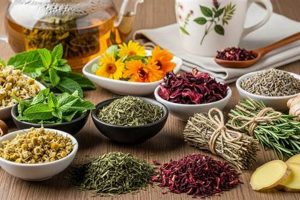
Beverages crafted from infusions or decoctions of herbs, rather than Camellia sinensis (true tea), are frequently explored as potential adjuncts to conventional diabetes management strategies. These preparations leverage the bioactive compounds present in various plants to potentially influence blood glucose levels and overall metabolic health. A common example includes preparations using cinnamon bark, renowned for its possible insulin-sensitizing properties.
The utilization of botanical remedies in managing blood sugar has historical roots in traditional medicine systems worldwide. Certain herbal infusions are believed to offer benefits by improving insulin sensitivity, reducing inflammation, or slowing glucose absorption. The perceived advantages extend beyond mere symptomatic relief, with proponents suggesting a role in supporting long-term glycemic control. However, scientific validation and standardized protocols are essential to ascertain true efficacy and safety.
Subsequent sections will delve into specific herbal preparations commonly associated with diabetes management, exploring their purported mechanisms of action, potential benefits supported by research, and important considerations regarding their use in conjunction with conventional medical treatments. The analysis will emphasize the importance of consulting healthcare professionals prior to incorporating any herbal remedies into a diabetes care plan.
Considerations for Utilizing Herbal Infusions in Diabetes Management
Individuals exploring botanical options alongside conventional diabetes treatment should proceed with caution and informed awareness. Adherence to these guidelines is critical for ensuring patient safety and optimizing therapeutic outcomes.
Tip 1: Prioritize Medical Consultation: Engage in open communication with a healthcare provider, including an endocrinologist or qualified physician, before introducing any herbal preparation. Professional guidance is paramount to rule out potential contraindications and drug interactions.
Tip 2: Scrutinize Product Sourcing: Obtain herbal products from reputable suppliers adhering to stringent quality control standards. Purity, potency, and accurate labeling are essential characteristics to mitigate the risk of adulteration or contamination.
Tip 3: Initiate Gradual Introduction: Implement herbal infusions incrementally, commencing with small dosages to monitor for adverse reactions or sensitivities. Observe physiological responses meticulously to identify potential concerns early on.
Tip 4: Vigilant Blood Glucose Monitoring: Intensify blood glucose monitoring frequency upon initiating herbal supplementation. This practice enables the timely detection of any fluctuations, necessitating dosage adjustments or discontinuation if indicated.
Tip 5: Recognize Potential Interactions: Exercise heightened vigilance regarding potential interactions between herbal constituents and prescribed medications. Concomitant usage may potentiate, diminish, or alter the effects of pharmaceutical interventions.
Tip 6: Understand Limitations of Evidence: Acknowledge that scientific evidence supporting the efficacy of certain herbal preparations for diabetes management may be limited or inconclusive. Reliance solely on such remedies is strongly discouraged.
Tip 7: Prioritize a Holistic Approach: Herbal infusions should complement, rather than substitute, evidence-based treatments such as dietary modifications, exercise regimens, and pharmacological interventions. A comprehensive strategy remains indispensable for optimal diabetes control.
Prudent implementation of these considerations enhances the safety profile of incorporating herbal infusions into a diabetes management plan. The benefits are maximized when utilized as a complementary adjunct under professional medical supervision.
The subsequent section will address the potential risks and side effects associated with using herbal remedies for diabetes, further emphasizing the need for a cautious and informed approach.
1. Blood Glucose Impact

The connection between herbal tea and blood glucose modulation is central to its consideration in diabetes management. Certain botanical compounds present in herbal infusions may influence glucose metabolism through various mechanisms. These mechanisms potentially include increased insulin sensitivity, enhanced glucose uptake by cells, or reduced glucose absorption in the digestive tract. For instance, some studies suggest that components in cinnamon-based preparations could improve insulin receptor function, thereby lowering blood glucose levels. However, the magnitude and consistency of these effects vary significantly depending on the specific herb, preparation method, dosage, and individual physiological factors.
The practical significance of understanding the blood glucose impact of herbal tea lies in its potential to either complement or interfere with conventional diabetes therapies. If a particular infusion demonstrably lowers blood sugar, it may contribute to improved glycemic control when used judiciously and under medical supervision. Conversely, unpredictable or inconsistent effects could lead to hypoglycemia or hyperglycemia, particularly when combined with insulin or oral hypoglycemic agents. Monitoring blood glucose levels closely before and after consuming herbal preparations is therefore essential to assess individual responses and adjust treatment plans accordingly.
In summary, the blood glucose impact of herbal tea in the context of diabetes is a complex and nuanced issue. While some herbal preparations may offer potential benefits in terms of glycemic control, their effects are not universally predictable or guaranteed. Careful evaluation, close monitoring, and professional medical guidance are crucial to ensure safe and effective utilization. The potential risks and limitations must be carefully weighed against any perceived advantages before incorporating herbal tea into a diabetes management regimen.
2. Potential Drug Interactions

The intersection of herbal infusions and pharmaceutical medications presents a critical consideration within diabetes management, necessitating careful evaluation of potential interactions. Herbal constituents possess bioactive compounds capable of influencing drug metabolism, absorption, distribution, and excretion. Concomitant administration of herbal teas and diabetes medications may potentiate, diminish, or otherwise alter the therapeutic effects of prescribed drugs, leading to unpredictable glycemic control or adverse events. For instance, certain herbs with hypoglycemic properties, when combined with insulin or sulfonylureas, could increase the risk of hypoglycemia. Conversely, other herbal compounds may induce hepatic enzymes responsible for drug metabolism, thereby reducing the efficacy of oral hypoglycemic agents. The complexity of these interactions underscores the imperative for thorough assessment by healthcare professionals.
Real-life examples illustrate the potential for clinically significant drug interactions involving herbal preparations. Individuals taking warfarin, an anticoagulant, should exercise extreme caution with herbs containing coumarin-like compounds, as this combination may elevate the risk of bleeding. Similarly, patients receiving cardiovascular medications, such as digoxin, must be wary of herbs that affect electrolyte balance, potentially leading to cardiac arrhythmias. The lack of standardized dosing and quality control in some herbal products further complicates the assessment of interaction risk. Variations in the concentration of active constituents can result in inconsistent or unpredictable effects, increasing the likelihood of adverse outcomes. Consequently, comprehensive medication reconciliation, including detailed documentation of all herbal supplements, is essential for minimizing the potential for drug interactions.
In summary, the possibility of drug interactions represents a significant concern for individuals with diabetes considering the use of herbal teas. The complex interplay between herbal constituents and pharmaceutical medications can compromise glycemic control and increase the risk of adverse events. Healthcare providers must proactively assess potential interactions, educate patients about the risks, and closely monitor for any signs of altered drug effects. A collaborative approach, involving open communication between patients and healthcare professionals, is crucial for ensuring the safe and effective integration of herbal therapies within a comprehensive diabetes management plan.
3. Scientific Evidence Gaps

The assessment of herbal infusions’ efficacy in diabetes management is consistently challenged by notable deficiencies in scientific substantiation. These gaps hinder conclusive determinations regarding the true benefits and risks associated with their use as adjunctive therapies.
- Limited High-Quality Clinical Trials
A paucity of well-designed, randomized, placebo-controlled clinical trials exists examining the effects of specific herbal teas on glycemic control and diabetes-related complications. Existing studies often suffer from small sample sizes, methodological flaws, and a lack of standardized herbal preparations, limiting the generalizability of findings. For example, while some research suggests potential benefits of cinnamon tea on insulin sensitivity, these studies require replication in larger, more rigorous trials to confirm the initial observations.
- Inconsistent Standardization of Herbal Products
The absence of standardized manufacturing processes for herbal products creates variability in the concentration of active constituents. This inconsistency makes it difficult to compare results across different studies and to determine the optimal dosage for therapeutic effects. A herbal tea made from the same plant species but sourced from different regions or processed using different methods may exhibit vastly different chemical compositions and biological activities, hindering reliable assessment of its efficacy.
- Uncertainty Regarding Long-Term Effects and Safety
Most studies evaluating herbal infusions in diabetes focus on short-term outcomes, leaving long-term effects and safety profiles largely unknown. The chronic use of certain herbs may lead to unexpected adverse reactions or interactions with other medications. For example, while some herbal teas may initially improve glycemic control, their sustained use over years could potentially impact liver or kidney function, necessitating careful monitoring and long-term safety data.
- Lack of Understanding of Mechanisms of Action
The precise mechanisms by which herbal teas exert their purported effects on glucose metabolism are often poorly understood. Identifying the active constituents responsible for specific biological activities and elucidating their molecular targets is essential for developing targeted therapies. Without a clear understanding of the underlying mechanisms, it is difficult to predict which patients are most likely to benefit from herbal interventions and to optimize treatment strategies.
These scientific evidence gaps underscore the need for cautious interpretation of existing research and emphasize the importance of prioritizing rigorous scientific investigation to fully evaluate the role of herbal infusions in diabetes management. The limitations highlight why these preparations are not a replacement for established treatments but are, at best, potentially complementary under strict medical supervision.
4. Quality Control Imperative

The efficacy and safety of herbal tea for diabetes management hinge critically upon stringent quality control measures throughout the production process. The absence of such controls can lead to inconsistent product composition, contamination, and misidentification of herbal ingredients, thereby posing significant risks to individuals with diabetes.
- Botanical Authentication and Identification
Accurate identification of the plant species used in herbal tea preparation is paramount. Misidentification can result in the inclusion of species with different or even harmful properties. Reputable manufacturers employ botanical experts and laboratory techniques, such as DNA barcoding and microscopy, to ensure the correct plant material is used. For instance, mistaking Hypericum perforatum (St. John’s Wort) for a similar-looking but less studied species could lead to unpredictable effects, especially given St. John’s Wort’s known interactions with several medications.
- Contaminant Screening and Mitigation
Herbal teas can be susceptible to contamination from various sources, including heavy metals (lead, arsenic, cadmium), pesticides, and microbial pathogens (bacteria, molds). Rigorous quality control protocols involve testing raw materials and finished products for these contaminants. Adherence to established limits for contaminant levels, as defined by regulatory agencies, is crucial. For example, contaminated herbal teas could exacerbate existing health conditions or interfere with diabetes medications, potentially leading to serious adverse effects.
- Standardization of Bioactive Compounds
The therapeutic effects of herbal tea are often attributed to specific bioactive compounds. Standardization aims to ensure consistent levels of these compounds in each batch of product. Manufacturers may use analytical techniques, such as high-performance liquid chromatography (HPLC), to quantify the concentration of key constituents. Variability in bioactive compound content can result in inconsistent therapeutic effects, making it difficult for individuals with diabetes to manage their blood sugar levels effectively. For example, a lack of standardization in cinnamon tea could lead to unpredictable effects on insulin sensitivity.
- Adulteration Prevention and Detection
Adulteration, the intentional addition of undeclared substances to herbal products, is a serious concern. Adulterants may be added to enhance the perceived effects of the tea or to reduce production costs. Sophisticated analytical methods are necessary to detect adulterants, such as synthetic drugs or other plant species not declared on the label. The presence of undeclared substances poses a significant risk to individuals with diabetes, particularly if these substances interact with their medications or exacerbate their health conditions. For example, the addition of undeclared hypoglycemic agents to a herbal tea marketed for diabetes could lead to dangerous drops in blood sugar levels.
These facets of quality control are intrinsically linked to the safe and effective utilization of herbal tea for diabetes. The absence of rigorous quality assurance measures undermines the potential benefits of these products and increases the risk of adverse outcomes. Consumers are advised to seek herbal teas from reputable manufacturers who adhere to established quality control standards and provide transparent information about their sourcing, testing, and standardization practices.
5. Individual Variability

The impact of botanical infusions on blood glucose and overall metabolic health exhibits marked variations among individuals, highlighting the crucial role of individual variability in assessing the suitability of herbal tea as a diabetes management adjunct. This variability arises from a complex interplay of genetic, physiological, and lifestyle factors that modulate responses to herbal constituents.
- Genetic Predisposition
Genetic polymorphisms influencing drug metabolism enzymes, insulin sensitivity, and inflammatory pathways can significantly alter an individual’s response to herbal teas. For instance, variations in genes encoding cytochrome P450 enzymes, which metabolize numerous drugs and xenobiotics (including herbal compounds), can affect the bioavailability and efficacy of specific herbal constituents. Consequently, individuals with certain genetic profiles may experience exaggerated or diminished effects from the same herbal preparation compared to others.
- Physiological Factors
Factors such as age, sex, body weight, renal function, and hepatic function can substantially influence the absorption, distribution, metabolism, and excretion of herbal compounds. Older individuals, or those with impaired renal or hepatic function, may exhibit reduced clearance of herbal constituents, leading to increased systemic exposure and potential adverse effects. Similarly, differences in body composition and metabolic rate can affect the distribution and utilization of herbal compounds, impacting their efficacy in regulating blood glucose levels.
- Dietary Habits and Lifestyle
Concomitant dietary intake and lifestyle practices can interact with herbal constituents, modulating their effects on glucose metabolism. The consumption of high-carbohydrate meals, for example, may counteract the hypoglycemic effects of certain herbal teas. Similarly, physical activity levels can influence insulin sensitivity and glucose uptake, potentially altering the response to herbal interventions. Individuals adhering to a healthy diet and engaging in regular exercise may experience synergistic benefits from herbal teas, whereas those with poor dietary habits and sedentary lifestyles may derive limited or no benefit.
- Gut Microbiome Composition
The composition and activity of the gut microbiome play a critical role in metabolizing and transforming herbal compounds, influencing their bioavailability and bioactivity. Interindividual variations in gut microbiota composition can lead to diverse metabolic profiles, affecting the extent to which herbal constituents are absorbed and exert their therapeutic effects. For instance, certain gut bacteria can convert inactive herbal precursors into active metabolites, while others can degrade herbal compounds, reducing their efficacy. This interaction highlights the need to consider the gut microbiome as a key determinant of individual responses to herbal teas.
In summary, individual variability is a fundamental consideration in the evaluation of herbal tea for diabetes management. Genetic, physiological, dietary, lifestyle, and gut microbiome factors collectively contribute to the diverse responses observed among individuals. A personalized approach, taking into account these individual characteristics, is essential for optimizing the therapeutic potential and minimizing the risks associated with the use of herbal teas in diabetes care. Moreover, the complexities underscore the need for rigorous clinical trials that account for individual heterogeneity to provide more definitive evidence regarding the efficacy and safety of specific herbal preparations.
6. Complementary, Not Replacement

The principle of “complementary, not replacement” is of paramount importance when considering the role of herbal teas within a comprehensive diabetes management strategy. This concept underscores the necessity of viewing herbal infusions as supportive elements that augment, rather than supplant, established medical treatments and lifestyle interventions.
- Adjunctive Role in Glycemic Control
Herbal teas may offer potential benefits in glycemic control by influencing insulin sensitivity, glucose uptake, or glucose absorption. However, their effects are often modest and inconsistent across individuals. Established medical treatments, such as insulin therapy or oral hypoglycemic agents, have demonstrated efficacy in regulating blood glucose levels, backed by extensive clinical evidence. Therefore, botanical preparations should be considered as adjunctive strategies to potentially enhance, but never replace, these primary interventions.
- Integration with Lifestyle Modifications
Lifestyle modifications, including dietary changes and regular physical activity, form the cornerstone of diabetes management. Herbal teas may complement these efforts by providing additional support for metabolic health. For example, incorporating herbal infusions with purported antioxidant or anti-inflammatory properties may synergize with a balanced diet rich in fruits and vegetables. However, these botanical aids cannot compensate for poor dietary habits or a sedentary lifestyle. Lifestyle modifications remain the foundational components of effective diabetes care.
- Addressing Underlying Pathophysiology
Established medical treatments for diabetes often target the underlying pathophysiological mechanisms of the disease, such as insulin resistance or impaired insulin secretion. Herbal teas, while potentially offering symptomatic relief or mild metabolic benefits, typically do not address these root causes. Therefore, relying solely on herbal preparations may lead to inadequate control of the disease progression and increased risk of long-term complications. Pharmaceutical interventions, guided by medical expertise, are essential for managing the fundamental pathophysiology of diabetes.
- Individualized Treatment Plans
Diabetes management requires individualized treatment plans tailored to the specific needs and characteristics of each patient. Healthcare providers consider various factors, including disease severity, co-existing medical conditions, and individual responses to therapy, when developing treatment strategies. Herbal teas should be integrated into these plans only after careful evaluation and consultation with healthcare professionals. A holistic approach, encompassing medical treatments, lifestyle modifications, and potentially selected herbal adjuncts, ensures comprehensive and personalized diabetes care.
In summary, the principle of “complementary, not replacement” emphasizes the limitations of relying solely on botanical preparations for managing diabetes. While certain herbal teas may offer potential benefits as adjuncts to established medical treatments and lifestyle interventions, they should never be considered a substitute for these foundational components of effective diabetes care. Collaboration between patients and healthcare professionals is crucial for developing individualized treatment plans that integrate herbal teas safely and appropriately within a comprehensive diabetes management strategy.
Frequently Asked Questions
This section addresses common inquiries and misconceptions regarding the use of botanical infusions in the context of diabetes management. Information presented aims to provide a factual understanding, devoid of hyperbole or unsubstantiated claims.
Question 1: Does herbal tea definitively cure diabetes?
No. Currently, there is no scientific evidence supporting the claim that herbal tea can cure diabetes. Diabetes is a chronic metabolic disorder requiring ongoing management. Herbal infusions may, in some cases, offer adjunctive support for glycemic control, but they do not represent a curative solution.
Question 2: Are all herbal teas safe for individuals with diabetes?
No. Not all botanical preparations are inherently safe for individuals with diabetes. Certain herbs may interact with diabetes medications or exacerbate existing health conditions. Thorough research and consultation with a healthcare professional are essential before incorporating any new herbal tea into a diabetes management plan.
Question 3: Can herbal tea replace prescribed diabetes medications?
Under no circumstances should herbal tea replace prescribed diabetes medications without the explicit guidance and supervision of a qualified medical professional. Discontinuing or altering prescribed medications can have serious consequences for blood glucose control and overall health.
Question 4: How quickly will herbal tea lower blood sugar levels?
The rate at which herbal tea may influence blood sugar levels varies significantly depending on the specific herb, preparation method, dosage, and individual physiological factors. Some herbal preparations may exhibit a gradual effect over time, while others may have minimal impact. Vigilant blood glucose monitoring is crucial for assessing individual responses.
Question 5: Are there specific herbal teas recommended for diabetes?
While some research suggests potential benefits from certain herbs, such as cinnamon, ginger, and gymnema sylvestre, no single herbal tea is universally recommended for diabetes. The selection of appropriate herbal infusions should be individualized, guided by scientific evidence, and supervised by a healthcare professional.
Question 6: How can one ensure the quality and safety of herbal tea products?
To ensure quality and safety, it is crucial to source herbal tea products from reputable manufacturers who adhere to stringent quality control standards. Look for products that have been tested for contaminants and standardized for bioactive compounds. Furthermore, scrutinize product labels and consult with a healthcare professional regarding potential risks and interactions.
Key takeaways emphasize the importance of evidence-based decision-making, professional medical guidance, and rigorous quality control when considering herbal tea as a potential adjunct to diabetes management. The information should not be interpreted as medical advice, nor does it endorse the self-treatment of diabetes with herbal preparations.
The subsequent section will delve into the potential avenues for future research concerning herbal interventions in diabetes, underscoring the need for more robust scientific evidence to guide clinical practice.
Conclusion
The exploration of “herbal tea for diabetes” reveals a complex landscape of potential benefits and inherent risks. While certain botanical infusions may offer modest adjunctive support for glycemic control, their efficacy remains largely unproven by rigorous scientific investigation. Factors such as individual variability, potential drug interactions, and the lack of standardized quality control pose significant challenges to their safe and effective utilization. The information presented does not support the notion of herbal teas as a standalone treatment for diabetes.
Ongoing research is essential to elucidate the mechanisms of action, assess long-term safety, and establish evidence-based guidelines for the integration of herbal therapies into diabetes management. Until such evidence is available, caution and professional medical guidance are paramount. Individuals with diabetes should prioritize established medical treatments and lifestyle interventions while carefully considering the potential benefits and risks associated with the use of herbal teas in consultation with their healthcare providers. A commitment to scientific rigor and patient safety must guide future exploration in this area.