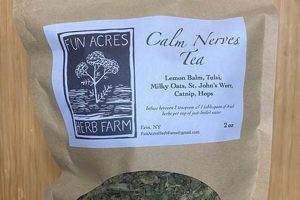
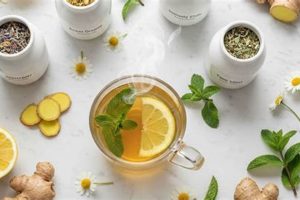
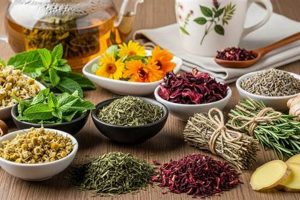
A beverage crafted from infusions or decoctions of herbs, spices, or other plant material, prepared with the intention of alleviating symptoms associated with upper respiratory infections, often targeting discomfort linked to viral illnesses. These concoctions differ from traditional teas made from Camellia sinensis. The beverage formulations typically incorporate ingredients recognized for their purported anti-inflammatory, antiviral, or decongestant properties, and are often consumed hot to provide soothing relief.
The appeal stems from the perception of a natural and gentle approach to managing cold and influenza symptoms, often perceived as a complement to, or alternative to, conventional pharmaceutical interventions. Throughout history, various cultures have employed botanical remedies to address respiratory ailments. The rationale for their use hinges on the inherent bioactive compounds present in certain plants, which are believed to modulate the immune system, reduce inflammation, and ease congestion.
The following sections will delve into the specific herbs commonly utilized in such beverages, examine the scientific evidence supporting their efficacy, explore preparation methods, and address potential safety considerations related to their consumption. This information aims to provide a balanced understanding of their role in managing symptoms associated with common respiratory illnesses.
Guidance on Herbal Infusions for Cold and Flu Mitigation
This section presents several recommendations regarding the use of plant-based infusions as a supportive measure for managing symptoms associated with cold and influenza. The following points offer guidance on selection, preparation, and consumption.
Tip 1: Prioritize Evidence-Based Ingredients: Opt for herbal components with established historical usage and preliminary research suggesting benefits for respiratory health. Consider ingredients such as ginger, elderflower, and peppermint, which have demonstrable anti-inflammatory or decongestant properties.
Tip 2: Emphasize Proper Preparation: Adhere to recommended brewing times and temperatures to ensure optimal extraction of bioactive compounds. Typically, steeping dried herbs in freshly boiled water for 10-15 minutes is sufficient. However, certain roots and barks may require a longer simmering period.
Tip 3: Maintain Adequate Hydration: Regularly consume warm infusions throughout the day to support mucus thinning and ease congestion. Supplement the intake with water to maintain overall hydration levels, crucial for immune function.
Tip 4: Be Mindful of Potential Interactions: Individuals taking prescription medications should consult with a healthcare professional before incorporating these beverages into their routine. Certain herbal constituents may interact with pharmaceuticals, altering their efficacy or increasing the risk of adverse effects.
Tip 5: Observe Dosage Guidelines: Adhere to recommended serving sizes indicated on product labels or provided by a qualified herbalist. Excessive consumption of certain herbs may lead to gastrointestinal discomfort or other undesirable reactions.
Tip 6: Source Reputable Products: Select preparations from reputable suppliers that adhere to quality control standards. Ensure that the herbal materials are sustainably sourced and free from contaminants such as pesticides or heavy metals.
Tip 7: Integrate with Conventional Treatments: Regard herbal beverages as a complementary approach to, rather than a replacement for, conventional medical care. Seek professional medical advice for persistent or severe symptoms.
These guidelines serve as a preliminary framework for the judicious incorporation of herbal infusions in the management of common cold and influenza symptoms. Responsible utilization, coupled with informed decision-making, remains paramount.
The subsequent sections will explore specific herbal ingredients in greater detail, offering insight into their respective mechanisms of action and potential benefits.
1. Ingredient Bioactivity

Ingredient bioactivity, the intrinsic ability of plant constituents to exert a biological effect within the body, forms a cornerstone in understanding the potential of plant-based infusions for mitigating cold and influenza symptoms. The presence and concentration of these bioactive compounds directly influence the therapeutic potential of such beverages.
- Antiviral Compounds
Certain herbs contain compounds that may directly interfere with viral replication or entry into host cells. Elderberry, for instance, is known for its anthocyanins, which have demonstrated in vitro antiviral activity against influenza viruses. While clinical evidence is still evolving, the presence of these compounds is a key factor in the herb’s potential efficacy.
- Anti-inflammatory Agents
Inflammation is a central component of the immune response to viral infections, often contributing to symptoms like sore throat and congestion. Herbs such as ginger and turmeric contain anti-inflammatory compounds, like gingerol and curcumin, respectively, which may help modulate the inflammatory cascade and alleviate these symptoms. The concentration and bioavailability of these agents are critical for achieving a tangible effect.
- Immunomodulatory Effects
Some herbal constituents are believed to influence the immune system’s response to viral infections. Echinacea, for example, has been investigated for its potential to stimulate immune cell activity. While the precise mechanisms are complex and not fully understood, the presence of polysaccharides and other compounds in Echinacea suggests a potential role in modulating immune function during infection.
- Antitussive and Expectorant Properties
Coughing is a common symptom associated with colds and influenza. Certain herbs possess properties that may help suppress coughs or promote the clearance of mucus from the respiratory tract. For example, thyme contains compounds with expectorant and antitussive effects, potentially easing respiratory discomfort. The effectiveness depends on both the concentration of these compounds and individual physiological factors.
The relevance of ingredient bioactivity to plant-based infusions targeting cold and influenza lies in the potential for these beverages to deliver therapeutically relevant compounds. While anecdotal evidence and traditional usage play a role in their popularity, a deeper understanding of the specific bioactive constituents and their mechanisms of action is essential for evaluating their true efficacy and safety. Further research is needed to fully elucidate the role of these compounds in alleviating symptoms and supporting the body’s natural defenses against viral infections.
2. Symptom Relief

The primary objective of employing plant-based infusions during cold and influenza episodes is to alleviate the associated discomfort. Symptom relief, in this context, encompasses the mitigation of various manifestations of upper respiratory infections through the purported therapeutic properties of herbal constituents.
- Decongestant Action
Congestion, characterized by nasal passage blockage and sinus pressure, is a common symptom. Certain herbal components, such as peppermint (containing menthol) and eucalyptus, are believed to possess decongestant properties. These components may work by stimulating cold receptors, creating a sensation of improved airflow and potentially reducing the subjective experience of congestion.
- Soothing Sore Throat
Sore throat, often resulting from inflammation or viral irritation, can be a significant source of discomfort. Infusions containing demulcent herbs, such as slippery elm or licorice root, may provide a soothing effect. These herbs form a protective coating over the throat lining, potentially reducing irritation and alleviating the sensation of pain. The warmth of the beverage itself can also contribute to temporary relief.
- Cough Suppression
Coughing, whether productive or non-productive, is a frequent symptom. Herbs with antitussive properties, such as thyme or marshmallow root, may help suppress the urge to cough. Thyme contains compounds that are thought to relax the bronchial muscles, while marshmallow root possesses mucilage that can soothe irritated throat tissues, potentially reducing cough frequency.
- Fever Management
While not a direct cure, some plant-based infusions may indirectly assist in managing mild fevers. Diaphoretic herbs, such as elderflower or yarrow, are traditionally used to promote sweating, which can assist in regulating body temperature. However, it is crucial to note that these are not substitutes for appropriate medical intervention in cases of high or persistent fever.
The effectiveness of plant-based infusions in providing symptom relief varies among individuals, and their use should be regarded as a complementary approach to, rather than a replacement for, conventional medical care. The subjective experience of symptom alleviation is often influenced by factors such as individual sensitivity, the severity of the illness, and the specific combination of herbs employed. Further rigorous scientific research is warranted to fully elucidate the mechanisms and efficacy of these preparations in alleviating cold and influenza symptoms.
3. Preparation Method

The preparation method significantly influences the efficacy and safety of plant-based infusions intended for cold and influenza symptom mitigation. The extraction of bioactive compounds from herbal materials is critically dependent on the techniques employed, directly affecting the therapeutic potential of the final beverage. Inadequate preparation may result in a weak infusion with insufficient concentrations of active ingredients, while improper techniques could lead to the extraction of undesirable or even harmful substances. For example, prolonged boiling of certain herbs can degrade volatile oils, diminishing their intended benefits.
Specifically, the duration of steeping, water temperature, and the form of the herbal material (e.g., dried, fresh, powdered) all contribute to the composition of the resulting beverage. Delicate flowers and leaves generally require shorter steeping times at lower temperatures to preserve their volatile aromatic compounds, whereas tougher roots and barks often necessitate longer simmering periods to effectively release their constituents. The use of a covered vessel during steeping helps retain volatile compounds that might otherwise evaporate, enhancing the overall potency of the infusion. Furthermore, the appropriate ratio of herbal material to water is crucial for achieving optimal extraction without creating an overly concentrated or potentially toxic brew. In a practical example, preparing ginger tea for nausea requires a specific steeping time to extract beneficial gingerols without releasing excessive amounts of potentially irritating compounds.
In summary, the preparation method is an indispensable component of utilizing plant-based infusions for cold and influenza relief. Adherence to established guidelines, tailored to the specific herbs being used, is essential for maximizing therapeutic benefits and minimizing potential risks. A thorough understanding of these factors allows for the informed and responsible use of these beverages as a complementary approach to managing common respiratory ailments. Neglecting proper preparation can render even the most potent herbs ineffective or even counterproductive.
4. Safety Profile

The safety profile of any intervention intended for managing cold and influenza, including herbal tea formulations, necessitates rigorous evaluation. The composition of such beverages, being derived from natural sources, does not inherently guarantee harmlessness. Potential adverse effects stem from various factors, including inherent toxicity of specific herbs, allergic reactions, interactions with concurrently administered medications, and contamination during cultivation or processing. Consideration of these potential hazards is paramount to responsible use. For instance, individuals with allergies to plants in the Asteraceae family (e.g., chamomile, echinacea) may experience allergic reactions to herbal preparations containing these ingredients.
Furthermore, the concentration of bioactive compounds within herbal teas can vary significantly depending on the source, preparation method, and storage conditions. This variability introduces a challenge in accurately predicting the potential for adverse effects. Certain herbs, while generally considered safe at low doses, may pose risks at higher concentrations or with prolonged use. For example, licorice root, often included for its soothing properties, can elevate blood pressure in susceptible individuals when consumed in excessive amounts. Concurrent use of herbal teas with prescription medications warrants particular caution due to the potential for pharmacokinetic or pharmacodynamic interactions. St. John’s Wort, while not typically found in cold and flu preparations, exemplifies the risk, as it can significantly alter the metabolism of numerous drugs, including some antivirals.
In conclusion, a comprehensive understanding of the safety profile of herbal tea formulations is critical for informed decision-making. Assessment should encompass potential allergic reactions, interactions with medications, dosage considerations, and sourcing from reputable suppliers to minimize contamination risks. Responsible use necessitates awareness of individual sensitivities, careful monitoring for adverse effects, and consultation with healthcare professionals, especially in individuals with pre-existing medical conditions or those taking prescription drugs. A proactive approach to safety ensures that the potential benefits of herbal teas are realized while mitigating the risk of unintended harm.
5. Traditional Usage

The historical employment of plant-based remedies for managing symptoms associated with upper respiratory infections represents a significant foundation for understanding the contemporary use of herbal tea. The long-standing practices of various cultures offer valuable insights into the selection, preparation, and perceived efficacy of specific herbal ingredients for cold and influenza symptom relief. These historical applications often precede, and occasionally inform, modern scientific investigations.
- Ethnobotanical Knowledge Transmission
Ethnobotanical knowledge, passed down through generations, forms a primary basis for identifying plants deemed effective against cold and influenza. This transmission often occurs orally, with families and communities sharing traditional recipes and methods of preparation. For example, the use of elderberry for influenza relief has been documented across numerous cultures, suggesting a widespread recognition of its potential therapeutic benefits. The reliance on empirical observation and anecdotal evidence, while not always scientifically validated, highlights the historical importance of specific plants in managing respiratory ailments. The implication is a potentially useful, time-tested remedy that warrants further investigation and possible integration into modern practices.
- Cultural Variations in Herbal Formulations
Distinct cultural traditions give rise to variations in herbal tea formulations for cold and influenza. Different regions employ locally available plants, resulting in unique combinations and preparation methods. For instance, Asian cultures frequently incorporate ginger and ginseng into formulations, while European traditions emphasize herbs such as thyme and peppermint. These variations reflect both the availability of local resources and the specific symptomatic targets within each cultural context. The result is a diverse array of traditional recipes, each tailored to the perceived needs of the population and the local flora.
- Ritualistic and Symbolic Significance
The consumption of herbal remedies is often intertwined with ritualistic and symbolic practices. The act of preparing and sharing the beverage can carry cultural significance, fostering a sense of community and well-being. In some traditions, specific prayers or incantations may accompany the preparation or consumption of herbal teas, adding a spiritual dimension to the healing process. This integration of ritualistic elements underscores the holistic approach to health and healing that is often characteristic of traditional medical systems. Such practices also reflect an underlying belief in the power of intention and social connection to enhance the efficacy of remedies.
- Historical Documentation and Traditional Texts
Historical texts and traditional medical treatises provide valuable documentation of herbal remedies used for cold and influenza. Ancient medical systems, such as Traditional Chinese Medicine (TCM) and Ayurveda, contain detailed descriptions of herbal formulations and their intended uses. These texts often specify the precise combinations of herbs, preparation methods, and dosages considered appropriate for different stages of illness. The documentation serves as a valuable resource for modern researchers seeking to validate the efficacy of traditional remedies and identify potentially novel therapeutic compounds. However, interpreting these historical texts requires careful consideration of the cultural and historical context in which they were written.
The enduring presence of herbal tea in managing cold and influenza symptoms reflects the accumulated knowledge and practices of numerous cultures over centuries. While modern scientific investigations are essential for validating the efficacy and safety of specific herbal ingredients, the historical context provided by traditional usage offers a valuable perspective on the potential benefits and limitations of these time-honored remedies. These historical approaches serve as a compass, guiding future investigation and potential application in contemporary wellness practices.
Frequently Asked Questions
The following section addresses commonly encountered inquiries regarding the use of plant-based infusions for the management of cold and influenza symptoms. These responses aim to provide clear, concise, and evidence-based information.
Question 1: What constitutes an herbal tea for cold and influenza relief?
An herbal tea, in this context, refers to a beverage prepared by infusing or decocting herbs, spices, or other plant materials in hot water. These are distinct from teas derived from Camellia sinensis and are specifically formulated with ingredients purported to alleviate symptoms associated with upper respiratory infections.
Question 2: What are the primary mechanisms by which these beverages are thought to provide relief?
The purported mechanisms include antiviral activity (e.g., elderberry), anti-inflammatory effects (e.g., ginger, turmeric), decongestant properties (e.g., peppermint, eucalyptus), and soothing effects on irritated mucous membranes (e.g., slippery elm, licorice root). Individual herbal constituents may exert multiple effects simultaneously.
Question 3: Are herbal teas for cold and influenza a substitute for conventional medical treatment?
No. These beverages are intended as a complementary approach to symptom management and should not replace conventional medical care. Individuals experiencing severe or persistent symptoms should seek professional medical advice.
Question 4: Are there potential risks associated with consuming these beverages?
Yes. Potential risks include allergic reactions, interactions with medications, and adverse effects associated with specific herbs (e.g., elevated blood pressure with excessive licorice root consumption). Consultation with a healthcare professional is recommended, particularly for individuals with pre-existing medical conditions or those taking prescription drugs.
Question 5: How can the efficacy of such beverages be maximized?
Efficacy can be maximized through careful selection of ingredients with established traditional usage and preliminary research support, adherence to appropriate preparation methods (e.g., steeping times and temperatures), and sourcing from reputable suppliers to ensure quality and minimize contamination risks.
Question 6: Is scientific evidence available to support the use of these beverages?
While numerous studies have investigated the effects of individual herbal constituents, comprehensive clinical trials evaluating the efficacy of specific herbal tea formulations for cold and influenza are limited. Further research is needed to establish definitive conclusions.
In conclusion, while plant-based infusions may offer symptomatic relief, their use should be approached with caution and informed by available scientific evidence and consideration of potential risks.
The subsequent section will address practical considerations for integrating these beverages into a holistic approach to managing upper respiratory infections.
Herbal Tea, Cold, and Flu
The preceding examination has illuminated the multifaceted aspects surrounding the utilization of herbal tea for mitigating cold and influenza symptoms. From scrutinizing the purported mechanisms of action inherent in specific herbal constituents to delineating potential safety concerns and tracing the historical trajectory of traditional applications, the analysis underscores the complexities involved in evaluating the true efficacy and appropriateness of such beverages. Emphasis has been placed on the critical importance of informed decision-making, responsible preparation methods, and cautious interpretation of available scientific evidence.
Ultimately, while acknowledging the enduring appeal and potential symptomatic benefits associated with herbal tea formulations, a discerning perspective remains paramount. Individuals are encouraged to prioritize evidence-based healthcare practices, seek professional medical guidance when necessary, and approach the integration of herbal remedies with a measured and informed understanding of both their potential benefits and inherent limitations. The intersection of traditional knowledge and scientific inquiry will undoubtedly continue to shape the future understanding and application of plant-based interventions in the management of common respiratory ailments.