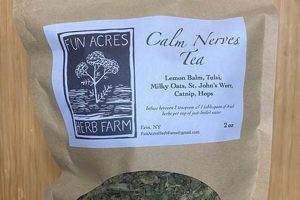
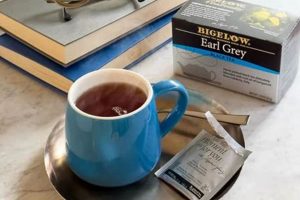
Infusions categorized as herbal teas are generally understood to be naturally devoid of stimulant compounds commonly associated with beverages like black or green tea. These infusions are derived from herbs, flowers, roots, and other botanical elements distinct from the Camellia sinensis plant, which is the source of traditional teas and the stimulant substances they contain. An example is peppermint tea, often consumed for its soothing properties, which lacks these stimulating compounds.
The absence of stimulating components in many herbal infusions contributes to their appeal for individuals seeking relaxing beverages, or those sensitive to such compounds. Historically, various cultures have employed these infusions for medicinal and therapeutic purposes, valuing them for their potential health benefits without the side effects that stimulants may induce. This inherent characteristic makes them a suitable alternative at any time of day.
The following sections will explore the specific instances where stimulating substances are found in certain herbal blends, providing clarity on misleading labeling and potential variations in ingredient composition. It is crucial to understand that while many infusions are naturally free from stimulating components, specific ingredients or additives can alter this characteristic. Careful consideration of ingredients is advised.
This section provides guidance on discerning the actual presence and level of stimulating components within herbal infusions, thereby assisting consumers in making informed choices.
Tip 1: Scrutinize Ingredient Lists: Examine the ingredient list meticulously. Be vigilant for the inclusion of Guarana, Yerba Mate, or even traces of Camellia sinensis (tea plant) itself, as these are known sources of stimulants.
Tip 2: Be Aware of Blends: Recognize that some “herbal” teas are blends containing a small percentage of traditional tea leaves. Even a small amount can introduce measurable quantities of stimulating components.
Tip 3: Check for Third-Party Certifications: Look for certifications from reputable organizations that verify the absence of stimulating compounds in products claiming to be stimulant-free. This offers an additional layer of assurance.
Tip 4: Research the Source: Investigate the source and reputation of the brand. Companies specializing in truly herbal infusions are generally more reliable than those with a broader product range that includes stimulant-containing teas.
Tip 5: Understand Misleading Labeling: Be wary of marketing terms like “energy blend” or “revitalizing tea” when applied to herbal infusions, as these often imply the presence of added stimulants, whether natural or artificial.
Tip 6: Consider Decaffeinated Options: If uncertainty persists, opt for certified decaffeinated traditional teas as a safer alternative, ensuring minimal stimulant content while still enjoying the flavor and potential benefits.
Tip 7: Look for Scientific Names: Rely on scientific names of herbs to verify the source and stimulant-free property of tea. A lot of common names can be misleading. For example, instead of just the name guarana, prefer to see Paullinia cupana which is the scientific name.
By diligently applying these practices, consumers can significantly improve their ability to identify and select genuinely stimulant-free herbal infusions, aligning their choices with their desired health and wellness objectives.
The following section will address potential health concerns and benefits associated with the consumption of infusions containing or claiming to lack stimulating elements.
1. Presence variations

Variations in the presence of stimulating substances within herbal infusions are a critical consideration for consumers seeking to avoid or manage stimulant intake. Understanding the nuances of how these variations arise is essential for informed selection and consumption.
- Botanical Source Contamination
Contamination during harvesting or processing can lead to the unintentional presence of Camellia sinensis leaves or other stimulant-containing plants within ostensibly stimulant-free herbal blends. This form of contamination is infrequent but can occur in facilities processing both traditional tea and herbal infusions. The implications include unexpected stimulant effects in individuals expecting a stimulant-free beverage.
- Intentional Blending Practices
Some manufacturers intentionally blend small quantities of Camellia sinensis or other stimulant-containing ingredients, such as Guarana, into herbal infusions to enhance perceived energy-boosting effects. These blends are frequently marketed under ambiguous terms like “energy blend” or “revitalizing tea”. The implications involve misleading marketing practices and potential health risks for individuals sensitive to stimulants.
- Geographical and Seasonal Factors
While not directly introducing stimulants, geographical and seasonal factors can influence the concentration of naturally occurring compounds in herbal ingredients that might be perceived as having stimulant-like effects. For instance, certain herbs may contain higher concentrations of volatile oils that have an invigorating aroma, even though they lack stimulating substances.
- Decaffeination Inefficiencies
Some herbal tea brands will source decaffeinated tea from sources of caffeine, like the Camellia sinensis plant. While these teas go through a decaffeination process, there’s a chance of inefficiencies to the method. Depending on the chemical used and the plant itself, there might be caffeine still found.
These facets collectively demonstrate that the presence, or absence, of stimulants in herbal infusions is not always a straightforward matter. Consumers must exercise vigilance in scrutinizing ingredient lists, understanding potential contamination risks, and recognizing that blending practices can significantly alter the stimulant profile of a product.
2. Ingredient Clarity

Ingredient clarity, in the context of infusions marketed as “herbal teas,” directly impacts consumer understanding of whether or not stimulating substances are present. The absence of explicit ingredient information or the use of vague terminology obscures the potential presence of stimulating components derived from sources like Camellia sinensis, Guarana, or Yerba Mate. For instance, a product labeled simply as “Energy Tea” may contain Guarana, a potent stimulant source, yet this fact might be hidden if the ingredient list lacks specificity. This opacity creates a direct cause-and-effect relationship: unclear ingredients cause consumer misunderstanding. This is crucial in assessing whether a particular herbal tea has caffeine in it.
The importance of ingredient clarity manifests in several practical ways. Consumers with sensitivities to stimulants, such as those with anxiety or cardiovascular conditions, rely on accurate labeling to avoid adverse reactions. An unclear ingredient list undermines their ability to make informed choices, potentially leading to unintended health consequences. The European Food Safety Authority (EFSA) mandates specific labeling requirements for ingredients known to have significant physiological effects, demonstrating the recognition of ingredient clarity as a fundamental aspect of consumer safety and transparency. The practical significance of this understanding lies in empowering consumers to navigate the market with confidence, safeguarding their health and aligning their choices with their individual needs.
Ultimately, ingredient clarity serves as the cornerstone of trust between manufacturers and consumers. By providing transparent and detailed ingredient information, manufacturers enable consumers to make informed decisions, fostering a sense of confidence in the product’s composition and intended effects. Conversely, the absence of clarity breeds skepticism and undermines the integrity of the “herbal tea” category as a whole. Clear ingredient details are vital for maintaining consumer confidence in the product, which promotes a sense of trust with the product and brand.
3. Labeling Accuracy

Labeling accuracy, in the context of infusions marketed as “herbal teas,” directly influences consumer understanding of whether or not stimulating substances are present. Accurate labeling is the primary means by which manufacturers communicate the composition of their products to consumers, particularly regarding the presence or absence of ingredients containing stimulating elements. Misleading or inaccurate labeling directly undermines consumer trust and can have significant health implications. These details provide a clear understanding of how labeling effects herbal tea caffeine.
- Regulatory Compliance
Adherence to regulatory standards for food labeling is paramount for ensuring accuracy. In many jurisdictions, regulations mandate specific information regarding ingredients known to have physiological effects, such as stimulating substances. Failure to comply with these regulations constitutes a breach of consumer protection laws and can result in legal penalties. Examples include the requirement to declare the presence of caffeine above a certain threshold, or to clearly identify ingredients like Guarana or Yerba Mate that naturally contain stimulating compounds. Labeling accuracy is important to note since regulatory components are important for legal compliance.
- Misleading Terminology
The use of vague or ambiguous terminology on product labels can deliberately obscure the presence of stimulating ingredients. Terms like “energy blend,” “revitalizing tea,” or “natural stimulant” may be used without explicitly disclosing the specific source or quantity of stimulating substances. This practice deceives consumers who are seeking stimulant-free products or attempting to manage their stimulant intake. The implications of such misleading terminology include potential adverse health effects for stimulant-sensitive individuals and erosion of consumer trust in the brand. Accurate labeling is important to note since terminologies are used in many contexts.
- Third-Party Verification
Independent certification programs play a crucial role in verifying the accuracy of product labels, particularly concerning claims of being “stimulant-free” or “caffeine-free.” These programs conduct rigorous testing to ensure that products meet specified standards and that the information provided on the label is truthful and accurate. Examples include certifications from organizations specializing in stimulant testing and verification. The presence of such certifications on a product label provides consumers with an additional layer of assurance, enhancing their confidence in the product’s composition. Accurate labeling is important to note since certifications can play a role in transparency.
- Quantifiable Information
Beyond simply listing ingredients, accurate labeling should include quantifiable information regarding the amount of stimulating substances present in a serving. This information empowers consumers to make informed decisions based on their individual tolerance and desired level of stimulation. For example, providing a specific caffeine content in milligrams per serving allows consumers to accurately compare products and manage their stimulant intake. Accurate labeling is important to note since consumers can determine whether products meet their needs.
In summary, labeling accuracy is a fundamental aspect of consumer protection and product transparency. By adhering to regulatory standards, avoiding misleading terminology, seeking third-party verification, and providing quantifiable information, manufacturers can ensure that their product labels accurately reflect the presence or absence of stimulating substances. The implications of inaccurate labeling range from potential adverse health effects for consumers to erosion of trust in the brand and the “herbal tea” category as a whole. These features, when used correctly, help the customers determine whether the herbal tea has caffeine.
4. Source Verification

Source verification is a critical process in the assessment of whether a product marketed as “herbal tea” truly lacks stimulating substances like caffeine. The origin and processing methods of ingredients significantly influence the potential for contamination or adulteration, thereby impacting the veracity of claims regarding a stimulant-free composition. Proper source verification provides a traceable pathway from raw materials to finished product, enabling scrutiny of each stage where stimulants might be introduced either intentionally or inadvertently. The following examines key facets of source verification.
- Supplier Audits and Certifications
Direct audits of suppliers and their facilities are essential for verifying adherence to quality control standards and preventing the introduction of stimulants during harvesting or processing. Independent certifications, such as those related to organic or good manufacturing practices (GMP), provide an additional layer of assurance. For example, a supplier certified organic must demonstrate that their farming practices prevent the use of synthetic fertilizers and pesticides, reducing the risk of contamination from external sources. The implication is a higher degree of confidence in the purity of the ingredients and the accuracy of claims regarding the absence of stimulating substances.
- Geographical Origin Transparency
Knowledge of the geographical origin of herbal ingredients enables assessment of regional risks related to stimulant contamination. Certain regions may have a higher prevalence of stimulant-containing plants growing in proximity to herbal crops, increasing the potential for unintended mixing during harvesting. Transparency regarding geographical origin allows manufacturers to implement targeted testing protocols and ensure the purity of their raw materials. An example is sourcing peppermint from regions known for cultivating only Mentha piperita, minimizing the risk of cross-contamination with other mint varieties that might contain trace amounts of stimulating compounds. The implication is enhanced control over ingredient sourcing and a reduced likelihood of stimulant presence in the final product.
- Chain of Custody Documentation
Maintaining detailed documentation throughout the chain of custody, from harvesting to processing to packaging, provides a traceable record of ingredient handling and processing. This documentation allows for verification of each step in the supply chain and identification of potential points where stimulants might be introduced. For instance, documenting the cleaning and sterilization procedures of processing equipment minimizes the risk of cross-contamination between stimulant-containing and stimulant-free products. The implication is a higher level of accountability and a reduced opportunity for unintended stimulant inclusion.
- DNA Barcoding and Botanical Identification
Employing DNA barcoding and other botanical identification techniques enables verification of the species and subspecies of herbal ingredients. This is particularly important for preventing the substitution of stimulant-containing plants for ostensibly stimulant-free ones. For example, DNA barcoding can confirm that a sample labeled as chamomile ( Matricaria chamomilla) is indeed that species and not a related species known to contain stimulating compounds. The implication is enhanced confidence in the authenticity of herbal ingredients and the accuracy of claims regarding stimulant absence.
These facets of source verification underscore the importance of a comprehensive approach to ensuring the absence of stimulating substances in herbal infusions. By diligently auditing suppliers, maintaining geographical transparency, documenting the chain of custody, and employing botanical identification techniques, manufacturers can enhance the credibility of their stimulant-free claims and provide consumers with greater assurance regarding the composition of their products. These features, when used correctly, help the customers determine whether the herbal tea has caffeine.
5. Stimulant Effects
The presence, or perceived absence, of stimulant effects is a central concern within the domain of infusions marketed as “herbal tea.” These effects, primarily mediated by substances like caffeine and other methylxanthines, trigger a cascade of physiological responses. These responses, stemming from stimulation of the central nervous system, include increased alertness, elevated heart rate, and altered cognitive function. A key cause and effect relationship is that the consumption of an herbal tea unintentionally containing caffeine will result in stimulant effects, thereby negating the intended purpose of a relaxing beverage. As a component of “herbal tea caffeine”, understanding the nature and intensity of these stimulant effects is paramount for consumers seeking to manage their stimulant intake and avoid adverse reactions. An illustrative example involves individuals with caffeine sensitivity who unknowingly consume an herbal tea blend contaminated with Camellia sinensis; the resultant anxiety, insomnia, or gastrointestinal distress underscores the practical significance of accurately assessing stimulant effects.
The practical application of this understanding extends to several areas. Firstly, individuals managing medical conditions such as anxiety disorders, cardiovascular disease, or insomnia require precise knowledge of a product’s stimulant content to prevent exacerbation of their symptoms. Secondly, pregnant or breastfeeding women often seek stimulant-free beverages to minimize potential risks to their offspring. Thirdly, athletes may strategically use, or avoid, stimulants depending on the demands of their training regimen and competition schedule. In all cases, the ability to accurately predict and control stimulant effects hinges on the availability of clear and reliable information regarding the composition of herbal infusions. The presence of a stimulant creates health effects that need to be considered for many consumers.
In conclusion, stimulant effects represent a critical consideration within the context of “herbal tea caffeine,” underscoring the importance of accurate labeling, source verification, and consumer education. Challenges persist in ensuring complete transparency and preventing unintentional contamination, necessitating ongoing efforts to improve testing methodologies and regulatory oversight. Ultimately, a comprehensive understanding of stimulant effects is essential for empowering consumers to make informed choices, safeguarding their health, and deriving the intended benefits from herbal infusions. It’s important to be aware of effects to ensure the health concerns are addressed with the right herbal tea.
Frequently Asked Questions Regarding Stimulating Components in Herbal Infusions
The following addresses common inquiries and misconceptions pertaining to the presence, absence, and effects of stimulating compounds often associated with herbal infusions. The information provided aims to clarify ambiguities and promote informed consumer choices.
Question 1: What distinguishes a true herbal infusion from a traditional tea concerning stimulant content?
True herbal infusions are derived from plants other than Camellia sinensis, the source of traditional teas (black, green, white, oolong). Consequently, they are naturally devoid of stimulant substances like caffeine. Traditional teas inherently contain these substances due to the composition of the Camellia sinensis plant itself.
Question 2: Can herbal infusions be contaminated with stimulant-containing substances during production?
Yes, contamination can occur during harvesting, processing, or packaging if facilities handle both traditional teas and herbal materials. This contamination is generally infrequent, but quality control measures are essential to minimize the risk. Consumers are advised to select reputable brands that implement stringent sourcing and processing protocols.
Question 3: Do specific “herbal” ingredients inherently contain stimulating compounds?
While most herbs are naturally stimulant-free, some ingredients, such as Guarana or Yerba Mate, possess inherent stimulant properties. Products containing these ingredients should be labeled accordingly, providing consumers with accurate information regarding the presence of these substances.
Question 4: How does “decaffeination” affect the stimulant content of traditional teas incorporated into herbal blends?
Decaffeination processes reduce, but do not entirely eliminate, stimulant content. Blends incorporating decaffeinated tea may still contain trace amounts of caffeine. Consumers seeking complete stimulant avoidance should carefully scrutinize labels and consider certified stimulant-free options.
Question 5: What regulatory standards govern the labeling of stimulant content in herbal infusions?
Regulatory standards vary by jurisdiction but generally require accurate declaration of ingredients with known physiological effects, including stimulants. Consumers are advised to familiarize themselves with local labeling requirements to ensure informed purchasing decisions.
Question 6: What are the potential health implications of inadvertently consuming stimulating substances in herbal infusions?
Adverse effects vary based on individual sensitivity but may include anxiety, insomnia, elevated heart rate, and gastrointestinal distress. Individuals with pre-existing medical conditions, pregnant or breastfeeding women, and those sensitive to stimulants should exercise particular caution and consult with healthcare professionals if concerns arise.
In summation, understanding the complexities surrounding stimulant content in herbal infusions requires diligent scrutiny of ingredient lists, awareness of potential contamination risks, and familiarity with regulatory labeling standards. Consumers are encouraged to prioritize transparency and select products from reputable sources to ensure informed and safe consumption.
The subsequent section explores strategies for identifying authentic stimulant-free herbal infusions, providing practical guidance for navigating the diverse product landscape.
Herbal Tea Caffeine
Throughout this exploration, the multifaceted nature of “herbal tea caffeine” has been revealed. The examination encompassed the varied presence of stimulants in herbal infusions, the imperative of ingredient clarity and labeling accuracy, the necessity of source verification, and the implications of stimulant effects on the consumer. Emphasis has been placed on empowering individuals to navigate the diverse marketplace and make discerning choices aligned with their health needs and preferences. The potential for contamination, intentional blending, and misleading marketing necessitates vigilance.
Ultimately, the responsibility rests with both manufacturers and consumers. Manufacturers must prioritize transparency and adhere to rigorous quality control standards. Consumers, in turn, must exercise due diligence in scrutinizing product information and seeking reliable sources. Only through a concerted effort can the “herbal tea” category maintain its integrity and provide consumers with the assurance they seek. The consequences of inaction include potential health risks and a loss of consumer confidence in the industry. Continued vigilance is warranted.