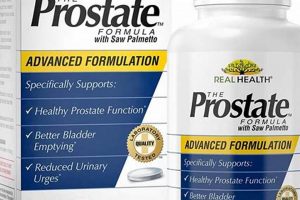
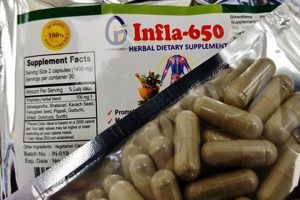
Products marketed as natural remedies intended to improve erectile function represent a significant portion of the alternative medicine market. These preparations often consist of plant-derived ingredients, sometimes in combination with vitamins or minerals, and are promoted as a method to address male sexual health concerns.
The appeal of these products stems from a perceived natural origin, potentially leading individuals to view them as safer alternatives to conventional medications. Historically, various cultures have utilized botanical substances for their purported aphrodisiac and health-enhancing properties. However, it’s essential to acknowledge that the efficacy and safety of these products often lack robust scientific validation through rigorous clinical trials.
The subsequent sections will delve into the specific ingredients commonly found in these formulations, examine the existing evidence supporting or refuting their effectiveness, and explore the potential risks and interactions associated with their use. This comprehensive analysis aims to provide a balanced perspective on the topic.
Guidance on Natural Products Marketed for Erectile Function
Navigating the landscape of natural substances promoted for improving erectile function necessitates a cautious and informed approach. Due to the variability in product formulation, limited regulatory oversight, and potential for adverse effects, the following guidelines are presented.
Tip 1: Consult a Healthcare Professional: Prior to initiating any new regimen, a thorough consultation with a physician or qualified healthcare provider is paramount. This allows for a comprehensive evaluation of underlying health conditions, potential drug interactions, and suitability of the approach.
Tip 2: Critically Evaluate Claims: Exercise skepticism towards exaggerated claims of efficacy or guaranteed results. Substantial scientific evidence is often lacking for many ingredients, and marketing materials may not accurately reflect the available research.
Tip 3: Research Ingredients Thoroughly: Independently investigate the specific components of any product under consideration. Consult reputable sources of scientific information, such as peer-reviewed journals and government health agencies, to assess the available data on safety and effectiveness.
Tip 4: Be Aware of Potential Interactions: Natural substances can interact with prescription medications or other dietary supplements, potentially leading to adverse effects. A healthcare provider can assess and mitigate these risks.
Tip 5: Verify Product Quality: Seek products from reputable manufacturers that adhere to quality control standards and undergo independent third-party testing. This helps ensure the purity and potency of the ingredients.
Tip 6: Monitor for Adverse Effects: Closely monitor for any unwanted side effects after initiating use. Discontinue use and consult a healthcare provider if adverse reactions occur.
Tip 7: Prioritize Lifestyle Modifications: Focus on establishing a foundation of healthy lifestyle practices, including regular exercise, a balanced diet, stress management, and adequate sleep. These factors can significantly impact overall health and well-being, potentially improving erectile function.
Adhering to these guidelines contributes to a more informed and responsible approach to exploring natural products marketed for erectile function, minimizing potential risks and optimizing the likelihood of positive outcomes. However, this is not a replacement for seeking qualified medical advice and treatment.
The subsequent sections will delve deeper into safety considerations and the legal status of these products.
1. Efficacy Evidence

The examination of efficacy evidence is paramount when considering any herbal preparation marketed for erectile dysfunction. The claims surrounding these substances often lack the rigorous scientific validation expected of conventional pharmaceutical interventions. The following points outline key considerations.
- Limited Clinical Trial Data
Many herbal remedies have not undergone extensive, placebo-controlled clinical trials necessary to definitively establish their effectiveness. Existing studies may be small, poorly designed, or lack statistical power, hindering the ability to draw firm conclusions regarding their impact on erectile function.
- Variability in Product Formulation
The composition of herbal supplements can vary considerably between manufacturers and even within different batches of the same product. This inconsistency makes it challenging to assess efficacy accurately, as the active ingredients and their concentrations may fluctuate.
- Subjective Outcome Measures
Efficacy is often assessed using subjective measures, such as patient self-reports of erectile function. These reports are susceptible to bias and may not accurately reflect physiological changes. Objective measures, such as penile rigidity or blood flow, are less frequently employed.
- Publication Bias
There is a potential for publication bias, where studies showing positive results are more likely to be published than those with negative or inconclusive findings. This bias can create a misleading impression of efficacy, even if the overall body of evidence is weak.
The scarcity of robust efficacy evidence necessitates a cautious approach to these products. Individuals seeking treatment for erectile dysfunction should prioritize therapies with established safety and efficacy profiles supported by rigorous scientific research. Reliance on unsubstantiated claims associated with herbal remedies may delay or detract from appropriate medical care.
2. Safety Profiles

Evaluating the safety profiles of herbal supplements marketed for erectile dysfunction is paramount due to the potential for adverse effects and interactions with conventional medications. The absence of rigorous testing and standardization necessitates a careful consideration of potential risks.
- Variability in Composition and Contamination
Herbal supplements often exhibit significant variability in their composition, depending on factors such as growing conditions, harvesting methods, and manufacturing processes. Furthermore, contamination with heavy metals, pesticides, or adulterants is a potential concern, particularly for products sourced from unregulated suppliers. These inconsistencies can lead to unpredictable and potentially harmful effects. For example, a product labeled as pure Ginkgo biloba may contain undeclared substances that pose risks to individuals with allergies or sensitivities. In the context of supplements for erectile dysfunction, these issues could exacerbate existing health conditions or interact negatively with prescribed treatments.
- Lack of Standardized Dosages
Unlike pharmaceutical drugs, herbal supplements typically lack standardized dosages, making it challenging to determine the appropriate amount for safe and effective use. Dosage recommendations may vary widely between products and may not be based on scientific evidence. Inaccurate dosing can lead to either ineffectiveness or an increased risk of adverse effects. For example, exceeding the recommended dosage of an ingredient like yohimbine could result in elevated blood pressure, anxiety, and cardiac arrhythmias. Consequently, the absence of standardized dosages presents a significant challenge in assessing the safety of these supplements.
- Potential for Drug Interactions
Many herbal supplements can interact with prescription medications, potentially altering their efficacy or increasing the risk of side effects. These interactions may occur through various mechanisms, such as affecting drug metabolism, absorption, or excretion. For instance, St. John’s Wort, an herb sometimes included in formulations for erectile dysfunction, is known to interact with a wide range of drugs, including antidepressants, anticoagulants, and immunosuppressants. These interactions can have serious consequences, potentially leading to treatment failure or life-threatening complications. Individuals taking prescription medications must consult with a healthcare provider before using any herbal supplement.
- Underreporting of Adverse Events
Adverse events associated with herbal supplements are often underreported, making it difficult to accurately assess their safety profiles. Many individuals may not recognize the link between their symptoms and the use of a supplement, or they may be hesitant to report adverse reactions to healthcare providers. This underreporting can lead to an underestimation of the true risks associated with these products. For example, if an individual experiences liver damage after taking a herbal supplement and does not report it, the risk of liver damage associated with that supplement will not be reflected in safety data, leading to a false sense of security among other users.
The facets highlight the multifaceted safety concerns associated with herbal supplements marketed for erectile dysfunction. Comprehending the potential risks is vital for informed decision-making. A thorough evaluation of the available evidence and consultation with a healthcare professional is necessary before using these products.
3. Regulatory Oversight

The market for products promoted as herbal remedies for erectile dysfunction operates with a significantly lower level of regulatory scrutiny compared to that of prescription pharmaceuticals. This disparity is primarily due to the classification of these products as dietary supplements in many jurisdictions, including the United States. Under this classification, manufacturers are not required to demonstrate the safety and efficacy of their products before they are marketed to consumers.
The Dietary Supplement Health and Education Act (DSHEA) of 1994 in the United States outlines the regulatory framework for dietary supplements. This act places the responsibility for ensuring product safety on the manufacturer, rather than requiring pre-market approval by the Food and Drug Administration (FDA). The FDA can take action against a supplement after it is on the market if it is proven to be unsafe or misbranded. However, the burden of proof lies with the agency, and demonstrating harm can be a lengthy and resource-intensive process. Consequently, many supplements marketed for ED remain available despite lacking adequate safety data. An example is the continued sale of supplements containing potentially harmful ingredients like yohimbine, even with reported adverse events.
The limited regulatory oversight of herbal supplements for ED poses several challenges. It allows manufacturers to make unsubstantiated claims about efficacy without rigorous scientific evidence. It increases the risk of adulteration, where products may contain undeclared ingredients, including prescription drugs or other potentially harmful substances. And it leaves consumers vulnerable to deceptive marketing practices. Strengthening regulatory standards, enhancing enforcement efforts, and promoting greater transparency in the supplement industry are crucial steps to protect public health. Increased post-market surveillance is also needed to detect and respond to adverse events associated with these products swiftly.
4. Ingredient Interactions
The potential for interactions between ingredients in supplements for erectile dysfunction (ED) and prescription medications represents a significant health concern. Herbal supplements often contain multiple active compounds, increasing the likelihood of pharmacological interactions. These interactions can alter the efficacy of prescription drugs, exacerbate side effects, or create new adverse reactions. An example involves the combined use of sildenafil (Viagra) and certain herbal ingredients known to lower blood pressure. This combination could lead to excessive hypotension, resulting in dizziness, fainting, or even cardiovascular complications. Therefore, awareness of potential interactions is vital.
Understanding the mechanisms by which these interactions occur is crucial for healthcare providers and individuals considering herbal supplements for ED. Some ingredients may affect the metabolism of drugs by inhibiting or inducing cytochrome P450 enzymes, which play a critical role in drug breakdown. Others may interfere with drug absorption, distribution, or excretion. For example, St. John’s Wort, an herb sometimes included in ED formulations, can induce CYP3A4, an enzyme that metabolizes numerous medications, including some antidepressants and protease inhibitors. This induction could lead to decreased drug levels and reduced therapeutic effects. Another example is that herbal supplements containing Ginkgo biloba can increase the risk of bleeding when taken with antiplatelet or anticoagulant medications. These supplements might have different mechanisms, making it difficult to know how they will react. Knowing all the medications an individual is taking, including supplements, will help.
Given the complexity of potential ingredient interactions, individuals contemplating the use of herbal supplements for ED must disclose all medications and supplements to their healthcare providers. A thorough review of potential interactions is necessary before initiating any new regimen. Caution should be exercised when combining multiple supplements, as the risk of interactions increases with the number of active compounds involved. It is crucial to recognize that “natural” does not necessarily equate to “safe,” and that the potential for ingredient interactions warrants careful consideration.
5. Dosage Variability

Dosage variability represents a significant challenge in the context of herbal products marketed for erectile dysfunction. This stems from the inherent lack of standardization in the manufacturing and quality control processes associated with these supplements. Unlike pharmaceutical medications, where precise dosages of active ingredients are meticulously controlled and verified, herbal products often exhibit considerable variations in their composition. This variability can arise from differences in plant sourcing, growing conditions, extraction methods, and manufacturing practices. Consequently, the amount of active compounds present in a given dose can differ substantially, even between different batches of the same product. For example, a study analyzing ginseng supplements found that the concentration of ginsenosides, the active compounds, varied by as much as tenfold across different brands. This can lead to inconsistent results, which also can bring harm to an individual.
The absence of standardized dosages poses a particular risk for individuals with underlying health conditions or those taking other medications. Because of it, the products are not as strong. It also means that some are stronger, which is not good. The unpredictable nature of herbal products could interact negatively with blood thinners or diabetes medications. For example, if an individual is taking a prescription medication for hypertension and simultaneously consumes an herbal product containing an unknown quantity of an ingredient with blood pressure-lowering effects, this can cause problems. Then they have two problems. The same thing with other medications as well. Monitoring patients can be difficult because there are so many factors to keep in mind.
In summary, dosage variability undermines the safety and efficacy of herbal supplements. It is important to have a good handle on the factors that contribute to this variability and the potential consequences for consumer health. Improving standardization processes, enhancing regulatory oversight, and promoting greater transparency in the herbal supplement industry are essential steps towards addressing this challenge and ensuring that individuals have access to safe and reliable products. It’s difficult to know who to trust in the market.
Frequently Asked Questions About Herbal Supplements for Erectile Dysfunction
The following questions address common inquiries and concerns regarding the use of herbal supplements for managing erectile dysfunction (ED). The information provided is intended for educational purposes and should not substitute professional medical advice.
Question 1: Are herbal supplements a safe alternative to prescription medications for ED?
Herbal supplements are not necessarily safer than prescription medications. While marketed as “natural,” they are not subject to the same rigorous testing and regulatory oversight as pharmaceuticals. Consequently, the safety and efficacy of these products often lack robust scientific validation. Potential risks include adverse effects, interactions with other medications, and variability in product composition.
Question 2: Can herbal supplements effectively treat ED?
The evidence supporting the effectiveness of herbal supplements for treating ED is generally weak and inconsistent. Many studies are small, poorly designed, or lack statistical power. Claims of efficacy often rely on anecdotal evidence or traditional use rather than rigorous clinical trials. Individuals should temper expectations and consult healthcare professionals regarding evidence-based treatment options.
Question 3: What are the potential risks associated with herbal supplements for ED?
Potential risks include adverse effects such as gastrointestinal distress, allergic reactions, and cardiovascular complications. Some herbal ingredients can interact with prescription medications, altering their efficacy or increasing the risk of side effects. Additionally, the lack of standardization in product manufacturing raises concerns about contamination and inconsistent dosages.
Question 4: How can one verify the quality and safety of herbal supplements for ED?
Verifying the quality and safety of herbal supplements is challenging due to limited regulatory oversight. Look for products from reputable manufacturers that adhere to quality control standards and undergo third-party testing. Consult independent sources of information, such as ConsumerLab.com or the U.S. Pharmacopeia (USP), to assess product quality and purity.
Question 5: What should one do before considering herbal supplements for ED?
Prior to considering herbal supplements, a comprehensive evaluation by a healthcare professional is essential. This evaluation should include a thorough medical history, physical examination, and assessment of potential underlying causes of ED. Discuss all medications and supplements being taken to identify potential interactions.
Question 6: Are there any legal considerations when purchasing herbal supplements for ED?
The legality of specific ingredients in herbal supplements can vary depending on the jurisdiction. Certain substances may be restricted or prohibited due to safety concerns or regulatory requirements. Research local regulations and exercise caution when purchasing products from unregulated sources, such as online retailers.
Individuals should approach herbal supplements with caution. Consultation with a healthcare provider is essential before initiating any new regimen. It is crucial to prioritize evidence-based treatments and lifestyle modifications for managing ED effectively.
The following section will provide a conclusion.
Conclusion
This exploration of herbal supplements marketed for erectile dysfunction reveals a complex landscape characterized by limited scientific evidence, variable product quality, and potential safety concerns. The absence of rigorous regulatory oversight and the potential for interactions with prescription medications necessitate a cautious and informed approach.
Individuals experiencing erectile dysfunction should prioritize consultation with healthcare professionals to explore evidence-based treatments and lifestyle modifications. Reliance on unsubstantiated claims associated with herbal supplements may delay or detract from appropriate medical care. Continued research and enhanced regulatory measures are crucial to ensure the safety and efficacy of products marketed for male sexual health.