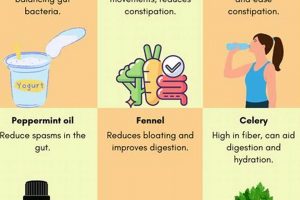
Natural plant-derived treatments offer potential relief from the discomfort associated with menstruation. These interventions encompass the use of various botanical components believed to possess properties that can alleviate pain, reduce inflammation, or ease muscle spasms common during the menstrual cycle. For instance, consuming chamomile tea is often suggested as a method to soothe cramping sensations.
The appeal of utilizing botanical solutions lies in their accessibility and perceived lower risk of side effects compared to some pharmaceutical options. Historically, many cultures have relied on traditional plant-based medicine to manage women’s health issues. This approach aligns with a desire for more holistic and natural health management strategies, emphasizing well-being through the use of compounds found in nature.
The subsequent sections will delve into specific botanical options frequently recommended for menstrual discomfort, their purported mechanisms of action, considerations regarding their use, and a summary of available scientific evidence supporting their efficacy and safety.
Guidance on Employing Botanical Approaches for Menstrual Discomfort
The following points offer practical considerations for individuals exploring the use of plant-based interventions to manage symptoms associated with menstruation.
Tip 1: Consultation with a Healthcare Professional: Prior to initiating any new treatment regimen, particularly one involving botanical substances, seek the counsel of a qualified medical practitioner or herbalist. This is crucial to ascertain suitability, address potential interactions with existing medications, and establish appropriate dosages.
Tip 2: Prioritize Reputable Sources: Obtain botanical ingredients from trusted suppliers adhering to quality control standards. Verify certifications and conduct thorough research to minimize the risk of contamination or adulteration.
Tip 3: Adherence to Recommended Dosages: Follow specified dosage guidelines meticulously. Exceeding recommended amounts does not necessarily enhance efficacy and may increase the likelihood of adverse effects. Starting with a lower dose and gradually increasing as needed is often advisable.
Tip 4: Preparation Methods: Understand the correct preparation methods for specific plants. Some require decoction, while others are best administered as infusions or tinctures. Ensure accurate preparation to maximize therapeutic potential and minimize potential toxins.
Tip 5: Monitor for Allergic Reactions: Be vigilant for signs of allergic reactions, such as skin rashes, itching, or difficulty breathing. Discontinue use immediately and seek medical attention if any adverse reactions occur.
Tip 6: Lifestyle Integration: Enhance the effectiveness of botanical agents by incorporating supportive lifestyle modifications. Adequate hydration, a balanced diet, regular exercise, and stress management techniques can contribute to overall well-being and reduce the severity of menstrual discomfort.
Tip 7: Track Symptom Response: Maintain a record of symptom changes and botanical intake. This enables the identification of effective plants and dosages, facilitating a personalized approach to management.
Adherence to these guidelines can promote responsible and informed utilization of plant-derived options for mitigating menstrual symptoms, potentially contributing to improved well-being and quality of life.
The subsequent section will provide a summary of existing research, including its limitations, and propose directions for future inquiry into the efficacy and safety of employing botanical agents for the management of menstrual discomfort.
1. Anti-inflammatory Properties

The presence of inflammation during menstruation exacerbates discomfort; therefore, botanical agents with anti-inflammatory properties are frequently employed to alleviate symptoms. Reducing inflammation can mitigate pain and other associated complaints.
- Prostaglandin Inhibition
Certain botanical constituents impede the synthesis of prostaglandins, hormone-like substances that promote inflammation and uterine contractions. By inhibiting prostaglandin production, these plants can diminish the intensity of menstrual cramping.
- COX-2 Enzyme Suppression
Cyclooxygenase-2 (COX-2) is an enzyme instrumental in the inflammatory response. Certain plants contain compounds that suppress COX-2 activity, providing targeted anti-inflammatory action within the uterine tissues.
- Cytokine Modulation
Cytokines, signaling molecules that regulate inflammation, can be modulated by botanical agents. Select plant compounds can reduce the levels of pro-inflammatory cytokines, thereby lessening the overall inflammatory burden during menstruation.
- Specific Herbal Examples
Ginger, turmeric (containing curcumin), and chamomile are examples of botanical options with documented anti-inflammatory effects. These plants can be consumed as teas, supplements, or integrated into the diet to potentially lessen menstrual discomfort by reducing inflammation.
The utilization of botanical substances with anti-inflammatory actions targets a key mechanism contributing to menstrual distress. While promising, it is imperative to consider individual responses and potential interactions when incorporating these remedies into a management strategy.
2. Muscle Relaxant Effects

The utility of botanical agents in addressing menstrual cramps often stems from their capacity to induce muscle relaxation, specifically targeting the uterine muscles. Menstrual cramping arises primarily from uterine contractions designed to expel the uterine lining. When these contractions become excessively forceful or prolonged, pain ensues. Botanical substances that promote muscle relaxation can mitigate the intensity of these contractions, providing symptomatic relief. An example is the use of valerian root, known for its sedative and muscle-relaxant properties, to lessen the severity of uterine spasms.
The mechanism through which these botanical options exert their muscle-relaxant effects varies. Some plants contain compounds that directly interact with the smooth muscle cells of the uterus, reducing their excitability and contractile force. Others may act indirectly, influencing the central nervous system to reduce the perception of pain and promote overall relaxation, which in turn affects muscle tension. Magnesium, while not strictly an herb, is a mineral commonly found in botanical preparations and is recognized for its muscle-relaxant properties, often recommended to alleviate menstrual cramps.
The integration of botanical muscle relaxants into a menstrual management strategy necessitates cautious consideration of individual factors and potential interactions. While these agents can offer significant relief, proper dosage and sourcing are crucial. Furthermore, the underlying cause of severe or persistent menstrual cramps should be evaluated by a healthcare professional to rule out any underlying medical conditions. The judicious use of botanical muscle relaxants, within the context of a comprehensive approach to menstrual health, can contribute to improved well-being.
3. Estrogen Modulation

The fluctuating levels of estrogen throughout the menstrual cycle significantly influence the experience of menstrual cramps. Excessively high or imbalanced estrogen can contribute to increased inflammation, uterine contractions, and heightened pain sensitivity. Certain botanical agents are believed to exert a modulating influence on estrogen levels, thereby potentially alleviating menstrual discomfort. This modulation does not necessarily imply a reduction in overall estrogen but rather a balancing effect, optimizing the estrogen-to-progesterone ratio. For example, some phytoestrogensplant-derived compounds with estrogen-like activitycan bind to estrogen receptors, exerting either estrogenic or anti-estrogenic effects depending on the body’s needs, and competing with the body’s estrogen, thus contributing to a balanced hormonal environment. This process, in turn, influences uterine lining thickness and contractility.
Botanical options purported to modulate estrogen include chasteberry (Vitex agnus-castus), dong quai (Angelica sinensis), and black cohosh (Actaea racemosa). However, it is crucial to acknowledge that the mechanisms of action of these plants and the degree of estrogen modulation they induce are subjects of ongoing scientific investigation. The response to these botanical options is highly individual, dependent on factors such as genetic predisposition, hormonal status, and overall health. Individuals with known estrogen-sensitive conditions, such as endometriosis or hormone-dependent cancers, should exercise particular caution and seek expert guidance before employing these approaches.
In conclusion, the potential of botanical agents to modulate estrogen offers a promising avenue for managing menstrual cramps. However, a comprehensive understanding of their specific mechanisms, individual variability in response, and potential risks is essential for safe and effective utilization. Further research is warranted to elucidate the precise roles of these agents in hormonal regulation and their long-term effects on menstrual health.
4. Pain Relief Mechanisms

The alleviation of pain constitutes a primary objective in the employment of plant-derived interventions for menstrual cramps. A comprehensive understanding of the various pain relief mechanisms associated with these substances is essential for informed and effective utilization. These mechanisms often operate synergistically, contributing to a holistic reduction in discomfort.
- Nociceptor Modulation
Nociceptors, specialized sensory neurons, detect and transmit pain signals to the central nervous system. Certain botanical compounds, such as those found in willow bark (containing salicin, a precursor to aspirin), can modulate nociceptor activity, reducing the transmission of pain signals. This modulation may involve reducing the sensitivity of nociceptors or blocking their activation, effectively diminishing the perception of pain associated with uterine contractions.
- Central Nervous System Effects
Beyond peripheral modulation, some plant-based agents exert effects on the central nervous system, altering the processing of pain signals in the brain and spinal cord. For example, substances with sedative or anxiolytic properties, such as chamomile or lavender, can reduce anxiety and tension, which in turn lowers the overall perception of pain. These agents do not necessarily eliminate the pain signal but modify the individual’s response to it.
- Endorphin Release
Endorphins, endogenous opioid peptides, possess pain-relieving and mood-enhancing properties. Specific botanical components may stimulate the release of endorphins, leading to a natural reduction in pain perception. While the precise mechanisms of endorphin stimulation by plants are not fully elucidated, anecdotal evidence and preliminary research suggest that certain herbs may promote endorphin release, contributing to pain relief and improved well-being during menstruation.
- Anti-Spasmodic Action
A substantial portion of menstrual pain arises from uterine spasms. Certain plants exhibit anti-spasmodic properties, reducing the frequency and intensity of these spasms. This action may be mediated by blocking calcium channels in smooth muscle cells or by interfering with the signaling pathways that trigger muscle contractions. By relaxing the uterine muscles, these botanical agents directly address the source of pain, providing targeted relief from menstrual cramps.
The integration of botanical agents targeting these pain relief mechanisms represents a multifaceted approach to managing menstrual discomfort. While individual responses may vary, a comprehensive strategy that addresses nociceptor modulation, central nervous system effects, endorphin release, and anti-spasmodic action can offer significant pain relief. Further research is warranted to fully elucidate the mechanisms of action and optimize the utilization of these plant-derived interventions.
5. Dosage Considerations

Appropriate dosing is a critical determinant of the safety and efficacy of plant-based interventions for menstrual cramps. Variability in potency, individual responses, and potential interactions necessitates careful attention to dosage guidelines.
- Standardized Extracts Versus Crude Herbs
Standardized extracts contain a known concentration of active compounds, allowing for more precise dosing. Crude herbs, on the other hand, may exhibit variability in chemical composition, making dosage determination more challenging. Standardized extracts generally facilitate greater consistency in therapeutic effect, reducing the risk of under- or over-dosing. For example, a standardized ginger extract for menstrual cramps might contain a specified percentage of gingerols, while the gingerol content in raw ginger root can vary significantly.
- Individual Variability
Factors such as body weight, metabolism, age, and overall health status influence an individual’s response to botanical agents. Dosages that are appropriate for one individual may be ineffective or even harmful for another. Individuals with impaired liver or kidney function may require lower doses due to reduced clearance of active compounds. A smaller individual might require a lower dose of chamomile tea compared to a larger individual to achieve the same muscle relaxant effect.
- Acute Versus Chronic Use
Dosage regimens may differ depending on whether a botanical intervention is intended for acute symptom relief or long-term management. Acute use often involves higher doses administered for a shorter duration, while chronic use typically entails lower doses taken consistently over an extended period. For example, a higher dose of cramp bark tincture might be used for immediate pain relief during menstruation, whereas a lower dose of evening primrose oil may be taken daily for several months to reduce overall symptom severity.
- Potential Interactions
Botanical agents can interact with prescription medications, over-the-counter drugs, and other supplements. These interactions can alter the absorption, metabolism, or excretion of both the botanical agent and the interacting substance, potentially leading to adverse effects or reduced efficacy. St. John’s Wort, for example, is known to interact with numerous medications, including oral contraceptives, and should be used with caution in conjunction with other treatments for menstrual cramps.
The determination of optimal dosages for botanical options requires careful consideration of these multifaceted factors. Consultation with a qualified healthcare professional or herbalist is essential to ensure safe and effective use. The careful consideration of these parameters significantly improves the safety profile of plant-based interventions in menstrual cramp management.
6. Safety Profiles

The establishment and understanding of safety profiles constitute an indispensable component of employing plant-derived interventions for managing menstrual cramps. The inherent “natural” origin of herbal remedies does not automatically equate to safety. Potential adverse effects, interactions with medications, and contraindications exist, necessitating a thorough assessment of each substance’s safety profile before use. Ignoring safety profiles can lead to unintended health consequences, undermining the potential benefits of these remedies. For instance, certain herbal remedies marketed for menstrual cramps might contain compounds that interact negatively with anticoagulant medications, increasing the risk of bleeding. This highlights the causal relationship between neglecting safety information and the potential for adverse health outcomes.
Detailed safety profiles typically encompass information regarding potential allergic reactions, gastrointestinal disturbances, effects on liver or kidney function, and contraindications for specific populations, such as pregnant or breastfeeding individuals. The absence of comprehensive safety data represents a significant limitation in evaluating the overall risk-benefit ratio of many herbal remedies. Reliable sources of information include peer-reviewed scientific literature, reputable herbal medicine databases, and consultations with qualified healthcare professionals or herbalists. For example, a woman with a history of liver disease considering an herbal remedy for menstrual cramps must carefully investigate potential hepatotoxic effects associated with that particular herb. This proactive assessment safeguards her health by preventing potential liver damage.
In summary, the safety profile is a critical element when considering botanical options for menstrual discomfort. Diligent research, informed decision-making, and professional guidance are paramount. Prioritizing safety ensures that these interventions are utilized responsibly, maximizing potential benefits while minimizing the risk of adverse effects. Future investigations should focus on elucidating the safety profiles of commonly used herbal remedies, providing evidence-based guidance for consumers and healthcare providers. A lack of such rigorous investigation presents a continued challenge to the safe and effective integration of these approaches into menstrual health management.
Frequently Asked Questions
The subsequent questions address prevalent concerns and misunderstandings pertaining to the utilization of plant-derived treatments for menstrual discomfort. The information aims to provide clarity and promote informed decision-making.
Question 1: Are botanical options for menstrual cramps scientifically validated?
Research on the efficacy of specific plants for menstrual pain is ongoing. While some studies suggest potential benefits for certain herbs, such as ginger and chamomile, the overall evidence base remains limited. Rigorous, large-scale clinical trials are needed to confirm these findings and establish definitive recommendations.
Question 2: Are herbal treatments inherently safer than conventional pain relievers?
The assertion that plant-based remedies are invariably safer is inaccurate. Botanical substances can cause adverse effects and interact with medications. Safety depends on the specific herb, dosage, individual health status, and potential interactions. Consultation with a healthcare professional is recommended.
Question 3: Can botanical options completely eliminate menstrual pain?
Complete elimination of menstrual pain is not always achievable with any treatment, including botanical options. The degree of pain relief varies among individuals. Botanical agents may help to reduce the intensity of cramps and alleviate associated symptoms, but complete pain cessation is not guaranteed.
Question 4: How long does it take for herbal remedies to work?
The onset of action can vary. Some botanical agents, such as certain teas, may provide relatively rapid relief, while others require consistent use over several weeks to produce noticeable effects. Patience and adherence to recommended usage guidelines are important.
Question 5: Are all herbal products regulated for quality and purity?
Regulatory oversight of botanical products varies across regions. In some jurisdictions, quality control standards are less stringent, increasing the risk of contamination or adulteration. It is crucial to source botanical agents from reputable suppliers with verifiable quality certifications.
Question 6: Can botanical remedies be used during pregnancy or breastfeeding?
Many botanical substances are contraindicated during pregnancy and breastfeeding due to potential risks to the developing fetus or infant. Consultation with a healthcare provider is essential before using any plant-based treatment during these periods.
The responsible utilization of botanical agents for menstrual discomfort necessitates careful consideration of scientific evidence, safety profiles, and individual factors. This FAQ seeks to address prevailing misconceptions and promote informed decision-making.
The subsequent section will summarize key considerations and emphasize the importance of professional guidance when contemplating the integration of botanical approaches into menstrual health management.
Concluding Remarks
The foregoing discussion has explored the multifaceted realm of botanical interventions for alleviating menstrual discomfort. Key considerations encompass the mechanisms of action, including anti-inflammatory, muscle relaxant, estrogen-modulating, and pain-relieving properties associated with various plant-derived agents. Dosage considerations and safety profiles emerge as paramount factors in ensuring responsible and effective utilization. The available scientific evidence, while promising in certain areas, remains limited, underscoring the need for continued rigorous research to validate claims and establish definitive recommendations. Addressing prevalent misconceptions and fostering informed decision-making are essential for maximizing potential benefits while mitigating risks.
The information presented herein should not be construed as a substitute for professional medical advice. Individuals contemplating the use of “herbal remedies for menstrual cramps” are strongly encouraged to consult with qualified healthcare providers or herbalists to determine the suitability of these approaches, address potential interactions with existing medications, and establish appropriate dosages. A judicious and evidence-informed approach is crucial for optimizing outcomes and safeguarding well-being. Further investigation into the efficacy and safety of these options will serve to refine understanding and enhance the integration of botanical medicine into contemporary healthcare practices.