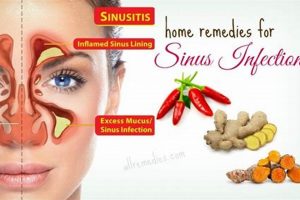
The utilization of plant-derived substances to alleviate inflammation and congestion within the paranasal sinuses, a condition marked by discomfort and pressure in the facial region, is a practice that has gained considerable attention. These substances, often administered in the form of teas, extracts, or topical applications, aim to reduce swelling, clear nasal passages, and mitigate associated symptoms. For instance, some individuals employ preparations containing eucalyptus or peppermint, believing these ingredients possess decongestant and anti-inflammatory properties.
The appeal of such approaches lies in their perceived natural origin and potential for fewer adverse effects compared to synthetic pharmaceuticals. Historically, various cultures have employed botanical agents to address respiratory ailments, passing down traditional knowledge through generations. The purported advantages extend beyond symptom relief, encompassing a holistic wellness perspective that values the body’s inherent capacity for healing and self-regulation. However, it is crucial to acknowledge the need for rigorous scientific evaluation to validate efficacy and safety.
The following discussion will explore specific botanical agents commonly considered for sinus-related issues, examining their purported mechanisms of action, potential benefits, and any associated risks or contraindications. Furthermore, the information provided emphasizes the importance of consulting with healthcare professionals before initiating any new treatment regimen, ensuring appropriate diagnosis and management of sinus conditions.
The following guidance addresses responsible considerations when exploring plant-derived options for sinus-related symptoms. These points are intended to complement, not replace, professional medical advice.
Tip 1: Prioritize Medical Diagnosis. Before considering any botanical approach, obtain a formal diagnosis from a qualified healthcare provider. Sinus symptoms can stem from various underlying causes, requiring specific treatment strategies.
Tip 2: Research Credible Sources. Investigate the scientific evidence supporting the use of any chosen botanical. Rely on reputable sources, such as peer-reviewed journals or evidence-based databases, to assess efficacy and safety.
Tip 3: Understand Potential Interactions. Be aware that plant-derived substances can interact with prescription medications or existing health conditions. Consult with a pharmacist or physician regarding potential adverse effects or contraindications.
Tip 4: Opt for Standardized Extracts. When possible, select standardized extracts to ensure consistent potency and quality. Standardized products contain a specified concentration of active compounds, facilitating predictable dosing.
Tip 5: Monitor for Allergic Reactions. Introduce new botanicals gradually and monitor closely for any signs of allergic reaction, such as skin rash, itching, or difficulty breathing. Discontinue use immediately if such symptoms occur.
Tip 6: Consider Method of Administration. The method of administration (e.g., oral ingestion, nasal irrigation, topical application) can influence absorption and effectiveness. Choose a method appropriate for the specific botanical and the individual’s condition.
Tip 7: Maintain Realistic Expectations. Understand that plant-derived approaches may provide adjunctive support but are not necessarily a substitute for conventional medical treatments. Set realistic expectations regarding the potential for symptom relief.
Adherence to these recommendations promotes a cautious and informed approach when considering botanical options for sinus-related concerns. Prioritizing safety and evidence-based information is crucial for maximizing potential benefits and minimizing risks.
The subsequent sections will delve into specific botanical agents and their evidence-based applications in the context of sinus symptom management, offering further insights into informed decision-making.
1. Efficacy and Safety

The evaluation of efficacy and safety is a critical component in the consideration of plant-derived interventions for sinus inflammation. Rigorous assessment is essential to determine the extent to which these interventions provide symptomatic relief and to identify potential adverse effects.
- Clinical Trial Evidence
The presence of well-designed clinical trials is essential to support claims of efficacy. Such trials should employ placebo controls, standardized outcome measures, and appropriate statistical analyses. The absence of robust clinical trial data renders claims of efficacy tentative and necessitates cautious interpretation.
- Adverse Event Monitoring
Comprehensive monitoring for adverse events is critical. This includes tracking the incidence of both common and rare side effects. Reporting mechanisms should be in place to collect and analyze adverse event data, informing risk assessment and mitigation strategies. Consideration must be given to potential allergic reactions and interactions with conventional medications.
- Standardization and Quality Control
The consistent composition and potency of botanical preparations are fundamental to both efficacy and safety. Standardized extracts, manufactured under rigorous quality control standards, minimize variability and facilitate predictable dosing. Lack of standardization can lead to inconsistent results and increased risk of adverse events.
- Long-Term Effects
Assessment of long-term effects is crucial, particularly for interventions intended for chronic conditions. Data regarding potential cumulative toxicity, impact on other organ systems, and emergence of resistance or tolerance should be considered. Longitudinal studies provide valuable insights into the long-term safety profile of botanical agents.
The considerations above underscore the importance of approaching plant-derived interventions for sinus inflammation with a commitment to evidence-based decision-making. Reliance on anecdotal evidence or unsubstantiated claims is insufficient. Prioritizing interventions with established efficacy and well-characterized safety profiles is paramount. Healthcare professionals should be consulted to ensure appropriate assessment, monitoring, and management.
2. Specific Botanical Agents

The intersection of specific botanical agents and approaches to sinusitis represents a complex area of investigation within complementary medicine. The presence of certain compounds within plant materials has been anecdotally linked to the mitigation of symptoms associated with sinusitis, such as nasal congestion, inflammation, and sinus pressure. However, the clinical evidence supporting the efficacy and safety of many such agents remains varied, necessitating cautious interpretation. For example, Eucalyptus globulus, through its constituent compound 1,8-cineole (eucalyptol), is often cited for its mucolytic and anti-inflammatory properties, theorized to facilitate sinus drainage and reduce inflammation. Similarly, Allium sativum (garlic), contains allicin, which exhibits antibacterial and antifungal properties, potentially addressing underlying infections contributing to sinusitis. The importance lies in discerning the genuine therapeutic potential from unsubstantiated claims.
The effectiveness of specific botanical agents often hinges on factors such as the method of preparation (e.g., extract, tea, essential oil), the dosage administered, and the route of administration (e.g., inhalation, oral ingestion, topical application). Certain agents, when used inappropriately or in excessive concentrations, may pose risks, including allergic reactions, drug interactions, or adverse effects on the respiratory system. Consider the case of nasal irrigation with saline solutions containing botanical extracts; while potentially beneficial for some, individuals with pre-existing respiratory conditions may experience bronchospasm or irritation. Furthermore, the regulatory oversight of botanical products varies significantly, leading to inconsistencies in product quality and labeling. This variability presents a challenge to both consumers and healthcare practitioners seeking reliable and standardized treatments.
In conclusion, the role of specific botanical agents in approaches to sinusitis requires a nuanced and evidence-based perspective. While certain plant-derived compounds may offer symptomatic relief or address underlying contributing factors, it is imperative to prioritize rigorous scientific investigation to validate their efficacy and safety. The selection and use of specific botanical agents should be guided by informed decision-making, involving consultation with healthcare professionals and consideration of individual patient characteristics and medical history. Further research is needed to elucidate the mechanisms of action, optimal dosages, and potential risks associated with the utilization of botanical interventions for sinus inflammation.
3. Administration Methods

The method by which herbal remedies are administered significantly influences their bioavailability, efficacy, and potential for adverse effects in the context of sinusitis. The choice of administration route should be carefully considered based on the specific herbal agent, the severity of the condition, and individual patient factors. Improper administration can diminish therapeutic benefits and increase the risk of complications.
- Oral Ingestion
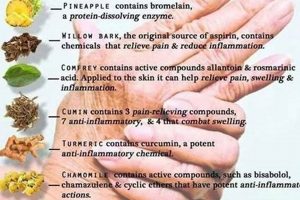
Oral administration, through capsules, tablets, teas, or tinctures, represents a common approach. However, gastrointestinal absorption can vary widely depending on the herbal compound and individual digestive factors. First-pass metabolism in the liver may also reduce the concentration of active constituents reaching systemic circulation, potentially diminishing the therapeutic effect on sinus tissues. Examples include oral ingestion of bromelain or quercetin supplements. The delayed onset of action compared to other routes may limit its utility in acute sinusitis exacerbations.
- Nasal Irrigation
Nasal irrigation, or sinus rinsing, involves flushing the nasal passages with a saline solution, often containing herbal extracts. This method directly delivers the herbal agent to the sinus mucosa, potentially reducing inflammation and promoting drainage. Examples include the use of saline solutions with added eucalyptus or tea tree oil. However, improper technique or excessive concentration of herbal additives can cause irritation or damage to the nasal lining. The sterile preparation of solutions is critical to prevent secondary infections.
- Inhalation
Inhalation, through steam inhalation or the use of vaporizers, allows direct delivery of volatile herbal compounds to the respiratory tract. This method is particularly suitable for essential oils with decongestant and anti-inflammatory properties. Examples include steam inhalation with eucalyptus or peppermint oil. Caution is warranted due to the potential for bronchospasm or irritation, particularly in individuals with asthma or other respiratory conditions. Proper dilution and controlled exposure are essential.
- Topical Application
Topical application can be in the form of cream or ointment. A very careful application is very important so it does not enter the body.
In summary, the selection of an appropriate administration method is a critical determinant of the therapeutic outcome when employing herbal remedies for sinusitis. Each route presents distinct advantages and disadvantages, necessitating individualized consideration based on the specific herbal agent, the patient’s clinical condition, and potential risks. The effectiveness and safety of herbal therapies for sinusitis are inextricably linked to the proper and informed selection of the administration route.
4. Dosage and Potency

The dosage and potency of herbal remedies utilized in the management of sinusitis represent critical determinants of therapeutic efficacy and safety. These parameters dictate the concentration of active constituents delivered and, consequently, the magnitude of the physiological response. A lack of precision in dosage or inconsistent potency can lead to suboptimal outcomes or adverse effects.
- Active Constituent Concentration
The concentration of active constituents within a given herbal preparation directly influences its therapeutic potential. Standardized extracts, which specify the percentage of key compounds (e.g., eucalyptol in eucalyptus oil), allow for more predictable dosing. Conversely, non-standardized preparations may exhibit considerable variability in constituent levels, leading to inconsistent results. For instance, two different brands of chamomile tea may contain vastly different concentrations of apigenin, the purported active compound.
- Bioavailability Considerations
Bioavailability, the fraction of the administered dose that reaches systemic circulation, is influenced by factors such as the route of administration, the formulation of the herbal product, and individual physiological characteristics. Certain constituents may exhibit poor oral bioavailability, necessitating alternative routes (e.g., nasal irrigation for direct sinus delivery). The presence of other compounds in the herbal matrix can also affect bioavailability, either enhancing or inhibiting absorption.
- Dose-Response Relationship
Establishing the dose-response relationship is essential for determining the optimal dosage range. This involves assessing the relationship between the dose administered and the magnitude of the observed effect. Insufficient dosages may fail to elicit a therapeutic response, while excessive dosages may increase the risk of adverse effects. The dose-response relationship may vary depending on the specific herbal agent and the individual patient’s characteristics.
- Adverse Effect Threshold
Determining the threshold at which adverse effects manifest is crucial for ensuring patient safety. Some herbal constituents exhibit a narrow therapeutic window, meaning that the difference between the effective dose and the toxic dose is small. Exceeding the tolerable dose can lead to a range of adverse effects, including gastrointestinal upset, allergic reactions, or interactions with conventional medications. Careful monitoring and adherence to recommended dosages are essential.
The optimization of dosage and potency in herbal remedies for sinusitis necessitates a comprehensive understanding of active constituent concentrations, bioavailability considerations, dose-response relationships, and adverse effect thresholds. Reliance on standardized extracts, careful monitoring of patient responses, and consultation with knowledgeable healthcare professionals are crucial for maximizing therapeutic benefits and minimizing potential risks.
5. Underlying Mechanisms

The efficacy of herbal interventions in alleviating sinusitis symptoms is intrinsically linked to their underlying mechanisms of action. These mechanisms encompass a range of biochemical and physiological processes through which botanical compounds interact with the body to modulate the inflammatory response, promote mucociliary clearance, and address potential underlying infections. A thorough understanding of these mechanisms is crucial for rationalizing the use of specific herbal remedies and optimizing therapeutic outcomes.
- Anti-Inflammatory Modulation
Many herbal remedies exhibit anti-inflammatory properties, targeting key mediators of the inflammatory cascade in sinusitis. Compounds such as flavonoids and terpenoids can inhibit the production of pro-inflammatory cytokines (e.g., TNF-, IL-1) and reduce the activity of enzymes like cyclooxygenase (COX) and lipoxygenase (LOX). For instance, quercetin, a flavonoid found in various plants, has demonstrated the ability to suppress inflammatory signaling pathways in vitro and in vivo. This mechanism helps reduce swelling and congestion in the sinus passages.
- Mucolytic and Expectorant Effects
Increased mucus viscosity and impaired mucociliary clearance are hallmarks of sinusitis. Certain herbal agents possess mucolytic and expectorant properties, facilitating the breakdown and expulsion of mucus from the sinus cavities. Compounds such as saponins and volatile oils can increase mucus hydration, reduce its viscosity, and stimulate ciliary beat frequency. For example, guaifenesin, derived from the guaiac tree, is a commonly used expectorant that promotes mucus clearance. Similarly, eucalyptus oil, containing 1,8-cineole, exhibits mucolytic effects and improves airflow in the nasal passages.
- Antimicrobial Activity
In some cases, bacterial or fungal infections contribute to the pathogenesis of sinusitis. Certain herbal remedies exhibit antimicrobial activity against common sinus pathogens. Compounds such as allicin from garlic and thymol from thyme have demonstrated in vitro activity against bacteria like Streptococcus pneumoniae and Haemophilus influenzae, as well as fungi like Aspergillus. By inhibiting the growth or killing these pathogens, herbal remedies can help resolve underlying infections and reduce sinus inflammation.
- Immunomodulatory Effects
Dysregulation of the immune system can contribute to chronic sinusitis. Some herbal remedies exhibit immunomodulatory properties, helping to restore immune balance and reduce hypersensitivity reactions. Compounds such as echinacea polysaccharides can stimulate the activity of immune cells, such as macrophages and natural killer cells, enhancing the body’s ability to fight infection. Other herbal agents, such as licorice root, can modulate the activity of T helper cells, reducing the production of pro-inflammatory cytokines and promoting immune tolerance.
In conclusion, the observed therapeutic effects of herbal interventions in sinusitis are often attributable to a combination of underlying mechanisms, including anti-inflammatory modulation, mucolytic and expectorant effects, antimicrobial activity, and immunomodulatory properties. A comprehensive understanding of these mechanisms is essential for rationalizing the use of specific herbal remedies and optimizing therapeutic outcomes. Further research is needed to fully elucidate the complex interactions between botanical compounds and the physiological processes involved in sinusitis.
Frequently Asked Questions
The following section addresses common inquiries regarding the use of plant-derived treatments for sinus inflammation. The information provided is intended for educational purposes and does not constitute medical advice. Consultation with a qualified healthcare professional is essential before initiating any new treatment regimen.
Question 1: Are herbal remedies a substitute for conventional medical treatment for sinusitis?
Herbal remedies are generally considered complementary or adjunctive therapies and should not be regarded as a substitute for conventional medical treatment. Consultation with a physician or other qualified healthcare provider is essential for appropriate diagnosis and management of sinusitis.
Question 2: What are the potential risks associated with using herbal remedies for sinusitis?
Potential risks include allergic reactions, interactions with prescription medications, and the possibility of adverse effects on the respiratory system. The absence of rigorous quality control in some herbal products can also lead to inconsistencies in potency and purity, increasing the risk of adverse events. Caution is advised, particularly for individuals with pre-existing medical conditions or those taking other medications.
Question 3: How can one ensure the safety and efficacy of herbal remedies for sinusitis?
To ensure safety and efficacy, it is recommended to select standardized extracts from reputable manufacturers. Standardized extracts contain a specified concentration of active compounds, facilitating predictable dosing. Consultation with a healthcare professional or qualified herbalist can provide guidance on appropriate product selection and dosage. It is also important to monitor for any adverse reactions and discontinue use if they occur.
Question 4: What specific herbal agents are commonly considered for sinusitis?
Several botanical agents are frequently cited for their potential benefits in sinusitis, including Eucalyptus globulus (eucalyptus), Allium sativum (garlic), Mentha piperita (peppermint), and Bromelain (an enzyme derived from pineapple). These agents are purported to possess anti-inflammatory, mucolytic, and antimicrobial properties. However, the scientific evidence supporting their efficacy varies, and further research is needed.
Question 5: How are herbal remedies typically administered for sinusitis?
Common methods of administration include oral ingestion (e.g., capsules, teas), nasal irrigation (e.g., saline solutions with herbal extracts), and inhalation (e.g., steam inhalation with essential oils). The choice of administration route can influence absorption, efficacy, and the potential for adverse effects. Proper technique and dosage are essential for safe and effective use.
Question 6: Are herbal remedies appropriate for all types of sinusitis?
The suitability of herbal remedies varies depending on the type and severity of sinusitis. Acute sinusitis caused by bacterial infection typically requires antibiotic treatment. Chronic sinusitis may benefit from adjunctive therapies, including herbal remedies. Consultation with a healthcare professional is essential to determine the underlying cause of sinusitis and to develop an appropriate treatment plan.
In summary, the use of herbal remedies for sinusitis should be approached with caution and informed by evidence-based information. Consultation with a qualified healthcare professional is crucial for ensuring appropriate diagnosis, treatment, and monitoring.
The following section will explore the regulatory landscape surrounding herbal products and the challenges associated with quality control and standardization.
Conclusion
The preceding exploration of plant-derived approaches for sinus inflammation reveals a landscape marked by both potential and complexity. While certain botanical agents demonstrate promise in alleviating symptoms and addressing underlying mechanisms contributing to sinusitis, the need for rigorous scientific evaluation remains paramount. Standardization of extracts, comprehensive safety assessments, and a thorough understanding of dosage and administration methods are essential to ensure responsible utilization.
The pursuit of effective and safe therapies for sinus conditions necessitates a balanced perspective, integrating conventional medical practices with evidence-based complementary approaches. Continued research, coupled with informed clinical judgment, will be crucial in determining the true therapeutic value of plant-derived interventions and optimizing patient outcomes within the context of sinusitis management. Furthermore, stringent regulatory oversight is needed to ensure the quality and consistency of herbal products available to consumers and healthcare practitioners.