Utilizing botanicals to alleviate peptic or gastric sores represents a historical and contemporary approach to managing gastrointestinal discomfort. These natural treatments encompass a range of plant-derived substances ingested orally with the intention of soothing inflammation, protecting the stomach lining, or eradicating infectious agents implicated in ulcer development. Specific examples include the use of chamomile tea to reduce inflammation, licorice root extract to coat the stomach, or mastic gum to target bacterial infections.
The importance of exploring plant-based options stems from several factors. These include potential cost-effectiveness, accessibility in certain regions, and a perception among some individuals that natural treatments are gentler or carry fewer side effects than conventional pharmaceuticals. Historically, many cultures have relied on traditional botanical knowledge to address a variety of ailments, and the application of this knowledge to stomach ailments is well-documented. The potential benefits extend beyond symptom management to potentially addressing underlying causes and promoting overall gastrointestinal health.
The subsequent sections will delve into specific botanicals known for their potential in supporting ulcer management, discuss their mechanisms of action, review existing scientific evidence regarding their efficacy, and outline important considerations related to their use, including potential interactions and contraindications. The information presented is intended for informational purposes and does not constitute medical advice.
Considerations for Botanical Approaches to Peptic Ulcer Management
The following points offer guidance regarding the integration of plant-based therapies into a comprehensive strategy for managing peptic ulcers. Consultation with a qualified healthcare professional is paramount before initiating any new treatment regimen.
Tip 1: Identify the Etiology: Determine the underlying cause of the ulcer. Helicobacter pylori infection, NSAID use, and stress are common contributors. Botanical interventions may be more effective when tailored to the specific cause.
Tip 2: Research Specific Botanicals: Investigate the properties of herbs such as licorice root, chamomile, and aloe vera. Understand their proposed mechanisms of action and potential side effects.
Tip 3: Prioritize Reputable Sources: Acquire botanical supplements from trusted manufacturers to ensure product quality and purity. Third-party testing certifications can provide assurance.
Tip 4: Start with Low Dosages: Initiate botanical treatments at low dosages and gradually increase as tolerated. This approach minimizes the risk of adverse reactions.
Tip 5: Monitor for Drug Interactions: Be aware of potential interactions between botanical supplements and prescription medications, particularly blood thinners, anti-inflammatory drugs, and proton pump inhibitors.
Tip 6: Adopt a Holistic Approach: Complement botanical therapies with lifestyle modifications, including a bland diet, stress reduction techniques, and cessation of smoking and alcohol consumption.
Tip 7: Maintain Regular Medical Supervision: Continue to work closely with a healthcare provider to monitor the ulcer’s progress and adjust the treatment plan as needed. Endoscopic follow-up may be necessary.
Integrating botanical remedies into ulcer management necessitates careful consideration of potential benefits, risks, and interactions. Patient education and professional oversight are crucial for optimal outcomes.
The concluding section will summarize the information presented and reiterate the importance of informed decision-making in the pursuit of ulcer relief.
1. Anti-inflammatory properties

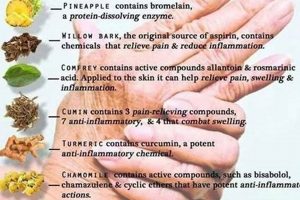
Inflammation is a critical component of peptic ulcer pathogenesis. The erosion of the stomach or duodenal lining triggers an inflammatory response, exacerbating tissue damage and delaying healing. Consequently, substances capable of mitigating inflammation represent a valuable asset in managing this condition. Certain botanicals exhibit notable anti-inflammatory properties, achieved through various mechanisms, including the inhibition of pro-inflammatory cytokines and the modulation of inflammatory signaling pathways. When incorporated into botanical remedies, these properties contribute to reducing pain, swelling, and further ulceration, fostering a more conducive environment for tissue repair. For instance, compounds found in chamomile, such as bisabolol, have demonstrated an ability to suppress inflammatory mediators, thereby alleviating gastric distress.
The incorporation of anti-inflammatory botanicals is not merely palliative; it addresses a fundamental aspect of the ulcer’s development and progression. By reducing inflammation, these remedies can contribute to preventing the ulcer from worsening and promote the natural healing processes of the gastrointestinal tract. Turmeric, containing the active compound curcumin, is another example of a botanical with potent anti-inflammatory effects. Studies suggest that curcumin can inhibit the activity of inflammatory enzymes and cytokines, potentially protecting the stomach lining from further damage. The practical significance of this lies in the potential to reduce reliance on conventional anti-inflammatory drugs, which can sometimes have adverse effects on the gastrointestinal system itself.
In summary, the anti-inflammatory properties of specific botanicals play a crucial role in the therapeutic potential of plant-based approaches to ulcer management. By directly addressing the inflammatory component of ulcer development, these remedies offer a pathway to alleviate symptoms, promote healing, and potentially prevent recurrence. While botanical approaches should be implemented with careful consideration and professional guidance, the understanding of their anti-inflammatory actions provides a valuable framework for exploring their role in comprehensive ulcer care.
2. Mucosal protection

The integrity of the gastric mucosal lining is paramount in preventing and healing peptic ulcers. This protective barrier shields the underlying tissues from the corrosive effects of gastric acid and pepsin. Certain botanical compounds demonstrate the ability to enhance or reinforce this mucosal defense, thereby contributing to ulcer management.
- Formation of Protective Layers
Some botanical extracts stimulate the production of mucus, creating a physical barrier that shields the ulcerated area from gastric secretions. This layer physically impedes the damaging effects of acid and enzymes. Aloe vera, for instance, contains polysaccharides that have been shown to increase mucus production, thus promoting a protective barrier.
- Enhancement of Mucosal Blood Flow
Adequate blood flow to the gastric mucosa is essential for maintaining its health and facilitating repair. Some herbs can improve circulation in the stomach lining, delivering nutrients and oxygen necessary for tissue regeneration. This enhanced blood supply also aids in the removal of waste products and inflammatory mediators, supporting the healing process.
- Stimulation of Prostaglandin Synthesis
Prostaglandins play a crucial role in maintaining mucosal integrity by promoting mucus secretion, bicarbonate production, and blood flow. Certain botanical compounds can stimulate the synthesis of these protective prostaglandins. Licorice root, for example, contains glycyrrhizin, which may enhance prostaglandin production, thereby strengthening the mucosal defense.
- Antioxidant Activity
Oxidative stress can damage the gastric mucosa, weakening its protective barrier and hindering healing. Botanical antioxidants can neutralize free radicals, reducing oxidative damage and supporting mucosal integrity. Compounds like flavonoids, present in various herbs, exhibit potent antioxidant activity, contributing to the protection of the gastric lining.
The multifaceted nature of mucosal protection underscores its significance in ulcer management. By enhancing the natural defenses of the gastric lining through various mechanisms, plant-based remedies can contribute to healing and prevent recurrence. Integrating these protective properties into a comprehensive treatment plan may offer a valuable strategy for addressing peptic ulcers.
3. Bacterial eradication

Eradication of specific bacterial pathogens, particularly Helicobacter pylori ( H. pylori), constitutes a critical component of ulcer treatment strategies. H. pylori infection is a well-established etiological factor in the development of peptic ulcers. Consequently, botanical agents exhibiting antibacterial activity against this microorganism are of significant interest.
- Direct Antibacterial Action
Certain botanical compounds possess direct antibacterial properties against H. pylori. These substances can disrupt bacterial cell walls, inhibit bacterial enzyme systems, or interfere with bacterial DNA replication, leading to bacterial death or growth inhibition. Mastic gum, derived from the Pistacia lentiscus tree, has demonstrated in vitro and in vivo antibacterial activity against H. pylori.
- Synergistic Effects with Conventional Antibiotics
Botanical agents may exhibit synergistic effects when used in conjunction with conventional antibiotic therapies. This synergistic action can enhance the efficacy of antibiotics, potentially reducing the required dosage and minimizing the risk of antibiotic resistance. For example, specific plant extracts may enhance the permeability of bacterial cell walls, facilitating the entry of antibiotics.
- Anti-Adhesion Properties
H. pylori colonizes the gastric mucosa by adhering to epithelial cells. Certain botanicals can interfere with this adhesion process, preventing the bacteria from attaching to the stomach lining and reducing their ability to cause damage. Cranberry extract, for instance, contains compounds that can inhibit bacterial adhesion.
- Modulation of the Gastric Environment
Some botanical agents can modify the gastric environment, making it less conducive to H. pylori colonization and survival. This modulation can involve increasing gastric pH, reducing inflammation, or altering the composition of the gastric microbiota. Substances with anti-inflammatory properties can indirectly inhibit H. pylori by reducing the inflammatory environment that supports its growth.
The integration of bacterial eradication strategies into botanical approaches for ulcer management offers a potential pathway for addressing the underlying cause of infection-related ulcers. While botanical agents alone may not always be sufficient for complete eradication, their use as adjuncts to conventional therapies or as preventative measures may contribute to improved outcomes. Rigorous clinical trials are necessary to further evaluate the efficacy and safety of specific botanical regimens in H. pylori eradication.
4. Dosage considerations

Dosage constitutes a critical determinant in the efficacy and safety of botanical agents employed in the management of peptic ulcers. The pharmacological activity of plant-derived compounds is dose-dependent, necessitating careful attention to administration protocols. An insufficient dosage may fail to elicit the desired therapeutic effect, while an excessive dosage can lead to adverse reactions or toxicity. The complex chemical composition of many botanicals further complicates dosage determinations, requiring a nuanced understanding of active constituents and their potential interactions. For example, licorice root, often used for its mucosal protective properties, contains glycyrrhizin, which, in high doses, can cause sodium retention and potassium depletion, leading to hypertension. Therefore, standardized extracts with controlled glycyrrhizin levels (DGL licorice) are often preferred to mitigate this risk.
The optimal dosage of a given botanical remedy for ulcers is influenced by various factors, including the patient’s age, weight, overall health status, and the severity of the ulcer. Pre-existing medical conditions and concurrent medications can also impact dosage requirements and potential interactions. Furthermore, the method of preparation and administration (e.g., capsules, teas, tinctures) can affect the bioavailability and absorption of active compounds. In the case of mastic gum, commonly used for its anti- H. pylori activity, the effective dosage range varies, and clinical trials have employed different protocols, highlighting the need for standardized dosage recommendations based on robust scientific evidence. Self-medication with botanical remedies without appropriate guidance can lead to suboptimal outcomes or adverse events. The use of concentrated herbal extracts, in particular, demands caution and professional supervision.
In conclusion, dosage considerations are integral to the safe and effective utilization of plant-based treatments for peptic ulcers. Determining the appropriate dosage requires careful assessment of individual patient characteristics, the specific botanical agent, and potential interactions. Consulting with a qualified healthcare professional experienced in botanical medicine is crucial to ensure that dosage regimens are tailored to individual needs and to minimize the risk of adverse effects. Rigorous clinical research is needed to establish standardized dosage guidelines for specific botanical remedies and to elucidate the impact of dosage variations on therapeutic outcomes.
5. Potential interactions

The intersection of botanical treatments and peptic ulcers carries a significant risk of interactions with conventional pharmaceutical agents. Individuals managing ulcers frequently utilize medications such as proton pump inhibitors (PPIs), H2-receptor antagonists, and antibiotics. The co-administration of plant-derived remedies with these drugs may result in altered drug metabolism, absorption, or excretion, potentially diminishing the efficacy of conventional treatments or exacerbating side effects. For example, St. John’s Wort, sometimes considered for its mood-elevating properties, is a known inducer of cytochrome P450 enzymes, which are responsible for metabolizing numerous drugs. This induction can lead to decreased plasma concentrations of PPIs, thereby reducing their effectiveness in suppressing gastric acid secretion and promoting ulcer healing.
Furthermore, certain botanicals possess inherent properties that may directly interact with ulcer medications. Licorice root, valued for its mucosal protective effects, contains glycyrrhizin, which can cause sodium and water retention and potassium depletion, potentially counteracting the effects of diuretics or exacerbating hypertension in individuals taking antihypertensive medications. Similarly, herbs with antiplatelet or anticoagulant properties, such as ginger, garlic, and ginkgo, may increase the risk of bleeding in individuals taking anticoagulants like warfarin or antiplatelet agents like aspirin, thereby posing a hazard for individuals with bleeding ulcers. Awareness of these potential interactions is crucial for healthcare providers to ensure patient safety and optimize treatment outcomes.
The complexity of botanical remedies, with their multiple active constituents, further compounds the challenge of predicting and managing interactions. Thorough patient history-taking, including inquiries about herbal supplement use, is essential. Healthcare professionals should consult reputable resources on drug-herb interactions and exercise caution when recommending or approving the concurrent use of botanical treatments with conventional ulcer medications. In certain cases, monitoring drug levels or adjusting dosages may be necessary to mitigate the risk of adverse events. Ultimately, informed decision-making, based on a comprehensive understanding of potential interactions, is paramount in ensuring the safe and effective integration of botanical therapies into ulcer management.
Frequently Asked Questions
The following questions and answers address common inquiries and concerns regarding the use of botanical remedies for peptic ulcers. The information provided is intended for educational purposes and does not constitute medical advice. Consultation with a qualified healthcare professional is essential before initiating any new treatment regimen.
Question 1: Are botanical remedies a substitute for conventional ulcer treatment?
Botanical remedies should not be considered a replacement for conventional medical care in the treatment of peptic ulcers. While some botanicals may offer supportive benefits, such as reducing inflammation or protecting the stomach lining, they are not typically sufficient to eradicate Helicobacter pylori infection or heal severe ulcers. Integration of botanical therapies should be done in conjunction with, and under the supervision of, a healthcare provider.
Question 2: What botanical agents have demonstrated the most promise in ulcer management?
Several botanical agents have shown potential in ulcer management. These include licorice root (specifically DGL extract), mastic gum, chamomile, aloe vera, and turmeric. Each of these botanicals possesses unique properties that may be beneficial in addressing different aspects of ulcer development and healing. Further research is warranted to fully elucidate their efficacy and safety.
Question 3: Are there specific botanical remedies that should be avoided in individuals with peptic ulcers?
Certain botanical agents may be contraindicated in individuals with peptic ulcers. Herbs with antiplatelet or anticoagulant properties, such as ginger, garlic, and ginkgo, should be used with caution due to the risk of bleeding. Additionally, individuals with hypertension or kidney problems should avoid licorice root containing glycyrrhizin, as it can exacerbate these conditions.
Question 4: How can the quality of botanical products be ensured?
The quality of botanical products can vary considerably. To ensure quality, it is advisable to purchase supplements from reputable manufacturers that adhere to good manufacturing practices (GMP). Look for products that have been third-party tested for purity, potency, and absence of contaminants. Standardized extracts, which contain a consistent amount of active compounds, are generally preferred.
Question 5: What are the potential risks associated with using botanical remedies for ulcers?
The potential risks associated with botanical remedies for ulcers include allergic reactions, drug interactions, and adverse effects from improper dosing or product contamination. Some botanicals may interact with conventional medications, altering their efficacy or increasing the risk of side effects. It is crucial to inform healthcare providers about all herbal supplements being used to minimize these risks.
Question 6: Can botanical remedies prevent the recurrence of peptic ulcers?
While some botanical remedies may help to manage symptoms and promote healing, their ability to prevent ulcer recurrence is not definitively established. Lifestyle modifications, such as avoiding smoking, limiting alcohol consumption, and managing stress, are essential for preventing recurrence. In cases of H. pylori infection, complete eradication of the bacteria is crucial.
The exploration of plant-based options for ulcer relief offers potential benefits when approached with caution, informed decision-making, and professional guidance. Consulting with a healthcare provider remains paramount.
The next section provides resources for further learning and support.
Conclusion
This exposition has surveyed the landscape of botanical approaches to peptic ulcer management. The multifaceted potential of herbal interventions, encompassing anti-inflammatory, mucosal protective, and antibacterial properties, has been examined. Critical considerations, including dosage, potential interactions, and the imperative for accurate diagnosis, have been underscored. The information presented highlights that while certain botanicals may offer supportive benefits in ulcer management, they are not a panacea and should not replace conventional medical treatments when indicated.
The responsible exploration of plant-based therapies for peptic ulcers necessitates rigorous scientific investigation, standardized product quality, and informed clinical decision-making. The future of this field lies in elucidating the precise mechanisms of action of specific botanicals, conducting well-designed clinical trials, and integrating this knowledge into comprehensive, patient-centered care plans. Individuals grappling with ulcers are strongly advised to consult with qualified healthcare professionals to determine the most appropriate and safe course of treatment. The information contained herein is intended for informational purposes only and does not substitute for professional medical advice.