Botanical treatments utilized to alleviate skin irritations characterized by redness, swelling, and the potential for itching are the focus of this article. These preparations often involve the application of plant-derived substances directly to the affected area or the oral consumption of herbal extracts. For instance, chamomile compresses may be applied to reduce inflammation associated with eczema.
The significance of these natural approaches resides in their potential to offer alternatives to conventional pharmaceutical interventions, particularly for individuals seeking gentler or complementary therapies. Historically, diverse cultures have relied on the inherent properties of plants to manage dermatological conditions, accumulating a wealth of knowledge concerning their efficacy and safety. This traditional understanding continues to inform contemporary practices.
The subsequent sections will examine specific botanical agents commonly employed to soothe irritated skin, detailing their purported mechanisms of action, methods of preparation, and any available scientific evidence supporting their use. Further discussion will address safety considerations and potential interactions, offering a balanced perspective on the application of these treatments.
Guidance on Botanical Treatments for Cutaneous Irritations
The following recommendations offer practical advice concerning the judicious application of plant-based treatments to mitigate dermal inflammation and associated discomfort.
Tip 1: Identify the Irritant: Before initiating any treatment, determine the underlying cause of the rash. Allergic reactions, infections, or environmental factors necessitate different approaches. Consultation with a dermatologist may be required for accurate diagnosis.
Tip 2: Conduct a Patch Test: To mitigate the risk of adverse reactions, apply a small quantity of the herbal preparation to an unaffected area of skin and observe for 24-48 hours. The absence of irritation indicates relative safety for broader application.
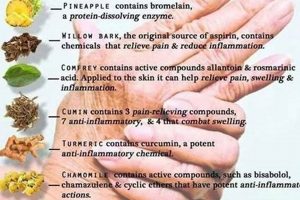
Tip 3: Prioritize Anti-inflammatory Herbs: Certain botanicals, such as chamomile and calendula, possess inherent anti-inflammatory properties. Formulations containing these ingredients can help reduce redness, swelling, and itching. Ensure the source is reputable and the preparation is free of contaminants.
Tip 4: Employ Cooling Compresses: The application of cool compresses infused with diluted herbal extracts can provide immediate relief from itching and burning sensations. Chamomile or green tea infusions are suitable options.
Tip 5: Maintain Skin Hydration: Emollients containing herbal oils, such as shea butter infused with calendula, can help restore the skin’s natural barrier function and prevent further irritation. Apply liberally after bathing or cleansing the affected area.
Tip 6: Prepare Infusions Carefully: When preparing herbal infusions, adhere strictly to recommended concentrations and steeping times. Prolonged steeping can result in the release of potentially irritating compounds.
Tip 7: Monitor Progress Closely: Observe the affected area regularly for signs of improvement or deterioration. If symptoms worsen or persist beyond a reasonable timeframe, discontinue use and seek professional medical advice.
Adherence to these guidelines can enhance the safety and effectiveness of botanical interventions, promoting cutaneous healing and minimizing the potential for adverse outcomes.
The ensuing discourse will synthesize the aforementioned insights and furnish concluding remarks regarding the appropriate integration of natural treatments into a comprehensive skin care regimen.
1. Anti-inflammatory Properties and Botanical Treatments for Cutaneous Eruptions

The therapeutic relevance of botanical agents in the management of skin irritations is often directly attributable to their inherent anti-inflammatory properties. Cutaneous eruptions, regardless of etiology, frequently manifest as inflammatory responses characterized by redness, edema, pruritus, and pain. The capacity of herbal compounds to modulate these inflammatory cascades is thus a key determinant of their effectiveness. For instance, the sesquiterpene lactones present in chamomile ( Matricaria chamomilla ) are known to inhibit the release of pro-inflammatory mediators, thereby reducing the clinical signs of dermatitis. This mechanism of action underscores the importance of selecting botanicals with established anti-inflammatory activity in formulations designed to alleviate skin eruptions.
Furthermore, the anti-inflammatory potential of botanical remedies can extend beyond the suppression of acute inflammatory responses. Chronic inflammatory conditions, such as eczema and psoriasis, often necessitate long-term management strategies. Certain herbal extracts, including those derived from licorice root ( Glycyrrhiza glabra) and calendula ( Calendula officinalis), have demonstrated the ability to modulate the expression of genes involved in chronic inflammation, offering a more sustained therapeutic effect. Topical application of licorice extract, for example, has been shown to reduce the severity of psoriatic plaques in some individuals, highlighting the practical significance of understanding the nuanced effects of these botanicals on inflammatory pathways.
In summary, the anti-inflammatory properties of botanical agents represent a cornerstone of their efficacy in treating cutaneous eruptions. The selection of appropriate herbal remedies requires a thorough understanding of their specific mechanisms of action, as well as the underlying inflammatory processes contributing to the dermatological condition. While promising, the use of herbal remedies for inflammatory skin conditions warrants careful consideration and consultation with qualified healthcare professionals, as individual responses can vary and potential interactions with other medications must be evaluated. Further research is needed to fully elucidate the therapeutic potential of these natural compounds and establish evidence-based guidelines for their use.
2. Specific plant identification
Accurate species determination is paramount when employing botanical treatments for cutaneous eruptions. Misidentification can lead to ineffective or even harmful outcomes, underscoring the critical need for expertise in plant taxonomy and morphology.
- Toxicity and Adverse Reactions
Many plant families contain species with markedly different chemical compositions. While some are benign or possess therapeutic properties, others may contain potent toxins. For example, distinguishing between common plantain ( Plantago major), which is often used to soothe minor skin irritations, and toxic look-alikes is essential to avoid adverse reactions. Incorrect identification leading to the application of a poisonous plant could exacerbate the rash and necessitate medical intervention.
- Variations in Chemical Composition
Even within the same genus, variations in chemical composition can significantly impact a plant’s therapeutic efficacy. Different chemotypes, or chemically distinct varieties of the same species, may exhibit different concentrations of active compounds. Selecting the appropriate chemotype based on its specific biochemical profile is crucial for achieving the desired therapeutic effect. For instance, lavender ( Lavandula angustifolia) exists in various chemotypes, each with a unique ratio of linalool and linalyl acetate, impacting its anti-inflammatory and analgesic properties.
- Ensuring Purity and Authenticity
Commercial herbal preparations are susceptible to adulteration, substitution, and mislabeling. Without proper plant identification, consumers are at risk of purchasing products that lack the advertised active ingredients or contain contaminants. Microscopic analysis, DNA barcoding, and chromatographic techniques can be employed to verify the botanical identity and purity of herbal ingredients, ensuring the safety and efficacy of the final product. Reputable suppliers should provide certificates of analysis documenting these quality control measures.
- Legal and Regulatory Considerations
The cultivation, harvesting, and sale of certain plant species are subject to legal restrictions and regulations. Accurate identification is crucial for compliance with these regulations. Some species may be protected due to conservation concerns, while others may be restricted due to their toxicity or potential for abuse. Failing to comply with these regulations can result in legal penalties. Knowing the legal status of a plant is essential for ethical and responsible sourcing.
The intricate relationship between correct plant identification and the safe and effective use of botanical treatments for skin ailments cannot be overstated. Integrating expertise in plant science, quality control measures, and adherence to legal and regulatory frameworks is paramount to ensuring the responsible application of these natural therapies.
3. Preparation Techniques

The efficacy of plant-based interventions for cutaneous eruptions is contingent upon meticulous preparation methodologies. Improper techniques can diminish the therapeutic potential of herbal remedies or, conversely, amplify the risk of adverse reactions. This overview elucidates key facets of preparation techniques relevant to botanical treatments for skin irritations.
- Extraction Methods
The selection of an appropriate extraction method directly impacts the phytochemical profile of the final product. Aqueous extracts, such as infusions and decoctions, are suitable for water-soluble compounds, while tinctures employing alcohol or glycerine are more effective for extracting lipophilic constituents. The choice depends on the target compounds and their purported therapeutic actions. Inadequate extraction can result in a remedy lacking the necessary active ingredients for effective relief from rashes.
- Concentration and Dilution
Achieving the correct concentration is critical for both safety and efficacy. Highly concentrated preparations can cause skin irritation, while overly dilute solutions may provide insufficient therapeutic benefit. The concentration should be carefully calibrated based on the potency of the herb and the sensitivity of the individual’s skin. Standardized herbal extracts offer a more consistent concentration of active compounds compared to crude plant materials, providing a more predictable therapeutic response.
- Sterilization and Preservation
Proper sterilization and preservation techniques are essential to prevent microbial contamination and extend the shelf life of herbal preparations. Contaminated remedies can introduce pathogens to the skin, exacerbating the rash or leading to secondary infections. Sterilization methods, such as autoclaving or filtration, should be employed to eliminate microorganisms. Preservatives, such as alcohol or natural antimicrobial agents, can inhibit microbial growth during storage. Lack of these precautions can render an otherwise effective remedy harmful.
- Formulation and Excipients
The formulation of the herbal remedy, including the selection of appropriate excipients (inactive ingredients), can influence its absorption, distribution, and efficacy. Ointments, creams, lotions, and compresses each offer distinct advantages depending on the location and severity of the rash. Excipients, such as emollients and humectants, can help to hydrate and protect the skin, enhancing the therapeutic effect of the herbal ingredients. Poor formulation can compromise the delivery of active compounds to the affected area, reducing their therapeutic impact.
The effectiveness of using botanical treatments for skin eruptions hinges on mastering preparation techniques. Considering extraction methodologies, achieving correct concentrations, ensuring product sterility, and using appropiate ingredients are critical. These facets are closely linked to final result, improving their therapeutic effects.
4. Application Methods

The mode of administration significantly influences the therapeutic outcome of botanical interventions for cutaneous eruptions. The application method directly affects the absorption of active compounds, the duration of contact with the affected area, and the overall efficacy of the herbal treatment. Therefore, selecting an appropriate application method is crucial for maximizing the benefits and minimizing potential adverse effects. For instance, an occlusive dressing containing an herbal ointment can enhance the penetration of active ingredients into the skin, promoting faster healing for localized dermatitis. Conversely, a simple compress soaked in an herbal infusion may be more suitable for widespread, less severe rashes.
Several factors must be considered when determining the optimal application method. The type of rash, its location, and the patient’s skin sensitivity are all relevant. Acute, inflamed rashes may benefit from cooling compresses or soothing lotions that minimize friction and further irritation. Chronic, dry rashes may require more emollient ointments or creams to restore skin hydration and barrier function. The concentration of the herbal preparation also influences the choice of application. More potent remedies may be diluted or applied sparingly to prevent adverse reactions. For example, essential oils, which are highly concentrated, should always be diluted in a carrier oil before topical application. A tea tree oil dilution, applied with a cotton swab on a small acne outbreak, is an example. This provides concentrated effect.
In summary, the application method is not merely a delivery system but an integral component of botanical therapy for cutaneous eruptions. A thorough understanding of the rash’s characteristics, the properties of the herbal remedy, and the patient’s individual needs is essential for selecting the most effective and safest application method. Future research should focus on optimizing application techniques to enhance the bioavailability of herbal compounds and improve treatment outcomes. Furthermore, clear guidelines and educational resources are needed to empower patients to apply herbal remedies correctly and safely at home, and to address all possible challenges and potential dangers.
5. Potential Side Effects

Botanical treatments, while often perceived as benign, are not without potential adverse effects. Cutaneous eruptions can arise as a direct consequence of using topical herbal preparations. Allergic contact dermatitis, a common adverse reaction, occurs when an individual’s immune system recognizes a component of the herbal remedy as a foreign antigen. This can manifest as redness, itching, swelling, and blistering at the application site. For example, Arnica montana, frequently employed for its anti-inflammatory properties, is a known sensitizer, and its topical application can trigger allergic reactions in susceptible individuals. The severity of these reactions can vary, ranging from mild irritation to severe dermatitis requiring medical intervention. Therefore, awareness of potential allergens within herbal formulations is crucial for preventing adverse outcomes.
Beyond allergic reactions, irritant contact dermatitis can also occur due to the inherent properties of certain botanical compounds. Some herbal constituents possess irritating or photosensitizing properties, leading to cutaneous reactions upon exposure to sunlight. For instance, psoralens found in certain plants, such as wild parsnip, can cause phytophotodermatitis, characterized by blistering and hyperpigmentation following sun exposure. Similarly, potent herbal extracts, even when diluted, can disrupt the skin’s natural barrier function, leading to dryness, irritation, and increased susceptibility to infection. The careful selection of appropriate concentrations and application methods is essential for minimizing the risk of irritant contact dermatitis. Furthermore, potential interactions between herbal remedies and conventional medications should be considered. Certain herbal constituents can alter the metabolism or absorption of pharmaceuticals, leading to altered drug efficacy or increased risk of side effects. For example, St. John’s Wort, an oral herb, can interact with warfarin, altering it’s potency and requiring extra precaution. Concomitant use of botanical treatments and prescription drugs necessitates careful monitoring and consultation with a healthcare professional.
In conclusion, the use of botanical remedies for skin ailments presents a spectrum of potential adverse effects, ranging from allergic reactions and irritant dermatitis to drug interactions. A thorough understanding of these risks, combined with careful patient evaluation and appropriate product selection, is paramount for ensuring the safe and effective use of herbal therapies. Future research should focus on identifying potential allergens and irritants in herbal formulations, as well as elucidating the mechanisms underlying herb-drug interactions. This knowledge is crucial for developing evidence-based guidelines for the safe and responsible use of botanical treatments in dermatological care.
6. Evidence-based Efficacy

The application of herbal remedies for rashes necessitates a rigorous evaluation of evidence-based efficacy. While traditional use and anecdotal reports may suggest potential benefits, these are insufficient to establish therapeutic value definitively. A cause-and-effect relationship between an herbal intervention and the alleviation of rash symptoms must be demonstrated through well-designed clinical trials. The importance of evidence-based efficacy as a component of herbal remedies for rashes cannot be overstated; it ensures patient safety and promotes the responsible use of natural therapies. An example illustrates this point: While chamomile has long been used to soothe irritated skin, studies must confirm the consistency and repeatability of such effects, dosage, and possible side effects. Without evidence-based validation, the use of herbal remedies for rashes becomes speculative and potentially harmful.
Further analysis reveals that the practical application of evidence-based findings involves several steps. First, researchers must identify the active compounds within the herbal remedy and elucidate their mechanisms of action. Second, clinical trials must be conducted to assess the efficacy and safety of the remedy in treating specific types of rashes. These trials should adhere to established scientific standards, including randomization, blinding, and appropriate control groups. Third, the results of these trials must be critically evaluated and synthesized to determine the overall strength of the evidence. For example, studies of calendula officinalis have shown positive results in wound healing. Finally, evidence-based guidelines for the use of herbal remedies for rashes must be developed and disseminated to healthcare professionals and the public.
In conclusion, evidence-based efficacy is paramount to the safe and effective integration of herbal remedies into dermatological practice. Challenges remain in standardizing herbal preparations, conducting rigorous clinical trials, and translating research findings into practical guidelines. However, by prioritizing evidence-based approaches, the potential benefits of herbal remedies for rashes can be harnessed while minimizing the risks. Linking to the broader theme of responsible healthcare, evidence-based practice ensures that patients receive treatments that are both safe and effective, regardless of whether those treatments are conventional or herbal in origin.
7. Traditional use history

The historical application of plant-based treatments for cutaneous eruptions represents a repository of empirical knowledge accumulated over centuries. Examining this historical context provides insight into the origins of contemporary herbal practices and highlights the enduring role of plants in addressing dermatological ailments.
- Cross-Cultural Documentation
Across diverse cultures, traditional medical systems have cataloged the use of specific plants for treating rashes and skin irritations. Ayurvedic medicine, for instance, documents the use of neem ( Azadirachta indica) for its anti-inflammatory and antimicrobial properties in managing skin conditions. Similarly, Traditional Chinese Medicine (TCM) utilizes herbs such as licorice root ( Glycyrrhiza uralensis) to soothe irritated skin and reduce inflammation. These cross-cultural traditions offer a broad spectrum of botanical approaches to addressing various types of rashes.
- Empirical Observation and Knowledge Transmission
Traditional herbal practices are often rooted in empirical observation, with knowledge passed down through generations. Herbalists and traditional healers observed the effects of various plants on skin conditions and refined their practices based on these observations. This accumulated knowledge, while not always validated by modern scientific methods, provides valuable clues for identifying plants with potential therapeutic properties. The transmission of this knowledge through oral traditions and written texts has preserved a rich legacy of herbal remedies for rashes.
- Resource Availability and Local Flora
The specific plants used in traditional herbal remedies are often dictated by resource availability and the characteristics of local flora. Indigenous communities typically rely on plants that are readily accessible within their geographic region. For example, coastal communities may utilize seaweed extracts for their emollient and anti-inflammatory properties in treating skin irritations, while inland communities may rely on forest-dwelling plants with similar therapeutic effects. The reliance on local resources reflects the adaptive nature of traditional herbal practices.
- Ritual and Spiritual Dimensions
In some cultures, the application of herbal remedies for rashes is intertwined with ritualistic and spiritual practices. The selection and preparation of plants may be guided by specific ceremonies or beliefs, and the healing process may be viewed as a holistic endeavor involving both the physical and spiritual dimensions of the individual. While these ritualistic aspects may not be amenable to scientific scrutiny, they underscore the cultural significance of herbal medicine and its role in promoting overall well-being.
The study of traditional use history provides a valuable framework for understanding the historical context and cultural significance of botanical treatments for cutaneous eruptions. This historical perspective can inform contemporary research efforts aimed at validating the efficacy and safety of herbal remedies, as well as promote the responsible preservation and sustainable utilization of plant resources. Understanding this context can lead to more ethical, and safer application of natural ingredients.
Frequently Asked Questions
The subsequent questions and answers address common inquiries regarding the use of botanical treatments to alleviate cutaneous eruptions. The information provided is intended for general knowledge and does not constitute medical advice. Consultation with a qualified healthcare professional is recommended before initiating any new treatment regimen.
Question 1: What constitutes an herbal remedy for rashes?
An herbal remedy for rashes involves the use of plant-derived substances, either topically or internally, to alleviate symptoms associated with skin irritations. These remedies typically contain compounds with anti-inflammatory, antimicrobial, or emollient properties.
Question 2: Are herbal remedies a safe alternative to conventional treatments for rashes?
The safety of herbal remedies varies depending on the specific plant, preparation method, and individual factors. Some herbal remedies have a long history of safe use, while others may pose risks of allergic reactions, drug interactions, or toxicity. Consultation with a healthcare provider is essential to assess the safety and suitability of herbal treatments.
Question 3: How can allergic reactions to herbal remedies be prevented?
To minimize the risk of allergic reactions, a patch test should be conducted prior to widespread application of an herbal remedy. A small amount of the preparation is applied to an unaffected area of skin and observed for 24-48 hours. The absence of irritation suggests a lower likelihood of allergic reaction.
Question 4: Do herbal remedies interact with conventional medications?
Certain herbal remedies can interact with conventional medications, potentially altering their efficacy or increasing the risk of side effects. Examples include St. John’s Wort, which can interact with antidepressants and blood thinners. It is crucial to inform healthcare providers of all herbal supplements being taken.
Question 5: How is the appropriate herbal remedy selected for a specific type of rash?
Selecting the appropriate remedy requires consideration of the underlying cause of the rash, the severity of symptoms, and the individual’s skin sensitivity. Herbal remedies with anti-inflammatory properties may be suitable for rashes caused by inflammation, while those with antimicrobial properties may be beneficial for infected rashes. Consultation with a qualified herbalist or healthcare provider can aid in selecting the most appropriate remedy.
Question 6: What is the role of evidence-based research in supporting the use of herbal remedies for rashes?
Evidence-based research, including clinical trials and systematic reviews, is essential for evaluating the efficacy and safety of herbal remedies. While traditional use provides valuable insights, scientific evidence is needed to confirm therapeutic benefits and identify potential risks. The availability of high-quality research varies depending on the specific herbal remedy.
These FAQs provide a foundational understanding of key aspects concerning botanical interventions for cutaneous eruptions. A balanced approach, incorporating both traditional knowledge and scientific evidence, is crucial for responsible and effective utilization.
The following segment will synthesize the preceding discussions, culminating in concluding observations pertaining to the integration of plant-derived therapies into a comprehensive skin management plan.
Conclusion
This exploration has addressed the multifaceted dimensions of botanical approaches to cutaneous eruptions, including anti-inflammatory mechanisms, species identification, preparation techniques, application methods, potential adverse effects, evidence-based efficacy, and historical applications. Each dimension contributes to a comprehensive understanding of the benefits and limitations associated with these treatments.
The responsible implementation of herbal remedies for rashes necessitates adherence to established scientific principles, including accurate diagnosis, meticulous preparation, and vigilant monitoring for adverse reactions. Further investigation into the efficacy and safety of specific botanical agents is warranted, and dissemination of evidence-based information is crucial for informing healthcare professionals and the public. Ultimately, the judicious integration of herbal therapies into dermatological practice requires a commitment to patient safety and a critical appraisal of both traditional wisdom and contemporary research.