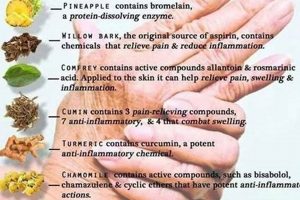
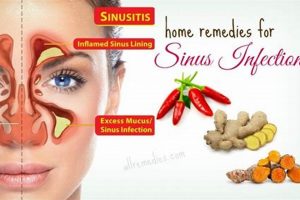
Natural plant-derived substances, utilized for their therapeutic properties, are sometimes considered as potential interventions for managing the symptoms associated with degenerative joint disease. These treatments leverage the bioactive compounds found in various plants to address pain and inflammation, which are primary concerns for individuals affected by this condition. For example, formulations containing turmeric or ginger are often explored due to their purported anti-inflammatory effects.
The use of these plant-based approaches represents an avenue for individuals seeking complementary or alternative strategies to conventional medical treatments. Historically, many cultures have relied on botanical preparations to alleviate musculoskeletal discomfort. Contemporary interest in this area stems from a desire to mitigate potential side effects linked to pharmaceutical interventions and to explore holistic approaches to wellness. The efficacy and safety profiles of these substances, however, require rigorous scientific investigation.
The subsequent sections will explore specific botanical options commonly used in managing joint pain and inflammation, review available scientific evidence supporting their use, and discuss potential interactions and contraindications. Furthermore, considerations for appropriate dosage and methods of administration will be addressed.
Guidance on Botanical Approaches for Degenerative Joint Conditions
This section provides informational guidance regarding the potential incorporation of plant-derived substances into strategies for managing the symptoms associated with degenerative joint conditions. The information presented is intended for educational purposes and should not be interpreted as medical advice. Consultation with a qualified healthcare professional is essential before initiating any new treatment regimen.
Tip 1: Identify Reliable Sources of Information: Prioritize scientific publications and evidence-based resources when researching botanical interventions. Be wary of anecdotal claims and unsubstantiated marketing materials.
Tip 2: Research Specific Compounds and their Actions: Investigate the active constituents within the botanical substance and their proposed mechanisms of action within the body. For example, understand how curcumin, found in turmeric, is theorized to influence inflammatory pathways.
Tip 3: Assess Potential Interactions with Existing Medications: Certain botanical substances can interact with pharmaceuticals, either enhancing or diminishing their effects. Consult with a pharmacist or physician to determine potential drug-herb interactions.
Tip 4: Consider Formulation and Dosage: The bioavailability and efficacy of botanical substances can vary depending on the formulation (e.g., capsules, extracts, topical creams). Adhere to recommended dosages and be aware of potential differences in potency between different products.
Tip 5: Monitor for Adverse Effects: While botanical interventions are often perceived as “natural” and therefore inherently safe, adverse effects can occur. Discontinue use and seek medical attention if any unusual symptoms arise.
Tip 6: Adopt a Holistic Approach: Integrating botanical substances with other lifestyle modifications, such as regular exercise, weight management, and a balanced diet, can potentially enhance overall symptom management.
Tip 7: Set Realistic Expectations: Botanical interventions may provide symptomatic relief but are unlikely to provide a cure for degenerative joint conditions. Understand the limitations and potential benefits before initiating use.
The careful consideration of scientific evidence, potential interactions, and appropriate dosage is paramount when exploring plant-derived substances for managing joint discomfort. A proactive and informed approach, guided by professional medical advice, is crucial for optimizing outcomes and minimizing risks.
The subsequent conclusion will summarize the key findings and underscore the importance of ongoing research in this field.
1. Efficacy and Safety

The assessment of both efficacy and safety is paramount when considering botanical interventions for managing the symptoms of osteoarthritis. The potential for a particular herbal remedy to alleviate pain, reduce inflammation, or improve joint function constitutes its efficacy. However, this potential benefit must be carefully weighed against the risks of adverse effects, drug interactions, or contraindications, which collectively determine its safety profile. A substance exhibiting promising efficacy but lacking a demonstrably acceptable safety profile is not suitable for widespread use. Real-world examples, such as concerns surrounding liver toxicity with certain traditional Chinese medicines, underscore the critical importance of rigorous safety evaluations. Without this foundation, the purported benefits of any botanical approach remain speculative and potentially harmful.
Furthermore, the concept of efficacy extends beyond simple symptomatic relief. A truly effective botanical remedy should ideally address the underlying mechanisms contributing to joint degradation, such as inflammation and cartilage breakdown. This requires in-depth investigation of the active compounds within the herb and their interactions with specific biological pathways. Safety considerations must extend to long-term usage, as chronic conditions like osteoarthritis necessitate sustained management strategies. Therefore, repeated-dose toxicity studies and post-market surveillance are essential for identifying potential risks that may not be apparent in short-term clinical trials. An example illustrating practical significance involves the cautious use of glucosamine and chondroitin, widely used supplements whose efficacy is debated, but whose safety profiles are generally considered favorable.
In conclusion, the interplay between efficacy and safety forms the cornerstone of responsible botanical intervention for osteoarthritis. While some herbal remedies may offer potential benefits, a comprehensive understanding of their mechanisms of action, rigorously established safety profiles, and potential for long-term adverse effects is essential. Challenges remain in standardizing herbal preparations and conducting large-scale clinical trials. Addressing these challenges and emphasizing the importance of ongoing research will further refine the role of herbal approaches in managing osteoarthritis.
2. Specific Herbal Actions

The therapeutic potential of botanical treatments for osteoarthritis rests significantly on the specific actions of their constituent compounds. These actions, often multifaceted, influence various physiological processes implicated in the pathophysiology of the condition. For example, certain plant extracts, such as those derived from ginger or turmeric, exhibit anti-inflammatory properties attributable to the inhibition of pro-inflammatory cytokines and enzymes, thereby mitigating pain and swelling in affected joints. The specific actions of these compounds, therefore, directly impact the symptomatic presentation of osteoarthritis. Without understanding these actions, the application of botanical interventions would be largely empirical and potentially ineffective.
The importance of elucidating specific herbal actions extends beyond symptomatic management to potentially addressing underlying disease mechanisms. Some plant compounds, such as those found in Boswellia serrata, are theorized to inhibit cartilage degradation by suppressing matrix metalloproteinases (MMPs), enzymes responsible for breaking down the cartilage matrix. If substantiated through rigorous research, this could translate to a disease-modifying effect, slowing the progression of osteoarthritis. Real-life examples highlight the significance of identifying active constituents: the improved efficacy of standardized ginger extracts over crude ginger preparations underscores the benefit of isolating and concentrating the compounds responsible for the desired therapeutic action. The practical significance lies in the ability to tailor botanical treatments to specific needs and optimize their efficacy.
In conclusion, the specific actions of herbal compounds represent a critical component in understanding and effectively utilizing botanical interventions for osteoarthritis. A comprehensive understanding of these actions enables targeted application, optimization of efficacy, and a more rational approach to managing this complex condition. Challenges remain in fully elucidating the mechanisms of action for many botanical remedies and conducting robust clinical trials. Continued research in this area will enhance the precision and reliability of botanical approaches for osteoarthritis.
3. Formulation Considerations

The effectiveness of plant-derived treatments for degenerative joint conditions is profoundly influenced by how they are formulated. The form in which an herb is presented, its concentration, and the presence of other ingredients can significantly alter its bioavailability, stability, and ultimately, its therapeutic impact. Therefore, careful attention to formulation is paramount when considering the potential benefits of these remedies.
- Extraction Methods and Bioavailability
The method used to extract active compounds from a plant profoundly impacts the final product. Aqueous extracts, tinctures, and supercritical fluid extracts yield different concentrations and profiles of bioactive molecules. For instance, curcumin, a key component of turmeric, has limited bioavailability in its raw form. However, encapsulation in liposomes or co-administration with piperine (found in black pepper) significantly enhances its absorption. These variations influence therapeutic outcomes.
- Standardization and Quality Control
Herbal products often vary in their composition due to factors such as growing conditions, harvesting practices, and processing methods. Standardization ensures that each batch contains a consistent amount of the key active ingredients. Certificates of Analysis (COAs) from reputable third-party laboratories provide assurance of product quality, confirming identity, purity, and potency. Without standardization, predicting therapeutic outcomes becomes unreliable.
- Delivery Systems and Targeted Release
The delivery system can influence where and how a herbal remedy exerts its effects. Topical creams or ointments may provide localized pain relief, while oral formulations deliver systemic exposure. Enteric-coated capsules can protect sensitive compounds from degradation in the stomach, ensuring that they reach the small intestine for absorption. Targeted release formulations can further enhance efficacy by delivering active ingredients directly to the affected joint tissues.
- Synergistic Combinations and Adjuvants
Combining different herbs or adding adjuvants can enhance the overall therapeutic effect. For example, combining anti-inflammatory herbs with analgesics may provide more comprehensive pain relief. Adjuvants, such as absorption enhancers or stabilizers, can improve the bioavailability and shelf life of the final product. However, careful consideration must be given to potential interactions between different ingredients.
In summary, formulation considerations are integral to maximizing the therapeutic potential of botanical treatments for degenerative joint conditions. Factors such as extraction methods, standardization, delivery systems, and synergistic combinations all play a critical role in determining efficacy and safety. Therefore, informed decisions about formulation are essential for practitioners and individuals seeking to incorporate plant-derived substances into their strategies for managing joint discomfort.
4. Potential Interactions

The simultaneous use of botanical substances and conventional medications for managing osteoarthritis presents a risk of pharmacological interactions. These interactions can alter the absorption, distribution, metabolism, or excretion of either the herbal remedy, the pharmaceutical agent, or both. The consequences can range from reduced efficacy of the prescribed medication to increased toxicity from either the botanical or synthetic drug. One common example is the potential interaction between warfarin, an anticoagulant, and herbal supplements like ginger, garlic, and ginkgo biloba, all of which possess antiplatelet properties. This combination can increase the risk of bleeding complications. The recognition of these potential interactions is a critical component of any responsible approach to integrating herbal remedies into an osteoarthritis treatment plan.
Another area of concern involves the potential for herb-drug interactions that affect liver enzymes. Certain herbal remedies can either induce or inhibit cytochrome P450 enzymes, which are responsible for metabolizing many conventional medications. St. John’s Wort, for example, is a known inducer of CYP3A4, an enzyme involved in the metabolism of numerous drugs, including some pain relievers and immunosuppressants used in osteoarthritis management. Enzyme induction can lead to decreased drug levels and reduced therapeutic effect. Conversely, enzyme inhibition can result in increased drug levels and a higher risk of adverse effects. Understanding these mechanisms is crucial for healthcare providers when advising patients on the use of herbal remedies alongside their conventional treatments. Failing to consider these interactions can have serious implications for patient safety and treatment outcomes.
In summary, the possibility of interactions between herbal remedies and pharmaceutical medications is a significant concern in the context of osteoarthritis management. Healthcare professionals must actively inquire about patients’ use of herbal supplements and carefully evaluate the potential for interactions based on the known pharmacology of both the herbal and conventional agents. The availability of comprehensive drug interaction databases can assist in this assessment. While some herbal remedies may offer potential benefits for osteoarthritis, a thorough understanding of potential interactions is essential to ensure patient safety and optimize treatment efficacy. Further research is needed to fully characterize the interaction profiles of commonly used herbal remedies and their impact on conventional osteoarthritis medications.
5. Dosage and Administration

The determination of appropriate dosage and mode of administration is pivotal to the safe and effective utilization of botanical interventions for osteoarthritis. Suboptimal dosing may fail to elicit the desired therapeutic effects, while excessive amounts can increase the risk of adverse events. The selection of an appropriate delivery method can influence the bioavailability and target tissue concentration of active compounds, impacting the clinical outcome. Therefore, careful consideration of these factors is essential when incorporating herbal remedies into a management strategy for osteoarthritis.
- Standardization Challenges and Dosage Variability
Unlike pharmaceutical medications, herbal products often lack rigorous standardization, leading to variability in the concentration of active constituents. This variability complicates the determination of a consistent and reliable dosage. For example, the curcumin content in turmeric supplements can vary significantly between different brands. As a result, individuals may inadvertently consume insufficient or excessive amounts, affecting therapeutic outcomes. The absence of standardized dosing guidelines requires cautious titration and close monitoring of patient response.
- Bioavailability and Route of Administration
The bioavailability of herbal compounds, or the fraction of the administered dose that reaches systemic circulation, is a crucial determinant of efficacy. Oral administration, the most common route, is often limited by factors such as poor absorption, first-pass metabolism in the liver, and interactions with food or other medications. Topical application, while avoiding systemic exposure, may be limited by poor penetration of the active compounds through the skin. The choice of administration route should consider the specific properties of the herbal remedy and the desired therapeutic target. For instance, intra-articular injections, while invasive, may provide a more direct and concentrated delivery of anti-inflammatory compounds to the affected joint.
- Influence of Patient-Specific Factors
Individual patient characteristics, such as age, weight, renal function, liver function, and concurrent medications, can significantly influence the pharmacokinetics and pharmacodynamics of herbal remedies. Older adults, for example, may exhibit decreased renal and hepatic clearance, increasing their susceptibility to adverse effects. Individuals with impaired liver function may be less able to metabolize certain herbal compounds, leading to elevated serum concentrations. Dose adjustments may be necessary to account for these patient-specific factors, minimizing the risk of toxicity and optimizing therapeutic response.
- Dosage Forms and Administration Schedules
Herbal remedies are available in a variety of dosage forms, including capsules, tablets, tinctures, teas, and topical creams. Each dosage form has its own advantages and disadvantages in terms of convenience, bioavailability, and patient compliance. The administration schedule, or the frequency and timing of doses, can also affect therapeutic outcomes. For example, dividing the total daily dose into multiple smaller doses may improve absorption and reduce the risk of gastrointestinal side effects. The selection of an appropriate dosage form and administration schedule should be individualized to each patient, considering their preferences and the specific characteristics of the herbal remedy.
The successful integration of herbal remedies into osteoarthritis management necessitates a thorough understanding of dosage and administration principles. Addressing the challenges associated with standardization, bioavailability, patient-specific factors, and dosage forms is essential for optimizing therapeutic outcomes and minimizing the risk of adverse events. Ongoing research is needed to establish evidence-based dosing guidelines for commonly used herbal remedies and to elucidate the impact of different administration routes on efficacy and safety.
Frequently Asked Questions About Plant-Based Approaches for Joint Discomfort
This section addresses common inquiries surrounding the use of plant-derived substances in the management of osteoarthritis. The information presented aims to clarify misconceptions and provide a balanced perspective on the potential benefits and limitations of these approaches.
Question 1: Are “herbal remedies for osteoarthritis” a substitute for conventional medical treatment?
Botanical interventions should not be considered a replacement for conventional medical treatments, such as physical therapy, pain medication, or, in severe cases, surgery. Rather, plant-derived substances may serve as complementary therapies, potentially alleviating symptoms and improving quality of life when used in conjunction with, and under the guidance of, a healthcare professional.
Question 2: Is “herbal remedies for osteoarthritis” inherently safe because they are “natural”?
The term “natural” does not equate to safety. Plant-derived substances contain bioactive compounds that can exert potent pharmacological effects. These compounds can interact with conventional medications, exacerbate existing health conditions, or cause adverse reactions. It is crucial to consult with a healthcare provider or qualified herbalist before initiating any plant-based treatment regimen.
Question 3: How quickly can “herbal remedies for osteoarthritis” be expected to provide relief?
The time to onset of symptom relief can vary significantly depending on the specific botanical substance used, the severity of the condition, individual factors, and adherence to the prescribed regimen. Some individuals may experience noticeable improvements within a few weeks, while others may require several months of consistent use to observe any discernible effects. It is essential to establish realistic expectations and maintain open communication with a healthcare provider.
Question 4: What scientific evidence supports the use of “herbal remedies for osteoarthritis”?
The scientific evidence supporting the use of plant-based approaches for osteoarthritis varies widely. Some botanical substances, such as turmeric and ginger, have been the subject of numerous clinical trials and systematic reviews, demonstrating potential benefits in reducing pain and inflammation. However, other botanical remedies lack robust scientific evidence, and their efficacy remains unproven. It is important to critically evaluate the available research and rely on evidence-based information.
Question 5: Are there potential side effects associated with “herbal remedies for osteoarthritis”?
Yes, plant-derived substances can cause a range of side effects, including gastrointestinal upset, skin irritation, allergic reactions, and, in rare cases, more serious adverse events. The risk of side effects depends on the specific botanical substance used, the dosage, the individual’s health status, and any concurrent medications. It is crucial to be aware of potential side effects and to discontinue use and seek medical attention if any concerning symptoms arise.
Question 6: How can quality be ensured when purchasing “herbal remedies for osteoarthritis”?
To ensure product quality, it is advisable to purchase botanical substances from reputable manufacturers that adhere to Good Manufacturing Practices (GMP). Look for products that have been tested by a third-party laboratory and are accompanied by a Certificate of Analysis (COA) verifying their identity, purity, and potency. Be wary of products that make exaggerated claims or lack clear labeling information.
In summary, while plant-based approaches may offer potential benefits for managing osteoarthritis symptoms, they should be used with caution and under the guidance of a healthcare professional. A critical assessment of scientific evidence, potential risks, and product quality is essential for informed decision-making.
The subsequent conclusion will summarize the key findings and underscore the importance of ongoing research in this field.
Herbal Remedies for Osteoarthritis
This exploration has illuminated the multifaceted nature of botanical interventions for osteoarthritis. Key considerations include the necessity of evaluating efficacy and safety through rigorous scientific inquiry, understanding the specific actions of herbal compounds, and accounting for formulation variables that affect bioavailability. The potential for interactions with conventional medications and the importance of individualized dosage and administration further underscore the complexity of this treatment modality. While anecdotes and traditional usage suggest promise, these factors alone are insufficient to establish the definitive role of botanical substances in managing osteoarthritis.
The ongoing investigation into plant-derived treatments for degenerative joint conditions demands a commitment to evidence-based practices. Further research is vital to elucidate mechanisms of action, standardize preparations, and assess long-term outcomes. A cautious, informed approach, guided by healthcare professionals, remains paramount. The future utility of botanical interventions hinges on continued scientific rigor and a dedication to patient safety.