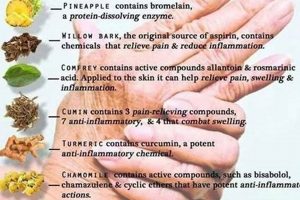
Canine urinary incontinence, the involuntary leakage of urine, can stem from various causes, including weakened bladder muscles, hormonal imbalances, spinal cord injuries, or age-related decline. Addressing this condition may involve conventional veterinary treatments, but some pet owners seek complementary approaches. This article examines the use of botanical treatments intended to alleviate the symptoms of urinary leakage in canines. These treatments utilize plant-derived substances believed to possess properties that can strengthen bladder control or reduce inflammation.
Historically, various cultures have employed plants for medicinal purposes, including addressing urinary issues in animals. The appeal of these options often lies in their perceived gentleness and fewer potential side effects compared to some pharmaceutical interventions. While rigorous scientific validation may be lacking for many preparations, anecdotal evidence and some preliminary studies suggest potential benefits in managing mild to moderate cases of canine urinary incontinence. It is crucial to note that these should never be considered a replacement for proper veterinary care.
The subsequent sections will explore specific botanical options frequently cited for their potential to support urinary continence in dogs. Considerations regarding their mechanisms of action, potential side effects, and appropriate usage will be discussed. This information aims to provide a balanced perspective, encouraging responsible and informed decision-making in collaboration with a qualified veterinarian.
Guidance on Botanical Approaches
The following provides insights for those considering a botanical-inclusive approach to managing canine urinary incontinence. Implementation requires careful consideration and consultation with a veterinary professional.
Tip 1: Precise Identification of the Underlying Cause. A thorough veterinary examination is paramount to determine the etiology of the incontinence. Botanical interventions may be inappropriate or ineffective if the condition is due to structural abnormalities, infections, or other serious medical issues requiring specific treatment.
Tip 2: Individualized Treatment Protocols. Canine responses to botanical agents vary. Begin with a low dosage and gradually increase, as guided by a veterinarian, while closely monitoring for any adverse reactions or improvements in continence.
Tip 3: Selecting Reputable Product Sources. The quality and purity of botanical products are critical. Choose brands that conduct third-party testing to verify the identity and concentration of active compounds, and ensure the absence of contaminants.
Tip 4: Awareness of Potential Interactions. Botanical agents can interact with pharmaceutical medications. Disclose all supplements being administered to the veterinarian to prevent adverse drug reactions or reduced efficacy of prescribed treatments.
Tip 5: Importance of Lifestyle Modifications. Supplement botanical interventions with supportive lifestyle changes. These include frequent opportunities for urination, maintaining a healthy weight, and providing a stress-free environment to minimize bladder pressure and anxiety-related leakage.
Tip 6: Consistent Monitoring and Documentation. Maintain a detailed record of the dog’s urinary habits, including frequency of urination, leakage episodes, and any changes in behavior. This documentation assists the veterinarian in evaluating the effectiveness of the botanical approach and making necessary adjustments.
Tip 7: Recognizing Limitations. Botanical treatments may not be suitable for all cases of canine urinary incontinence. If the condition does not improve significantly within a reasonable timeframe, or if it worsens, consider exploring alternative or adjunctive therapies under veterinary supervision.
These guidelines underscore the importance of integrating botanical approaches into a comprehensive management strategy. Working closely with a veterinarian ensures both the safety and well-being of the animal while attempting to improve urinary control.
The subsequent section will summarize safety measures and professional veterinary guidance.
1. Underlying Cause

The efficacy of botanical interventions for canine urinary incontinence is inextricably linked to the underlying cause of the condition. Incontinence is not a disease itself but rather a symptom arising from various physiological and pathological factors. Therefore, a precise diagnosis is paramount before considering any treatment, including those of a botanical nature. For example, estrogen-responsive incontinence, common in spayed female dogs, may potentially respond to phytoestrogens present in certain plants. However, if the incontinence stems from a spinal cord injury, a different approach, likely involving conventional veterinary medicine, would be required. A misdiagnosis leading to the application of an inappropriate botanical remedy may not only fail to alleviate the symptoms but also potentially delay effective treatment and exacerbate the underlying condition.
Moreover, the underlying cause directly influences the selection of the most appropriate botanical agent. If incontinence is due to weakened bladder sphincter muscles, for instance, remedies aimed at strengthening muscle tone may be considered. Conversely, if the condition results from inflammation of the urinary tract, anti-inflammatory herbs might be a more suitable choice. It is also important to consider that some causes of incontinence, such as urinary tract infections or bladder stones, necessitate treatment with antibiotics or surgical intervention, respectively. In such cases, botanical therapies may only serve as adjuncts, potentially providing supportive benefits but not addressing the primary pathology. Ignoring the root cause and relying solely on botanical remedies could result in a worsening of the animal’s health and a poorer prognosis.
In summary, the relationship between the underlying cause and the application of botanical treatments for canine urinary incontinence is one of critical dependency. Accurate diagnosis guides the selection of appropriate interventions, ensuring they align with the specific physiological challenge. While botanicals may offer potential benefits in certain scenarios, they are not a panacea and must be integrated into a comprehensive treatment plan developed in consultation with a qualified veterinarian. Neglecting to address the underlying cause can lead to treatment failure, disease progression, and compromised animal welfare.
2. Veterinary Diagnosis

The application of botanical interventions for canine urinary incontinence is inextricably linked to a preceding and comprehensive veterinary diagnosis. Botanical remedies, while sometimes perceived as gentle alternatives, are not substitutes for professional medical assessment. A definitive diagnosis is paramount to ascertain the underlying etiology of the incontinence, which may range from urethral sphincter incompetence to urinary tract infections, prostatic diseases in males, or even neurological disorders. Without a proper diagnosis, the selection of a botanical remedy becomes a matter of guesswork, potentially resulting in ineffective treatment, delayed intervention for serious conditions, and a compromise of the animal’s overall health. For example, administering a botanical remedy aimed at strengthening bladder muscles to a dog with incontinence due to a bladder tumor would be not only futile but also detrimental, as it would allow the tumor to progress without appropriate medical or surgical intervention.
Furthermore, a veterinary diagnosis informs the veterinarian on possible interactions that “herbal remedies for incontinence in dogs” can do. The diagnostic process extends beyond identifying the cause of incontinence. It involves assessing the dog’s overall health status, including any concurrent medical conditions and medications it may be receiving. This comprehensive evaluation is crucial because botanical remedies can interact with other medications, potentially leading to adverse effects or diminished efficacy of conventional treatments. For example, a botanical with diuretic properties, while potentially helpful for some types of incontinence, could exacerbate dehydration in a dog with underlying kidney disease or interact negatively with certain cardiac medications. Veterinary assessment will also determine an accurate and safe dosage. Thus, a veterinary diagnosis provides the critical foundation upon which any subsequent treatment plan, including the integration of botanical remedies, is built.
In summary, the relationship between veterinary diagnosis and the use of botanical remedies for canine urinary incontinence is one of sequential necessity. A thorough diagnostic workup is the prerequisite for informed decision-making, ensuring that any botanical intervention is targeted, safe, and aligned with the dog’s specific medical needs. While botanical remedies may hold promise as adjunctive or supportive therapies in certain cases, they should never be employed as a substitute for a qualified veterinary professional’s expertise in diagnosis and treatment planning. Prioritizing veterinary diagnosis safeguards the animal’s well-being and optimizes the potential for successful management of urinary incontinence.
3. Product Quality

The efficacy and safety of botanical interventions for canine urinary incontinence are critically dependent on product quality. Botanical products are susceptible to variations in composition, potency, and purity due to factors such as plant source, harvesting practices, processing methods, and storage conditions. These variations directly impact the therapeutic outcome and potential risks associated with their use. For instance, a botanical product containing insufficient concentrations of active compounds may fail to alleviate incontinence symptoms, while one contaminated with heavy metals or pesticides could induce toxic effects. The absence of standardized manufacturing processes and quality control measures in some botanical product markets further exacerbates this issue. Consequently, a dog owner administering a seemingly harmless botanical remedy could inadvertently expose their pet to ineffective or even harmful substances. Understanding this cause-and-effect relationship underscores the importance of stringent quality control in the production and distribution of botanical products intended for treating canine urinary incontinence.
Product quality manifests through several key attributes, including accurate ingredient identification, consistent potency, and absence of contaminants. Reputable manufacturers employ analytical testing methods, such as chromatography and spectroscopy, to verify the identity and concentration of active constituents in their products. These tests ensure that the product aligns with its label claims and provides a consistent dose of the intended therapeutic compounds. Furthermore, rigorous quality control procedures address the presence of contaminants, such as heavy metals, pesticides, molds, and bacteria, which can compromise product safety. Certificates of Analysis (COAs) from independent, third-party laboratories provide objective evidence of these quality parameters, offering pet owners a means of verifying the integrity of the botanical products they purchase. Without these quality assurances, the efficacy and safety of botanical remedies remain uncertain, potentially undermining their intended benefits.
In conclusion, the quality of botanical products is a non-negotiable aspect of their application in managing canine urinary incontinence. Inadequate quality control can lead to ineffective treatment, adverse health effects, and a diminished confidence in botanical therapies. Pet owners are advised to prioritize products from reputable manufacturers that provide transparent information regarding their sourcing, manufacturing practices, and quality control measures. Independent verification through third-party testing offers an additional layer of assurance, safeguarding the well-being of the animal. By prioritizing product quality, the potential benefits of botanical interventions for canine urinary incontinence can be maximized while minimizing the associated risks. Veterinary guidance on selecting appropriate products and dosages is crucial to ensure safe and effective management of the condition.
4. Dosage Precision

Dosage precision is of paramount importance when considering botanical interventions for canine urinary incontinence. The therapeutic window for many botanical agents is narrow, meaning the difference between a beneficial effect and an adverse reaction can be subtle. Accurate dosing is, therefore, not merely a matter of enhancing efficacy but also one of mitigating potential harm to the animal.
- Variable Bioavailability
The bioavailability of active compounds in herbal remedies can vary significantly depending on factors such as the plant source, extraction method, and individual canine physiology. This variability makes standardized dosing challenging. For example, two products containing the same nominal amount of a particular herb may have vastly different effects due to differences in how the active compounds are absorbed and metabolized by the dog.
- Potential for Cumulative Toxicity
Some botanical agents, while seemingly benign in low doses, can accumulate in the body over time, leading to toxic effects. Sustained, imprecise dosing increases the risk of cumulative toxicity. For instance, prolonged administration of a botanical with diuretic properties at an excessive dose could lead to electrolyte imbalances and kidney damage.
- Influence of Concurrent Medications
The dosage of botanical remedies may need adjustment based on the dog’s concurrent use of other medications. Herb-drug interactions can either enhance or diminish the effects of both the botanical and the conventional medication, necessitating careful monitoring and dosage adjustments. For example, a botanical with anticoagulant properties could potentiate the effects of warfarin, increasing the risk of bleeding.
- Age and Health Considerations
Canine age and overall health status significantly influence the appropriate dosage of botanical remedies. Geriatric dogs and those with pre-existing medical conditions may be more sensitive to the effects of botanical agents and require lower doses. For instance, a botanical metabolized primarily by the liver may need to be dosed conservatively in a dog with hepatic dysfunction.
The preceding points highlight the necessity for veterinary oversight in determining and monitoring the dosage of botanical remedies for canine urinary incontinence. Empirically adjusting dosages without professional guidance can jeopardize the animal’s health. Individualized treatment protocols, tailored to the specific dog’s characteristics and medical history, are essential to optimize the benefits and minimize the risks associated with botanical interventions.
5. Potential Interactions

The integration of botanical treatments for canine urinary incontinence necessitates a thorough consideration of potential interactions, both with conventional medications and with other botanical agents. These interactions arise from the complex pharmacological profiles of plant-derived compounds, which can influence drug metabolism, receptor binding, and various physiological processes. Ignoring the possibility of interactions can lead to diminished efficacy of prescribed medications, increased risk of adverse effects, or unexpected toxicities. For example, a dog receiving diuretics for congestive heart failure may experience electrolyte imbalances if administered a botanical remedy that also possesses diuretic properties. This additive effect could exacerbate dehydration and compromise cardiovascular function. Therefore, awareness of potential interactions is a critical component of responsible and safe use of botanical remedies in treating canine urinary incontinence. A veterinary health professional is responsible to tell the owner about potential interactions of “herbal remedies for incontinence in dogs.”
The mechanisms underlying potential interactions are diverse and can involve pharmacokinetic or pharmacodynamic pathways. Pharmacokinetic interactions occur when one agent alters the absorption, distribution, metabolism, or excretion of another, affecting its concentration at the site of action. For instance, St. John’s Wort, an herb sometimes used for anxiety, is known to induce certain cytochrome P450 enzymes, which are involved in the metabolism of many pharmaceutical drugs. This induction can accelerate the breakdown of concurrently administered medications, such as certain immunosuppressants or anticonvulsants, reducing their therapeutic effectiveness. Conversely, pharmacodynamic interactions occur when two agents have additive, synergistic, or antagonistic effects on the same physiological system. As an example, combining a botanical remedy with sedative properties with a conventional tranquilizer could result in excessive sedation and respiratory depression. These types of interactions are not always predictable and require careful monitoring.
In conclusion, addressing potential interactions is essential for safely and effectively integrating botanical remedies into the management of canine urinary incontinence. Thoroughly documenting all medications and supplements the animal is receiving, consulting with a veterinarian knowledgeable in both conventional and botanical medicine, and closely monitoring for any adverse effects are crucial steps. A proactive approach to identifying and managing potential interactions minimizes the risks and maximizes the potential benefits of combining botanical and conventional therapies, thereby promoting improved animal welfare. It is an important safety measure that all vets must advise the dog owners before they start administering “herbal remedies for incontinence in dogs”.
6. Monitoring Outcomes

Effective management of canine urinary incontinence with botanical interventions mandates diligent monitoring of outcomes. The assessment of a botanical remedy’s impact requires consistent observation and documentation to determine efficacy, identify potential adverse effects, and adjust treatment protocols as needed.
- Frequency and Severity of Leakage
A primary indicator of a botanical’s effectiveness is the reduction in the frequency and severity of urinary leakage episodes. Documentation should include the number of leakage events per day or week, the volume of urine lost, and the circumstances surrounding each incident (e.g., during sleep, while active, or when stressed). Consistent tracking allows for objective comparison before and after initiating botanical treatment, providing insight into whether the intervention is achieving the desired result. Should the monitoring reveal no improvement or a worsening of symptoms, reevaluation of the underlying cause and treatment strategy is necessary.
- Urine Volume and Urination Frequency
Changes in urine volume and urination frequency can provide valuable information regarding the impact of a botanical remedy on urinary function. Some botanical agents may have diuretic properties, leading to increased urine production. Monitoring these parameters helps to assess whether the botanical is influencing bladder function in a beneficial or detrimental way. Significant increases in urination frequency or urine volume may indicate an overstimulation of the urinary system, potentially exacerbating incontinence or causing dehydration. Conversely, decreases in urination frequency or volume could suggest impaired bladder emptying, requiring further veterinary evaluation.
- Behavioral Changes and Comfort Levels
Botanical treatments can influence a dog’s behavior and comfort levels. Increased restlessness, excessive licking of the perineal area, or vocalization during urination may indicate discomfort or irritation related to the botanical remedy. Changes in appetite, sleep patterns, or social interactions could also suggest adverse effects. Careful observation of these behavioral indicators provides a holistic assessment of the botanical’s impact on the animal’s well-being, complementing the objective measures of urinary leakage. Prompt veterinary consultation is warranted if any concerning behavioral changes are observed.
- Veterinary Assessments and Diagnostic Tests
Periodic veterinary re-evaluations and diagnostic tests, such as urinalysis and urine cultures, are essential components of monitoring outcomes. These assessments provide objective data on urinary tract health, helping to identify any underlying infections or other abnormalities that may be contributing to incontinence. Urinalysis can detect changes in urine pH, cell counts, and the presence of blood or protein, indicating potential inflammation or damage to the urinary system. Urine cultures can confirm or rule out urinary tract infections, which require specific antibiotic treatment. Veterinary re-evaluations also allow for adjustments to the botanical treatment protocol based on the animal’s response and any new clinical findings.
The monitoring of outcomes provides a feedback loop, allowing for continuous assessment and refinement of botanical treatment strategies. Regular observations, objective measurements, and veterinary evaluations enable informed decisions regarding the ongoing suitability of botanical interventions. By diligently tracking the animal’s response, veterinary professionals and owners can collaborate to optimize treatment efficacy, minimize potential adverse effects, and improve the overall quality of life for dogs with urinary incontinence. If the outcome is unfavorable, consider discontinue “herbal remedies for incontinence in dogs”.
Frequently Asked Questions
This section addresses common inquiries regarding the application of botanical remedies for managing urinary incontinence in dogs. The information provided aims to clarify misconceptions and offer a balanced perspective on this complementary treatment modality.
Question 1: Are botanical remedies a guaranteed cure for canine urinary incontinence?
Botanical remedies are not a guaranteed cure for canine urinary incontinence. Their effectiveness varies depending on the underlying cause of the condition, the dog’s individual physiology, and the quality of the botanical product used. Botanical interventions may offer symptomatic relief in some cases, but they are not a substitute for proper veterinary diagnosis and treatment.
Question 2: Can botanical remedies be used as a sole treatment for urinary incontinence?
Botanical remedies should not be used as a sole treatment for urinary incontinence without consulting a veterinarian. Incontinence can result from various underlying conditions, some of which require conventional medical or surgical intervention. Using botanical remedies in isolation may delay or preclude appropriate treatment, potentially worsening the underlying condition.
Question 3: Are botanical remedies safe for all dogs with urinary incontinence?
Botanical remedies are not safe for all dogs with urinary incontinence. Certain botanicals can interact with other medications or exacerbate existing medical conditions. Pregnant or lactating dogs, puppies, and dogs with liver or kidney disease may be particularly vulnerable to adverse effects. Veterinary guidance is essential to assess the safety of botanical remedies on a case-by-case basis.
Question 4: How long does it take to see results with botanical remedies?
The time it takes to observe results with botanical remedies varies. Some dogs may experience noticeable improvements within a few weeks, while others may require several months of consistent treatment. Lack of improvement within a reasonable timeframe necessitates re-evaluation of the treatment plan and consideration of alternative therapies.
Question 5: Are there any documented side effects associated with botanical remedies for incontinence?
Documented side effects vary depending on the specific botanical remedy used. Common side effects may include gastrointestinal upset (e.g., vomiting, diarrhea), allergic reactions (e.g., skin rash, itching), or interactions with other medications. Rare but more serious side effects may occur in susceptible individuals. Close monitoring and prompt veterinary consultation are essential if any adverse reactions are suspected.
Question 6: Where can high-quality botanical remedies for canine urinary incontinence be obtained?
High-quality botanical remedies should be obtained from reputable sources that adhere to stringent quality control standards. Look for products that have been independently tested for purity and potency, and that provide detailed information regarding sourcing, manufacturing practices, and ingredient composition. Consult with a veterinarian for recommendations on reliable suppliers and appropriate product selection.
Botanical interventions for canine urinary incontinence offer a potential avenue for complementary treatment, but their use must be approached with caution and informed by professional veterinary guidance. Understanding the limitations, potential risks, and appropriate application of these remedies is crucial for safeguarding animal health.
The subsequent section will summarize critical safety considerations when using botanical approaches for managing canine urinary incontinence.
Herbal Remedies for Incontinence in Dogs
The preceding exploration has illuminated various facets of employing botanical interventions for canine urinary incontinence. Key points emphasize the necessity of accurate veterinary diagnosis, discerning product quality, precise dosage administration, awareness of potential interactions, and diligent outcome monitoring. The information presented underscores that botanical remedies are not panaceas, nor are they uniformly safe or effective for all canines afflicted with this condition.
The judicious integration of botanical approaches requires a commitment to informed decision-making, prioritizing animal welfare through collaborative engagement with qualified veterinary professionals. Continued research and rigorous evaluation of botanical interventions are essential to refine treatment protocols and enhance the safety and efficacy of these complementary modalities. This comprehensive understanding contributes to responsible management strategies, improving the quality of life for canines experiencing urinary incontinence.