The utilization of plants and their extracts to alleviate the discomfort associated with painful menstruation, a condition known as dysmenorrhea, represents a therapeutic approach rooted in traditional medicine systems. This method involves the use of various botanical substances believed to possess properties that can mitigate pain, reduce inflammation, or influence hormonal balance. For example, certain plants are prepared as teas, tinctures, or capsules, with the intention of easing menstrual cramps and related symptoms.
Employing botanical interventions for managing menstrual discomfort offers a potentially accessible and cost-effective option, particularly in regions with limited access to conventional medical treatments. Historically, numerous cultures have relied on indigenous flora to address gynecological ailments, accumulating empirical knowledge regarding their efficacy over generations. Furthermore, some individuals may prefer natural approaches due to concerns about potential side effects associated with pharmaceutical interventions. The investigation of these traditional practices can contribute to the discovery of novel therapeutic compounds and strategies.
The subsequent sections will explore specific botanicals commonly cited for their potential to alleviate menstrual pain, examining their purported mechanisms of action and the available scientific evidence supporting their use. It will also address potential risks and contraindications, emphasizing the importance of consulting with a qualified healthcare professional before initiating any self-treatment regimen.
Guidance on Botanical Approaches to Managing Menstrual Discomfort
The following recommendations aim to provide informative guidance regarding the use of plant-based interventions for the symptomatic relief of dysmenorrhea. These suggestions are intended for informational purposes only and do not constitute medical advice. Consultation with a qualified healthcare provider is essential before implementing any new treatment strategy.
Tip 1: Conduct Thorough Research: Prior to utilizing any botanical substance, dedicate time to researching its potential benefits, risks, and interactions with existing medications. Reputable sources, such as scientific journals and evidence-based herbal databases, should be consulted.
Tip 2: Prioritize Reputable Sources: Obtain botanical products from reputable manufacturers or suppliers that adhere to quality control standards. Look for certifications indicating that the product has undergone testing for purity and potency.
Tip 3: Start with Low Dosages: When initiating a new botanical remedy, begin with a low dosage and gradually increase it while monitoring for any adverse effects. This approach minimizes the risk of intolerance or allergic reactions.
Tip 4: Be Mindful of Potential Interactions: Certain botanical substances can interact with prescription medications, over-the-counter drugs, or other supplements. Inform your healthcare provider about all substances you are taking, including herbal products.
Tip 5: Track Symptoms and Responses: Maintain a detailed record of menstrual symptoms, including the severity and frequency of pain, as well as any other related complaints. Document the specific botanicals used, dosages, and any observed changes in symptoms.
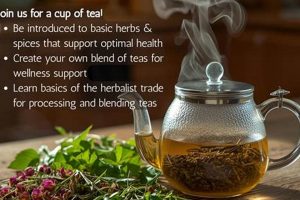
Tip 6: Consider Teas and Infusions: Preparing teas or infusions using specific plants may offer a gentle and readily accessible way to incorporate botanical remedies into a daily routine. Employ standardized preparations and adhere to recommended brewing times.
Tip 7: Explore Combined Approaches: Combining botanical remedies with other self-care strategies, such as heat application, gentle exercise, and stress management techniques, may enhance overall effectiveness in managing menstrual discomfort.
Following these guidelines can contribute to a more informed and cautious approach to the utilization of botanical substances for managing menstrual discomfort. Remember, the effectiveness of these remedies can vary, and individual responses may differ.
The subsequent sections will offer specific examples of plants traditionally used and current evidence supporting their use.
1. Anti-inflammatory properties

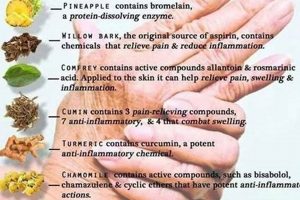
Inflammation is a key mediator in the pathogenesis of dysmenorrhea. Prostaglandins, inflammatory compounds produced in the uterus, contribute to uterine contractions and pain. Increased levels of prostaglandins are associated with more severe menstrual cramps. Thus, botanical substances possessing anti-inflammatory properties offer a potential avenue for reducing the production or activity of these inflammatory mediators, thereby mitigating the severity of dysmenorrheic symptoms. For example, plants containing compounds like gingerol or curcumin have demonstrated anti-inflammatory effects in vitro and in vivo. Their potential lies in inhibiting the cyclooxygenase (COX) enzymes, which are crucial for prostaglandin synthesis. The presence of such anti-inflammatory agents makes botanical remedies a relevant consideration for individuals seeking alternative approaches to manage dysmenorrhea.
The practical significance of understanding this relationship lies in the ability to target the underlying cause of the pain, rather than merely masking the symptoms. While analgesics provide pain relief, botanical remedies with anti-inflammatory action have the potential to address the root of the problem by reducing prostaglandin production. Furthermore, the chronic use of nonsteroidal anti-inflammatory drugs (NSAIDs), a common treatment for dysmenorrhea, can lead to gastrointestinal side effects. Therefore, incorporating plant-based anti-inflammatory agents may offer a complementary or alternative approach with potentially fewer adverse effects, particularly for individuals with sensitivities or contraindications to NSAIDs. The utilization of chamomile, contains flavonoids known to suppress the inflammation. This provides clinical benefits to decrease menstrual discomfort.
In summary, the connection between anti-inflammatory properties and botanical interventions for dysmenorrhea rests on the ability of certain plants to modulate the inflammatory cascade. This mechanism offers a promising strategy for alleviating pain and reducing the reliance on conventional anti-inflammatory medications. However, further research, including well-designed clinical trials, is needed to fully elucidate the efficacy and safety of specific botanical substances and to establish optimal dosages and formulations for the treatment of dysmenorrhea. The challenge lies in standardizing the preparations and accurately assessing the bioavailability of the active compounds.
2. Muscle relaxant effects

Uterine contractions are a primary cause of pain during menstruation. Certain botanical compounds possess the capacity to induce smooth muscle relaxation, potentially mitigating the intensity of these contractions and alleviating the associated discomfort. The application of plant-derived muscle relaxants represents a therapeutic approach aimed at reducing uterine hypertonicity and the resulting pain experienced during dysmenorrhea.
- Mechanism of Action
Botanical muscle relaxants exert their effects through various mechanisms, including interfering with calcium influx into smooth muscle cells, modulating the release of neurotransmitters that regulate muscle tone, and directly affecting the contractile proteins within the muscle fibers. These actions can lead to a decrease in the force and frequency of uterine contractions.
- Examples of Relaxant Herbs
Several botanicals have traditionally been used for their muscle relaxant properties. Valerian root, for example, contains compounds that interact with GABA receptors in the brain, promoting relaxation. Cramp bark (Viburnum opulus) is another example, containing compounds that appear to directly relax smooth muscle tissue. Peppermint oil, when applied topically, can also exert a localized muscle-relaxing effect.
- Clinical Evidence and Efficacy
While traditional use suggests efficacy, rigorous clinical trials are often lacking to fully validate the muscle relaxant effects of many botanical remedies for dysmenorrhea. Some studies, however, have shown promise. For instance, certain preparations of chamomile have demonstrated a reduction in menstrual pain intensity, potentially attributable to its muscle relaxant properties. More research is needed to confirm these findings and establish optimal dosages and formulations.
- Safety Considerations
The use of botanical muscle relaxants is not without potential risks. Some herbs can interact with medications or have contraindications for certain individuals. For example, valerian can potentiate the effects of sedatives, and some herbs may be unsafe during pregnancy or breastfeeding. Consulting with a qualified healthcare professional is essential to assess the suitability of these remedies and minimize the risk of adverse effects.
The integration of botanical muscle relaxants into a comprehensive approach to managing dysmenorrhea necessitates a thorough understanding of their mechanisms of action, potential benefits, and safety considerations. While these remedies offer a potentially valuable option for reducing uterine contractions and alleviating pain, their effectiveness and safety should be carefully evaluated on an individual basis, ideally under the guidance of a healthcare professional.
3. Hormonal balance modulation

Dysmenorrhea, particularly when chronic, is often influenced by imbalances in hormone levels, specifically estrogen and progesterone. Certain botanicals are theorized to exert effects on hormonal pathways, potentially modulating the production, metabolism, or receptor activity of these hormones. This modulation can impact the uterine lining, reduce inflammation, and alleviate pain associated with menstruation. The therapeutic rationale centers on restoring or maintaining a more optimal hormonal milieu, thereby addressing the root causes of dysmenorrheic symptoms rather than merely managing pain. For instance, some plants are believed to contain phytoestrogens, compounds that can bind to estrogen receptors and exert either estrogenic or anti-estrogenic effects depending on the individual’s hormonal status. This interaction can influence the proliferation of the uterine lining and the production of prostaglandins.
The importance of hormonal balance modulation as a component of botanical interventions for dysmenorrhea lies in its potential to offer a more comprehensive and long-term solution. Unlike analgesics that primarily address pain symptoms, botanicals that affect hormone balance may address underlying hormonal irregularities contributing to the condition. One example is the use of Vitex agnus-castus (chasteberry), which is traditionally used to regulate the menstrual cycle and alleviate symptoms of premenstrual syndrome (PMS). While the exact mechanism of action is still under investigation, it is believed to influence prolactin levels, which in turn can affect estrogen and progesterone balance. Another botanical often cited is evening primrose oil, rich in gamma-linolenic acid (GLA), a precursor to prostaglandins. While seemingly counterintuitive, GLA may help regulate the production of prostaglandins, leading to a reduction in inflammation and pain. The practical significance is found in the pursuit of treatment options that modify hormone balance rather than alleviate pain, such approaches may better manage or improve long-term quality of life.
In summary, the connection between hormonal balance modulation and botanical remedies for dysmenorrhea represents a complex interplay of plant compounds and hormonal pathways. While traditional usage and preliminary research suggest potential benefits, rigorous scientific investigation is essential to fully elucidate the mechanisms of action, determine optimal dosages and formulations, and assess the long-term safety and efficacy of these botanical interventions. Challenges include standardizing herbal preparations, accounting for individual variability in hormonal responses, and conducting large-scale clinical trials to validate anecdotal evidence. The modulation of hormone balance is a promising approach that addresses the root of the problem, potentially increasing the effectiveness of the herbal remedy as a dysmenorrhea treatment.
4. Pain relief mechanisms

The efficacy of botanical interventions in managing dysmenorrhea is inextricably linked to their capacity to engage various pain relief mechanisms within the body. Dysmenorrhea-associated pain arises from a complex interplay of factors, including uterine contractions, inflammation, and heightened pain sensitivity. Botanical remedies, therefore, exert their analgesic effects by targeting one or more of these pathways. This multifaceted approach distinguishes them from conventional analgesics, which often focus solely on suppressing pain signals without addressing underlying causes. The importance of understanding these mechanisms lies in the ability to rationally select and combine botanical substances to optimize pain relief and minimize reliance on pharmaceutical interventions. One illustrative example is the use of plants containing opioid-like compounds, which can bind to opioid receptors in the central nervous system and reduce pain perception. Similarly, botanicals with anti-inflammatory properties mitigate pain by reducing the production of prostaglandins and other inflammatory mediators. Practical significance lies in tailoring herbal treatments to the individual’s specific pain profile and underlying physiological imbalances.
Further exploration of pain relief mechanisms reveals the potential for synergistic effects when combining different botanical substances. For instance, an herb with muscle relaxant properties may complement the effects of an anti-inflammatory agent, leading to enhanced pain relief. Moreover, some plants contain compounds that can modulate neurotransmitter activity, influencing pain perception and emotional responses to pain. Consider the potential use of St. John’s Wort, though primarily known for its antidepressant effects, in managing dysmenorrhea-related pain. This plant contains compounds that can modulate serotonin levels, potentially reducing pain sensitivity and improving mood. In this regard, herbal remedies could support and encourage a more holistic approach to pain management, encompassing both physical and psychological well-being. From another perspective, some botanicals may provide relief by addressing the root cause of dysmenorrhea: such as a hormonal imbalance or specific deficiency. Therefore, choosing an herbal remedy is not solely based on pain-reducing properties.
In conclusion, the connection between pain relief mechanisms and botanical remedies for dysmenorrhea underscores the potential for these interventions to offer effective and comprehensive pain management. While traditional use and anecdotal evidence provide valuable insights, rigorous scientific investigation is crucial to fully elucidate the mechanisms of action, establish optimal dosages and formulations, and assess the long-term safety and efficacy of specific botanical substances. The standardization of herbal preparations and the design of well-controlled clinical trials remain significant challenges. Moving forward, the focus should be on integrating botanical remedies into a multidisciplinary approach to dysmenorrhea management, combining them with conventional treatments and lifestyle modifications to provide individualized and evidence-based care.
5. Traditional usage history

The historical context of botanical applications for menstrual discomfort provides a valuable foundation for contemporary research and practice. Understanding the traditional usage patterns of various plants offers insights into their potential efficacy and informs the selection of botanicals for modern investigation.
- Cultural Significance and Documentation
Various cultures possess distinct herbal traditions for addressing gynecological ailments. These traditions are often transmitted orally or through written texts, detailing the plants used, methods of preparation, and intended applications. Documentation of these practices provides a starting point for identifying potentially effective remedies. For instance, traditional Chinese medicine and Ayurveda incorporate numerous herbs for managing menstrual disorders.
- Empirical Knowledge and Observation
Over generations, traditional healers have accumulated empirical knowledge regarding the effects of various plants on the human body. These observations, although not always subjected to rigorous scientific scrutiny, represent a rich source of information regarding potential benefits and risks. For example, a plant consistently used to alleviate menstrual cramps in a specific culture may warrant further investigation for its muscle relaxant or anti-inflammatory properties.
- Preparation Methods and Dosages
Traditional usage history often includes specific instructions regarding the preparation methods and dosages of herbal remedies. These details are crucial for replicating traditional practices and assessing their safety and efficacy. For instance, the method of extraction (e.g., decoction, infusion, tincture) can significantly influence the concentration and bioavailability of active compounds. Knowledge of traditional dosages helps to establish safe and effective starting points for modern clinical trials.
- Evolution and Adaptation
Traditional herbal practices are not static but rather evolve over time in response to changing environmental conditions, available resources, and cultural influences. This process of adaptation can lead to the refinement of traditional remedies and the discovery of new applications. Examining the historical evolution of herbal usage provides insights into the factors that contribute to the persistence and modification of traditional practices.
The historical context of herbal usage provides a foundation for modern research into treatments for dysmenorrhea. Examining this legacy informs the selection, preparation, and application of herbal remedies in contemporary practice and research.
6. Safety and interactions

The safety profile of botanical interventions and their potential interactions with other substances represent critical considerations when evaluating their suitability for managing dysmenorrhea. A comprehensive assessment is essential to mitigate potential risks and ensure patient well-being.
- Variable Composition and Standardization
Herbal remedies are derived from natural sources, resulting in inherent variability in their chemical composition. Factors such as plant species, growing conditions, harvesting methods, and processing techniques can influence the concentrations of active constituents. This variability poses challenges for standardization and can lead to inconsistent effects. For example, two different batches of the same herbal product may contain significantly different levels of the active compounds responsible for its therapeutic effects. This lack of standardization increases the risk of both inefficacy and adverse reactions. In the context of managing dysmenorrhea, ensuring product consistency is critical for achieving reliable and predictable outcomes.
- Potential for Adverse Effects
While often perceived as “natural” and therefore safe, botanical remedies can cause adverse effects, ranging from mild gastrointestinal upset to severe allergic reactions. Some herbs contain compounds that are inherently toxic, while others may cause adverse effects in susceptible individuals. For example, certain herbs can interact with blood clotting mechanisms, increasing the risk of bleeding, while others may be hepatotoxic, causing liver damage. Individuals with pre-existing medical conditions, such as liver or kidney disease, may be at increased risk of adverse effects. For dysmenorrhea, individuals with bleeding disorders should exercise extreme caution with herbs that have blood-thinning properties.
- Drug-Herb Interactions
Botanical remedies can interact with prescription medications, over-the-counter drugs, and other supplements, potentially altering their efficacy or increasing the risk of adverse effects. These interactions can occur through various mechanisms, including affecting drug absorption, metabolism, or excretion. For example, St. John’s Wort, commonly used for depression, can interact with numerous medications, including oral contraceptives and antidepressants. In the context of dysmenorrhea, it is crucial to consider potential interactions between herbal remedies and commonly used pain relievers, hormonal therapies, or other medications. Individuals taking prescription drugs should consult with a healthcare provider or pharmacist before using any herbal remedies.
- Contamination and Adulteration
Herbal products can be contaminated with heavy metals, pesticides, or other toxins, or adulterated with undeclared ingredients, including pharmaceutical drugs. Contamination can occur during any stage of the manufacturing process, from cultivation to packaging. Adulteration is often done to enhance the perceived efficacy of the product or to reduce manufacturing costs. For example, some herbal products marketed for weight loss have been found to contain undeclared stimulants, while others have been contaminated with heavy metals such as lead or mercury. In the context of dysmenorrhea, contamination or adulteration can pose significant health risks, particularly if the product is used regularly or in high doses.
These multifaceted considerations highlight the importance of prioritizing safety and being aware of potential interactions when considering botanical interventions for dysmenorrhea. Consulting with knowledgeable healthcare provider and acquiring products from reputable sources is crucial for minimizing risks.
Frequently Asked Questions
The following addresses common inquiries regarding the use of botanical substances for the symptomatic relief of dysmenorrhea. These responses are intended for informational purposes only and do not constitute medical advice.
Question 1: Are botanical interventions a substitute for conventional medical treatment for dysmenorrhea?
No. Botanical interventions may serve as a complementary approach, but they should not replace conventional medical treatment prescribed by a qualified healthcare professional. A thorough medical evaluation is essential to rule out underlying medical conditions contributing to dysmenorrhea.
Question 2: How can the quality and safety of herbal products be ensured?
The quality and safety of herbal products can be enhanced by selecting products from reputable manufacturers that adhere to good manufacturing practices (GMP) and undergo third-party testing for purity, potency, and contaminants. Consulting with a qualified herbalist or healthcare provider can also provide guidance on selecting appropriate products.
Question 3: What are the potential side effects associated with botanical remedies for dysmenorrhea?
Botanical remedies can cause a range of side effects, including gastrointestinal upset, allergic reactions, and interactions with prescription medications. Specific side effects vary depending on the particular herb and individual sensitivities. It is essential to research potential side effects before using any botanical remedy and to discontinue use if adverse reactions occur.
Question 4: Can herbal remedies interact with prescription medications?
Yes, certain botanical substances can interact with prescription medications, altering their efficacy or increasing the risk of adverse effects. It is crucial to inform a healthcare provider about all medications and supplements being taken, including herbal remedies, to assess potential interactions.
Question 5: How long does it typically take to experience the benefits of herbal remedies for dysmenorrhea?
The time required to experience the benefits of herbal remedies can vary depending on the individual, the specific herb used, the dosage, and the severity of the symptoms. Some individuals may experience noticeable improvements within a few days, while others may require several weeks of consistent use. A healthcare provider can give the most correct assessment.
Question 6: Are there any botanical remedies that are contraindicated during pregnancy or breastfeeding?
Yes, certain botanical substances are contraindicated during pregnancy or breastfeeding due to potential risks to the fetus or infant. It is essential to consult with a healthcare provider before using any herbal remedy during pregnancy or breastfeeding to ensure safety.
In summary, the safe and effective use of botanical remedies for dysmenorrhea requires careful consideration of individual factors, potential risks, and interactions with other medications. Consultation with a qualified healthcare provider is essential before initiating any new treatment regimen.
The following sections will summarize important caveats and considerations for further exploration of this topic.
Conclusion
The exploration of “herbal remedies for dysmenorrhea” reveals a complex landscape of potential benefits and inherent limitations. While numerous botanical substances have been traditionally employed to alleviate menstrual discomfort, rigorous scientific evidence supporting their efficacy and safety remains limited for many applications. Standardization challenges, variability in product composition, and the potential for adverse effects and drug interactions necessitate a cautious and informed approach to their use.
Further research, including well-designed clinical trials, is essential to elucidate the mechanisms of action, establish optimal dosages and formulations, and comprehensively assess the safety and efficacy of specific botanical interventions for dysmenorrhea. Individuals considering “herbal remedies for dysmenorrhea” should consult with a qualified healthcare professional to determine the suitability of these approaches, taking into account individual medical history, concurrent medications, and potential risks. The informed and responsible integration of botanical remedies into a comprehensive management plan may offer a valuable option for some individuals experiencing dysmenorrhea, but it must be approached with prudence and awareness of the existing limitations.