Botanical treatments offer a natural approach to alleviate cutaneous irritation in canines. These treatments incorporate plant-derived substances believed to possess anti-inflammatory, antipruritic, or soothing properties. Examples include topical applications of chamomile tea, oral supplementation with omega-3 fatty acids derived from flaxseed, and the use of specialized shampoos containing aloe vera.
The interest in utilizing natural options for canine dermatological issues stems from several factors. Some pet owners seek alternatives to conventional pharmaceutical interventions due to concerns about potential side effects or the development of antibiotic resistance. The historical use of plants for medicinal purposes in both humans and animals further contributes to the appeal of this approach, aligning with a preference for holistic and less invasive care.
Understanding specific plant-based solutions, their purported mechanisms of action, and appropriate administration methods constitutes the basis for informed decision-making. Careful consideration of potential interactions with existing medications, dosage guidelines based on breed and weight, and the recognition of signs requiring veterinary intervention are all vital components of responsible implementation. This exploration requires detailed examination of commonly used botanicals and their roles in managing canine pruritus.
Considerations for Botanical Approaches to Canine Pruritus
Employing plant-derived treatments for canine dermatological irritation necessitates a cautious and well-informed approach. The following points emphasize key considerations for responsible implementation.
Tip 1: Identification of Underlying Cause: Prior to initiating any treatment, ascertain the precise etiology of the pruritus. Allergies, parasitic infestations, and secondary infections require specific diagnostic and therapeutic interventions beyond palliative botanical applications.
Tip 2: Veterinary Consultation: Seek professional veterinary guidance. A veterinarian can assess the dogs overall health, identify potential contraindications, and provide recommendations based on the individual animal’s needs.
Tip 3: Quality and Sourcing of Ingredients: Obtain botanical products from reputable sources to ensure purity and potency. Adulterated or improperly processed ingredients can exacerbate dermatological conditions or pose a health risk.
Tip 4: Proper Dosage and Administration: Adhere strictly to recommended dosages. Over-administration can lead to adverse effects, while insufficient doses may prove ineffective. Monitor for any signs of allergic reaction or gastrointestinal upset.
Tip 5: Topical Application Precautions: When using topical preparations, perform a patch test on a small area of skin to assess for sensitivity. Avoid contact with eyes, mucous membranes, and open wounds.
Tip 6: Monitoring for Efficacy: Continuously evaluate the treatments effectiveness. If the pruritus persists or worsens despite intervention, re-evaluation by a veterinarian is necessary.
Tip 7: Avoidance of Toxic Plants: Ensure that all plants used are safe for canine consumption or topical application. Some plants, such as tea tree oil (Melaleuca alternifolia), are toxic to dogs and should be strictly avoided.
Tip 8: Integration with Conventional Therapies: Botanical approaches can be integrated with conventional therapies, but coordination with a veterinarian is essential. Potential interactions between botanical and pharmaceutical agents must be considered.
Adherence to these guidelines promotes responsible and effective use, thereby maximizing the potential benefits while minimizing risks. The goal is to improve the animals quality of life through informed and judicious application.
These points underscore the complex nature of canine dermatology and the importance of a holistic approach to treatment.
1. Identification of Allergen

The presence of pruritus in canines frequently implicates an underlying allergic response. Accurate identification of the causative allergen is a prerequisite to effective long-term management. Without identifying and addressing the specific allergen, the use of botanical treatments, while potentially providing temporary symptomatic relief, cannot resolve the underlying immunological reaction. For instance, if a dog exhibits pruritus due to a chicken protein allergy in its diet, the application of chamomile compresses might temporarily alleviate itching, but the condition will persist until the chicken is eliminated from the diet.
Diagnostic procedures, such as intradermal skin testing or serum allergy testing, are employed to pinpoint specific allergens. Subsequent avoidance strategies, including dietary changes or environmental modifications, are essential. In cases where complete allergen avoidance is impossible, botanical therapies can serve as an adjunct to manage residual pruritus. For example, a dog allergic to pollen may experience seasonal flare-ups of itching. While minimizing exposure to pollen is the primary strategy, topical application of aloe vera gel can soothe irritated skin and reduce inflammation during these periods. Furthermore, some botanical supplements are believed to modulate the immune response, potentially reducing the severity of allergic reactions over time. However, these supplements should not replace allergen avoidance measures.
Therefore, allergen identification constitutes the cornerstone of managing canine pruritus. Herbal remedies offer symptomatic relief and may potentially modulate the immune system, but they function most effectively within a comprehensive treatment plan predicated on accurate diagnosis and allergen avoidance. The efficacy of herbal interventions is significantly compromised in the absence of a precise identification and management of the offending allergen, potentially leading to chronic discomfort and secondary complications.
2. Anti-Inflammatory Properties

Inflammation is a central component of pruritus in canines, frequently manifesting as redness, swelling, and discomfort. Plant-derived compounds with inherent anti-inflammatory properties offer a therapeutic avenue for managing these clinical signs. The ability of specific botanical treatments to modulate inflammatory pathways is crucial to their efficacy.
- Inhibition of Pro-inflammatory Mediators
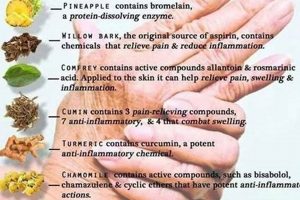
Certain herbal extracts inhibit the production or activity of pro-inflammatory mediators such as cytokines (e.g., TNF-, IL-1) and prostaglandins. For example, compounds found in chamomile (Matricaria chamomilla) and calendula (Calendula officinalis) have demonstrated an ability to suppress the release of these substances, thereby reducing inflammation at the cellular level. This mechanism is particularly relevant in allergic dermatitis, where an overactive immune response triggers the release of inflammatory signals. By modulating these signals, the severity of the inflammatory reaction is reduced, leading to decreased pruritus.
- Antioxidant Activity
Oxidative stress contributes to inflammation. Many plants contain antioxidant compounds that neutralize free radicals, mitigating the oxidative damage to tissues. For instance, rosemary (Rosmarinus officinalis) is rich in antioxidants like rosmarinic acid and carnosic acid, which protect cells from damage caused by free radicals. Reducing oxidative stress can lessen inflammation and accelerate the healing process in damaged skin. The incorporation of antioxidant-rich botanicals can thus promote overall skin health and decrease pruritus.
- Modulation of Immune Cell Function
Specific botanical extracts influence the activity of immune cells, such as mast cells and T lymphocytes, which play a central role in allergic and inflammatory responses. Compounds like quercetin, found in many fruits and vegetables and also available in herbal supplements, can stabilize mast cells, preventing the release of histamine and other pruritogenic substances. Furthermore, certain botanicals can modulate T lymphocyte function, shifting the immune response away from a pro-inflammatory state. By targeting these immune cells, herbal remedies can help to restore a more balanced immune response in the skin, reducing inflammation and associated itch.
- Enhancement of Skin Barrier Function
A compromised skin barrier allows irritants and allergens to penetrate more easily, triggering inflammation. Some herbal remedies improve skin barrier function by promoting ceramide synthesis or enhancing the production of other lipids essential for maintaining the integrity of the epidermis. For example, topical application of oat-derived products (Avena sativa) can help to restore the skins natural barrier, preventing further irritation and reducing water loss. A strengthened skin barrier reduces the likelihood of inflammation and pruritus, promoting overall skin health.
The anti-inflammatory properties of herbal treatments are multifaceted, encompassing the inhibition of pro-inflammatory mediators, antioxidant activity, modulation of immune cell function, and enhancement of skin barrier function. Through these mechanisms, specific botanicals can mitigate the inflammatory component of canine pruritus. The utilization of these plants is most effective within a comprehensive treatment plan that addresses the underlying cause of the pruritus. Furthermore, a veterinarian should be consulted before beginning any treatment to assess the dogs health.
3. Topical Application Methods

The efficacy of botanical treatments for canine pruritus is inextricably linked to the method of topical application. The route by which plant-derived compounds are delivered to the skin determines their absorption, distribution, and subsequent therapeutic effect. Inappropriate application can render an otherwise potent remedy ineffective or, conversely, lead to adverse reactions. For example, concentrated essential oils, if applied undiluted, can cause significant skin irritation and exacerbate pruritus. Similarly, inadequate contact time between the herbal preparation and the affected skin may result in insufficient absorption of active ingredients, leading to suboptimal results. Several topical application methods are employed, each with its advantages and limitations.
Compresses, typically prepared by soaking a clean cloth in an herbal infusion or decoction, offer a localized and soothing treatment. This method is well-suited for treating small areas of intensely pruritic skin, allowing for sustained contact with the herbal extract. Rinses, where the herbal preparation is poured over the dog’s coat and allowed to air dry, provide more extensive coverage. However, the concentration of the rinse must be carefully adjusted to avoid skin irritation. Ointments and creams, formulated with a botanical extract as the active ingredient, offer a protective barrier against environmental irritants while delivering sustained release of the therapeutic compound. Shampoos containing herbal extracts combine cleansing and therapeutic benefits. The selection of an appropriate shampoo base is crucial to avoid stripping the skin of its natural oils, which can further compromise the skin barrier. Sprays provide a convenient means of delivering herbal extracts to the skin. Proper spray technique ensures even distribution of the preparation and minimizes the risk of inhalation by the animal. The selection of the topical application method depends on the location and severity of the pruritus, the specific botanical extract being used, and the individual animal’s temperament and tolerance.
In summary, the successful utilization of botanical treatments for canine pruritus hinges on the meticulous selection and execution of topical application methods. The method must optimize the delivery of the active compounds to the affected skin while minimizing the risk of adverse reactions. Proper dilution, appropriate contact time, and consideration of the animal’s individual needs are essential. A thorough understanding of the characteristics of both the herbal remedy and the chosen application method is paramount. This ensures that the interventions are both safe and effective in managing canine pruritus. The practical significance of understanding and implementing appropriate topical application protocols cannot be overstated.
4. Dosage and Safety

The utilization of herbal remedies for canine pruritus necessitates meticulous attention to dosage and safety parameters. While perceived as natural, plant-derived compounds are capable of eliciting adverse effects when administered inappropriately. The assumption that botanicals are inherently benign is a misconception that can lead to harm. Precise determination of appropriate dosages, tailored to the individual animal’s weight, breed, age, and overall health status, is essential to maximizing therapeutic benefits while minimizing risks. For instance, the application of tea tree oil, often touted for its antimicrobial properties, can induce neurotoxicity in dogs, particularly when ingested or applied in high concentrations. A seemingly innocuous remedy, therefore, poses a significant threat if administered without due diligence. Furthermore, the co-administration of herbal remedies with conventional medications introduces the potential for drug interactions. St. John’s Wort, commonly used for its antidepressant effects, can alter the metabolism of various pharmaceuticals, thereby diminishing their efficacy or exacerbating their toxicity. These interactions underscore the imperative for veterinary consultation before initiating any herbal treatment regime.
Safety extends beyond dosage considerations to encompass the quality and sourcing of herbal products. Contamination with heavy metals, pesticides, or adulterants can compromise the safety of even the most well-intentioned treatments. Purchasing herbal products from reputable suppliers who adhere to stringent quality control standards is crucial. Additionally, certain botanical compounds are contraindicated in specific patient populations. For example, pregnant or lactating bitches require special consideration, as some herbal extracts may have teratogenic or abortifacient effects. Similarly, dogs with pre-existing liver or kidney disease may be more susceptible to the toxic effects of certain botanicals due to impaired detoxification or elimination pathways. Continuous monitoring for adverse reactions is a paramount aspect of safe herbal remedy use. Signs such as vomiting, diarrhea, lethargy, or skin irritation warrant immediate cessation of the treatment and prompt veterinary attention. A structured approach to monitoring, including regular physical examinations and laboratory testing, ensures early detection of potential complications.
In conclusion, the safe and effective utilization of herbal remedies for canine pruritus requires a comprehensive understanding of dosage guidelines, potential adverse effects, drug interactions, and quality control considerations. Veterinary oversight is indispensable in ensuring that herbal treatments are integrated safely and effectively into the animals overall care plan. The purported benefits of herbal interventions must be weighed against the potential risks, and informed decision-making, based on scientific evidence and clinical experience, should guide all therapeutic choices. Prioritizing patient safety above all else is the ethical imperative in the application of botanical treatments for canine dermatological conditions. The practical significance of understanding and implementing dosage safety cannot be understated for pets overall care.
5. Holistic Health Evaluation

The implementation of botanical treatments for canine pruritus necessitates a holistic health evaluation to optimize therapeutic outcomes and minimize potential risks. A comprehensive assessment extends beyond the immediate dermatological signs, encompassing the animal’s overall physiological and psychological well-being. This approach recognizes the interconnectedness of various bodily systems and their potential influence on the skin’s health. The rationale for a holistic evaluation lies in the premise that pruritus may stem from, or be exacerbated by, underlying systemic imbalances. Addressing these imbalances is paramount to achieving sustained relief and preventing recurrence. Botanical remedies, while offering symptomatic relief, are most effective when integrated into a broader strategy that addresses the root causes of the dermatological condition.
- Dietary Assessment and Modification
Diet plays a critical role in canine dermatological health. An assessment of the animal’s dietary intake, including the quality of the food, presence of potential allergens, and nutrient balance, is an essential component of the holistic evaluation. Food sensitivities or allergies can manifest as pruritus, warranting dietary elimination trials or hypoallergenic diets. Furthermore, deficiencies in essential fatty acids, vitamins, or minerals can compromise skin barrier function and increase susceptibility to inflammation. Dietary modifications, such as incorporating omega-3 fatty acid supplements or switching to a high-quality, grain-free food, can address these nutritional imbalances and support skin health. For example, a dog with chronic pruritus and recurrent ear infections may benefit from a dietary change to eliminate potential allergens such as beef or dairy. The effect may take several weeks to manifest.
- Assessment of Organ System Function
The liver, kidneys, and endocrine glands play a crucial role in maintaining homeostasis and eliminating toxins. Dysfunction in these organ systems can manifest as skin abnormalities, including pruritus. For instance, hypothyroidism, a common endocrine disorder in dogs, can lead to dry skin, hair loss, and secondary skin infections. Similarly, liver or kidney disease can impair detoxification processes, leading to the accumulation of toxins that exacerbate inflammation and itching. Blood tests, urinalysis, and other diagnostic procedures are employed to assess organ system function. If abnormalities are detected, appropriate medical management is implemented to address the underlying organ dysfunction. Botanical remedies are selected with consideration for their potential impact on organ function. For example, milk thistle, a known hepatoprotective agent, may be incorporated into the treatment plan for a dog with liver disease and pruritus.
- Evaluation of Immune System Status
The immune system plays a central role in regulating inflammatory responses in the skin. Immune dysregulation, whether due to allergies, autoimmune disorders, or chronic infections, can contribute to pruritus. The holistic evaluation includes an assessment of the animal’s immune system status, including a review of vaccination history, exposure to infectious agents, and presence of any underlying immune-mediated diseases. Allergy testing, such as intradermal skin testing or serum allergy testing, can identify specific allergens that trigger immune reactions in the skin. Botanical remedies with immunomodulatory properties, such as echinacea or astragalus, may be incorporated into the treatment plan to support immune function. However, the use of these remedies requires careful consideration of their potential interactions with other medications and their appropriateness for the individual animal’s condition. Veterinary oversight is necessary.
- Stress and Environmental Factors
Psychological stress and environmental factors can significantly influence canine dermatological health. Chronic stress can suppress immune function, disrupt hormone balance, and exacerbate inflammation. Environmental factors, such as exposure to allergens, irritants, or pollutants, can directly trigger pruritus. The holistic evaluation includes an assessment of the animal’s living environment, social interactions, and exposure to potential stressors. Behavioral modification techniques, such as positive reinforcement training or environmental enrichment, may be employed to reduce stress and promote emotional well-being. The environmental modifications, such as regular cleaning of bedding, use of hypoallergenic bedding materials, and avoidance of harsh chemicals, are essential to minimizing exposure to irritants and allergens. Furthermore, botanical remedies with calming or adaptogenic properties, such as chamomile or ashwagandha, may be used to help manage stress and anxiety. The combination of environmental and psychological considerations are factored into the decision making process.
The integration of a holistic health evaluation into the management of canine pruritus provides a comprehensive framework for addressing the underlying causes of the condition. Botanical remedies, selected and applied judiciously, can serve as valuable adjuncts to a holistic treatment plan. The holistic health evaluations help improve the overall well being of the pet. However, veterinary guidance is indispensable in ensuring the safety and efficacy of both the diagnostic and therapeutic interventions. The goal is to restore balance to the animal’s physiological and psychological systems, thereby promoting sustained dermatological health and overall quality of life. This may lead to improved health.
Frequently Asked Questions
This section addresses common inquiries regarding the use of botanical treatments for pruritus in canines, providing evidence-based information to guide informed decision-making.
Question 1: Are plant-derived options inherently safer than conventional pharmaceutical interventions for canine pruritus?
The perception of superior safety in natural remedies warrants scrutiny. While some botanical compounds exhibit fewer side effects compared to pharmaceuticals, potential for adverse reactions, drug interactions, and toxicity remains. Accurate dosage, appropriate administration, and awareness of contraindications are critical irrespective of the therapeutic approach. A veterinarian should be consulted before administering herbal products.
Question 2: Can plant-based treatments effectively address all causes of canine pruritus?
The etiology of canine pruritus is multifactorial, encompassing allergies, parasitic infestations, infections, and systemic diseases. Botanical treatments primarily target symptomatic relief of inflammation and pruritus. Addressing underlying causes, such as allergen avoidance or antimicrobial therapy, is essential for long-term resolution. Herbal interventions may function as adjuncts but are rarely curative in isolation.
Question 3: What constitutes a reliable source for purchasing botanical products intended for canine use?
Sourcing herbal products from reputable suppliers adhering to rigorous quality control standards is paramount. Contamination with heavy metals, pesticides, or adulterants poses a health risk. Independent laboratory testing and third-party certification provide assurance of product purity and potency. Veterinary dispensaries and established herbal pharmacies represent reliable sources.
Question 4: How can a pet owner discern whether a botanical treatment is efficacious for their dog’s pruritus?
Objective monitoring of clinical signs is essential. Reduction in scratching, licking, and biting behavior, along with decreased redness and inflammation, indicate a positive response. Photographic documentation, pruritus scoring scales, and veterinary re-evaluations assist in tracking progress. Failure to observe improvement within a reasonable timeframe warrants reassessment of the treatment plan.
Question 5: Are there specific plant-derived substances that should be avoided in canines with itchy skin?
Certain botanicals exhibit inherent toxicity or potential for adverse reactions in dogs. Tea tree oil, pennyroyal, and concentrated essential oils should be avoided due to their potential for neurotoxicity or skin irritation. Furthermore, caution is advised with botanicals known to interact with medications or exacerbate underlying medical conditions. A veterinarian should be consulted before administering such treatments.
Question 6: Is long-term use of herbal remedies for canine pruritus generally safe?
Prolonged administration of any therapeutic agent, including botanical compounds, necessitates careful monitoring for adverse effects. Periodic veterinary evaluations, including blood work and physical examinations, are recommended to assess organ system function and detect potential complications. Intermittent breaks from treatment may be warranted to minimize the risk of tolerance or toxicity. Long-term use should only occur under veterinary supervision.
In summary, judicious and informed utilization of herbal remedies for canine pruritus requires a comprehensive understanding of their potential benefits and risks, appropriate sourcing, and veterinary oversight.
This concludes the FAQ section. The following section addresses considerations when conventional treatment does not work.
Herbal Remedies for Dogs with Itchy Skin
The preceding exploration of botanical options for canine pruritus underscores the complexity inherent in managing this dermatological condition. Key considerations encompass accurate diagnosis, appropriate selection of plant-derived treatments, meticulous attention to dosage and application methods, and a comprehensive assessment of the animal’s overall health. While plant-derived compounds may offer symptomatic relief and potential immunomodulatory benefits, they are not a panacea. The success of these interventions depends on judicious integration with conventional therapies and diligent veterinary oversight.
Ultimately, the responsible implementation of botanical approaches to canine pruritus reflects a commitment to evidence-based decision-making and the prioritization of patient well-being. A thorough understanding of the limitations and potential risks is crucial in maximizing the therapeutic value of herbal remedies while safeguarding the health and comfort of affected animals. Continued research and clinical experience will further refine the role of plant-derived treatments in the comprehensive management of canine dermatological conditions. The overall approach focuses on pets’ health, and comfort.