Botanical treatments intended to alleviate symptoms associated with the inflammation of diverticula in the colon are often considered during periods of acute discomfort. These natural approaches typically involve the use of plant-derived substances believed to possess anti-inflammatory, antispasmodic, or antimicrobial properties. For example, some individuals explore the potential benefits of chamomile or peppermint tea for their soothing effects on the digestive system.
The appeal of such methods stems from a desire for natural alternatives to conventional medical interventions. Historically, various cultures have employed herbal medicine to manage gastrointestinal ailments. While these approaches may offer some relief for certain individuals, it is critical to understand that scientific evidence supporting their efficacy for managing this particular condition can be limited. Consequently, adopting this approach should always be done in conjunction with, and under the guidance of, qualified healthcare professionals.
Therefore, the subsequent discussion will explore specific plant-based options sometimes considered in managing the symptomatic manifestations of this digestive condition. This will include an examination of their purported mechanisms of action, any available research findings, and essential safety considerations that patients must address with their healthcare providers.
Guidance on Plant-Based Approaches for Diverticulitis Flare-Ups
This section provides practical guidance regarding the utilization of plant-derived substances during a diverticulitis flare-up. It is crucial to emphasize that these suggestions are intended for informational purposes only and should not substitute professional medical advice. Consultation with a physician or qualified healthcare provider is imperative before implementing any new treatment strategy.
Tip 1: Prioritize Professional Medical Consultation: Before considering any plant-based approaches, a definitive diagnosis and treatment plan from a qualified healthcare professional are essential. Self-treating can delay appropriate medical intervention and potentially exacerbate the condition.
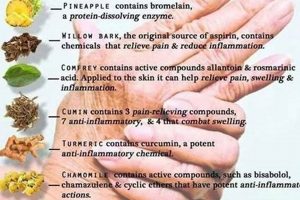
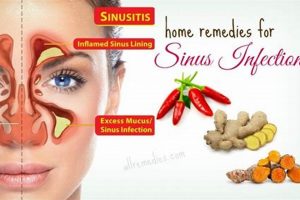
Tip 2: Explore Anti-Inflammatory Herbs with Caution: Certain botanical agents, such as turmeric (curcumin) or ginger, possess known anti-inflammatory properties. However, their suitability during a flare-up must be determined in consultation with a healthcare provider, as some substances may irritate the digestive tract.
Tip 3: Consider Gut-Soothing Options: Some individuals find that preparations like chamomile tea or slippery elm bark may provide a soothing effect on the digestive system. However, ensure that these options do not interfere with prescribed medications or exacerbate existing sensitivities.
Tip 4: Exercise Caution with Fiber Intake: During an acute flare-up, a low-fiber diet is typically recommended to reduce digestive strain. Discuss the appropriate timing and method for reintroducing fiber-rich plant-based foods with a healthcare professional.
Tip 5: Monitor for Allergic Reactions or Adverse Effects: As with any substance, adverse reactions to plant-based remedies are possible. Discontinue use immediately and seek medical attention if any allergic symptoms or unexpected side effects occur.
Tip 6: Ensure Product Quality and Safety: If considering herbal supplements, source products from reputable manufacturers that adhere to stringent quality control standards. Contamination and inaccurate labeling can pose significant health risks.
Tip 7: Be Aware of Potential Interactions: Many plant-based substances can interact with prescription medications or other supplements. Provide a complete list of all substances being taken to a healthcare provider to assess potential interactions.
The responsible integration of any plant-derived approaches requires careful consideration of individual circumstances and potential risks. Proactive communication with healthcare providers is the cornerstone of safe and effective management during episodes of diverticulitis.
The information provided here is intended to facilitate informed discussions with healthcare professionals. The subsequent sections of this document will further expand on related topics, including dietary considerations and lifestyle adjustments.
1. Consultation prerequisite

The utilization of plant-derived substances for diverticulitis flare-ups necessitates prior consultation with a qualified healthcare professional. This prerequisite is not merely a suggestion but a fundamental requirement for ensuring patient safety and optimizing treatment outcomes. The complexities of diverticular disease, combined with the potential interactions and contraindications associated with even seemingly benign substances, mandate a cautious and informed approach.
- Diagnostic Confirmation and Exclusion of Alternative Conditions
A definitive diagnosis of diverticulitis, established through appropriate medical imaging and evaluation, is the initial step. Symptoms mimicking diverticulitis can arise from other conditions, such as inflammatory bowel disease or even colorectal cancer. A healthcare provider can rule out these possibilities, ensuring that botanical options are not employed inappropriately in the face of a more serious underlying pathology.
- Assessment of Individual Medical History and Comorbidities
A comprehensive medical history is crucial. Existing health conditions, such as kidney disease, liver dysfunction, or bleeding disorders, can significantly influence the suitability of certain herbal remedies. Furthermore, the presence of allergies or sensitivities to specific plants must be carefully evaluated to prevent adverse reactions.
- Evaluation of Potential Drug Interactions
Many plant-derived substances possess the capacity to interact with prescription medications. For instance, certain herbs can affect blood clotting, potentially increasing the risk of bleeding in individuals taking anticoagulants. A healthcare provider can assess potential interactions and adjust medication regimens as necessary to minimize risks.
- Guidance on Appropriate Dosage and Formulation
The optimal dosage and formulation of botanical remedies can vary significantly depending on individual factors and the specific product. A healthcare professional can provide guidance on appropriate dosing strategies and recommend reputable sources to ensure product quality and safety. Self-administration without professional guidance can lead to ineffective treatment or, in some cases, adverse effects.
The consultation prerequisite ensures that the use of plant-derived substances is integrated into a comprehensive and individualized treatment plan. This approach minimizes potential risks, optimizes therapeutic benefits, and ultimately promotes patient well-being in the context of diverticulitis flare-ups. The failure to prioritize this essential step can have serious consequences, underscoring its non-negotiable nature in the responsible management of this condition.
2. Inflammation modulation
The efficacy of plant-derived substances in managing diverticulitis flare-ups is often attributed to their potential to modulate the inflammatory response within the affected areas of the colon. During a flare-up, diverticula become inflamed, leading to pain, cramping, and other associated symptoms. The goal of inflammation modulation is to reduce this inflammatory process, thereby alleviating the discomfort and promoting healing. Specific compounds found in certain plants are believed to interact with inflammatory pathways, potentially decreasing the production of pro-inflammatory molecules or enhancing the activity of anti-inflammatory agents. For instance, curcumin, derived from turmeric, has demonstrated anti-inflammatory properties in various in vitro and in vivo studies. Its potential use in managing diverticulitis stems from this mechanism, although clinical evidence specifically addressing this application remains limited.
The role of inflammation modulation as a component of plant-derived approaches cannot be overstated. Without addressing the underlying inflammation, symptomatic relief may be temporary or incomplete. Herbal remedies for diverticulitis flare up are often considered precisely because of their perceived ability to influence this inflammatory cascade. However, the strength and specificity of this effect can vary significantly among different plants and preparations. Furthermore, the bioavailability of active compounds, their absorption into the bloodstream, and their distribution to the affected tissues are critical factors that influence efficacy. The lack of standardized formulations and rigorous clinical trials poses a significant challenge in accurately assessing the true potential of plant-derived substances in modulating inflammation within the context of diverticulitis.
In summary, inflammation modulation represents a core rationale for exploring plant-derived remedies during diverticulitis flare-ups. While numerous substances possess documented anti-inflammatory properties, their effectiveness in this specific condition requires further investigation. A cautious and evidence-based approach, coupled with professional medical guidance, is essential to ensure that any attempt at inflammation modulation with plant-derived compounds is both safe and potentially beneficial. The inherent complexity of inflammatory processes and the variability of herbal preparations necessitate a nuanced understanding and a commitment to responsible use.
3. Gut-soothing potential

The alleviation of gastrointestinal distress stands as a primary objective in the management of diverticulitis flare-ups. The ‘gut-soothing potential’ of certain plant-derived substances is thus a central consideration when exploring such remedies, although the evidence supporting this potential varies.
- Reduction of Spasms and Cramping
Certain herbal preparations are believed to possess antispasmodic properties. These substances may help reduce the intensity of muscle spasms and cramping in the colon, common symptoms during a flare-up. For example, peppermint oil, containing menthol, has been shown to relax smooth muscle tissue, potentially easing discomfort. However, its direct efficacy in the context of diverticulitis requires further investigation.
- Mucosal Protection and Repair
Some botanical agents are thought to promote the healing and protection of the gastrointestinal mucosa. Slippery elm bark, for instance, contains mucilage, a substance that forms a soothing gel when mixed with water. This gel may coat the irritated lining of the colon, providing a protective barrier and potentially aiding in tissue repair. Yet, rigorous clinical data supporting its effectiveness in diverticulitis are limited.
- Anti-Inflammatory Effects
As previously discussed, inflammation is a key factor in diverticulitis flare-ups. Herbs with anti-inflammatory properties can indirectly contribute to the gut-soothing effect by reducing overall inflammation in the colon. This may lead to decreased pain and improved digestive function. However, not all anti-inflammatory herbs are necessarily gut-soothing; some may have irritating effects in certain individuals.
- Promotion of Healthy Gut Flora
Although not directly gut-soothing, some herbal remedies can indirectly support gut health by promoting a balanced gut microbiome. Prebiotic herbs, such as dandelion root, may provide nourishment for beneficial gut bacteria, potentially reducing dysbiosis that could exacerbate symptoms. However, during an active flare-up, drastic changes to gut flora may be counterproductive and should be carefully managed.
The perceived ‘gut-soothing potential’ of botanical options must be carefully weighed against their potential risks and the existing evidence base. While some individuals may experience symptomatic relief, these approaches should not be considered a substitute for conventional medical management. The integration of such remedies requires a discerning and cautious approach, guided by professional healthcare advice, especially when dealing with the complexities of diverticulitis.
4. Fiber considerations

The role of dietary fiber in the management of diverticulitis and its potential intersection with plant-derived remedies constitutes a nuanced area of consideration. While fiber is generally recognized as beneficial for long-term digestive health, its management during an acute flare-up necessitates careful evaluation. Certain herbal approaches may influence or be influenced by the prevailing fiber intake.
- Fiber Restriction During Acute Inflammation
During an active diverticulitis flare-up, a low-fiber diet is typically recommended to minimize colonic distension and reduce the workload on the inflamed tissues. Introducing high-fiber plant-based remedies, such as psyllium husk or flaxseed, during this phase could potentially exacerbate symptoms. Therefore, concurrent use should be carefully considered and guided by a healthcare professional.
- Fiber Reintroduction and Maintenance
As the acute phase subsides, a gradual reintroduction of fiber-rich foods is often advised. Plant-derived substances that promote gut motility or possess prebiotic properties may be considered to support this transition. However, the timing and method of introducing such remedies should be coordinated with the overall dietary plan to avoid overwhelming the digestive system.
- Soluble vs. Insoluble Fiber Considerations
The type of fiber may influence its impact on diverticular disease. Soluble fiber, found in foods like oats and apples, absorbs water and forms a gel-like substance, which can ease stool passage. Insoluble fiber, present in wheat bran and some vegetables, adds bulk to the stool. The selection of plant-derived remedies containing specific fiber types should align with individual tolerance and the recommendations of a healthcare provider.
- Potential Interactions with Herbal Remedies
Certain herbal preparations may interact with fiber, either enhancing or diminishing its effects. For instance, a demulcent herb like slippery elm bark, when taken with fiber, could potentially slow down the absorption of other nutrients or medications. Conversely, fiber may alter the bioavailability of certain herbal compounds. These potential interactions warrant careful consideration and, when possible, timing separation between fiber intake and herbal remedy administration.
In summary, fiber management represents a critical component in the overall management of diverticulitis. The integration of plant-derived remedies must be carefully coordinated with the individual’s fiber intake, taking into account the stage of the disease, the type of fiber, and potential interactions. This integrated approach underscores the importance of professional guidance in navigating the complexities of diverticular disease and the use of herbal interventions.
5. Adverse reaction vigilance
The administration of plant-derived substances during a diverticulitis flare-up necessitates diligent monitoring for adverse reactions. While often perceived as ‘natural’ or benign, botanical remedies possess the potential to induce a range of untoward effects, ranging from mild gastrointestinal discomfort to severe allergic responses. The etiology of these adverse reactions can stem from various factors, including inherent toxicity of the plant, contamination during processing, inaccurate identification of the plant species, or interactions with concurrently administered medications. A failure to exercise adequate vigilance can result in delayed recognition of adverse effects, potentially exacerbating the patient’s condition and complicating subsequent treatment. For instance, an individual with a previously undiagnosed allergy to chamomile might experience anaphylaxis following its ingestion as a gut-soothing remedy, underscoring the critical need for careful observation and prompt intervention.
The importance of adverse reaction vigilance is magnified by the inherent complexities of herbal medicine. Unlike pharmaceutical drugs, herbal preparations often contain a multitude of bioactive compounds, the precise composition of which can vary depending on factors such as growing conditions and extraction methods. This variability makes it challenging to predict the potential for adverse effects and to establish clear dose-response relationships. Furthermore, many herbal remedies lack rigorous scientific evaluation, leaving practitioners with limited data on their safety profiles. In practical terms, this translates to the need for patients to maintain a detailed log of any changes in their symptoms following the initiation of herbal treatment, and for healthcare providers to proactively inquire about the use of such remedies during patient consultations.
In conclusion, adverse reaction vigilance forms a cornerstone of safe and responsible utilization of plant-derived substances during diverticulitis flare-ups. Challenges remain in accurately predicting and mitigating the risk of adverse effects due to the inherent variability of herbal products and the paucity of comprehensive safety data. However, by prioritizing proactive monitoring, fostering open communication between patients and healthcare providers, and maintaining a high index of suspicion, it is possible to minimize the potential harm associated with these therapies. The ultimate goal is to harness any potential benefits while safeguarding patient well-being.
6. Quality assurance

Quality assurance constitutes a critical element in the safe and effective utilization of plant-derived substances during diverticulitis flare-ups. The inherent variability in herbal products, coupled with the potential for contamination and misidentification, necessitates stringent quality control measures throughout the production process. These measures aim to ensure that the final product is both safe for consumption and possesses the purported therapeutic properties.
- Source Material Authentication
Accurate identification of the plant species used in the remedy is paramount. Adulteration with incorrect or even toxic plants can have severe consequences. Reputable manufacturers employ botanical experts and advanced analytical techniques, such as DNA barcoding or microscopy, to verify the identity and purity of the raw plant material. This authentication process serves as the foundation of quality assurance.
- Cultivation and Harvesting Practices
The methods used to cultivate and harvest the plant material can significantly impact the quality of the final product. Plants grown in contaminated soil may accumulate heavy metals or pesticides. Sustainable harvesting practices are essential to prevent depletion of natural resources and to ensure the long-term availability of high-quality raw materials. Adherence to Good Agricultural and Collection Practices (GACP) helps minimize the risk of contamination and ensures consistent quality.
- Manufacturing and Extraction Processes
The extraction methods employed to isolate the active compounds from the plant material can influence the potency and purity of the final product. Suboptimal extraction techniques may result in low concentrations of the desired compounds or the presence of unwanted contaminants. Good Manufacturing Practices (GMP) mandate strict adherence to standardized procedures, quality control testing, and proper documentation throughout the manufacturing process to ensure product consistency and safety.
- Testing and Certification
Independent laboratory testing is crucial to verify the identity, purity, and potency of herbal remedies. Testing should include analysis for heavy metals, pesticides, microbial contamination, and the presence of specific active compounds. Third-party certification programs, such as those offered by the U.S. Pharmacopeia (USP) or NSF International, provide an additional layer of assurance that the product meets established quality standards.
The absence of robust quality assurance measures can compromise the safety and efficacy of herbal remedies for diverticulitis flare-ups. Patients should prioritize products from reputable manufacturers who demonstrate a commitment to quality control and transparency. Seeking products that have undergone third-party testing and certification can further mitigate the risks associated with herbal interventions, promoting safer and more predictable outcomes.
Frequently Asked Questions
This section addresses common inquiries regarding the application of plant-derived substances in managing diverticulitis flare-ups. It is crucial to reiterate that this information should not substitute professional medical advice.
Question 1: Are herbal remedies a replacement for conventional medical treatment during a diverticulitis flare-up?
No, herbal remedies should not replace conventional medical treatment. Acute diverticulitis often requires antibiotics and, in severe cases, hospitalization. Herbal approaches may be considered as adjunctive therapies only under the guidance of a healthcare professional.
Question 2: What is the general timeline for seeing results when using herbal remedies for a flare-up?
The timeline for experiencing noticeable effects from herbal remedies can vary significantly based on individual factors, the specific herb used, and the severity of the flare-up. Some individuals might experience mild symptomatic relief within a few days, while others may not perceive any benefits. It is crucial to maintain realistic expectations and promptly report any lack of improvement or worsening of symptoms to a healthcare provider.
Question 3: How does one ascertain the safety of a particular herbal remedy during a flare-up?
Determining the safety of an herbal remedy requires a multi-faceted approach. Begin by consulting a qualified healthcare professional to discuss potential risks and interactions. Source products from reputable manufacturers with stringent quality control measures. Start with a low dose and monitor closely for any adverse reactions. Discontinue use immediately if any concerning symptoms arise.
Question 4: Can herbal remedies prevent future diverticulitis flare-ups?
While some herbal remedies may possess properties that could potentially support long-term gut health, there is currently insufficient scientific evidence to definitively state that they can prevent future flare-ups. Lifestyle modifications, such as maintaining a high-fiber diet (outside of acute flare-ups) and adequate hydration, remain the cornerstone of prevention.
Question 5: What are the potential risks of self-treating a diverticulitis flare-up with herbal remedies?
Self-treating can lead to delayed diagnosis of underlying complications, inappropriate use of ineffective therapies, and potential interactions with existing medications. It is essential to seek prompt medical attention for proper evaluation and management.
Question 6: Are there specific herbs that are universally contraindicated during a diverticulitis flare-up?
While specific contraindications vary depending on individual factors, certain herbs with strong laxative effects or those known to irritate the digestive tract are generally avoided during a flare-up. It is imperative to consult with a healthcare professional to identify any potential contraindications based on individual medical history and current medications.
In summary, the responsible use of herbal remedies for diverticulitis requires careful consideration, professional guidance, and a commitment to evidence-based decision-making. The information presented here is intended to enhance awareness but should not replace personalized medical advice.
The subsequent section will delve into dietary and lifestyle recommendations for managing diverticulitis and supporting overall gut health.
Conclusion
The preceding discussion has explored various facets of plant-derived substances employed during episodes of diverticular inflammation. The analysis underscored the importance of professional medical guidance, the potential for inflammation modulation and gut-soothing effects, the nuanced role of fiber, the critical need for adverse reaction vigilance, and the necessity of stringent quality assurance. Each of these elements contributes to a framework for responsible decision-making when considering the integration of “herbal remedies for diverticulitis flare up”.
The judicious use of botanical interventions demands a commitment to evidence-based practices and an unwavering focus on patient safety. While anecdotal reports and historical traditions may inform the exploration of potential remedies, rigorous scientific evaluation remains essential to validate efficacy and delineate potential risks. Therefore, ongoing research and collaboration between healthcare professionals and researchers are crucial to further elucidate the role of “herbal remedies for diverticulitis flare up” within a comprehensive management strategy.