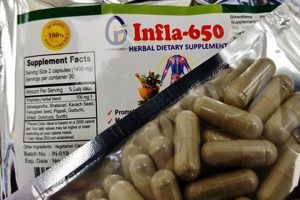
Products marketed to support or increase milk production in breastfeeding individuals, derived from plant-based sources, are a growing area of interest. These products often contain ingredients like fenugreek, blessed thistle, and fennel, purported to have galactagogue properties. Manufacturers offer these products in various forms, including capsules, teas, and tinctures, readily available through online retailers and health food stores.
The appeal of using natural remedies to aid lactation stems from a desire for gentler interventions and a perception of greater safety compared to pharmaceutical options. Historically, many cultures have incorporated specific herbs into their diets to support breastfeeding. While some anecdotal evidence and traditional use suggest potential benefits, rigorous scientific validation for the effectiveness and safety profiles of these supplements remains limited. Understanding the evidence base is crucial.
The subsequent sections will delve into the scientific evidence surrounding common plant-based ingredients, explore potential risks and interactions, provide guidance on responsible usage, and examine the regulatory landscape surrounding these widely available products intended to enhance lactation.
Guidance on the Use of Plant-Based Lactation Aids
The following provides focused guidance for individuals considering the incorporation of plant-derived products to support breastfeeding. This information is not a substitute for professional medical advice; consultation with a healthcare provider is essential.
Tip 1: Prioritize Consultation: Engage in a thorough discussion with a physician, lactation consultant, or qualified healthcare professional before initiating any herbal supplementation. This step is paramount to assess individual suitability and address potential contraindications.
Tip 2: Verify Ingredient Information: Carefully examine the product label to confirm the listed ingredients, their dosages, and the presence of any potential allergens or excipients. Seek products that provide transparent and detailed information.
Tip 3: Start with a Conservative Approach: When initiating the use of a product, begin with the lowest recommended dosage and gradually increase it while closely monitoring for any adverse reactions or changes in milk production.
Tip 4: Monitor Infant Response: Observe the infant for any signs of intolerance, such as changes in feeding behavior, digestive issues, or skin reactions. Discontinue use immediately if any concerning symptoms arise.
Tip 5: Assess Quality and Sourcing: Opt for products from reputable manufacturers that adhere to quality control standards and provide information regarding sourcing and manufacturing processes. Third-party certifications may offer additional assurance.
Tip 6: Be Aware of Potential Interactions: Recognize that plant-based ingredients can interact with medications or pre-existing health conditions. Disclosure of all medications and supplements to a healthcare provider is crucial.
Tip 7: Manage Expectations: Understand that the efficacy of products containing plant-derived substances can vary significantly among individuals. Evidence-based support for many traditional remedies remains limited, and individual results may not align with anecdotal claims.
Prudent use of plant-based aids requires informed decision-making, careful monitoring, and proactive communication with healthcare professionals. The potential benefits must be weighed against potential risks based on individual circumstances.
The subsequent sections will delve deeper into specific plant-based ingredients and their impact on milk production, providing further context for responsible consumption.
1. Ingredient Safety

Ingredient safety is a paramount concern when evaluating plant-based products intended to support lactation. The inherent “natural” origin of an ingredient does not automatically guarantee its safety, particularly for the breastfeeding individual and the infant. Thorough examination of potential risks associated with each component is essential.
- Allergenicity
Many plant-derived substances possess allergenic potential. Exposure to allergens through maternal ingestion can result in sensitization or allergic reactions in the infant. Careful consideration of common allergens, such as those present in fenugreek (related to peanuts and soybeans), is crucial for individuals with known allergies or a family history of allergic conditions. Label review and awareness of cross-reactivity are vital.
- Toxicity
Certain plants contain compounds with inherent toxicity. While processing methods may reduce the concentration of these substances, residual levels can still pose a risk, particularly to infants who are more susceptible to toxic effects. For instance, some traditional galactagogues contain pyrrolizidine alkaloids, which can cause liver damage with prolonged exposure. Product sourcing and manufacturing processes should be scrutinized to minimize the presence of toxic compounds.
- Contamination
Plant-based ingredients are susceptible to contamination from various sources, including heavy metals, pesticides, and microbial pathogens. Soil composition, agricultural practices, and manufacturing environments all influence the potential for contamination. Rigorous testing and quality control measures are necessary to ensure that products meet established safety standards and are free from harmful contaminants. Certificates of analysis from independent laboratories can provide assurance of product purity.
- Variability in Composition
The chemical composition of plant-derived ingredients can vary significantly depending on factors such as geographic origin, growing conditions, and harvesting methods. This variability can lead to inconsistencies in the concentration of active compounds and potential variations in product efficacy and safety. Standardization of plant extracts, where specific compounds are consistently measured and adjusted, is crucial to ensure consistent product quality and predictability.
These facets of ingredient safety collectively underscore the importance of cautious consideration when using these products to support lactation. Awareness of potential allergens, toxins, contaminants, and compositional variability are crucial for the mother and infant’s well-being. Thorough research and consultation with healthcare professionals are recommended to mitigate potential risks. Careful evaluation of product sourcing and manufacturing practices is imperative to guarantee quality and safety.
2. Scientific Evidence

The nexus between scientific evidence and plant-derived lactation products is characterized by a significant disparity. While traditional use and anecdotal reports suggest potential galactagogue effects for various herbs, rigorous scientific substantiation frequently lags behind marketing claims. This absence of robust data creates a challenge for healthcare providers and consumers seeking to make informed decisions regarding their use. Cause-and-effect relationships are often presumed based on traditional practices, yet these associations require validation through controlled clinical trials.
The importance of scientific evidence in this domain stems from the need to objectively assess efficacy and safety. Without properly designed studies, it is impossible to differentiate genuine galactagogue effects from placebo responses or natural variations in milk production. Furthermore, scientific evaluation helps to identify potential risks, such as adverse reactions or interactions with medications. For example, fenugreek, a widely used ingredient, has demonstrated mixed results in clinical trials, with some studies showing a modest increase in milk production while others report no significant effect. The variable methodologies and small sample sizes of many existing studies contribute to the uncertainty.
Understanding the limitations of the existing evidence base is crucial for responsible use of plant-based products intended to support lactation. While traditional knowledge can inform avenues of inquiry, it is not a substitute for scientific validation. Challenges include the ethical considerations of conducting research on breastfeeding mothers and infants, as well as the inherent complexity of lactation physiology. Moving forward, well-designed, adequately powered clinical trials are needed to rigorously evaluate the efficacy and safety of specific herbal ingredients and formulations, thereby bridging the gap between traditional use and evidence-based practice.
3. Quality Control

Quality control is an indispensable aspect of the herbal lactation supplement industry, significantly impacting product safety, efficacy, and overall consumer confidence. Given that these supplements are ingested by breastfeeding mothers and, indirectly, their infants, stringent quality control measures are not merely advisable but essential to mitigate potential risks and ensure product integrity.
- Raw Material Sourcing and Authentication
The quality of herbal supplements begins with the source and authentication of the raw materials. Plant species can vary greatly in chemical composition and potency based on factors such as geographic location, growing conditions, and harvesting practices. Proper authentication, often involving macroscopic and microscopic analysis, as well as chemical fingerprinting, is crucial to verify the correct species and prevent adulteration with inferior or potentially harmful substitutes. Without meticulous sourcing and authentication, the efficacy and safety of the final product are inherently compromised. For example, substitution of a related but inactive plant for fenugreek would render the supplement ineffective.
- Manufacturing Practices and Standardization
Manufacturing processes must adhere to Good Manufacturing Practices (GMP) to minimize the risk of contamination, degradation, and inconsistent potency. GMP guidelines encompass hygiene protocols, equipment maintenance, process validation, and documentation. Standardization of herbal extracts, achieved through the quantification of specific marker compounds, is vital to ensure batch-to-batch consistency. Without standardization, the dosage of active constituents can vary widely, leading to unpredictable effects and potential under- or over-exposure. Consider, for instance, a supplement containing blessed thistle; consistent levels of cnicin, a bioactive compound, are necessary to ensure predictable efficacy.
- Contaminant Testing and Residue Analysis
Herbal supplements are susceptible to contamination from various sources, including heavy metals, pesticides, microbial pathogens, and mycotoxins. Rigorous testing for these contaminants is necessary to ensure that products meet established safety limits. Heavy metals, such as lead and mercury, can accumulate in plant tissues from contaminated soil or water, posing a significant health risk, especially to infants. Similarly, pesticide residues from agricultural practices can persist in herbal materials, even after processing. Testing methodologies should include sensitive analytical techniques, such as inductively coupled plasma mass spectrometry (ICP-MS) for heavy metals and gas chromatography-mass spectrometry (GC-MS) for pesticide residues.
- Stability Testing and Shelf-Life Determination
The potency and stability of herbal supplements can degrade over time due to factors such as temperature, humidity, and light exposure. Stability testing, involving the analysis of product samples at various time points under controlled conditions, is essential to determine the shelf-life and ensure that the product retains its claimed potency until the expiration date. Degradation of active compounds can lead to a loss of efficacy, while the formation of degradation products can potentially compromise safety. For example, the degradation of compounds in a fennel supplement could lead to a decrease in its purported galactagogue effect.
These components of quality control are interconnected, collectively contributing to the assurance of safe and effective herbal lactation supplements. Omission or compromise in any of these areas can have serious implications for maternal and infant health, potentially undermining the benefits and creating unwarranted risks. Vigilant adherence to quality control standards is thus a prerequisite for responsible manufacturing and marketing of these products.
4. Potential Interactions

The concurrent use of plant-derived galactagogues alongside pharmaceutical agents or in individuals with pre-existing medical conditions introduces the possibility of interactions that can compromise safety or efficacy. Understanding these interactions is crucial for mitigating potential adverse effects and ensuring optimal outcomes for both the breastfeeding parent and infant.
- Herb-Drug Interactions
Plant-based ingredients can interact with prescription or over-the-counter medications, altering their absorption, metabolism, or excretion. For example, fenugreek may potentiate the effects of anticoagulant medications, increasing the risk of bleeding. Similarly, certain herbal constituents can inhibit or induce cytochrome P450 enzymes, which play a critical role in drug metabolism, potentially leading to altered drug levels and therapeutic effects. Concurrent use requires careful evaluation and, in some cases, dosage adjustments or alternative therapies.
- Herb-Condition Interactions
Pre-existing medical conditions can be exacerbated by the use of herbal lactation supplements. Individuals with hormonal sensitivities, such as those with a history of estrogen-dependent cancers, should exercise caution when using herbs with estrogenic activity, such as fennel or anise. Similarly, individuals with thyroid disorders should be mindful of the iodine content in certain seaweeds sometimes included in lactation blends, as excessive iodine intake can affect thyroid function. Consultation with a healthcare provider is essential to assess the potential for herb-condition interactions based on individual medical history.
- Impact on Laboratory Values
Plant-derived compounds can interfere with laboratory tests, leading to inaccurate results and potentially influencing clinical decision-making. For instance, high doses of biotin, often found in multivitamin supplements, can interfere with thyroid hormone assays, leading to falsely elevated or depressed results. Similarly, certain herbal ingredients can affect blood glucose levels or liver function tests, potentially confounding the interpretation of diagnostic results. Disclosure of all herbal supplement use to healthcare providers is crucial to ensure accurate interpretation of laboratory values.
- Additive or Synergistic Effects
The combined use of multiple herbal ingredients or the concurrent use of herbal supplements with other galactagogue medications can result in additive or synergistic effects, potentially amplifying both the therapeutic benefits and the risks. While synergistic effects may enhance milk production, they can also increase the likelihood of adverse reactions or drug interactions. For example, combining fenugreek with domperidone, a prescription galactagogue, may have additive effects on milk production but also increase the risk of side effects. Careful monitoring and dosage adjustments are warranted when combining multiple galactagogues.
These potential interactions underscore the importance of comprehensive assessment and individualized management when considering herbal products intended to support lactation. Transparency with healthcare providers regarding all medications, supplements, and medical conditions is crucial to ensure safe and effective use, minimizing the risk of adverse outcomes and maximizing the potential benefits for both mother and infant. The complexities of herbal interactions necessitate a cautious and informed approach.
5. Dosage Guidelines

Dosage guidelines are a critical, yet often inconsistently addressed, element within the domain of plant-derived lactation support. Variability in the concentration of active compounds within herbal ingredients, coupled with individual differences in metabolism and sensitivity, renders standardized dosage recommendations challenging. The absence of clear, evidence-based dosage parameters can contribute to both inefficacy and potential adverse effects. For instance, while fenugreek is commonly used, the effective dosage range varies significantly, and excessive consumption may paradoxically decrease milk supply in some individuals. The lack of standardized extraction methods and quality control further compounds the issue, as the actual amount of active compounds present in different products may differ significantly, irrespective of the labeled dosage. Therefore, a generalized recommendation without considering individual factors and product-specific analysis poses risks.
The practical significance of adhering to appropriate dosage guidelines extends beyond mere effectiveness. Excessive intake of certain herbs, such as blessed thistle, may lead to gastrointestinal distress in both the mother and the infant. Furthermore, some plant-based compounds can accumulate in breast milk, potentially affecting the infant’s physiology. Anise, for example, contains anethole, a compound with estrogenic activity, and high levels in breast milk could theoretically influence the infant’s hormonal balance. The challenge lies in determining the optimal balance between efficacy and safety, which necessitates a personalized approach guided by healthcare professionals and supported by transparent product information detailing the concentration of active constituents. Responsible usage inherently necessitates consideration of age, body weight, and pre-existing medical conditions, as well as the concurrent use of other medications or supplements.
In conclusion, dosage guidelines for plant-derived lactation aids represent a complex and often under-addressed area. The interplay between individual variability, product standardization, and potential adverse effects underscores the need for caution and informed decision-making. Moving forward, greater emphasis on research to establish evidence-based dosage recommendations, coupled with enhanced quality control and transparent product labeling, is essential to ensure the safe and effective use of these supplements. Consultation with a healthcare provider remains paramount to individualize dosage strategies and mitigate potential risks, given the present limitations of standardized guidelines. The overall benefit lies in approaching this option with a cautious and informed awareness.
Frequently Asked Questions
The following questions address common inquiries and concerns regarding the use of plant-derived products intended to support or enhance milk production. The information provided is for general knowledge and does not substitute professional medical advice. Consultation with a qualified healthcare provider is essential before initiating any supplement regimen.
Question 1: Are herbal lactation supplements safe for both the breastfeeding parent and infant?
The safety of herbal lactation supplements remains a complex consideration. While many plant-derived ingredients have a long history of traditional use, rigorous scientific evidence supporting their safety and efficacy is often limited. Potential risks include allergic reactions, interactions with medications, and contamination with heavy metals or pesticides. Prudent evaluation and consultation with a healthcare provider are imperative to assess individual suitability and mitigate potential harm.
Question 2: How effective are herbal lactation supplements in increasing milk production?
The efficacy of plant-derived galactagogues varies significantly among individuals, and the scientific evidence supporting their effectiveness is often inconsistent. Some studies suggest modest improvements in milk production with certain herbs, such as fenugreek, while others demonstrate no significant effect. Factors such as dosage, product quality, and individual physiology can influence the outcome. Management should not solely rely on these supplements, and lactation support is essential.
Question 3: Can herbal lactation supplements interact with medications?
Plant-derived ingredients can interact with prescription or over-the-counter medications, potentially altering their absorption, metabolism, or excretion. For instance, certain herbs can potentiate the effects of anticoagulant drugs, increasing the risk of bleeding. Disclosure of all medications and supplements to a healthcare provider is crucial to identify and manage potential drug interactions.
Question 4: What are the potential side effects of herbal lactation supplements?
Side effects associated with herbal lactation supplements can vary depending on the specific ingredients and individual sensitivity. Common side effects may include gastrointestinal upset, allergic reactions, and changes in blood sugar levels. Less common but potentially serious side effects may include liver toxicity or hormonal imbalances. Vigilant monitoring and prompt reporting of any adverse symptoms to a healthcare provider are essential.
Question 5: How should herbal lactation supplements be chosen and used responsibly?
Responsible use of plant-derived lactation aids requires careful evaluation of product quality, sourcing, and ingredient information. Opting for products from reputable manufacturers that adhere to Good Manufacturing Practices (GMP) and provide third-party certifications is recommended. Initiate use with the lowest recommended dosage and gradually increase while closely monitoring for any adverse reactions or changes in milk production. This necessitates being proactive with all medical information.
Question 6: Are herbal lactation supplements regulated by government agencies?
The regulatory landscape surrounding herbal supplements is less stringent compared to pharmaceuticals. In many regions, these products are classified as dietary supplements and are not subject to the same level of pre-market evaluation or approval. This can lead to variability in product quality and labeling accuracy. Consumers must exercise caution and conduct thorough research before using any unregulated herbal product.
The information provided here underscores the importance of informed decision-making, professional consultation, and responsible usage when considering herbal lactation supplements. While these products may offer potential benefits, a cautious and evidence-based approach is essential to ensure maternal and infant safety.
The next section will address the regulatory landscape and legal considerations surrounding herbal supplements intended to support lactation, further emphasizing the importance of informed consumer choices.
Herbal Lactation Supplements
This exploration of products marketed to support lactation through plant-derived ingredients reveals a landscape characterized by both potential and limitations. While historical precedent and anecdotal evidence underpin the use of various herbs, the scientific validation of their efficacy and safety frequently lags behind. Significant variability in product quality, inconsistent dosage guidelines, and the potential for interactions with medications or pre-existing conditions necessitate cautious consideration.
The responsible utilization of herbal lactation supplements demands a commitment to informed decision-making, transparent communication with healthcare providers, and a discerning approach to product selection. Pending further rigorous scientific investigation and enhanced regulatory oversight, the benefits must be carefully weighed against the potential risks, prioritizing the well-being of both the breastfeeding parent and infant. A critical and evidence-based mindset is essential for navigating this complex domain.