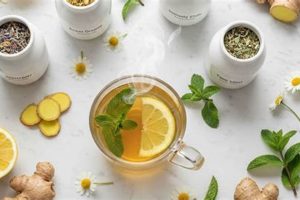
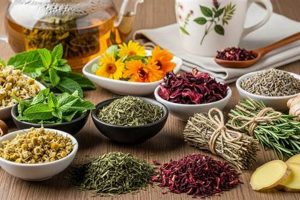
A festive beverage option, this infusion combines various dried herbs, spices, and sometimes fruits, to create a warming and flavorful drink associated with the holiday season. Common ingredients include cinnamon, cloves, ginger, orange peel, and hibiscus, offering a naturally caffeine-free alternative to traditional teas or coffees. It is often consumed during the winter months for its comforting taste and potential wellness properties.
Such blends can be valuable for promoting relaxation, aiding digestion, and providing a source of antioxidants. The inclusion of spices like cinnamon and cloves contributes to its aromatic profile and may offer anti-inflammatory benefits. Historically, herbal infusions have been used for medicinal purposes and as a way to enjoy seasonal flavors in a health-conscious manner, establishing them as a cherished part of winter celebrations.
The following sections will delve into the specific ingredients often found in these holiday-inspired concoctions, explore their potential health benefits, and offer guidance on creating a personalized blend to enhance the seasonal experience.
Tips for Optimizing the Experience
Achieving optimal enjoyment and benefit from a spiced herbal infusion requires attention to several key factors, from ingredient selection to preparation techniques. The following tips offer guidance for maximizing the potential of these seasonal beverages.
Tip 1: Select High-Quality Ingredients: Prioritize purchasing organic or sustainably sourced herbs and spices. This ensures a purer flavor profile and minimizes exposure to pesticides or other unwanted chemicals. Inspect ingredients for freshness; vibrant colors and strong aromas indicate optimal quality.
Tip 2: Consider Individual Preferences: Tailor the blend to suit personal tastes. Experiment with different combinations of herbs, spices, and fruits to achieve the desired flavor profile. For instance, those who prefer a sweeter beverage may include dried apple pieces, while others may opt for a spicier blend with increased ginger or cloves.
Tip 3: Master the Art of Infusion: Use filtered water heated to the appropriate temperature for the ingredients. Overly hot water can scorch delicate herbs, resulting in a bitter taste. Typically, a temperature of around 200-212F (93-100C) is suitable. Steep the blend for the recommended duration, usually 5-7 minutes, to allow for optimal flavor extraction.
Tip 4: Employ Proper Storage Techniques: Store the dry blend in an airtight container away from direct sunlight and moisture. This preserves the flavor and potency of the ingredients. Properly stored, the blend can maintain its quality for several months.
Tip 5: Prioritize Glassware: Use non-reactive glassware when brewing to avoid altering the flavor. Metals can sometimes impart a metallic taste, affecting the beverage’s overall quality.
Tip 6: Consider Blending Complementary Herbs: Certain herbs, like chamomile or lemon balm, can enhance relaxation. If the intent is to create a calming beverage, the inclusion of these ingredients can be beneficial.
By following these tips, individuals can enhance the experience, ensuring a flavorful and beneficial seasonal beverage. Paying attention to ingredient quality, preparation methods, and storage practices will contribute significantly to the overall enjoyment and potential wellness benefits.
The next section will address potential considerations for health conditions and provide advice on safe consumption practices.
1. Ingredients

The composition of a festive herbal infusion fundamentally depends on the judicious selection of herbs, spices, and fruits. These elements are not merely additions but rather the core determinants of the resulting beverage’s flavor profile, potential health benefits, and overall seasonal appropriateness. Each component contributes distinct characteristics, influencing the tea’s aromatic complexity and perceived value.
- Herbal Base and Character
The selection of herbs forms the foundational character of the blend. Herbs such as chamomile or lemon balm contribute calming properties and delicate floral notes, creating a soothing effect. Peppermint or spearmint, on the other hand, introduce a refreshing quality. The careful blending of different herbs allows for the creation of nuanced flavor profiles tailored to specific preferences or intended effects.
- Spice Infusion and Warmth
Spices constitute a critical element, imparting warmth, depth, and aromatic complexity. Cinnamon, cloves, and ginger are commonly incorporated for their characteristic festive aromas and potential anti-inflammatory properties. Cardamom offers a more subtle, exotic note, while star anise introduces a distinct licorice-like flavor. The proper balance of spices is crucial to achieving a harmonious blend that avoids overwhelming the other ingredients.
- Fruit Accents and Sweetness
Dried fruits provide natural sweetness and add supplementary flavor dimensions. Orange peel, apple pieces, and cranberries are frequent inclusions, imparting citrusy, fruity, or tart notes, respectively. The use of fruits not only enhances the overall taste but also contributes to the visual appeal of the blend, especially when whole pieces are used. The degree of sweetness and tartness can be adjusted based on the type and quantity of fruit added.
- Synergistic Blending Considerations
The ultimate success of a festive infusion lies in the skillful blending of these diverse components. Consideration must be given to the proportions of each ingredient to ensure a balanced and harmonious flavor profile. Furthermore, the potential synergistic effects between different herbs, spices, and fruits should be considered to maximize both the taste and potential wellness benefits of the final beverage. Achieving this balance requires experimentation and an understanding of the individual characteristics of each ingredient.
In summary, the strategic use of herbs, spices, and fruits is paramount in creating a well-rounded, flavorful, and seasonally appropriate infusion. The selection and proportion of each ingredient dictate the overall experience, highlighting the importance of thoughtful experimentation and a keen understanding of flavor pairings to achieve a truly exceptional beverage.
2. Flavor Profile

The flavor profile described as “warm, aromatic, festive” is intrinsically linked to the cultural perception and sensory experience associated with a holiday-themed herbal infusion. This profile serves as a defining characteristic, influencing consumer expectations and driving the selection of specific ingredients and preparation methods.
- Warmth: The Foundation of Comfort
The sensation of warmth, both in temperature and flavor, is a cornerstone of the festive experience. Spices such as cinnamon, cloves, and ginger contribute to this warmth through their inherent heat and aromatic properties. This element of warmth evokes feelings of comfort, relaxation, and security, which are frequently associated with the holiday season and desired in seasonal beverages.
- Aromatic Complexity: Evoking Memories
Aromatics play a vital role in shaping the overall flavor profile and triggering memories and emotions associated with past holiday experiences. The combination of various spices, herbs, and fruits creates a complex and layered aromatic experience. For example, the scent of pine from rosemary or citrus from orange peel can instantly transport individuals to cherished moments, enhancing the overall sense of festivity. The aromatic quality is also influenced by the preparation method, as steeping allows the volatile compounds to be released and fully appreciated.
- Festive Flavors: Cultural Connotations
Certain flavors have become culturally synonymous with the holiday season. These include the aforementioned cinnamon, cloves, and ginger, as well as nutmeg, allspice, and cranberries. The inclusion of these flavors in herbal blends reinforces the association with traditional holiday foods and beverages, creating a sense of familiarity and nostalgia. The selection of these flavors is often dictated by regional preferences and historical traditions.
- Balancing Act: Harmony and Intricacy
Achieving the desired “warm, aromatic, festive” flavor profile requires a careful balancing act. The individual components must be harmonized to create a cohesive and pleasing sensory experience. Overuse of a single spice or herb can disrupt this balance, leading to an overpowering or unpleasant taste. The goal is to create a blend that is both complex and inviting, capturing the essence of the holiday season in a single cup.
In essence, the “warm, aromatic, festive” flavor profile is not merely a description but a carefully constructed sensory experience that encapsulates the essence of the holiday season. The strategic selection and combination of ingredients is paramount in achieving this profile, ensuring that the infusion evokes the desired emotions and memories associated with this time of year. The success of an herbal holiday tea often depends on its ability to effectively deliver this sought-after flavor profile.
3. Preparation
The preparation of a holiday-themed herbal infusion is significantly influenced by the infusion process and the precise duration of steeping. These parameters are crucial for extracting the desired flavors and beneficial compounds from the herbs, spices, and fruits, thus shaping the final quality of the beverage.
- Water Temperature and Extraction
Water temperature directly affects the rate and extent of extraction of soluble compounds from the botanical ingredients. Overly hot water can scorch delicate herbs, resulting in a bitter or astringent taste, while insufficiently hot water may lead to under-extraction, producing a weak and flavorless infusion. Ideal water temperature typically ranges from 200-212F (93-100C), although adjustments may be necessary based on the specific ingredients in the blend. For example, green tea elements within a holiday infusion might require a lower temperature to avoid bitterness.
- Steeping Time and Flavor Development
The duration of steeping critically influences the development of the flavor profile. Shorter steeping times, generally 3-5 minutes, yield lighter and more delicate flavors, while longer steeping times, up to 7-10 minutes, result in richer, more robust infusions. However, excessive steeping can lead to the release of tannins and other undesirable compounds, causing bitterness. The optimal steeping time should be determined based on the specific composition of the herbal blend and the desired intensity of flavor.
- Vessel Material and Heat Retention
The material of the steeping vessel can impact heat retention and, consequently, the consistency of the infusion process. Glass or ceramic vessels are generally preferred for their inertness and ability to maintain water temperature relatively consistently. Metal vessels, while efficient at conducting heat, may impart a metallic taste to the infusion and are not recommended for prolonged steeping. Pre-warming the vessel can also help to stabilize the temperature during the infusion process.
- Filtration and Clarity
Effective filtration is essential for removing solid particles from the finished infusion, resulting in a clear and visually appealing beverage. Various filtration methods are available, including tea infusers, muslin cloths, and paper filters. The choice of filtration method can influence the texture and clarity of the infusion. Fine-mesh infusers are generally effective at removing most particles, while paper filters may remove finer sediment for a more pristine appearance.
In conclusion, the infusion process and steeping time are integral to optimizing the flavor and quality of festive herbal blends. Careful attention to water temperature, steeping duration, vessel material, and filtration techniques is necessary to unlock the full potential of the herbal ingredients and create a beverage that embodies the desired seasonal characteristics. Deviation from optimal preparation methods can result in a compromised flavor profile and diminished enjoyment of the infusion.
4. Benefits
Festive herbal infusions offer potential physiological benefits spanning wellness, relaxation, and digestion, primarily attributed to the inherent properties of their botanical components. These benefits often complement the psychological comfort associated with seasonal traditions, contributing to a holistic sense of well-being.
- Wellness: Antioxidant and Immune Support
Many ingredients commonly found in these festive blends, such as hibiscus, rosehips, and citrus peels, are rich in antioxidants, including vitamin C and various polyphenols. Antioxidants help to neutralize free radicals, potentially reducing oxidative stress and supporting overall cellular health. Specific ingredients, like ginger, also possess compounds known for their immune-modulating effects, which may be beneficial during the winter months when immune function is often challenged.
- Relaxation: Calming Herbal Components
Certain herbs, frequently incorporated into such infusions, promote relaxation and reduce feelings of anxiety. Chamomile and lemon balm, for example, are well-known for their mild sedative properties, attributed to compounds that interact with neurotransmitter systems in the brain. Consumption of these herbs can potentially alleviate stress and promote restful sleep, contributing to improved mental well-being during the often hectic holiday season.
- Digestion: Support from Spices and Herbs
Several spices traditionally used in these holiday blends possess digestive benefits. Ginger, peppermint, and fennel are known to stimulate digestive enzymes, reduce bloating, and alleviate gastrointestinal discomfort. These spices may aid in the breakdown of food, potentially preventing indigestion and promoting regularity, particularly after consuming rich or heavy meals common during holiday celebrations.
- Considerations and Moderation
While offering potential advantages, moderation in consumption is advisable. Excessive intake of certain herbs or spices can lead to adverse effects. Individuals with pre-existing health conditions or allergies should exercise caution and consult with a healthcare professional before incorporating substantial amounts of these infusions into their diet. The benefits are generally most pronounced when consumed as part of a balanced lifestyle.
The interplay of these three elements wellness, relaxation, and digestion underscores the potential value of a thoughtfully crafted festive herbal infusion. By selecting ingredients with specific properties and consuming the beverage mindfully, individuals can potentially derive a range of benefits that extend beyond mere gustatory pleasure, contributing to a more balanced and health-conscious holiday experience.
5. Tradition

The integration of herbal infusions into seasonal celebrations, particularly those surrounding the Christmas holiday, represents a confluence of cultural practices, culinary customs, and historical influences. The beverage transcends simple refreshment, becoming a symbolic element imbued with meaning and tradition.
- Cultural Integration and Ritual
The serving and consumption of specific beverages during particular times of year is a widespread cultural phenomenon. In many societies, the Christmas season is marked by the consumption of unique food and drink items that are unavailable or less common at other times. Herbal infusions often become part of this ritual, representing a deliberate departure from everyday beverages and signaling the commencement of festivities. This may involve the use of specific recipes passed down through generations, reinforcing familial and cultural bonds.
- Symbolic Representation of Comfort and Warmth
The winter months, during which the Christmas holiday is celebrated, are often associated with cold weather and shorter days. Herbal blends featuring warming spices such as cinnamon, cloves, and ginger provide a sensory experience that combats these conditions, offering both physical warmth and psychological comfort. The act of sharing a warm beverage becomes a gesture of hospitality and care, fostering a sense of connection and intimacy among participants in the celebration.
- Historical and Medicinal Roots
The use of herbs and spices in beverages has deep historical roots, predating their association with specific holidays. Historically, herbal infusions were often valued for their medicinal properties, providing a means of preventing or alleviating common ailments. The association of these infusions with Christmas may reflect a historical practice of using specific herbs to promote health and well-being during the winter months, when individuals were more susceptible to illness.
- Evolution of Festive Recipes
Festive herbal infusion recipes are not static entities but rather evolve over time, reflecting changing tastes, available ingredients, and cultural influences. While some traditional recipes may be preserved for generations, others are adapted and modified to incorporate new flavors or ingredients. This evolution ensures that the beverages remain relevant and appealing to contemporary consumers, while still retaining their connection to the historical and cultural context of the holiday season.
The relationship between festive herbal infusions and seasonal celebrations highlights the power of culinary practices to shape cultural identity and reinforce social bonds. These beverages serve as a tangible link to the past, while simultaneously adapting to meet the needs and preferences of the present, ensuring their continued relevance in the context of Christmas and other winter holidays.
Frequently Asked Questions
The following addresses common inquiries regarding the composition, preparation, and consumption of holiday-themed herbal infusions, providing clarity on their characteristics and potential effects.
Question 1: What constitutes a traditional herbal Christmas tea blend?
A traditional blend generally incorporates a base of dried herbs such as hibiscus, rosehips, or fruit pieces, combined with warming spices like cinnamon, cloves, ginger, and orange peel. Specific recipes vary widely based on regional customs and individual preferences. The presence of spices, particularly those associated with holiday baking, is a defining characteristic.
Question 2: Is herbal Christmas tea caffeine-free?
Most herbal Christmas tea blends are inherently caffeine-free, as they do not contain leaves from the Camellia sinensis plant (the source of black, green, white, and oolong teas). However, some commercial blends may incorporate small amounts of caffeinated tea leaves for added stimulation. It is imperative to check the ingredient list carefully to ascertain the caffeine content of a specific product.
Question 3: Can herbal Christmas tea interact with medications?
Certain herbs and spices can interact with specific medications. For instance, ginger may have anticoagulant effects and could potentially interact with blood thinners. It is advisable to consult with a healthcare professional before consuming herbal Christmas tea regularly, particularly when taking prescription medications or having pre-existing health conditions.
Question 4: What is the optimal steeping time for herbal Christmas tea?
The optimal steeping time typically ranges from 5 to 7 minutes, depending on the desired strength of the infusion and the specific ingredients in the blend. Longer steeping times may result in a more robust flavor but can also lead to bitterness, particularly if the blend contains ingredients such as hibiscus or cloves. Experimentation is encouraged to determine the preferred steeping time.
Question 5: How should herbal Christmas tea be stored to maintain freshness?
To preserve flavor and potency, herbal Christmas tea should be stored in an airtight container, away from direct sunlight, moisture, and strong odors. A cool, dark pantry or cupboard is an ideal storage location. Properly stored, the blend can maintain its quality for several months.
Question 6: Are there any contraindications for consuming herbal Christmas tea during pregnancy?
Some herbs and spices are not recommended for consumption during pregnancy due to potential adverse effects. Certain ingredients, such as cinnamon and ginger, should be used in moderation. It is crucial to consult with a healthcare provider before consuming herbal Christmas tea during pregnancy to ensure safety and avoid potential complications.
In summary, a comprehensive understanding of the composition, preparation, and potential interactions of herbal Christmas tea is essential for informed consumption. Consultation with a healthcare professional is recommended for individuals with specific health concerns or medical conditions.
The subsequent section will explore the creation of personalized herbal Christmas tea blends, empowering individuals to customize their seasonal beverage experience.
Conclusion
The preceding exploration has illuminated various facets of herbal Christmas tea, ranging from its compositional elements to its cultural significance. Specific attention has been given to ingredients, flavor profiles, preparation techniques, potential wellness benefits, and historical context. This comprehensive overview provides a foundation for informed engagement with this seasonal beverage.
The informed selection and preparation of herbal Christmas tea can enhance the sensory experience and potentially contribute to overall well-being during the holiday season. Individuals are encouraged to utilize the knowledge presented to cultivate personalized blends that reflect their preferences and health considerations. As traditions evolve, the continued appreciation of these nuanced infusions may offer both solace and connection during the winter months.