![The BEST Herbal Chai Tea Recipe [Easy Guide + Tips] | The Ultimate Herbal Remedies Guide: Natural Healing for a Healthier Life](data:image/svg+xml;base64,PHN2ZyB4bWxucz0iaHR0cDovL3d3dy53My5vcmcvMjAwMC9zdmciIHdpZHRoPSI0NzQiIGhlaWdodD0iNjEzIiB2aWV3Qm94PSIwIDAgNDc0IDYxMyI+PHJlY3Qgd2lkdGg9IjEwMCUiIGhlaWdodD0iMTAwJSIgc3R5bGU9ImZpbGw6I2NmZDRkYjtmaWxsLW9wYWNpdHk6IDAuMTsiLz48L3N2Zz4= "Herbal Chai") Herbal Chai Tea Recipe [Easy Guide + Tips]" width="100%" style="margin-right: 8px;margin-bottom: 8px;" />
Herbal Chai Tea Recipe [Easy Guide + Tips]" width="100%" style="margin-right: 8px;margin-bottom: 8px;" />A guide to crafting a spiced, non-caffeinated beverage is presented. This involves blending various herbs and spices with a liquid base, typically water or milk, to create a flavorful and aromatic drink. The composition varies, often incorporating ingredients such as ginger, cinnamon, cardamom, cloves, and peppercorns, alongside herbs like rooibos, chamomile, or peppermint. For example, one might combine rooibos, ginger, cinnamon, and cardamom with hot water, allowing the flavors to infuse before straining and serving.
The creation of such a beverage provides a caffeine-free alternative to traditional chai, offering a calming and soothing experience. It allows individuals to enjoy the warmth and comforting flavors associated with chai, without the stimulating effects of caffeine. Furthermore, the blend of herbs and spices can contribute to overall well-being, as many of the ingredients possess antioxidant and anti-inflammatory properties. Historically, herbal infusions have been valued for their potential health benefits and used in various cultural traditions for centuries.
Subsequent sections will delve into the specific ingredients commonly employed, explore different methods of preparation, and offer variations to tailor the beverage to individual preferences. The intention is to provide a detailed understanding of the process, enabling readers to confidently create this comforting and beneficial drink.
Crafting the Ideal Herbal Chai Infusion
Achieving a balanced and flavorful herbal chai requires careful consideration of several key factors. The following tips provide guidance for optimal preparation.
Tip 1: Ingredient Quality: The flavor profile is significantly impacted by the quality of the herbs and spices. Opt for whole spices whenever possible and grind them immediately before use to maximize aroma and potency. Use fresh, high-quality herbs for the best results.
Tip 2: Precise Measurements: Ratios are critical for achieving a harmonious blend. Begin with established recipes and adjust gradually, noting the effects of each alteration. A slight increase in ginger, for instance, can dramatically alter the overall taste.
Tip 3: Infusion Time: Controlled extraction is paramount. Excessive steeping can lead to bitterness, particularly with certain herbs. Generally, a steeping time of 5-7 minutes is suitable, but adjustments should be made based on the specific ingredients.
Tip 4: Water Temperature: Water temperature influences the extraction of flavors. Avoid boiling water, as it can damage delicate herbs. A temperature of around 200-212F (93-100C) is generally recommended.
Tip 5: Straining Technique: Proper straining ensures a smooth, enjoyable beverage. Use a fine-mesh strainer or cheesecloth to remove all solid particles. This prevents sediment from settling at the bottom of the cup and affecting the final taste.
Tip 6: Sweetener Selection: The choice of sweetener should complement the herbal blend. Honey, maple syrup, or agave nectar are often preferred over refined sugars, as they contribute a more nuanced sweetness.
Tip 7: Milk Integration: If incorporating milk, consider the type. Full-fat milk adds richness, while plant-based alternatives such as almond or oat milk offer different flavor profiles. Warm the milk separately before adding it to the infused tea to prevent temperature shock.
By adhering to these guidelines, individuals can create a customized and consistently satisfying herbal chai experience. Attention to detail in ingredient selection, measurement, and preparation techniques is essential for unlocking the full potential of this flavorful beverage.
These tips provide a foundation for mastering the creation of a nuanced and enjoyable beverage. Subsequent exploration of ingredient variations and personalized flavor profiles can further enhance the experience.
1. Spice selection

Spice selection is a foundational element in determining the character and flavor profile of the final prepared herbal beverage. It directly influences the warmth, depth, and aromatic complexity experienced by the consumer. The absence of specific spices or an imbalance in their proportions can significantly alter the intended taste, potentially rendering the final product unsatisfactory. For example, a blend lacking sufficient cinnamon may lack the expected comforting warmth, while an overabundance of cloves could result in an overpowering, medicinal flavor.
The interplay between different spices is crucial. Ginger provides a zesty heat, while cardamom contributes a floral and slightly citrusy note. Cloves offer a pungent warmth, and peppercorns add a subtle bite. The careful combination of these elements, along with other spices such as nutmeg, star anise, or fennel seeds, allows for a spectrum of flavor nuances. The selection process involves not only choosing individual spices but also understanding their interactions and how they contribute to the overall harmony of the blend. An improper blend of spices results in a taste that is significantly less enjoyable.
Therefore, the choice of spices constitutes a critical step in the creation of the mentioned beverage. A thorough understanding of individual spice characteristics and their synergistic effects is essential for achieving a balanced and flavorful final product. The careful consideration and appropriate application of spices is paramount to a successful outcome, influencing the drink’s aroma, taste, and overall appeal.
2. Herb quality

The quality of herbs used directly influences the final taste, aroma, and potential health benefits of a crafted herbal chai beverage. Inferior quality herbs, often characterized by age, improper storage, or substandard growing conditions, can lack the volatile oils and active compounds responsible for their distinctive flavors and therapeutic properties. This diminished potency translates to a bland or muted taste profile, failing to deliver the expected sensory experience associated with a well-prepared herbal chai. For instance, using old, stale cinnamon will provide significantly less warmth and aromatic depth compared to freshly sourced, high-quality cinnamon bark. Similarly, chamomile flowers that have been exposed to excessive light or moisture will exhibit a reduced concentration of calming compounds, thereby lessening the intended soothing effect of the beverage.
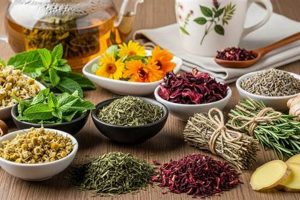
The selection of high-quality herbs is paramount for achieving a balanced and complex flavor profile. Fresh, properly dried, and carefully stored herbs retain their essential oils and active constituents, maximizing their contribution to the overall taste and aroma. The visual appearance, scent, and even the texture of herbs can serve as indicators of their quality. For example, vibrant green peppermint leaves indicate freshness, while a dull, brownish color suggests degradation. Sourcing herbs from reputable suppliers who prioritize sustainable and ethical practices further ensures quality and minimizes the risk of contamination with pesticides or other harmful substances. A beverage crafted with subpar ingredients will inherently lack the desired complexity and nuance, highlighting the vital role of superior herb selection in an endeavor such as creating a spiced herbal beverage.
In conclusion, herb quality is not merely a cosmetic consideration but a fundamental determinant of the final beverage’s characteristics. The use of high-quality herbs ensures a more flavorful, aromatic, and potentially beneficial drink, while the use of inferior ingredients compromises the entire creation process. Recognizing the direct link between herb quality and the resultant characteristics allows individuals to prioritize ingredient selection, thereby enhancing the overall experience and maximizing the potential of this herbal creation. The cost savings achieved by using lower-quality herbs is often overshadowed by the reduced quality of the final product.
3. Infusion duration

Infusion duration, within the context of preparing a spiced herbal beverage, is a critical factor directly influencing the extraction of flavors and active compounds from the herbs and spices. The length of time that the herbs and spices are steeped in hot water determines the intensity and complexity of the resulting drink. Insufficient steeping leads to a weak and underdeveloped flavor profile, failing to fully capture the aromatic and therapeutic properties of the ingredients. Conversely, excessive steeping can result in an overly bitter or astringent taste, particularly when using certain herbs like rooibos or green tea, which release tannins during prolonged infusion. The ideal infusion duration is therefore a delicate balance, optimized to achieve the desired flavor intensity without compromising the palatability of the beverage. As an example, steeping cinnamon sticks for 5 minutes typically yields a pleasant warmth, while a 15-minute steep may release excessive tannins, resulting in a harsh taste.
The optimal duration is not universally fixed; rather, it is contingent on several variables, including the specific herbs and spices used, their form (whole, ground, or cut), and the water temperature. Finely ground spices generally require shorter infusion times compared to whole spices, due to their increased surface area and faster rate of extraction. Higher water temperatures also accelerate the extraction process, necessitating a shorter infusion time to prevent over-extraction. Experienced practitioners often adjust the infusion duration based on their personal taste preferences, iteratively refining the process to achieve their desired flavor profile. Consider chamomile; a brief steep offers a light, floral note, while an extended one can extract compounds that lead to a bitter aftertaste. In summary, the precise duration required for the infusion varies considerably, highlighting the need for attention and tailored adjustments based on the recipe’s specific components.
Ultimately, mastering the art of infusion requires a combination of knowledge, experimentation, and careful observation. Understanding the interplay between infusion duration, ingredient characteristics, and water temperature is essential for consistently producing a well-balanced and flavorful herbal beverage. While general guidelines provide a starting point, the final duration should be adjusted based on individual taste preferences and the specific ingredients used. Addressing the impact of this element, however, is crucial for achieving satisfying and consistent results. Ignoring the importance of infusion duration can lead to undesirable outcomes, even when the remaining steps are followed carefully.
4. Water temperature
Water temperature is a critical parameter in the creation of a herbal chai beverage. Its influence extends to the extraction efficiency of flavor compounds, the preservation of delicate herbal aromas, and the overall taste profile of the final product. Inadequate water temperature results in incomplete extraction, leading to a weak and underdeveloped flavor. Conversely, excessively high temperatures can degrade sensitive aromatic compounds and induce the release of undesirable bitter substances, creating an unbalanced taste. As an example, an herbal chai blend containing chamomile benefits from water temperatures below boiling to prevent the development of a bitter aftertaste. Conversely, a blend relying heavily on robust spices like cinnamon and ginger may require slightly higher temperatures to fully unlock their flavor potential.
The effect of water temperature on different herbs and spices varies significantly. Delicate floral herbs, such as lavender or rose petals, necessitate lower temperatures to preserve their volatile oils and prevent them from becoming scorched or bitter. Harder spices, like cardamom pods or cloves, require higher temperatures and longer infusion times for proper extraction. Achieving the ideal water temperature often involves experimentation and careful monitoring. The use of a thermometer is recommended to ensure accuracy, particularly when working with delicate herbs. Additionally, the type of vessel used for infusion can influence the temperature maintenance and heat distribution. Preheating the teapot or mug before adding the hot water helps to stabilize the temperature and prevent sudden drops during the steeping process.
In summary, precise control of water temperature is essential for optimizing the flavor and quality of a herbal chai creation. The specific temperature range should be tailored to the individual ingredients and desired flavor profile. While general guidelines can provide a starting point, experimentation and observation are crucial for mastering this aspect. The investment in a reliable thermometer and attention to temperature control are well worth the effort, as they directly contribute to the enjoyment and overall success of the beverage. Failure to adequately address water temperature is a common cause of unsatisfactory results, highlighting the practical significance of this often overlooked parameter.
5. Sweetener choice
The selection of a sweetener constitutes a crucial decision in the preparation of a spiced herbal beverage, influencing not only the perceived sweetness but also the overall flavor profile and potential health implications of the final drink. The type of sweetener used interacts with the inherent flavors of the herbs and spices, potentially enhancing or masking certain notes and contributing its own unique characteristics.
- Impact on Flavor Profile
Different sweeteners possess distinct flavor profiles that interact with the spices and herbs. Honey, for example, offers a floral sweetness with subtle undertones that can complement the notes of chamomile or lavender. Maple syrup contributes a caramel-like richness that pairs well with cinnamon and cardamom. Refined white sugar, while providing pure sweetness, lacks inherent flavor and may not integrate as harmoniously with the spice blend. The selection of sweetener, therefore, requires consideration of its flavor compatibility with the other ingredients. An inappropriate sweetener can diminish the overall drinking experience.
- Considerations of Health and Nutritional Value
The nutritional value of sweeteners varies considerably, impacting the healthfulness of the final beverage. Refined white sugar provides empty calories without any additional nutrients, while natural sweeteners like honey and maple syrup contain trace minerals and antioxidants. Individuals seeking to minimize their refined sugar intake may opt for alternatives such as stevia or monk fruit, which offer sweetness without the caloric load. The choice of sweetener can align the beverage with specific dietary preferences or health goals, such as weight management or blood sugar control.
- Influence on Texture and Body
Some sweeteners, particularly liquid options like honey or agave nectar, can influence the texture and body of the herbal chai. The addition of honey, for example, imparts a slight viscosity, creating a smoother and richer mouthfeel compared to a beverage sweetened with granulated sugar. The impact on texture should be considered, especially when adding the spiced herbal blend to alternative forms, such as ice creams, yogurts, or other dairy products. The selection of sweetener should be aligned with the intended texture characteristics, as it can significantly impact this attribute.
- Sweetness Intensity and Dissolution Rate
Sweeteners vary in their sweetness intensity, requiring adjustments in the amount used to achieve the desired level of sweetness. Stevia, for example, is significantly sweeter than sugar, necessitating a much smaller quantity. Furthermore, the dissolution rate of sweeteners can influence the final taste, with granulated sugars requiring more stirring to fully dissolve compared to liquid sweeteners. Understanding the sweetness intensity and dissolution characteristics of different sweeteners is crucial for accurately measuring and incorporating them into a spiced herbal blend.
The choice of sweetener extends beyond a simple matter of taste preference, impacting the final flavor profile, nutritional content, texture, and overall sensory experience of a spiced herbal beverage. Careful consideration of these factors allows individuals to tailor the drink to their specific needs and preferences, enhancing its enjoyment and aligning it with their dietary goals. The selection of sweetener should be carefully considered, just like the other elements.
6. Milk addition
The addition of milk to a spiced herbal beverage represents a significant modification that impacts both the flavor profile and the overall texture of the final product. This addition is not merely a supplementary step but a deliberate alteration that warrants careful consideration due to its potential to either enhance or detract from the intended characteristics of the beverage.
- Flavor Modulation
Milk inherently possesses sweetness and fat content, both of which serve to modulate the flavors of the underlying herbal infusion. The fats present in milk bind to certain volatile compounds, mitigating their intensity and creating a smoother, more rounded taste. For example, the addition of milk to a strongly spiced infusion can temper the pungency of cloves or the heat of ginger, resulting in a more balanced and palatable beverage. Conversely, the addition of milk can also dilute more delicate flavors, necessitating an adjustment in the spice blend or infusion time to compensate.
- Textural Enhancement
The textural impact of milk addition is substantial. Milk contributes a creamy mouthfeel, increasing the perceived richness and body of the beverage. This is particularly noticeable when using whole milk or cream. Plant-based milk alternatives, such as oat milk or almond milk, offer varying degrees of creaminess and may impart their own distinct flavors to the drink. The choice of milk type directly influences the final texture, ranging from a light, refreshing drink to a decadent and indulgent treat.
- Temperature Dynamics
The temperature of the milk at the point of addition plays a crucial role. Adding cold milk to a hot herbal infusion can lower the overall temperature of the beverage, potentially diminishing the aroma and flavor intensity. Warming the milk prior to its introduction helps to maintain the beverage’s temperature, allowing the spices and herbs to continue to express their full flavor profile. Furthermore, overheating milk can alter its flavor and texture, potentially leading to curdling or the development of an unpleasant scalded taste.
- Ingredient Compatibility
Not all herbal infusions are equally suited to the addition of milk. Certain herbs and spices may clash with the flavor of milk, resulting in an unharmonious combination. For example, highly acidic herbs or citrus peels can cause milk to curdle, creating an undesirable texture. Experimentation and a thoughtful understanding of flavor pairings are essential for ensuring compatibility between the milk and the herbal base. Herbs with earthy, spicy, and floral profiles generally harmonize well with the creamy nature of milk, thus enhancing flavor and aroma with each sip.
The addition of milk to a spiced herbal beverage is a complex decision with far-reaching implications. A judicious approach, considering the flavor profile of the herbal infusion, the desired texture, and the temperature dynamics, is essential for maximizing the potential benefits of this modification. When implemented thoughtfully, milk can elevate a spiced herbal beverage to new heights of flavor and enjoyment.
7. Ingredient ratio

Ingredient ratio constitutes a foundational element in determining the success of any herbal chai beverage creation. The proportional relationship between individual components, such as spices and herbs, directly influences the final flavor profile, aroma, and overall balance of the infusion. An imbalance in these ratios can result in a drink that is either overwhelmingly dominated by a single flavor or lacks the desired complexity and nuance. For example, an excessive amount of ginger can create an intensely spicy and potentially unpalatable beverage, while insufficient cardamom might fail to impart the characteristic floral and aromatic notes often associated with chai blends.
Understanding and manipulating ingredient ratios allows for precise control over the final product. Establishing a base ratio and systematically adjusting individual components enables the creation of customized flavor profiles tailored to specific preferences. This experimentation necessitates meticulous measurement and recording of modifications to ensure reproducibility. Furthermore, the optimal ingredient ratios can vary depending on the quality and potency of individual ingredients. Freshly ground spices, for instance, generally require smaller quantities compared to pre-ground or older spices. The selection of organic ingredients, differing herbal qualities, and diverse origins can all effect the flavor outcome, necessitating careful adjustment of the composition to match the intended flavor design. Proper understanding enables consistent replication of preferred beverages.
In summary, the ingredient ratio is a critical determinant of the final character of an herbal chai beverage. Precise control over these proportions enables the creation of balanced and flavorful infusions, customized to individual preferences. A thorough understanding of ingredient characteristics and their interactions is essential for achieving consistent and satisfying results. Failure to adequately address this aspect leads to unpredictable flavor profiles and suboptimal drinking experiences. The successful creation of an herbal blend therefore hinges on the careful consideration and strategic manipulation of ingredient ratios, ensuring an outcome that aligns with the desired flavor profile.
Frequently Asked Questions Regarding Herbal Chai Tea
This section addresses common inquiries and misconceptions related to crafting a non-caffeinated spiced herbal beverage, often referred to as “herbal chai tea”.
Question 1: Can any herb be used in a blend intended to mimic traditional chai?
No. While experimentation is encouraged, certain herbs possess strong or incompatible flavor profiles that may clash with the desired spiced notes. Careful consideration should be given to the inherent characteristics of each herb before inclusion.
Question 2: Is it necessary to use all the spices found in traditional chai when creating an herbal variant?
It is not strictly necessary. The spice blend can be adapted to personal preferences and available ingredients. However, omitting key spices, such as cinnamon or cardamom, may significantly alter the overall flavor, deviating from the typical profile.
Question 3: Does the form of the spices (whole vs. ground) impact the final result?
Yes. Whole spices generally provide a more nuanced and complex flavor, while ground spices offer convenience and faster flavor release. The infusion time may need to be adjusted depending on the form used.
Question 4: How does water quality affect the taste of the beverage?
Water quality significantly impacts the final flavor. Filtered water is recommended to eliminate impurities and chlorine, which can negatively affect the taste of the herbs and spices.
Question 5: Is it possible to prepare a large batch for later consumption?
Yes, the infusion can be prepared in larger quantities and stored in the refrigerator for up to 24 hours. However, the flavor may diminish over time. It is recommended to consume the beverage as fresh as possible.
Question 6: Can this beverage be consumed cold?
Yes, the beverage can be enjoyed both hot and cold. When served cold, it may be necessary to adjust the sweetness level or add a squeeze of citrus for added flavor.
In summary, the crafting of a satisfying non-caffeinated spiced herbal beverage requires careful attention to ingredient selection, ratios, and preparation techniques. Experimentation is encouraged, but a foundational understanding of flavor profiles and their interactions is essential.
The subsequent section will delve into specific recipe variations and customization options.
Conclusion
This exploration has thoroughly examined the “herbal chai tea recipe,” dissecting its core components and highlighting the critical factors that contribute to a successful outcome. From the careful selection of spices and herbs to the precise control of infusion duration and water temperature, each element plays a crucial role in shaping the final beverage. The considerations of sweetener choice and milk addition further refine the process, allowing for customization and personalization.
The detailed understanding of these components empowers individuals to confidently create a satisfying and nuanced beverage, tailored to their specific preferences. A continued exploration and refinement of this skill promises even greater personalization and understanding. The pursuit of an ideal herbal blend will reward those who invest their time, expertise, and careful consideration.