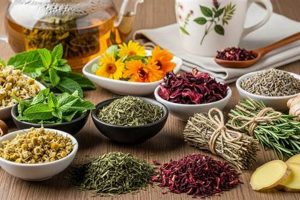
The measurement of water heat is a key factor in brewing herbal infusions. Utilizing water at the correct thermal level optimizes the extraction of beneficial compounds and flavor profiles from the dried herbs, flowers, and roots used. For example, delicate floral infusions often require lower ranges than robust root-based blends.
Precise control over this aspect of preparation significantly impacts the resulting beverage’s taste, aroma, and therapeutic value. Historically, experienced herbalists understood the nuances of extracting specific properties through varying the heat level. Proper application can unlock nuanced flavor and maximize the bioavailability of beneficial plant constituents.
Therefore, understanding heat levels is essential for producing quality herbal infusions. Subsequent sections will discuss specific heat ranges for various herbal categories, methods for achieving optimal thermal levels, and the consequences of incorrect water heat applications.
Brewing Tips
Achieving optimal flavor and maximizing the benefits of herbal infusions hinges on appropriate water temperature management during preparation.
Tip 1: Utilize a Thermometer: Accurate temperature measurement is crucial. A reliable thermometer, preferably digital, should be used to ensure water is heated to the target range for the specific herbal blend.
Tip 2: Consider the Herbal Type: Delicate herbs, such as chamomile or lavender, require lower heat, generally between 170-185F (77-85C). Robust herbs, like roots or barks, can withstand higher heat, up to 212F (100C).
Tip 3: Avoid Boiling Water for Delicate Herbs: Boiling water can scorch delicate herbs, resulting in a bitter or unpleasant taste and potentially destroying beneficial compounds. Allow boiled water to cool slightly before pouring it over these herbs.
Tip 4: Preheat the Teapot: Warming the teapot or brewing vessel prior to infusion helps maintain stable water temperature throughout the steeping process.
Tip 5: Observe Steeping Times: Steeping time is interconnected with water heat. Adhere to recommended steeping times for each herbal blend to avoid over-extraction, which can lead to bitterness.
Tip 6: Adjust for Altitude: At higher altitudes, water boils at lower temperatures. Compensate by using slightly hotter starting water or adjusting steeping times.
Tip 7: Research Specific Herbs: Different herbs have ideal temperatures for brewing, and it is important to research these before brewing, for example: green tea is best brewed at 175 degrees, while black tea is best brewed at 212 degrees.
Correct water heat is paramount for extracting the full spectrum of flavors and therapeutic properties from herbal infusions. Careful attention to this detail results in a more enjoyable and beneficial beverage.
The subsequent sections will delve into common pitfalls and troubleshooting techniques related to heat control in herbal infusion preparation.
1. Extraction Optimization

Extraction optimization, in the context of herbal infusions, refers to the process of maximizing the release of desirable compounds from plant material while minimizing the extraction of undesirable components. Precise control over the water temperature is paramount in achieving this balance.
- Solubility and Heat
The solubility of various plant constituents is temperature-dependent. Higher temperatures generally increase the rate of dissolution, allowing for more rapid extraction of compounds. However, excessive heat can degrade delicate molecules or extract undesirable bitter compounds. For example, tannins, often present in barks and roots, are more readily extracted at high heat, potentially creating an astringent and less palatable infusion. Therefore, understanding the thermal properties of targeted compounds is essential.
- Cell Wall Rupture
Plant cell walls act as barriers, hindering the release of intracellular compounds. High heat promotes the rupture of these cell walls, facilitating the diffusion of desirable substances into the surrounding water. However, uncontrolled cell wall rupture can also release unwanted components that negatively affect flavor and aroma. The specific heat level must correspond with the structure and composition of the plant material; delicate leaves require less disruptive extraction compared to tough roots.
- Volatile Oil Retention
Volatile oils, responsible for the aroma and some therapeutic properties of many herbs, are highly sensitive to heat. Excessive thermal application can lead to the evaporation and loss of these valuable compounds, diminishing the overall quality of the infusion. Lower water temperature and shorter steeping times are often preferred to preserve volatile oils, as exemplified by infusions containing herbs like peppermint or lemon balm.
- Enzyme Activity
Enzymes present in some plant materials can catalyze reactions that alter the composition of the infusion. Heat can either activate or deactivate these enzymes, depending on the temperature range. For instance, in some traditional herbal preparations, controlled heat application is used to induce enzymatic reactions that transform specific compounds, enhancing their therapeutic properties. However, uncontrolled enzyme activity can also lead to undesirable changes in flavor or potency.
In conclusion, water temperature significantly impacts extraction optimization. By understanding how temperature affects solubility, cell wall integrity, volatile oil retention, and enzyme activity, one can tailor the infusion process to maximize the extraction of desired compounds while minimizing the release of undesirable components. This nuanced approach contributes significantly to the overall quality, flavor, and therapeutic value of the final herbal infusion.
2. Flavor Modulation

The modification of flavor profiles in herbal infusions is directly influenced by the water temperature employed during brewing. Thermal manipulation serves as a primary tool for extracting specific flavor notes and achieving a desired sensory outcome. Insufficient thermal energy may result in an under-extraction, producing a weak and potentially flavorless beverage. Conversely, excessive thermal energy can lead to over-extraction, releasing bitter or astringent compounds that mask the more subtle, desirable flavors. For example, using boiling water on green tea herbs almost certainly results in a bitter flavor. Similarly, overheating the water used to brew chamomile can lead to an undesirable, slightly metallic taste. Achieving the correct temperature is, therefore, essential for unlocking the full spectrum of flavors inherent within each herbal blend.
Beyond simply avoiding undesirable flavors, precise water temperature control enables targeted flavor modulation. For instance, a slightly lower temperature applied to peppermint infusion emphasizes the refreshing, cool notes of menthol. In contrast, a slightly higher temperature for ginger allows for more full extraction of its pungent and spicy components. Furthermore, temperature interacts synergistically with steeping time to refine the flavor profile. A longer steeping time at a moderate temperature can produce a more complex and nuanced flavor than a shorter steeping time at a high temperature. Herbalists and tea blenders leverage this knowledge to create beverages with specific and reproducible flavor characteristics.
In conclusion, water temperature is a crucial determinant of flavor modulation in herbal infusions. Attaining an optimal flavor profile requires a careful consideration of herb type, desired flavor notes, and the interplay between temperature and steeping time. A lack of understanding of this connection can lead to sub-optimal results, both in terms of flavor and aroma. A precise temperature creates a smoother, and less bitter taste.
3. Herb Specificity

Herb specificity is a critical determinant of optimal water heat in herbal infusion preparation. Different plant species possess varying cellular structures, chemical compositions, and concentrations of volatile oils, all of which influence the ideal heat for extracting desired compounds. Applying a uniform temperature across all herbal infusions disregards these fundamental differences, potentially leading to suboptimal flavor, potency, and therapeutic efficacy. For example, delicate floral herbs like chamomile contain volatile oils that are readily lost at high temperatures, requiring lower ranges to preserve their aroma and beneficial properties. Conversely, tougher roots like ginger or turmeric necessitate higher heat to effectively extract their active constituents, such as gingerol and curcumin.
The chemical makeup of an herb dictates the appropriate heat for extraction. Herbs rich in tannins, such as black tea leaves or oak bark, benefit from slightly lower heat to prevent the over-extraction of these compounds, which contribute to a bitter and astringent taste. Herbs containing heat-sensitive vitamins or antioxidants require gentle temperatures to prevent degradation. Understanding the specific chemical profile of each herb allows for a tailored approach to heat management, ensuring that the desired compounds are extracted while preserving their integrity. Ignoring herb specificity can result in an infusion that is either weak and lacking in beneficial compounds or overly bitter and unpleasant in taste.
In conclusion, herb specificity is an indispensable consideration when determining the correct heat for herbal infusions. By understanding the unique properties of each herb, one can adjust the water temperature to maximize the extraction of beneficial compounds, optimize flavor, and preserve the herb’s therapeutic potential. Failure to account for herb specificity represents a significant oversight, potentially diminishing the quality and effectiveness of the final infusion. Further research and experimentation are encouraged to refine temperature guidelines for a wider range of herbal preparations.
4. Equipment Accuracy

Equipment accuracy represents a foundational element in the consistent and effective preparation of herbal infusions. The precise attainment of target water heat directly correlates with the quality and efficacy of the resulting beverage. Deviations from intended thermal levels, caused by inaccurate equipment, can compromise the extraction of beneficial compounds, alter flavor profiles, and reduce overall therapeutic value.
- Thermometer Calibration and Precision
Thermometer calibration is paramount. Inaccuracies in thermal measurement, even slight ones, can significantly impact the extraction process. A thermometer that consistently reads high or low will lead to under- or over-heated water, affecting both flavor and compound extraction. Regular calibration against a known standard, such as an ice water bath or boiling water at sea level, is essential. Precision refers to the degree of reproducibility in measurements. A thermometer with poor precision will provide variable readings, even when the actual water heat remains constant, hindering the ability to replicate ideal brewing conditions.
- Kettle Temperature Control Mechanisms
Electric kettles with integrated temperature control offer a convenient method for achieving specific water heats. However, the accuracy of these control mechanisms varies significantly among models. Some kettles rely on simple thermostats that may exhibit substantial temperature fluctuations, while others utilize more sophisticated electronic sensors and PID controllers for tighter regulation. Evaluating the precision and responsiveness of a kettle’s temperature control system is crucial for consistent herbal infusion preparation. User reviews and independent testing can provide valuable insights into the performance of different kettle models.
- Water Heater Material and Thermal Conductivity
The material used in water heaters, whether stovetop kettles or electric models, can influence the rate and uniformity of heating. Materials with high thermal conductivity, such as copper or stainless steel, tend to distribute heat more evenly, minimizing localized hot spots that can negatively impact water temperature accuracy. Conversely, materials with lower thermal conductivity may result in uneven heating and temperature stratification within the water, leading to inconsistent extraction. The shape and design of the kettle also play a role in heat distribution; kettles with wider bases generally exhibit more uniform heating than those with narrow bases.
- Environmental Factors and Heat Loss
External environmental factors, such as ambient room temperature and drafts, can influence the rate of heat loss from the brewing vessel. Significant heat loss during the infusion process can lower the water temperature below the optimal range, reducing the extraction of beneficial compounds. Preheating the teapot or brewing vessel helps to minimize heat loss and maintain a more stable water temperature. Additionally, using insulated teapots or employing a hot water bath can further mitigate heat loss and ensure consistent extraction.
These facets highlight the intricate relationship between equipment accuracy and achieving the correct thermal levels. Consistent application of optimal brewing conditions requires investment in calibrated and precise equipment and a thorough understanding of how materials and surroundings impact water temperature.
5. Bioactive Preservation

The relationship between water heat and the preservation of bioactive compounds within herbal infusions is direct and consequential. Bioactive compounds, the plant constituents responsible for therapeutic effects, exhibit varying degrees of thermal stability. Excessive temperatures can degrade these compounds, diminishing the infusion’s potency. In contrast, insufficient temperatures may fail to extract these compounds effectively, rendering the infusion therapeutically weak. The goal, therefore, is to identify the thermal range that optimizes extraction while minimizing degradation. For instance, the antioxidant properties of green tea are attributed to compounds called catechins, which are heat-sensitive. Brewing green tea with boiling water destroys a significant portion of these catechins, reducing its health benefits. Conversely, brewing at a lower temperature of around 175F (80C) preserves a greater concentration of these valuable antioxidants.
Precise water heat is particularly crucial when infusing herbs containing volatile oils or delicate flavonoids. Volatile oils, responsible for aroma and specific therapeutic actions, readily evaporate at elevated temperatures. Lower thermal levels allow for the preservation of these aromatic compounds, enhancing the sensory experience and maintaining their therapeutic properties. Flavonoids, a class of antioxidants, can undergo structural changes or degradation when exposed to high heat, reducing their antioxidant activity. Understanding the thermal stability of these key bioactive compounds is paramount in determining the appropriate water heat. A practical example is preparing chamomile. High heat can denature the compounds responsible for its calming effects, while gentler temperatures facilitate their extraction without causing degradation.
In summary, the selection of an appropriate water temperature directly impacts the preservation of bioactive compounds in herbal infusions. Optimal heat maximizes the extraction of desirable constituents while minimizing the degradation of heat-sensitive compounds. Neglecting this relationship can result in infusions with reduced therapeutic efficacy and altered sensory characteristics. Therefore, a meticulous approach to heat control, informed by the thermal properties of specific herbs, is essential for maximizing the health benefits and sensory qualities of herbal preparations.
Frequently Asked Questions
This section addresses common inquiries regarding water heat in the preparation of herbal infusions, offering clarity on best practices and dispelling potential misconceptions.
Question 1: Is boiling water always appropriate for herbal infusions?
Boiling water is not universally suitable. While robust herbs like roots and barks can withstand such heat, delicate herbs, particularly those containing volatile oils, may be negatively impacted, leading to bitterness and loss of beneficial compounds.
Question 2: Does the type of vessel affect water heat?
Yes, the vessel influences water heat. Materials with high thermal conductivity, such as stainless steel, can distribute heat more evenly than those with lower conductivity, like ceramic. Preheating the vessel also helps maintain temperature stability during infusion.
Question 3: How does altitude affect optimal water heat?
Altitude affects water heat. At higher altitudes, water boils at a lower temperature. Adjustments may be needed, such as using slightly hotter starting water or increasing steeping time, to compensate for this difference.
Question 4: Is a thermometer truly necessary for herbal infusions?
While not strictly mandatory, a thermometer significantly enhances precision. It allows for accurate measurement of water heat, optimizing the extraction of beneficial compounds and minimizing the risk of degradation, particularly for temperature-sensitive herbs.
Question 5: Can water that is too cool be detrimental?
Yes, water that is too cool can be detrimental. Insufficient heat may fail to extract desired compounds effectively, resulting in a weak and potentially flavorless infusion. Proper temperature promotes optimal solubility and release of beneficial plant constituents.
Question 6: How does steeping time relate to water heat?
Steeping time and water heat are interconnected. Lower heat may require longer steeping times to achieve adequate extraction, while higher heat necessitates shorter times to prevent over-extraction and bitterness. A balanced approach is crucial for optimal flavor and potency.
The correct application of water heat is fundamental for producing quality herbal infusions. Precise temperature control, informed by the specific characteristics of each herb, optimizes flavor, potency, and therapeutic value.
The next section will provide advanced techniques for creating customized herbal blends, further refining the infusion process for specific needs and preferences.
Conclusion
The preceding analysis has underscored the paramount importance of heat when preparing herbal infusions. Factors such as extraction optimization, flavor modulation, herb specificity, equipment accuracy, and bioactive preservation are inextricably linked to water temperature. A comprehensive understanding of these interconnected aspects is essential for maximizing the benefits of herbal beverages.
Achieving mastery of heat control in herbal infusion preparation requires diligence and attention to detail. Precise application of knowledge regarding “herbal tea temp” empowers informed decisions, ensuring a quality end product. Further research, experimentation, and adherence to established best practices will contribute to the continued advancement of this traditional practice.