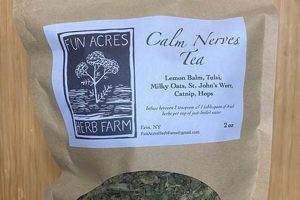
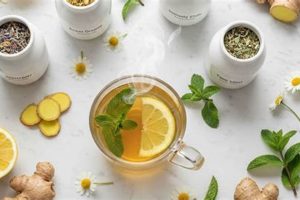
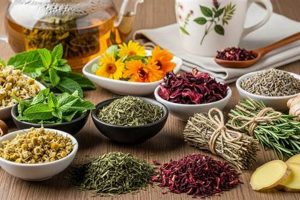
Infusions derived from plants other than Camellia sinensis, prepared for consumption as beverages, can offer a range of potential wellness advantages. These preparations, commonly enjoyed hot or cold, involve steeping specific plant parts in water to extract their beneficial compounds. Examples include beverages made from chamomile flowers, peppermint leaves, or ginger root, each possessing distinct characteristics.
The consumption of these plant-based infusions has been practiced for centuries across diverse cultures, often valued for purported medicinal properties and soothing qualities. Their appeal lies in their potential to contribute to hydration, provide antioxidants, and offer other plant-derived substances that may support overall well-being. Historical records indicate their use in traditional medicine systems for various purposes.
The following sections will delve into specific varieties of these plant-based beverages, examining their unique profiles and potential benefits. Considerations for selection and preparation will also be addressed, providing a basis for informed decision-making regarding their inclusion in a balanced dietary regimen.
Guidance on Selecting Beneficial Plant-Based Infusions
The selection of plant-based infusions should be approached with informed awareness to maximize potential benefits and minimize risks. Consideration of source, preparation, and individual health status is paramount.
Tip 1: Prioritize Single-Ingredient Infusions: Opt for infusions comprised of a single, identifiable plant rather than complex blends. This allows for easier identification of potential allergens or contraindications.
Tip 2: Seek Certified Organic Sources: Choose infusions sourced from certified organic farms to minimize exposure to pesticides and herbicides. Verification of organic certification should be readily available.
Tip 3: Examine Preparation Methods: The method of preparation can influence the final concentration of beneficial compounds. Adhere to recommended steeping times to optimize extraction.
Tip 4: Be Mindful of Potential Interactions: Certain plant compounds can interact with medications or exacerbate existing health conditions. Consult a healthcare professional before incorporating new infusions into a daily regimen.
Tip 5: Consider Individual Tolerance: Begin with small quantities to assess individual tolerance and observe for any adverse reactions. Discontinue use if any undesirable effects occur.
Tip 6: Review Scientific Literature: Consult peer-reviewed scientific literature for information regarding the efficacy and safety of specific plant infusions. Avoid reliance on anecdotal evidence.
Tip 7: Store Properly: Store dried plant materials in airtight containers away from direct sunlight and moisture to preserve potency and prevent degradation.
By adhering to these guidelines, individuals can make more informed choices regarding the selection and consumption of plant-based infusions. These considerations are crucial for optimizing potential benefits while mitigating potential risks.
The following sections will provide further insights into specific types of plant-based infusions and their unique characteristics.
1. Antioxidant Capacity
Antioxidant capacity, a crucial attribute of certain plant-based infusions, refers to the ability of these beverages to neutralize free radicals within the body. Free radicals, unstable molecules produced during normal metabolism and exposure to environmental stressors, can damage cells and contribute to oxidative stress, a factor implicated in various chronic diseases. Specific compounds within plants, such as polyphenols and flavonoids, possess antioxidant properties, donating electrons to stabilize free radicals and prevent cellular damage.
The presence of these antioxidant compounds within certain plant-based infusions is a significant factor contributing to their perceived health benefits. For example, infusions derived from rooibos, green tea, and hibiscus are known to contain high concentrations of antioxidants. Regular consumption of these infusions, as part of a balanced diet, may contribute to the reduction of oxidative stress and potentially lower the risk of chronic diseases. The specific antioxidant profile varies depending on the plant species and preparation methods. For instance, steeping time and water temperature can affect the extraction of antioxidant compounds from the plant material.
In conclusion, antioxidant capacity represents a vital aspect of the potential benefits associated with certain plant-based infusions. While these beverages should not be considered a replacement for conventional medical treatments, their antioxidant properties may contribute to overall well-being. The effectiveness of these infusions hinges on selecting varieties known for their high antioxidant content and employing appropriate preparation techniques. Further research is warranted to fully elucidate the long-term effects of plant-based infusion consumption on oxidative stress and disease prevention.
2. Inflammation Reduction

Inflammation reduction is a key potential benefit associated with the consumption of certain plant-based infusions. Chronic inflammation is implicated in a wide range of health conditions, and dietary strategies to mitigate inflammation are of significant interest. Several plant species contain compounds that may possess anti-inflammatory properties, making infusions derived from these plants potentially beneficial for supporting overall wellness.
- Bioactive Compounds and Their Mechanisms
Plant-based infusions contain various bioactive compounds, such as flavonoids, polyphenols, and terpenoids, which may exert anti-inflammatory effects through different mechanisms. These mechanisms can include inhibiting the production of pro-inflammatory cytokines, reducing the activity of enzymes involved in inflammation pathways, and scavenging free radicals that contribute to inflammatory processes. For example, chamomile contains apigenin, which has been shown to have anti-inflammatory properties by inhibiting the release of inflammatory mediators.
- Specific Infusions with Anti-Inflammatory Potential
Certain plant-based infusions are particularly noted for their potential anti-inflammatory properties. Ginger infusions contain gingerol, a compound with established anti-inflammatory effects. Turmeric infusions contain curcumin, a potent anti-inflammatory agent. Green tea, while technically a tea derived from Camellia sinensis, also exhibits anti-inflammatory properties due to its high concentration of catechins. The regular consumption of these infusions may contribute to reducing systemic inflammation.
- Dosage and Preparation Considerations
The effectiveness of plant-based infusions for inflammation reduction can be influenced by dosage and preparation methods. Optimal steeping times and water temperatures are crucial for extracting the maximum amount of bioactive compounds. Consuming infusions regularly, as part of a balanced diet, may provide cumulative anti-inflammatory benefits. However, it is essential to be aware that high doses of certain plant compounds can have adverse effects, and moderation is advised.
- Potential Interactions and Contraindications
Some plant-based infusions can interact with medications or exacerbate certain health conditions. For example, ginger can have blood-thinning effects, which may be problematic for individuals taking anticoagulant medications. Turmeric can interfere with iron absorption. Individuals with pre-existing health conditions or those taking medications should consult a healthcare professional before incorporating new infusions into their diet to avoid potential adverse interactions.
The potential for inflammation reduction is a noteworthy aspect of certain plant-based infusions. While not a substitute for medical treatment, these beverages may contribute to overall wellness by reducing systemic inflammation. Careful selection, proper preparation, and awareness of potential interactions are essential for maximizing benefits and minimizing risks. Further research is needed to fully elucidate the long-term effects of plant-based infusion consumption on inflammation and associated health conditions.
3. Digestive Support
The role of plant-based infusions in digestive support represents a significant area of interest. Specific botanical compounds present in certain infusions have demonstrated potential to positively influence various aspects of gastrointestinal function, warranting a closer examination of their mechanisms and applications.
- Promotion of Gut Motility
Certain plant infusions may stimulate peristalsis, the wave-like muscle contractions that move food through the digestive tract. For example, peppermint infusion has been shown to relax the smooth muscles of the gastrointestinal tract, potentially easing symptoms of bloating and indigestion. Ginger infusions, similarly, can accelerate gastric emptying, reducing the time food remains in the stomach.
- Reduction of Inflammation in the Digestive Tract
Inflammation within the digestive system can disrupt normal function and contribute to conditions such as inflammatory bowel disease. Chamomile infusion contains compounds that may possess anti-inflammatory properties, potentially soothing the digestive tract and reducing irritation. These effects contribute to its traditional use in alleviating gastrointestinal discomfort.
- Support for Beneficial Gut Microbiota
The gut microbiota plays a crucial role in digestion and overall health. Some plant infusions contain prebiotic compounds, which serve as food for beneficial bacteria in the gut. While research in this area is ongoing, certain infusions may promote a more balanced and healthy gut microbiome, indirectly supporting digestion.
- Alleviation of Nausea and Vomiting
Ginger infusions are well-known for their antiemetic properties, offering potential relief from nausea and vomiting. The active compounds in ginger can interact with receptors in the digestive system, reducing the sensation of nausea and suppressing the urge to vomit. This makes ginger infusion a common remedy for motion sickness and pregnancy-related nausea.
The digestive support provided by certain plant-based infusions is multifaceted, encompassing promotion of gut motility, inflammation reduction, support for beneficial gut microbiota, and alleviation of nausea. The selection of specific infusions should be guided by the individual’s digestive needs and preferences. It is crucial to acknowledge that while these infusions may offer digestive support, they should not replace conventional medical treatments for digestive disorders. Consultation with a healthcare professional is advised for any persistent or severe digestive issues.
4. Stress Relief
The consumption of specific plant-based infusions can be connected to stress reduction through various physiological mechanisms. Chronic stress elicits a cascade of hormonal and neurological responses that can negatively impact physical and mental well-being. Certain botanical compounds present in these infusions interact with the nervous system, potentially mitigating some of these stress-related effects. For example, infusions derived from chamomile are known to contain apigenin, a compound that binds to benzodiazepine receptors in the brain, producing a calming effect. This interaction is analogous to the action of certain pharmaceutical anxiolytics, albeit with a potentially milder effect. Similarly, lavender infusions contain volatile oils that have been shown to possess anxiolytic properties, potentially reducing feelings of anxiety and promoting relaxation. The importance of stress reduction within a comprehensive approach to wellness is well-documented, as chronic stress has been linked to a range of adverse health outcomes, including cardiovascular disease, immune dysfunction, and mental health disorders. Real-life examples include individuals incorporating chamomile infusion into their evening routine to promote relaxation before sleep, or consuming lemon balm infusion during periods of heightened anxiety.
Beyond direct neurological effects, the act of preparing and consuming a warm infusion can itself contribute to stress reduction. The ritualistic process of steeping herbs, mindful consumption, and the warmth of the beverage can provide a sensory experience that promotes calmness and relaxation. This can be particularly beneficial during periods of acute stress or heightened emotional arousal. The practical significance of this understanding lies in the potential for individuals to utilize plant-based infusions as a complementary strategy for managing stress, alongside other evidence-based approaches such as exercise, mindfulness meditation, and cognitive behavioral therapy. It is important to acknowledge that the efficacy of these infusions can vary depending on the individual, the specific plant species, and the method of preparation. Furthermore, certain individuals may experience allergic reactions or interactions with medications, necessitating caution and consultation with a healthcare professional.
In summary, specific plant-based infusions demonstrate a plausible connection to stress reduction through their interaction with neurological pathways and the provision of a calming sensory experience. While these beverages should not be regarded as a singular solution for stress management, they can serve as a valuable adjunct to other evidence-based strategies. A thorough understanding of the potential benefits, risks, and interactions is crucial for maximizing the efficacy and safety of these infusions within a comprehensive approach to stress reduction and overall well-being. Further research is warranted to fully elucidate the mechanisms of action and to establish standardized protocols for their use in stress management.
5. Improved Sleep

Specific plant-based infusions are often associated with improved sleep quality due to their potential to influence neurotransmitter activity and promote relaxation. The quality of sleep significantly impacts overall health, affecting cognitive function, immune response, and metabolic processes. Plant infusions, particularly those containing compounds such as apigenin (found in chamomile) and L-theanine (found in green tea, though often consumed in decaffeinated forms for sleep), are believed to enhance sleep by reducing anxiety and promoting a sense of calmness. A common example includes individuals consuming chamomile infusion before bedtime to alleviate insomnia symptoms. The practical importance of this connection is observed in the increasing utilization of such infusions as a natural alternative to pharmaceutical sleep aids, especially for individuals experiencing mild sleep disturbances.
Further analysis reveals that the impact of these infusions on sleep extends beyond mere sedation. The ritualistic aspect of preparing and consuming a warm beverage can also contribute to improved sleep hygiene. This routine can signal to the body that it is time to wind down, creating a psychological and physiological environment conducive to sleep. Additionally, some infusions, like valerian root, are thought to modulate GABA levels in the brain, a neurotransmitter known to regulate sleep cycles. However, it is essential to note that the effects of these infusions can vary among individuals, and their efficacy might be influenced by factors such as dosage, individual metabolism, and underlying sleep disorders. Practical application involves experimenting with different types and dosages to identify which infusion, if any, yields the most beneficial results for an individuals sleep pattern.
In summary, the relationship between plant-based infusions and improved sleep involves a combination of biochemical effects and behavioral conditioning. While these infusions offer a potential avenue for promoting sleep, they are not a panacea, and their effectiveness can vary. The integration of these infusions into a comprehensive sleep hygiene plan, including consistent sleep schedules and a conducive sleep environment, is critical. Challenges arise from the lack of standardized dosages and the potential for interactions with medications. Understanding these complexities is essential for leveraging plant-based infusions as a supportive component of a strategy to enhance sleep quality.
6. Hydration Benefits

Adequate hydration is essential for maintaining various physiological functions. Plant-based infusions can contribute significantly to daily fluid intake, offering a palatable alternative to plain water and potentially enhancing overall hydration levels.
- Fluid Replenishment and Electrolyte Balance
Plant-based infusions consist primarily of water, thus directly contributing to fluid replenishment. While they are not typically significant sources of electrolytes, certain infusions, particularly those containing ingredients like hibiscus or ginger, may provide trace amounts of minerals that can assist in maintaining electrolyte balance. This is especially relevant during periods of increased fluid loss, such as exercise or hot weather. However, plant infusions should not be considered a primary source of electrolytes.
- Palatability and Increased Fluid Consumption
The diverse flavors and aromas of plant-based infusions can enhance the palatability of water, encouraging increased fluid consumption. Individuals who find it challenging to drink sufficient amounts of plain water may find these infusions a more appealing option. The variety of available flavors, from fruity to floral to spicy, allows for customization to individual preferences, further promoting consistent hydration habits. However, avoid infusions with added sugars as this can offset the benefits.
- Lower Calorie Alternative to Sugary Beverages
Compared to many commercially available beverages, plant-based infusions are often lower in calories and free from added sugars. This makes them a healthier alternative to sugary drinks like sodas and juices, which can contribute to weight gain and other adverse health effects. Substituting these infusions for sugary beverages can support weight management and reduce the risk of associated health problems. It’s best to check the source and ingredient to minimize calorie level.
- Contribution to Overall Well-being
Maintaining adequate hydration levels is crucial for various aspects of health, including cognitive function, digestion, and cardiovascular health. By promoting increased fluid intake, plant-based infusions can indirectly contribute to these aspects of well-being. Dehydration can lead to fatigue, headaches, and impaired cognitive performance, all of which can be mitigated by ensuring sufficient hydration. These infusions offer a simple and enjoyable way to support overall health through adequate fluid intake.
The contribution of plant-based infusions to hydration extends beyond simple fluid replacement. Their palatability, low-calorie nature, and potential contribution to electrolyte balance can all support enhanced hydration habits. These factors underscore their potential value as a component of a healthy lifestyle.
Frequently Asked Questions
The following section addresses common inquiries regarding plant-based infusions, providing evidence-based responses to enhance understanding and inform responsible consumption.
Question 1: Are all plant-based infusions inherently healthy?
No. The health benefits associated with these infusions vary significantly depending on the specific plant species, preparation methods, and individual health conditions. Certain plants may contain compounds that are contraindicated for specific populations or may interact with medications. Thorough research and, when appropriate, consultation with a healthcare professional are advisable prior to regular consumption.
Question 2: Can plant-based infusions replace prescription medications?
Absolutely not. Plant-based infusions should not be used as a substitute for prescribed medications or conventional medical treatments. While certain infusions may offer supplementary benefits, they are not intended to diagnose, treat, cure, or prevent any disease. Individuals with health concerns should always consult with a qualified healthcare provider.
Question 3: Is there a risk of allergic reactions to plant-based infusions?
Yes. Allergic reactions to plant-based infusions are possible, particularly in individuals with known allergies to specific plant families. Common allergens may include chamomile, ragweed, and other botanicals. Symptoms of an allergic reaction can range from mild skin irritation to severe anaphylaxis. Individuals with a history of allergies should exercise caution and monitor for any adverse reactions.
Question 4: Are organic plant-based infusions necessarily superior?
Opting for certified organic infusions minimizes the risk of exposure to pesticides and herbicides. Organic certification ensures that the plants were grown according to specific standards that prohibit the use of synthetic chemicals. However, organic certification does not guarantee superior nutritional content or enhanced health benefits. It primarily addresses concerns related to environmental impact and chemical exposure.
Question 5: Can plant-based infusions be consumed during pregnancy and breastfeeding?
The safety of plant-based infusions during pregnancy and breastfeeding varies depending on the specific plant species. Certain infusions, such as chamomile and ginger, are generally considered safe in moderation. However, others, such as pennyroyal and sage, are contraindicated due to potential adverse effects. Pregnant and breastfeeding individuals should consult with a healthcare provider before consuming any plant-based infusion.
Question 6: How should plant-based infusions be stored to maintain their potency?
Plant-based infusions should be stored in airtight containers, away from direct sunlight, heat, and moisture. Exposure to these elements can degrade the active compounds in the plants, reducing their potency. Properly stored infusions can maintain their quality for several months, but it is advisable to replace them periodically to ensure optimal freshness.
These frequently asked questions serve to clarify common points of confusion and underscore the importance of informed decision-making when incorporating plant-based infusions into a health regimen.
The following section will provide final recommendations.
healthiest herbal teas
The preceding exploration has illuminated the multifaceted nature of these plant-derived beverages. It is evident that the classification of certain infusions as possessing superior wellness attributes necessitates careful consideration. While some varieties exhibit notable antioxidant properties, anti-inflammatory effects, or contributions to relaxation, the suitability of any particular infusion is contingent upon individual health status, potential contraindications, and responsible consumption practices.
Therefore, the integration of these infusions into a dietary regimen demands a discerning approach. Individuals are encouraged to pursue informed selection, mindful preparation, and awareness of potential interactions. Continued research into the specific mechanisms and long-term effects of these beverages remains crucial to fully elucidate their role in promoting overall well-being. Further investigation is warranted to establish evidence-based guidelines for optimal utilization.