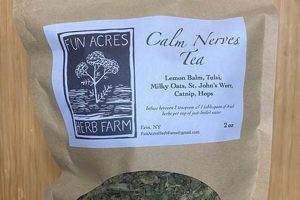
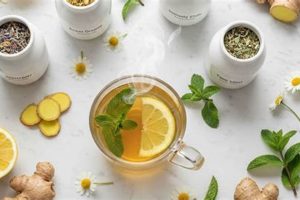
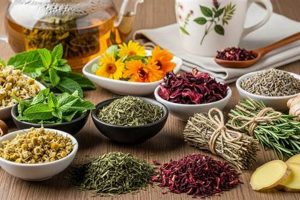
Infusions derived from various plants, excluding Camellia sinensis (true tea), and intended to promote well-being are the focus. These beverages, often referred to as tisanes, utilize the chemical properties of herbs, flowers, roots, and spices to provide therapeutic benefits. For instance, chamomile is frequently consumed for its potential calming effects, while ginger is commonly used to alleviate nausea.
The historical significance of plant-based remedies is extensive, spanning numerous cultures and traditions. Across civilizations, herbal preparations have served as primary sources of medicine. Modern research continues to explore the potential health-promoting characteristics of these botanical infusions, investigating claims related to immune support, digestive health, and stress reduction. Their appeal lies in the natural approach to wellness they represent.
The following sections will delve into specific categories of these beneficial plant infusions, examining their potential applications and considerations for safe and effective utilization. A discussion of preparation methods and factors to consider when selecting and consuming these beverages will also be presented.
Guidance on Selecting and Utilizing Plant-Based Wellness Infusions
The effective integration of plant-based wellness infusions into a health regimen necessitates informed decision-making. Adherence to the following guidelines can optimize benefits and minimize potential adverse effects.
Tip 1: Identify Specific Needs: Determine the precise health objective. Select an infusion known for addressing the intended purpose, such as sleep improvement or digestive support. Consult credible resources for herb properties.
Tip 2: Prioritize Quality Sourcing: Opt for reputable suppliers committed to organic cultivation and ethical harvesting practices. Verified sources reduce the risk of contaminants and ensure plant potency.
Tip 3: Understand Dosage and Preparation: Adhere strictly to recommended steeping times and quantities. Over-steeping can alter flavor profiles and potentially release undesirable compounds. Follow preparation guidelines provided by the manufacturer or a qualified herbalist.
Tip 4: Monitor for Allergic Reactions: Introduce new infusions gradually. Discontinue use immediately and seek medical advice if any adverse reactions, such as skin irritation or respiratory distress, occur.
Tip 5: Be Aware of Potential Interactions: Consult with a healthcare professional before incorporating plant-based wellness infusions if currently taking medications. Certain herbs can interact with pharmaceuticals, altering their efficacy or increasing the risk of side effects.
Tip 6: Rotate Infusion Varieties: Avoid prolonged consumption of a single infusion. Varying the selection provides a broader spectrum of phytonutrients and reduces the likelihood of developing sensitivities.
Tip 7: Consider Individual Sensitivities: Recognize that individual responses to plant-based wellness infusions can vary significantly. Adjust usage based on personal experience and tolerance levels.
The informed application of these guidelines can significantly enhance the safety and efficacy of plant-based wellness infusions, promoting responsible integration into a holistic health strategy.
The subsequent sections will offer further insights into specific categories of plant-based infusions and address additional considerations for their optimal utilization.
1. Botanical Source

The efficacy and safety of plant-based wellness infusions are intrinsically linked to their botanical origin. The species, subspecies, and even the specific cultivar of a plant used in an infusion significantly affect its chemical composition and, consequently, its potential therapeutic effects. Variations in soil composition, climate, and harvesting practices further influence the concentration of active compounds within the plant material. For example, chamomile sourced from Egypt (Matricaria chamomilla) may exhibit a different profile of volatile oils compared to chamomile cultivated in Germany, potentially affecting its calming properties. Similarly, the concentration of curcuminoids in turmeric (Curcuma longa) can vary considerably depending on its origin and processing methods, directly influencing its anti-inflammatory potential. This inherent variability necessitates careful consideration of the botanical source when selecting plant-based wellness infusions.
Furthermore, misidentification or adulteration of plant material poses a significant risk. Instances of herbal products being contaminated with incorrect species or even unrelated substances have been documented. This can lead to reduced efficacy, unexpected side effects, or even outright toxicity. For instance, star anise (Illicium verum), a common spice, can be adulterated with Japanese star anise (Illicium anisatum), which contains potent neurotoxins. The selection of reputable suppliers who employ rigorous quality control measures, including botanical authentication through methods such as microscopy and DNA barcoding, is therefore critical to mitigating these risks. Consumers should prioritize products with transparent sourcing information and third-party certifications.
In conclusion, understanding the botanical source is paramount for ensuring the safety and effectiveness of plant-based wellness infusions. Variability in chemical composition, potential for misidentification, and the impact of environmental factors underscore the importance of sourcing from reputable suppliers and verifying the identity of the plant material. By prioritizing botanical accuracy and quality control, individuals can maximize the potential benefits of these natural remedies and minimize the risk of adverse effects. The responsible sourcing and identification of plant-based ingredients is the cornerstone of responsible use.
2. Preparation Method

The preparation method significantly influences the extraction of bioactive compounds from plant material, directly impacting the therapeutic potential of plant-based wellness infusions. Variations in water temperature, steeping time, and the use of different extraction techniques can alter the composition and concentration of active constituents in the final beverage.
- Water Temperature and Compound Extraction
Water temperature is crucial for selective extraction. Lower temperatures may favor the release of volatile oils, contributing to aroma and flavor, while higher temperatures are often necessary to extract non-volatile compounds like tannins and alkaloids. For example, delicate floral infusions such as chamomile benefit from lower temperatures (around 170-180F) to prevent the degradation of volatile compounds responsible for their calming scent. Conversely, root-based infusions like ginger require higher temperatures (around 200-212F) to effectively extract their pungent and anti-inflammatory constituents.
- Steeping Time and Bioactivity
The duration of steeping influences the concentration of extracted compounds. Insufficient steeping may result in a weak infusion with limited therapeutic benefit, while excessive steeping can lead to the release of undesirable substances, such as bitter tannins. A balance must be struck to optimize the extraction of beneficial compounds without compromising palatability or safety. For instance, green infusions benefit from shorter steeping times (1-3 minutes) to prevent bitterness, while infusions prepared from tougher plant materials like roots or barks may require longer steeping times (10-20 minutes) for adequate extraction.
- Infusion vs. Decoction
Different plant parts require different preparation techniques. Infusions are generally suitable for delicate plant parts such as leaves and flowers, while decoctions are more appropriate for tougher materials like roots, barks, and seeds. Decoctions involve simmering the plant material in water for an extended period to facilitate the release of active compounds from dense tissues. For example, an infusion would be suitable for peppermint leaves, while a decoction is recommended for preparing licorice root.
- Filtration and Clarity
Filtration impacts the final product’s clarity and can influence its taste. While some infusions are traditionally consumed with particulate matter, others benefit from filtration to remove sediment and improve palatability. Filtration also can impact the amount of particulate matter consumed, which may or may not be desireable, depending on the plant materials. The choice of filtration method depends on the desired outcome and the specific plant material used.
In summary, the preparation method plays a critical role in determining the composition and therapeutic potential of plant-based wellness infusions. Careful consideration of water temperature, steeping time, extraction technique, and filtration is essential for optimizing the extraction of beneficial compounds and minimizing the risk of undesirable effects. Tailoring the preparation method to the specific plant material ensures the delivery of a potent and palatable beverage that aligns with the desired health outcomes.
3. Therapeutic Properties

The intrinsic value of plant-based wellness infusions resides in their inherent therapeutic properties. The effectiveness of these preparations in promoting well-being is directly attributed to the bioactive compounds present within the source plant material, which exert physiological effects within the human body.
- Anti-Inflammatory Action
Many plant-based infusions exhibit anti-inflammatory properties, stemming from compounds such as flavonoids and polyphenols. Chronic inflammation underlies a spectrum of diseases, and interventions that mitigate this process are of substantial benefit. For example, ginger (Zingiber officinale) contains gingerol, a potent anti-inflammatory agent shown to reduce pain and swelling in conditions such as osteoarthritis. Similarly, turmeric (Curcuma longa) contains curcumin, which has demonstrated efficacy in modulating inflammatory pathways. These anti-inflammatory actions contribute to the alleviation of symptoms and the support of overall health.
- Antioxidant Capacity
Plant-derived infusions are often rich in antioxidants, compounds that neutralize free radicals and protect cells from oxidative damage. Oxidative stress is implicated in aging and the development of chronic diseases. Green infusions, derived from Camellia sinensis, are particularly rich in catechins, powerful antioxidants that scavenge free radicals and reduce oxidative stress. Rooibos infusions, derived from Aspalathus linearis, also possess significant antioxidant activity. Regular consumption of these antioxidant-rich infusions can contribute to cellular protection and overall health maintenance.
- Anxiolytic and Calming Effects
Certain plant-based infusions exert anxiolytic and calming effects, promoting relaxation and reducing stress. Chamomile (Matricaria chamomilla) contains apigenin, a compound that binds to benzodiazepine receptors in the brain, inducing a calming effect. Lavender (Lavandula angustifolia) possesses volatile oils that have been shown to reduce anxiety and improve sleep quality. These anxiolytic properties make these infusions valuable for managing stress and promoting restful sleep.
- Digestive Support
A number of plant-based infusions support healthy digestion. Peppermint (Mentha piperita) contains menthol, which relaxes the smooth muscles of the gastrointestinal tract, relieving symptoms of bloating and indigestion. Ginger (Zingiber officinale) promotes gastric emptying and reduces nausea. These digestive properties make these infusions useful for managing digestive discomfort and supporting optimal gastrointestinal function.
These therapeutic properties collectively underscore the potential of plant-based wellness infusions to promote health and well-being. While not a replacement for conventional medical treatments, these infusions can serve as valuable adjuncts to a holistic health regimen, offering a natural approach to managing various health concerns. It’s essential to acknowledge that individual responses can vary, and consultation with a healthcare professional is advisable, particularly for those with existing medical conditions or those taking medications.
4. Potential Risks

Despite perceived safety due to their natural origin, plant-based wellness infusions are not without potential risks. These risks are influenced by factors such as plant identity, dosage, individual sensitivities, and interactions with medications. Understanding these risks is crucial for safe and responsible utilization.
- Allergic Reactions
Certain individuals exhibit allergic sensitivities to specific plants. These reactions can range from mild skin irritation to severe anaphylactic shock. Common allergens in plant-based infusions include chamomile, lavender, and Echinacea. Individuals with known allergies to plants in the Asteraceae family (e.g., ragweed, daisies, marigolds) should exercise caution when consuming chamomile. Introducing new infusions gradually and monitoring for any adverse reactions is advisable.
- Herb-Drug Interactions
Plant-based infusions can interact with pharmaceutical medications, altering their efficacy or increasing the risk of side effects. St. John’s Wort, for example, can induce liver enzymes that metabolize certain drugs, potentially reducing their effectiveness. Similarly, grapefruit juice, though not strictly an infusion, contains compounds that inhibit drug metabolism, leading to increased drug concentrations in the bloodstream. Individuals taking prescription medications should consult with a healthcare professional before consuming plant-based wellness infusions to assess potential interactions.
- Contamination and Adulteration
Plant-based products are susceptible to contamination with heavy metals, pesticides, or other environmental pollutants. Adulteration with incorrect or even toxic plant species is also a concern. Selecting reputable suppliers who adhere to Good Manufacturing Practices (GMP) and conduct rigorous quality control testing is essential for mitigating these risks. Third-party certifications can provide additional assurance of product quality and purity.
- Toxicity and Overdosage
Certain plants contain compounds that are toxic if consumed in excessive amounts. Senna, a common ingredient in laxative infusions, can cause electrolyte imbalances and gastrointestinal distress if overused. Licorice root, if consumed in large quantities or for prolonged periods, can lead to hypertension and fluid retention. Adhering to recommended dosages and avoiding prolonged, continuous use of specific infusions is crucial for preventing toxicity.
These potential risks underscore the importance of responsible consumption of plant-based wellness infusions. While these natural remedies offer potential health benefits, they should be approached with caution and informed awareness. Consultation with a healthcare professional, particularly for individuals with pre-existing medical conditions or those taking medications, is essential for ensuring safe and effective utilization.
5. Dosage Control
Dosage control constitutes a critical element in the safe and effective utilization of plant-based wellness infusions. The concentration of bioactive compounds varies depending on the plant species, preparation method, and individual factors. Therefore, precise dosage management is essential to maximize therapeutic benefits while minimizing potential adverse effects.
- Concentration of Bioactive Compounds
The potency of a plant-based infusion is directly related to the concentration of its active constituents. Factors such as plant age, growing conditions, and harvesting techniques influence the levels of these compounds. Consistent dosage requires awareness of the source material and its potential variability. For example, a specific chamomile infusion marketed for sleep aid might contain differing levels of apigenin depending on the growing season and processing methods of the chamomile flowers. Inconsistent concentration leads to unpredictable results, highlighting the necessity of standardized extracts when possible.
- Individual Physiological Factors
Individual factors, including body weight, age, metabolism, and pre-existing health conditions, affect how the body processes and responds to plant-based compounds. A standard dose suitable for one individual might be excessive or insufficient for another. Children and elderly individuals often require lower doses due to differences in metabolic capacity and sensitivity. Likewise, individuals with liver or kidney dysfunction may need dosage adjustments to prevent accumulation of compounds. Therefore, careful assessment of individual physiological parameters is crucial for determining the appropriate dosage.
- Cumulative Effects and Tolerance
Prolonged consumption of plant-based infusions can lead to cumulative effects or the development of tolerance. Some compounds accumulate in the body over time, increasing the risk of adverse effects. Conversely, the body might adapt to the presence of certain compounds, diminishing their effectiveness over time. Periodic breaks or cycling of different infusions can mitigate these issues. Regular monitoring for any changes in response is recommended, along with adjustments to dosage or choice of plant-based infusion.
- Preparation Method and Extraction Efficiency
The method of preparation significantly influences the extraction of bioactive compounds. Steeping time, water temperature, and the ratio of plant material to water affect the final concentration of active constituents in the infusion. Following precise preparation instructions is essential for achieving consistent and predictable dosages. Deviations from recommended procedures can lead to under- or over-extraction of compounds, altering the intended therapeutic effect. Standardizing preparation techniques is key to reproducible outcomes.
Effective dosage control is indispensable for harnessing the therapeutic potential of plant-based wellness infusions while minimizing risks. A comprehensive approach that considers the concentration of bioactive compounds, individual physiological factors, cumulative effects, and preparation method is vital. By adhering to these principles, individuals can optimize the benefits of these natural remedies and promote safe and responsible utilization. Seeking guidance from qualified herbalists or healthcare professionals is advisable for personalized dosage recommendations.
6. Synergistic Blends
The therapeutic potential of plant-based wellness infusions is amplified through the strategic combination of multiple herbs in synergistic blends. This approach leverages the complementary actions of different botanical compounds to achieve effects that exceed the capabilities of individual herbs when used in isolation. The concept of synergy recognizes that the combined effect of multiple substances is greater than the sum of their individual effects, a principle that applies directly to the formulation of plant-based remedies. The rationale behind synergistic blending involves targeting multiple pathways within the body simultaneously or enhancing the bioavailability and efficacy of individual components.
An example of synergistic action is observed in blends formulated for digestive support. The combination of peppermint (Mentha piperita), chamomile (Matricaria chamomilla), and ginger (Zingiber officinale) addresses various aspects of digestive discomfort. Peppermint’s menthol relaxes gastrointestinal muscles, chamomile reduces inflammation and spasms, and ginger promotes gastric emptying and reduces nausea. The co-administration of these herbs creates a multi-pronged approach that provides comprehensive relief. In blends aimed at promoting relaxation and sleep, combining lavender (Lavandula angustifolia), chamomile (Matricaria chamomilla), and valerian root (Valeriana officinalis) is another demonstration of synergy. Lavender and chamomile contribute calming effects via different neurological pathways, while valerian root further enhances sleep quality. The combined action is more pronounced than any single herb alone.
The effective development of synergistic blends necessitates a deep understanding of herbal pharmacology and the potential interactions between different botanical compounds. Challenges arise from the complexity of plant chemistry and the variability in individual responses. Careful consideration of herb ratios, extraction methods, and potential contraindications is essential. Despite these challenges, the strategic application of synergistic blending offers a pathway to enhancing the therapeutic effectiveness of plant-based wellness infusions. Further research is warranted to fully elucidate the mechanisms underlying these synergistic interactions and to optimize the formulation of these remedies for targeted health applications.
Frequently Asked Questions
This section addresses common inquiries regarding plant-based wellness infusions, providing clarity on their usage, benefits, and potential considerations.
Question 1: Are plant-based wellness infusions a substitute for conventional medical treatment?
Plant-based wellness infusions should not be considered replacements for prescribed medical treatments. These infusions can complement conventional therapies but do not substitute the necessity of diagnosis and treatment by qualified healthcare professionals.
Question 2: Is it safe to consume plant-based wellness infusions during pregnancy or breastfeeding?
The safety of consuming plant-based wellness infusions during pregnancy or breastfeeding warrants careful consideration. Specific herbs are contraindicated during these periods due to potential adverse effects on the fetus or infant. Consultation with a healthcare provider or qualified herbalist is strongly advised.
Question 3: How can the quality and purity of plant-based wellness infusions be assured?
The quality and purity of plant-based wellness infusions are best assured by selecting products from reputable suppliers that adhere to Good Manufacturing Practices (GMP) and conduct third-party testing for contaminants and adulterants. Certifications from recognized organizations provide additional assurance.
Question 4: Can plant-based wellness infusions interact with pharmaceutical medications?
Plant-based wellness infusions have the potential to interact with pharmaceutical medications, altering their efficacy or increasing the risk of side effects. Individuals taking prescription medications should consult with a healthcare professional before incorporating these infusions into their regimen to evaluate potential interactions.
Question 5: What is the recommended steeping time and temperature for optimal extraction of beneficial compounds?
The optimal steeping time and temperature vary depending on the specific plant material. Delicate flowers and leaves typically require shorter steeping times and lower temperatures, while tougher roots and barks may benefit from longer steeping times and higher temperatures. Following the instructions provided by the manufacturer or a qualified herbalist is advisable.
Question 6: How can potential allergic reactions to plant-based wellness infusions be identified?
Potential allergic reactions can be identified by introducing new infusions gradually and monitoring for any adverse symptoms, such as skin irritation, respiratory distress, or digestive upset. Discontinue use immediately and seek medical attention if any allergic reactions occur.
It is imperative to approach plant-based wellness infusions with informed awareness and responsible utilization. These natural remedies can offer potential health benefits but require careful consideration of individual factors and potential risks.
The subsequent section will provide concluding remarks and emphasize the importance of responsible usage.
Conclusion
This exploration has elucidated the multifaceted nature of plant-based wellness infusions. From botanical sources and preparation methods to therapeutic properties, potential risks, dosage control, and synergistic blends, the complexities inherent in their safe and effective utilization have been emphasized. A thorough understanding of these elements is paramount for realizing the intended benefits. The information presented serves as a foundation for informed decision-making.
The integration of healing herbal teas into a comprehensive wellness strategy necessitates diligent consideration of individual needs and potential interactions. Prioritizing quality sourcing and adhering to established guidelines remains crucial for responsible consumption. Further research into specific applications and standardization of preparations may yield more definitive insights, fostering greater confidence in their utilization.