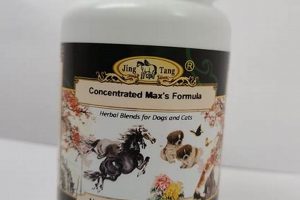
A preparation derived from the Crataegus genus, frequently encompassing the berries, leaves, and flowers, is commonly utilized to support cardiovascular health. This natural remedy is processed into various forms, including capsules, tablets, and liquid extracts, making it readily accessible for consumption as a dietary aid. It is important to consider the source and processing methods of preparations before use.
Historically, formulations of this plant have been employed in traditional medicine to address a range of circulatory issues. Modern research suggests potential benefits in managing mild heart failure symptoms and blood pressure. The bioflavonoids and other compounds present are believed to contribute to improved blood flow and antioxidant effects, potentially safeguarding against cellular damage.
The subsequent sections will delve into the specific constituents, potential interactions, recommended dosages, and cautionary measures associated with the use of this botanical product. A thorough understanding of these aspects is paramount to ensure its safe and effective integration into a health regimen.
Guidance on Hawthorn-Based Dietary Aids
The following guidelines are presented to facilitate informed decision-making regarding the use of preparations derived from Crataegus species.
Tip 1: Source Transparency: Prioritize products from manufacturers who disclose detailed information regarding the origin of the plant material and the extraction process. Independent certifications may further validate quality and purity.
Tip 2: Dosage Adherence: Carefully adhere to the dosage instructions provided by the manufacturer or a qualified healthcare professional. Exceeding the recommended dose does not necessarily enhance efficacy and may increase the risk of adverse effects.
Tip 3: Monitoring for Interactions: Exercise caution when combining Crataegus-derived products with prescription medications, particularly those related to cardiovascular function. Concurrent use may potentiate or diminish the effects of conventional therapies; therefore, medical consultation is crucial.
Tip 4: Individual Sensitivity Assessment: Initiate use with a low dose to assess individual tolerance. Common adverse reactions may include mild gastrointestinal discomfort. Discontinue use if significant side effects occur.
Tip 5: Long-Term Usage Considerations: While preparations of Crataegus species are often used for extended periods, regular reassessment of its continued necessity and potential long-term effects is advisable. Consult with a healthcare provider regarding optimal duration.
Tip 6: Quality Control Verification: Look for preparations that have undergone third-party testing to ensure the absence of contaminants and the accurate quantification of active compounds. This minimizes the risk of consuming adulterated or ineffective products.
Tip 7: Pregnancy and Lactation Precautions: The safety of this herbal aid during pregnancy and lactation has not been conclusively established. Abstain from use during these periods unless specifically directed by a healthcare professional.
Proper sourcing, dosage adherence, and awareness of potential interactions are essential for safe and potentially beneficial use. Consultation with a healthcare professional is highly recommended before initiating any new herbal regimen.
The subsequent sections will provide further details on the scientific evidence and clinical applications of this botanical product.
1. Cardiovascular Support

The utilization of preparations from the Crataegus genus for cardiovascular support is rooted in the plant’s purported vasoactive and antioxidant properties. Constituents such as oligomeric procyanidins and flavonoids are believed to promote vasodilation, thereby improving blood flow and reducing peripheral vascular resistance. This mechanism potentially alleviates symptoms associated with mild heart failure and hypertension. For example, studies have indicated a reduction in shortness of breath and fatigue in individuals with mild heart failure following consistent intake of Crataegus extract. The presence and concentration of these compounds are critical determinants of its therapeutic potential. The historical application of Crataegus in traditional medicine further underscores its long-standing association with heart health, although rigorous scientific validation remains essential.
Further analysis reveals the potential of Crataegus to modulate cardiac contractility and protect against ischemic injury. Research suggests that certain components may enhance the force of myocardial contraction without increasing oxygen demand, which is particularly relevant in managing heart failure. Additionally, its antioxidant properties may mitigate oxidative stress, a key factor in the development of cardiovascular diseases. One practical application is the adjunctive use of Crataegus preparations in conjunction with conventional therapies for hypertension, although its efficacy as a standalone treatment is not definitively established. The interplay between various bioactive compounds within Crataegus likely contributes to its overall cardiovascular benefits, highlighting the importance of standardized extracts in ensuring consistent therapeutic effects. However, evidence has shown inconsistent positive effects of hawthorn, and thus proper consultation with a medical professional is suggested.
In summary, the link between preparations of Crataegus species and cardiovascular support centers on its potential to improve blood flow, reduce oxidative stress, and modulate cardiac function. While promising, the available evidence necessitates cautious interpretation and emphasizes the need for further research to fully elucidate its mechanisms of action and optimal clinical applications. Standardization of extracts and rigorous clinical trials are crucial steps in addressing existing uncertainties and establishing its role in comprehensive cardiovascular care.
2. Bioflavonoid Content

The therapeutic potential of preparations from the Crataegus genus is significantly attributed to their bioflavonoid content. These compounds, including oligomeric procyanidins and flavones, are potent antioxidants that contribute to the plant’s purported cardiovascular benefits. Bioflavonoids are believed to enhance the integrity of blood vessels, reduce inflammation, and improve blood flow. The concentration of bioflavonoids directly influences the efficacy of the Crataegus-derived dietary aids; a higher concentration typically correlates with a more pronounced effect. For example, preparations standardized to contain a specific percentage of oligomeric procyanidins are often preferred due to their consistent therapeutic activity. The absence or low concentration of bioflavonoids may render the preparations ineffective. Therefore, the bioflavonoid content is a critical quality marker for Crataegus products.
Further investigation reveals that bioflavonoids in formulations of this plant exhibit several mechanisms of action relevant to cardiovascular health. They can inhibit the oxidation of low-density lipoproteins (LDL), a key step in the development of atherosclerosis. Additionally, bioflavonoids may promote the release of nitric oxide, a vasodilator, leading to improved blood circulation. A practical application of this understanding lies in the selection of Crataegus products for individuals seeking adjunctive support for mild hypertension or early stages of heart failure. However, the variability in bioflavonoid content across different preparations underscores the importance of choosing reputable brands and standardized extracts. Preparations that lack proper standardization may not deliver the intended therapeutic benefits.
In summary, the bioflavonoid content is a pivotal determinant of the therapeutic efficacy of formulations derived from Crataegus. Its antioxidant and vasoactive properties contribute significantly to the plant’s cardiovascular benefits. Ensuring consistent and adequate bioflavonoid concentration through standardized extracts is essential for maximizing the therapeutic potential and achieving reliable clinical outcomes. The primary challenge is the variability in bioflavonoid content across different Crataegus sources and preparations, emphasizing the need for stringent quality control measures.
3. Traditional Usage
The historical application of preparations derived from Crataegus species, commonly known, provides a critical context for understanding its contemporary use as a dietary aid. Traditional practices have long recognized its potential in addressing a range of health concerns, particularly those related to the cardiovascular system.
- Cardiac Tonic
Historically, formulations of this plant were employed as a cardiac tonic to strengthen and regulate heart function. Herbalists prescribed it for individuals experiencing palpitations, arrhythmia, and angina. This application stemmed from the observation that these preparations could improve cardiac output and reduce chest pain. The continued use of Crataegus species as a cardiac tonic reflects a long-standing belief in its ability to support cardiovascular health.
- Circulatory Support
Traditional medicine systems utilized this natural aid to improve circulation throughout the body. It was believed to dilate blood vessels, enhancing blood flow to extremities and vital organs. Herbalists prescribed it for conditions such as varicose veins, cold hands and feet, and peripheral vascular disease. By promoting circulation, practitioners aimed to alleviate symptoms associated with poor blood flow and improve overall health.
- Blood Pressure Regulation
Formulations of this plant were also used to regulate blood pressure, both high and low. In cases of hypertension, it was thought to lower blood pressure by relaxing blood vessels and reducing peripheral resistance. Conversely, it was sometimes used to elevate low blood pressure by improving cardiac function. This dual action highlights its perceived adaptogenic properties in relation to blood pressure regulation.
- Emotional Heart Support
Traditional practitioners also recognized a connection between the heart and emotional well-being. Preparations derived from Crataegus species were sometimes prescribed to individuals experiencing grief, anxiety, or emotional distress affecting the heart. It was believed to soothe emotional pain and promote a sense of calm, indirectly supporting cardiovascular health. This holistic approach reflects a broader understanding of the mind-body connection in traditional medicine.
These varied traditional applications of preparations from Crataegus species underscore its historical significance as a versatile remedy for cardiovascular and related conditions. While modern research seeks to validate and refine these traditional uses, the enduring legacy of this botanical product in traditional medicine provides a valuable framework for understanding its potential benefits.
4. Dosage Guidelines

The efficacy and safety of preparations derived from Crataegus species are inextricably linked to adherence to appropriate dosage guidelines. The concentration of active compounds, such as oligomeric procyanidins and flavonoids, varies significantly among different preparations and manufacturers. Therefore, a standardized dosage regimen is not universally applicable. Inadequate dosage may render the treatment ineffective, failing to elicit the desired therapeutic outcomes, such as improved cardiovascular function or reduced blood pressure. Conversely, excessive dosage can increase the risk of adverse effects, including gastrointestinal distress, fatigue, or, in rare cases, more serious cardiovascular complications. The absence of clear dosage guidelines introduces uncertainty and potentially compromises patient safety, particularly when self-administering this herbal aid.
Specific dosage recommendations typically consider the form of the preparation (e.g., extract, tincture, dried herb), the individual’s overall health status, and any concurrent medications. For example, a standardized extract containing a known percentage of oligomeric procyanidins may require a lower dosage than a less concentrated form. Individuals with pre-existing cardiovascular conditions or those taking prescription medications, such as beta-blockers or ACE inhibitors, necessitate careful dosage adjustments to avoid potential interactions. Consultation with a qualified healthcare professional is crucial to determine the optimal dosage based on individual needs and circumstances. Self-titration or deviation from recommended dosages should be avoided due to the potential for unpredictable effects. Some patients experience more discomfort than relief when taking hawthorn preparations at incorrect doses.
In summary, appropriate dosage guidelines are paramount to maximizing the therapeutic benefits and minimizing the risks associated with preparations derived from Crataegus species. Variability in product composition and individual patient factors necessitates personalized dosage recommendations from healthcare professionals. Clear and consistent dosage instructions on product labels, coupled with professional guidance, are essential to ensure safe and effective use. Future research should focus on establishing evidence-based dosage guidelines for specific cardiovascular conditions to further refine the clinical application of this herbal aid.
5. Potential Interactions
Formulations derived from the Crataegus genus possess the capacity to interact with various prescription and over-the-counter medications, necessitating careful consideration prior to concurrent use. These interactions can stem from the herb’s pharmacological effects on cardiovascular function, potentially potentiating or diminishing the effects of conventional therapies. For instance, concomitant use with digoxin, a cardiac glycoside, may increase the risk of digoxin toxicity due to additive effects on cardiac contractility. Similarly, the hypotensive effects of preparations from Crataegus species could amplify the effects of antihypertensive medications, leading to excessive blood pressure reduction. Such scenarios underscore the importance of medical supervision when combining this herbal aid with conventional cardiovascular drugs. A failure to recognize and manage these potential interactions can compromise patient safety and therapeutic outcomes.
Furthermore, interactions with anticoagulants and antiplatelet agents represent another area of concern. Crataegus may possess mild antiplatelet properties, potentially increasing the risk of bleeding when taken in conjunction with drugs such as warfarin, aspirin, or clopidogrel. Although the evidence supporting this interaction is limited, caution is warranted, and patients should be monitored for signs of bleeding. Another factor is the effect this dietary aid has on phosphodiesterase inhibitors. The effect on this interaction is poorly studied and it is generally recommended to avoid mixing Crataegus with PDE inhibitors without supervision.
In summary, the potential for interactions between preparations of Crataegus species and conventional medications necessitates careful assessment and monitoring. Healthcare providers must inquire about patients’ use of herbal supplements, including Crataegus, to identify and manage potential drug interactions. Patient education regarding these interactions is also crucial to ensure safe and effective use. Future research should focus on further elucidating the mechanisms of these interactions and establishing evidence-based guidelines for concurrent use with conventional therapies.
6. Quality Sourcing
The efficacy and safety of formulations derived from the Crataegus genus are critically dependent on the quality of sourcing. The geographical origin, harvesting practices, and processing methods significantly influence the concentration of bioactive compounds within the plant material. Suboptimal sourcing practices, such as harvesting from polluted environments or employing improper drying techniques, can compromise the product’s therapeutic potential and introduce contaminants, diminishing its value and posing health risks. For instance, Crataegus harvested from regions with high levels of heavy metals may accumulate these toxins, rendering the final product unsafe for consumption. Quality sourcing is thus a non-negotiable component of a safe and effective preparation.
The supply chain transparency is essential for verifying quality. Reputable manufacturers should provide detailed information regarding the origin of their plant material, including geographical location and cultivation practices. They should also implement rigorous quality control measures at each stage of production, from harvesting to extraction and encapsulation. For example, a certificate of analysis (COA) from an independent laboratory can verify the identity and purity of the Crataegus material, confirming the absence of adulterants and contaminants. Conversely, products lacking such transparency raise concerns about authenticity and safety, increasing the likelihood of inconsistent or harmful effects. It is worth noting that products sourced without testing may contain unexpected additives that could cause health issues.
In summary, quality sourcing is foundational to ensuring the therapeutic benefits and safety of any Crataegus-derived dietary aid. It is also important to source herbs from companies that make sure that no harm comes to the environment in the process of collecting their ingredients. Implementing stringent quality control measures, including transparency in the supply chain and independent laboratory testing, is essential. Consumers should prioritize products from manufacturers who demonstrate a commitment to quality sourcing, thereby minimizing the risks associated with adulteration, contamination, and inconsistent potency.
7. Safety Profile

The safety profile of preparations derived from Crataegus species is a multifaceted consideration, encompassing potential adverse effects, contraindications, and interactions with other medications. A comprehensive understanding of these aspects is crucial for informed decision-making regarding the use of this herbal supplement.
- Common Adverse Effects
Mild gastrointestinal symptoms, such as nausea, stomach upset, and diarrhea, are the most frequently reported adverse effects associated with preparations derived from Crataegus species. These effects are typically transient and self-limiting. Headaches, dizziness, and fatigue have also been reported, albeit less commonly. For example, a patient initiating Crataegus supplementation may experience mild nausea for the first few days, which then subsides. These common adverse effects generally do not necessitate discontinuation of the supplement but warrant monitoring. These effects are not always present and are not necessarily a cause for concern. However, some people may experience more discomfort than relief in certain cases.
- Cardiovascular Considerations
While generally considered safe for individuals with mild cardiovascular conditions, the use of preparations from Crataegus species requires caution in those with more severe cardiac dysfunction. Hypotension, or low blood pressure, is a potential concern, particularly in individuals already taking antihypertensive medications. In rare cases, preparations from Crataegus species may exacerbate arrhythmias or worsen heart failure symptoms. Individuals with pre-existing cardiovascular conditions should consult with a healthcare professional before using this supplement. Furthermore, proper monitoring is recommended to avoid serious heart complications.
- Drug Interactions
Formulations of this plant can interact with various prescription and over-the-counter medications, potentially altering their efficacy or increasing the risk of adverse effects. As previously discussed, concurrent use with digoxin, antihypertensives, anticoagulants, or antiplatelet agents requires careful monitoring and dosage adjustments. For example, the combination of Crataegus with warfarin may increase the risk of bleeding. Drug interactions represent a significant safety consideration that necessitates healthcare professional oversight. This is especially important since many people take herbal supplements without notifying their doctor.
- Contraindications
Certain conditions and circumstances may contraindicate the use of preparations of Crataegus species. Pregnancy and lactation are generally considered contraindications due to insufficient safety data. Individuals with known allergies to plants in the Rosaceae family, to which Crataegus belongs, should also avoid this supplement. Furthermore, preparations from Crataegus species are typically not recommended for children. Specific conditions can contraindicate taking these preparations. Because of this, it is best to first consult with a medical professional.
In summary, the safety profile of preparations from Crataegus species necessitates a balanced assessment of potential benefits and risks. While generally well-tolerated, this herbal supplement is not without potential adverse effects, contraindications, and drug interactions. Healthcare professional guidance is essential, particularly for individuals with pre-existing health conditions or those taking concurrent medications, to ensure safe and effective use.
Frequently Asked Questions
The following section addresses common inquiries regarding formulations derived from the Crataegus genus. These responses are intended to provide factual information for informed decision-making.
Question 1: What is the primary application of a hawthorn herbal supplement?
The primary application lies in the support of cardiovascular health. Formulations of this plant are often used to manage mild heart failure symptoms and promote healthy blood pressure levels.
Question 2: What are the active compounds responsible for its therapeutic effects?
The primary active compounds include bioflavonoids, such as oligomeric procyanidins and flavones. These compounds possess antioxidant and vasoactive properties that contribute to the plant’s purported benefits.
Question 3: How should dosage of a hawthorn herbal supplement be determined?
Dosage should be determined based on the specific product formulation, the concentration of active compounds, and individual health considerations. Consultation with a healthcare professional is recommended to establish an appropriate dosage regimen.
Question 4: What are the potential risks associated with its consumption?
Potential risks include gastrointestinal distress, hypotension, and interactions with prescription medications, particularly cardiovascular drugs. It is essential to exercise caution and seek medical advice before use.
Question 5: How can the quality of a hawthorn herbal supplement be assessed?
Quality can be assessed by examining the source of the plant material, the extraction process, and the availability of third-party testing results. Reputable manufacturers should provide transparent information regarding these aspects.
Question 6: Can a hawthorn herbal supplement be used in conjunction with conventional cardiovascular medications?
Concurrent use with conventional cardiovascular medications requires careful monitoring due to the potential for drug interactions. Consultation with a healthcare provider is essential to manage these interactions effectively.
In summary, while formulations derived from Crataegus species exhibit potential cardiovascular benefits, proper assessment, dosage determination, and awareness of potential risks are critical. Consultation with a healthcare professional is paramount for safe and effective use.
The subsequent section will provide information regarding the current state of scientific evidence and ongoing research related to this herbal supplement.
Conclusion
The preceding analysis has elucidated several key facets concerning formulations derived from the Crataegus genus. Its historical use as a cardiac tonic, coupled with modern research into its bioflavonoid content and potential cardiovascular benefits, presents a complex landscape for consideration. Dosage guidelines, potential drug interactions, and the critical importance of quality sourcing demand careful attention. The inherent variability in product composition and individual patient factors necessitates a cautious approach.
Ultimately, the informed and responsible integration of Crataegus-derived dietary aids into a comprehensive healthcare strategy requires diligent assessment and professional guidance. The information provided serves as a foundation for further inquiry and consultation, emphasizing the ongoing need for rigorous scientific investigation and evidence-based clinical application. The potential benefits, while promising, must be weighed against the documented risks and uncertainties. Only through diligent research and responsible decision-making can the true value of Crataegus as a health-supporting agent be fully realized.