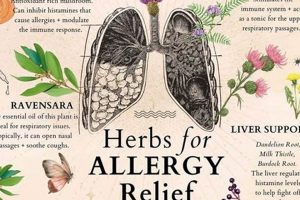
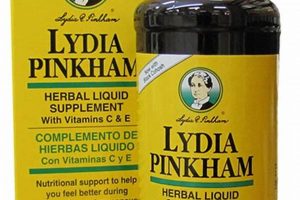
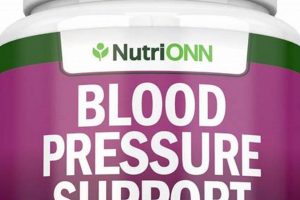
Certain plant-derived products, marketed for therapeutic or health-enhancing purposes, can pose significant risks. These products, often readily available without prescription, may contain undisclosed ingredients, interact negatively with medications, or possess inherent toxic properties. A prime instance is the use of specific botanical extracts known to cause liver damage or cardiovascular complications, demonstrating the potential dangers associated with unregulated or improperly manufactured formulations.
Understanding the potential adverse effects stemming from these items is paramount for public health. Historically, reliance on traditional remedies existed before stringent regulatory oversight. However, the modern availability of concentrated extracts and the potential for adulteration necessitate increased awareness. Identifying potential dangers allows individuals to make informed choices regarding their health and encourages open communication with healthcare professionals about supplement use.
The subsequent sections will delve into the regulatory landscape surrounding these products, explore common examples known to cause adverse reactions, and discuss strategies for mitigating the risks associated with their consumption. Further discussion will focus on recognizing warning signs and seeking appropriate medical attention when necessary.
This section provides essential guidelines for minimizing potential harm from botanical products marketed for health purposes.
Tip 1: Scrutinize Product Labels. Thoroughly examine the label for a complete list of ingredients. Be wary of proprietary blends where the exact quantities of each ingredient are not specified. Research individual ingredients to understand their potential effects and interactions.
Tip 2: Consult a Healthcare Professional. Before initiating the use of any botanical product, discuss it with a physician, pharmacist, or registered dietitian. They can assess potential interactions with existing medications or pre-existing health conditions.
Tip 3: Research the Manufacturer. Investigate the manufacturer’s reputation and quality control practices. Look for certifications from reputable third-party organizations that verify product purity and potency.
Tip 4: Be Aware of Exaggerated Claims. Exercise caution when evaluating products marketed with unsubstantiated claims of miracle cures or rapid results. These claims are often indicative of fraudulent or misleading marketing practices.
Tip 5: Monitor for Adverse Reactions. Closely observe for any unusual symptoms or changes in health status after starting a new botanical product. Common adverse reactions may include gastrointestinal distress, skin rashes, or changes in blood pressure.
Tip 6: Report Adverse Events. If you suspect a botanical product is causing an adverse reaction, discontinue use immediately and report the event to your healthcare provider and relevant regulatory agencies.
Tip 7: Understand Regulatory Limitations. Recognize that botanical products are not subject to the same stringent regulatory oversight as prescription medications. This lack of regulation can increase the risk of contamination, adulteration, and inaccurate labeling.
Adhering to these guidelines can significantly reduce the risk of experiencing adverse effects and facilitate informed decision-making regarding the use of plant-derived products for health purposes.
The subsequent section will conclude with a summary of the information presented and offer final recommendations for navigating the complex landscape of plant-based remedies.
1. Adulteration

Adulteration represents a significant pathway through which plant-derived health products can become detrimental. It involves the intentional or unintentional contamination of a product with undeclared substances, often synthetic pharmaceuticals or other potentially hazardous compounds. The result is a product whose composition deviates from its labeling, rendering it not only ineffective but also posing substantial health risks to consumers. This deviation effectively transforms a purported natural remedy into a potentially dangerous substance with unknown and unquantifiable pharmacological effects.
The impact of adulteration can manifest in various ways. The presence of undeclared pharmaceuticals, for instance, may lead to unforeseen drug interactions, adverse side effects, and the masking of underlying medical conditions. A common example is the addition of synthetic anabolic steroids to products marketed for muscle building or weight loss. Consumers, unaware of the presence of these steroids, may experience severe hormonal imbalances, liver damage, and cardiovascular complications. Similarly, the adulteration of products with heavy metals or pesticides introduces toxic substances that can accumulate in the body over time, leading to chronic health problems.
In summary, adulteration is a critical factor contributing to the hazards associated with certain plant-derived health products. It undermines consumer trust, compromises the integrity of the industry, and most importantly, endangers public health. Understanding the risks associated with adulterated products underscores the need for enhanced regulatory oversight, improved quality control measures, and increased consumer awareness. These steps are vital for mitigating the potential harm stemming from these products.
2. Interactions
Concurrent use of botanical products with prescription medications presents a significant risk of adverse interactions. The complex chemical constituents within plant-derived remedies can interfere with drug metabolism, absorption, or excretion, leading to altered therapeutic effects or increased toxicity. This interaction risk is compounded by the variability in botanical product composition and the lack of standardized dosages, making it difficult to predict the magnitude and nature of potential interactions. Consequently, patients may experience sub-therapeutic drug levels, exacerbation of existing conditions, or the development of new and unexpected side effects.
A prime example of this interaction risk involves St. John’s Wort, a popular botanical product used to treat depression. St. John’s Wort induces cytochrome P450 enzymes, which are responsible for metabolizing a wide range of pharmaceuticals. This induction can lead to decreased blood levels of medications such as warfarin, digoxin, and certain antiretroviral drugs, potentially resulting in therapeutic failure. Similarly, interactions between botanical products and anticoagulant or antiplatelet drugs can increase the risk of bleeding. Garlic, ginger, and ginkgo biloba, commonly used for their purported cardiovascular benefits, possess inherent antiplatelet properties. When taken concurrently with warfarin or aspirin, these botanical products can potentiate the anticoagulant effect, increasing the likelihood of hemorrhage.
The clinical significance of these interactions underscores the importance of comprehensive medication reconciliation and patient education. Healthcare providers must actively inquire about the use of botanical products during patient consultations to identify and mitigate potential risks. Patients should be informed about the potential for interactions and encouraged to disclose all medications and supplements they are taking. The inherent challenges in predicting interactions necessitate a cautious approach to the concurrent use of botanical products and prescription medications, emphasizing the need for close monitoring and individualized risk assessment.
3. Toxicity
The inherent toxicity of certain plant-derived compounds contributes significantly to the potential harm associated with botanical products. Toxicity refers to the capacity of a substance to cause damage to living organisms, and in the context of herbal supplements, this can stem from the natural constituents of the plant itself or from contaminants introduced during cultivation, processing, or storage. Understanding the specific toxic properties of various plants and their potential effects on human physiology is crucial for assessing the risks associated with their use. The presence of toxic compounds, even in small amounts, can lead to a range of adverse health consequences, from mild gastrointestinal distress to severe organ damage or even death.
Several plant species contain naturally occurring toxins that can pose risks to human health. Pyrrolizidine alkaloids (PAs), found in plants such as comfrey and borage, are hepatotoxic compounds that can cause liver damage with prolonged or high-dose exposure. Similarly, aristolochic acids, present in certain Aristolochia species, are nephrotoxic and carcinogenic, leading to kidney failure and an increased risk of cancer. Even seemingly innocuous plants can contain toxins. For example, improperly prepared elderberries can contain cyanogenic glycosides, which release cyanide upon ingestion, causing nausea, vomiting, and potentially respiratory distress. Cases of severe liver injury and renal failure have been documented following the use of products containing these toxic compounds, underscoring the importance of accurate identification and avoidance of plants with known toxicity.
The connection between toxicity and harmful plant-derived products underscores the critical need for rigorous quality control measures, accurate labeling, and comprehensive consumer education. While some botanical products may offer potential health benefits, the inherent risks associated with toxicity must be carefully considered. Healthcare professionals, regulatory agencies, and manufacturers have a shared responsibility to ensure that these products are safe, effective, and accurately labeled to protect public health. Consumers should be encouraged to exercise caution, conduct thorough research, and consult with healthcare providers before using any botanical product, particularly those with a known history of toxicity.
4. Dosage
Dosage, a critical factor determining the safety and efficacy of any bioactive substance, plays a pivotal role in the potential harm associated with botanical products. Even inherently beneficial substances can exhibit adverse effects when consumed in excessive quantities, while insufficient dosages may render them ineffective, leading to unfulfilled therapeutic expectations and potentially delaying appropriate medical interventions. The optimal dosage of a botanical product depends on various factors, including the individual’s age, weight, health status, and concurrent medication use, as well as the specific chemical composition and bioavailability of the product itself. This complexity underscores the challenge of establishing standardized dosage guidelines for botanical products, particularly in the absence of rigorous clinical trials and regulatory oversight.
The risk of adverse effects due to inappropriate dosage is particularly pronounced with potent botanical extracts or concentrated formulations. For instance, excessive consumption of licorice root can lead to hypertension and electrolyte imbalances due to its glycyrrhizic acid content, which mimics the effects of aldosterone. Similarly, overdoses of caffeine-containing botanical products, such as guarana or yerba mate, can result in anxiety, insomnia, and cardiovascular complications. The lack of standardized dosage information on product labels and the variability in product quality further exacerbate this risk, leaving consumers vulnerable to unintentional overdoses or underdoses. Furthermore, the delayed onset of action of some botanical products can lead individuals to increase the dosage prematurely, increasing the likelihood of adverse effects. A case in point is kava, an herbal remedy used for anxiety and insomnia, where excessive dosages have been linked to liver toxicity.
In conclusion, dosage is an essential component in the context of potentially deleterious botanical products. It is directly tied to safety and efficacy and, when misunderstood or misapplied, becomes a significant determinant of harm. The development of evidence-based dosage guidelines, coupled with clear and accurate labeling, is essential for mitigating the risks associated with these products. Further research is needed to determine the optimal dosage ranges for various botanical products and to assess the impact of dosage on their safety and efficacy. The challenges in establishing standardized dosage guidelines highlight the need for a cautious approach to the use of botanical products and a strong emphasis on consulting with healthcare professionals to determine appropriate dosages based on individual needs and circumstances.
5. Regulation

The connection between regulation and potentially injurious botanical products is one of direct cause and effect. Insufficient or absent regulatory frameworks directly contribute to the proliferation of these items on the market, increasing the risk of consumer exposure to adulterated, mislabeled, or inherently toxic substances. The importance of comprehensive regulation lies in its capacity to establish quality standards, verify product safety, and enforce accurate labeling practices. Without such oversight, manufacturers can operate with impunity, prioritizing profit over consumer well-being. A tangible example is the ephedra crisis of the early 2000s, where the lack of stringent regulation allowed the widespread sale of ephedra-containing supplements, ultimately leading to numerous adverse cardiovascular events and prompting subsequent regulatory action.
The impact of regulation extends beyond simply removing unsafe products from the market. Effective regulatory frameworks also foster greater transparency and accountability within the botanical product industry. By mandating ingredient verification, manufacturing process standardization, and adverse event reporting, regulatory agencies can gather valuable data on product safety and efficacy. This information, in turn, informs the development of evidence-based guidelines for healthcare professionals and consumers. Furthermore, regulation can deter unscrupulous manufacturers from engaging in deceptive marketing practices, ensuring that consumers have access to accurate and reliable information about the products they are considering using. The practical significance of this understanding is that robust regulation is not merely a bureaucratic hurdle but a vital safeguard for public health.
In conclusion, the absence of adequate regulation creates a fertile ground for the proliferation of deleterious botanical products. While regulation alone cannot eliminate all risks, it represents a crucial layer of protection for consumers. Addressing challenges in regulatory enforcement, such as limited resources and jurisdictional complexities, requires a multi-faceted approach involving collaboration between regulatory agencies, healthcare providers, and the botanical product industry. By strengthening regulatory frameworks and promoting consumer education, it becomes possible to mitigate the harm associated with certain unregulated botanical products, fostering a safer and more transparent market.
6. Misinformation

Misinformation, disseminated through various channels, directly contributes to the potential dangers associated with botanical products. False or misleading claims regarding efficacy, safety, and appropriate usage can induce individuals to consume items that are either ineffective for their intended purpose or, more concerningly, pose significant health risks. The absence of verified information, coupled with the proliferation of unsubstantiated testimonials and pseudo-scientific assertions, creates an environment where consumers are unable to make informed decisions, particularly those already seeking alternative remedies for medical conditions.
The impact of misinformation can manifest in several ways. For example, products marketed with claims of treating serious illnesses, such as cancer or diabetes, may lead individuals to forgo conventional medical treatment, resulting in disease progression and diminished chances of recovery. Furthermore, inaccurate dosage recommendations, often promoted through online forums or social media, can lead to accidental overdoses and adverse effects. A prime example is the promotion of specific botanical products as “natural” and therefore safe, despite lacking scientific evidence to support such claims and potentially containing toxic compounds or interacting negatively with prescription medications. Instances of liver damage and renal failure have been directly linked to the consumption of incorrectly dosed or mislabeled plant-derived supplements marketed through channels with minimal oversight.
Addressing the challenges posed by misinformation requires a multifaceted approach. Regulatory agencies must actively monitor and penalize deceptive marketing practices. Healthcare providers should educate patients about the potential risks associated with self-treating with unverified botanical products and encourage open communication about supplement use. Consumers themselves should be critical of information sources, seeking evidence-based data from reputable scientific organizations and consulting with healthcare professionals before initiating the use of any botanical remedy. Combating misinformation is paramount to protecting public health and ensuring that individuals make informed decisions regarding their healthcare choices.
Frequently Asked Questions
The following addresses common inquiries regarding the potential risks associated with certain botanical products marketed for health purposes.
Question 1: Are “natural” herbal supplements inherently safe?
The term “natural” does not guarantee safety. Certain plants contain inherent toxins, and herbal supplements can be contaminated with heavy metals, pesticides, or undeclared pharmaceuticals. Comprehensive research and caution are necessary.
Question 2: How can herbal supplements interact with prescription medications?
Herbal supplements can alter the absorption, metabolism, or excretion of prescription medications. This can lead to decreased drug effectiveness or increased risk of side effects. Consultation with a healthcare professional is essential.
Question 3: What are the most common side effects associated with “harmful herbal supplements”?
Common side effects include gastrointestinal distress, allergic reactions, liver damage, and cardiovascular complications. Specific risks vary depending on the botanical product and individual factors.
Question 4: How can one assess the quality of herbal supplements?
Look for products that have been tested by independent third-party organizations for purity and potency. Verify the manufacturer’s reputation and examine product labels carefully for a complete list of ingredients.
Question 5: What role does regulation play in ensuring the safety of herbal supplements?
Regulation establishes quality standards, verifies product safety, and enforces accurate labeling practices. Inadequate regulation can increase the risk of exposure to adulterated or mislabeled products.
Question 6: What actions should be taken if an adverse reaction is suspected from an herbal supplement?
Discontinue use immediately and consult a healthcare professional. Report the adverse event to the relevant regulatory agencies.
Key takeaways include the necessity for critical evaluation of herbal supplement claims, awareness of potential interactions, and reliance on credible sources of information.
The next section will provide a conclusion summarizing the information presented and offering final recommendations.
Conclusion
This exploration has underscored the inherent dangers associated with unregulated botanical products marketed for health enhancement. From adulteration and interactions with prescription medications to the inherent toxicity of certain plant compounds, numerous factors contribute to the potential for adverse health consequences. Insufficient regulation, misleading marketing practices, and a lack of standardized dosage guidelines further exacerbate these risks. The information presented highlights the need for heightened awareness among consumers, healthcare professionals, and regulatory agencies alike.
The landscape of botanical remedies demands a discerning and cautious approach. While some plant-derived products may offer potential benefits, the potential for harm cannot be ignored. Continued vigilance, rigorous scientific research, and robust regulatory frameworks are essential to mitigate the risks associated with unregulated botanical products and protect public health. Consumers are urged to prioritize evidence-based healthcare practices and consult with qualified healthcare professionals before using any botanical product, ensuring informed decision-making and minimizing the potential for adverse outcomes.