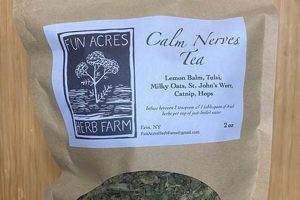
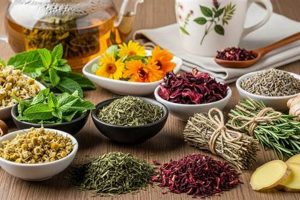
Herbal infusions present a diverse range of taste profiles derived from various plant parts, including leaves, flowers, roots, and seeds. These infusions, often misidentified as teas, offer a caffeine-free alternative to beverages made from Camellia sinensis. For instance, chamomile provides a floral, slightly sweet taste, while peppermint delivers a refreshing, mentholated sensation.
The appeal of these beverages extends beyond mere hydration. Throughout history, specific botanicals have been employed for their perceived medicinal properties and calming effects. Certain infusions are considered to aid digestion, promote relaxation, or boost the immune system. The selection of botanicals used contributes directly to the unique qualities inherent within each cup.
Understanding the characteristics of botanicals allows individuals to appreciate nuances in herbal infusions. Subsequent sections will explore common ingredients, regional variations, and factors influencing perceived qualities, offering insight into creating personalized botanical beverage experiences.
Selecting the optimal botanical infusion involves understanding inherent plant characteristics and desired taste profiles. This section offers practical guidance for informed decisions.
Tip 1: Investigate Ingredient Profiles: Research the dominant plant constituents of any given infusion. Knowledge of inherent plant components will promote predictive selection according to taste preference.
Tip 2: Evaluate Aroma Before Infusion: Aromatic compounds significantly influence the perceived qualities. Carefully assess the dry botanicals’ fragrance to anticipate the infusion’s nuances.
Tip 3: Control Infusion Time and Temperature: Variations in steep time and water temperature drastically alter the release of flavor compounds. Adherence to recommended parameters is crucial for optimal extraction.
Tip 4: Consider Complementary Pairings: Select foods and snacks that complement, rather than compete with, an infusion’s flavor profile. Neutral or subtly sweet options often provide the best accompaniment.
Tip 5: Explore Regional Variations: Different geographic origins can influence the characteristics of a specific plant. Investigating the provenance of botanicals may uncover preferred taste profiles.
Tip 6: Observe Color and Clarity: The visual appearance of an infusion can provide clues about its intensity and potential flavor characteristics. Variations in color may indicate differences in constituent concentrations.
Tip 7: Document Sensory Experiences: Maintaining a personal journal of infusion experiences can improve future selection. Note the botanical composition, preparation parameters, and subjective taste assessments.
Applying these principles fosters an appreciation for the intricacies inherent within botanical infusions, leading to more satisfying sensory experiences.
The concluding section will synthesize key insights and underscore the benefits of thoughtfully selecting botanical infusions based on desired outcomes.
1. Botanical Origin

The botanical origin constitutes a foundational element determining the sensory characteristics of herbal infusions. The inherent chemical composition of a given plant dictates the potential range of flavors and aromas that can be extracted during the infusion process. Understanding botanical origins is therefore crucial for predicting and appreciating the diverse sensory experiences offered by herbal infusions.
- Species-Specific Compounds
Each plant species possesses a unique chemical profile, resulting in distinct infusions. For example, Mentha piperita (peppermint) contains high concentrations of menthol, responsible for its characteristic cooling and refreshing sensation. In contrast, Matricaria chamomilla (chamomile) contains compounds like bisabolol, which contribute to its mild, floral, and slightly sweet taste. These species-specific compounds directly translate into discernible taste differences.
- Plant Part Utilized
Within a single plant species, different partsleaves, flowers, roots, or seedspossess varying concentrations of aromatic and flavor compounds. An infusion made from lavender flowers ( Lavandula angustifolia) will exhibit a predominantly floral and slightly sweet profile. However, if the infusion incorporates the plant’s stems and leaves, a more herbaceous and slightly bitter note may be introduced, demonstrating the influence of the specific plant part used.
- Varietal Differences
Even within the same species, different varietals (cultivated varieties) can exhibit subtle yet significant variations in flavor. Consider the diverse cultivars of apples; similarly, peppermint cultivars may vary in menthol content. Some may have a more pronounced menthol punch, while others may be comparatively milder. Selecting varietals tailored to specific taste preferences therefore becomes an important consideration.
- Harvesting conditions
Even with the same species, harvesting conditions can change the resulting flavors. A specific herb harvested during a dry season might have less oils produced compared to when harvested during a rainy season. The resulting infusion can impact flavors.
The selection of a particular herbal infusion must account for the plant’s origin. Differences in species, harvesting condition, plant part, and variety substantially modify the characteristics of the final beverage. Understanding these factors enables informed decision-making and cultivates a deeper appreciation for the range of sensory experiences botanical infusions provide.
2. Terroir Impact

Terroir, a concept traditionally associated with wine, significantly influences the characteristics of herbal infusions. This encompasses the environmental factors, including soil composition, climate, and altitude, that impact plant growth and subsequent infusion characteristics. Consequently, the geographical origin imparts unique nuances to the flavors of herbal beverages.
- Soil Composition and Mineral Uptake
The mineral content of the soil directly affects a plant’s metabolic processes and the accumulation of secondary metabolites. Plants grown in mineral-rich soils may exhibit heightened levels of specific compounds, such as essential oils or polyphenols, which contribute to the flavor profile. For instance, chamomile grown in calcium-rich soils may exhibit a more pronounced floral aroma compared to plants cultivated in calcium-deficient environments. Different minerals absorbed by the plant, such as selenium or iron, can even change the color and taste of a herbal infusion.
- Climate and Precipitation Patterns
Temperature, sunlight exposure, and precipitation patterns influence the plant’s photosynthetic activity and the production of aromatic compounds. Plants grown in arid climates may develop higher concentrations of essential oils as a protective mechanism against water loss, resulting in infusions with more intense aromas. Conversely, excessive rainfall can dilute flavor compounds. An example of this is mint grown in a hotter and dryer climate will be stronger and more concentrated compared to a plant grown in a cooler, wetter climate.
- Altitude and UV Exposure
Altitude affects ambient temperature, atmospheric pressure, and ultraviolet (UV) radiation levels. Plants grown at higher altitudes are often exposed to greater UV radiation, stimulating the production of protective compounds like flavonoids. These compounds can impart distinct flavors, such as bitterness or astringency, to the resulting infusion. High altitude herbs may be more bitter than the same species grown at lower altitudes.
- Local Ecosystem and Biodiversity
The surrounding ecosystem, including the presence of beneficial microorganisms and pollinators, can also influence plant growth and the resulting infusion. Interactions between plants and soil microorganisms can enhance nutrient uptake and promote the synthesis of secondary metabolites. Additionally, the presence of diverse pollinators may influence genetic diversity within plant populations, leading to subtle variations in flavor profiles. Having richer biodiversity ensures richer and better plant flavor.
In conclusion, terroir plays a crucial role in shaping the complex flavors and aromas of herbal infusions. Understanding these environmental influences allows for a more nuanced appreciation of the variations within and across botanical varieties. Selecting herbal ingredients based on their specific geographical origin may lead to a refined and unique tasting experience.
3. Brewing Method

The brewing method represents a critical determinant of the final flavor profile in herbal infusions. It dictates the extraction efficiency of various flavor compounds from the plant material, influencing the intensity and complexity of the resulting beverage. Variations in water temperature, steeping time, and brewing vessel directly affect the solubility and release of different constituents, leading to a wide range of sensory experiences.
Water temperature exerts a significant influence. High temperatures promote the rapid extraction of both desirable and undesirable compounds, including tannins, which can impart bitterness. Conversely, lower temperatures may not fully extract the aromatic oils and subtle flavors. Steeping time also plays a crucial role; prolonged steeping intensifies the flavors but can also result in an overly bitter or astringent infusion. For example, over-steeping chamomile can lead to a bitter taste, masking its delicate floral notes. The brewing vessel, whether it’s a ceramic teapot or a stainless-steel infuser, can also impact the process through heat retention and potential interactions with the plant material. The type of vessel dictates heat retention, which will determine how fast or slow the compound extracts. This causes a variation of flavor and mouth feel.
Optimizing the brewing method involves careful consideration of the specific herbal material being used. Delicate flowers and leaves typically require lower water temperatures and shorter steeping times compared to roots and barks, which benefit from higher temperatures and longer infusions. Skilled manipulation of these brewing parameters unlocks the full potential of each botanical, allowing for the creation of balanced and nuanced infusions tailored to individual preferences. In summary, brewing method is a key aspect that ensures each botanical component gets their best and unique flavor in the beverage.
4. Aroma Profile
The aroma profile serves as a crucial indicator and modulator of perceived qualities in herbal infusions. It precedes and significantly influences gustatory experiences, shaping initial impressions and setting expectations for the final taste. The volatile compounds released from the herbs during brewing directly stimulate olfactory receptors, creating a multi-sensory experience.
- Impact of Volatile Compounds
Volatile organic compounds (VOCs) released during brewing constitute the aroma profile’s foundation. These compounds, including terpenes, aldehydes, and esters, possess distinct olfactory properties. For example, linalool, a terpene found in lavender, imparts a characteristic floral and slightly sweet aroma. In herbal infusions, these compounds interact to create complex aromatic bouquets. An infusion lacking specific VOCs can be perceived as flat or muted, highlighting their importance in overall quality.
- Influence of Drying and Storage
Drying and storage conditions substantially impact the aroma profile of herbs. Improper drying techniques can lead to the loss of volatile compounds, diminishing the aromatic intensity and complexity. Exposure to air, light, and heat during storage can degrade delicate aromatic molecules. Properly dried and stored herbs retain a more robust and vibrant aroma profile, contributing to a more satisfying infusion experience. A dried herb stored for more than a year will have a less intense scent and taste when brewed.
- Relationship to Taste Perception
Aroma and taste are inextricably linked through retronasal olfaction, where volatile compounds travel from the oral cavity to the olfactory receptors during consumption. The aroma profile influences how the brain perceives the basic tastes (sweet, sour, bitter, salty, and umami). A complementary aroma profile can enhance perceived sweetness or mitigate bitterness. Conversely, an unpleasant aroma can detract from an otherwise palatable taste. The scent predetermines our enjoyment of the beverage before it hits our tastebuds.
- Aroma as a Quality Indicator
The aroma profile serves as a valuable indicator of the overall quality of herbal infusions. A vibrant, complex, and well-defined aroma typically signifies high-quality ingredients and proper processing techniques. Conversely, a weak, musty, or artificial aroma may indicate substandard ingredients or improper storage. Skilled evaluation of the aroma profile can aid in selecting optimal herbal ingredients and assessing the quality of the final infusion.
In conclusion, a nuanced aroma profile significantly enhances the sensory experience of herbal infusions. Understanding the interplay between volatile compounds, processing techniques, and taste perception allows for a more informed appreciation of the diverse qualities within this beverage category.
5. Tannin Levels

Tannin levels exert a demonstrable influence on the sensory characteristics of herbal infusions. These naturally occurring polyphenols contribute to astringency and bitterness, thus playing a defining role in the overall taste profile.
- Astringency Mechanism
Tannins interact with salivary proteins, causing them to precipitate, resulting in a dry, puckering sensation in the mouth. High tannin levels can create an unpleasant astringent effect, overpowering other flavors. For example, infusions prepared with an excess of oak bark exhibit pronounced astringency, which can mask the more subtle nuances of other herbs in the blend. The level of astringency depends on the level of tannins presented in the drink.
- Bitterness Contribution
Tannins contribute to the bitter taste perception by activating bitter taste receptors on the tongue. The intensity of bitterness depends on the type and concentration of tannins present. For instance, infusions derived from black tea leaves, which are high in tannins, typically exhibit a more pronounced bitterness compared to infusions made from chamomile flowers, which contain minimal tannins. The level of bitterness is a critical factor of drink appeal.
- Influence on Color and Clarity
Tannins contribute to the color and clarity of herbal infusions. They can react with metal ions in water to form colored complexes, resulting in a darker hue. High tannin levels can also cause cloudiness or sedimentation in the infusion. For example, infusions brewed with iron-rich water may exhibit a darker, more opaque appearance due to the formation of iron-tannin complexes. Clarity and color enhances enjoyment.
- Balancing with Other Flavors
The perception of tannin-derived astringency and bitterness can be modulated by the presence of other flavor compounds. Sweetness, acidity, and aromatic compounds can help balance the effects of tannins, creating a more harmonious sensory experience. For instance, adding honey or lemon to a tannin-rich infusion can help mitigate the astringency and enhance the overall palatability of the beverage. A balance and complement of flavor can create unique experiences.
Controlling tannin extraction is therefore a vital aspect of preparing balanced and palatable herbal infusions. Adjusting parameters like water temperature, steeping time, and herb-to-water ratio allows for modulating tannin levels and optimizing the final flavor profile.
6. Perceived Sweetness
Perceived sweetness in botanical infusions, while often absent in its direct form, significantly modulates the overall flavor profile. This sensory experience, influenced by aromatic compounds, organic acids, and the suppression of bitterness, alters how individuals interpret the holistic flavor. Unlike sugar-sweetened beverages, sweetness within botanical drinks relies on the interplay of various chemical constituents that indirectly affect sweetness receptors or mask less desirable tastes. For instance, chamomile, despite lacking significant sugar content, may be perceived as mildly sweet due to the presence of floral aromas and compounds that counteract its slight bitterness, rendering a more palatable profile. Understanding this interaction is essential for discerning complex sensory dimensions and formulating more balanced herbal beverages.
The aromatic complexity of an infusion directly correlates with perceived sweetness. Certain volatile compounds, particularly those with floral or fruity notes, can elicit a sense of sweetness even in the absence of sugars. The olfactory system’s contribution influences the gustatory system’s perception; therefore, an infusion rich in fragrant molecules will likely be perceived as sweeter than one with a muted aroma. Moreover, organic acids, while inherently sour, can, in low concentrations, enhance the perception of sweetness by stimulating salivary flow and creating a more vibrant sensory experience. Practical applications of this understanding lie in the careful selection of botanicals with complementary aromatic and acidic profiles to create balanced infusions without added sugars.
In summary, perceived sweetness constitutes an integral component of the flavor experience in botanical infusions, arising from a complex interplay of volatile aromatics, organic acids, and the masking of bitter compounds. While not a direct measure of sugar concentration, it profoundly affects the overall palatability and enjoyment of these beverages. A nuanced understanding of these mechanisms enables informed selection of botanical combinations, promoting the development of diverse and appealing sensory experiences. Challenges remain in quantifying these indirect sweetness effects, yet continued research promises a greater appreciation of the complex chemistry behind these flavors.
Frequently Asked Questions
This section addresses common inquiries and misconceptions related to the flavors inherent in herbal tea, also referred to as herbal infusions or tisanes. The following seeks to provide clarity on aspects of taste, composition, and optimal preparation.
Question 1: What is the primary difference between herbal tea and true tea?
True tea originates from the Camellia sinensis plant and contains caffeine. Herbal tea, conversely, utilizes various plants (flowers, leaves, roots) and does not naturally contain caffeine.
Question 2: Do all herbal teas taste the same?
No. The flavor profiles are exceptionally diverse, determined by the plant species, part of the plant used (root, leaf, flower), and preparation method. Chamomile differs significantly from peppermint, for example.
Question 3: How can the bitterness in herbal tea be reduced?
Bitterness frequently results from over-steeping. Reduce steeping time and carefully control water temperature. Certain herbs naturally possess higher tannin levels contributing to bitterness, requiring mindful preparation.
Question 4: Is the term “flavoring” added to herbal teas always artificial?
Not necessarily. Flavorings may be natural or artificial. Natural flavorings are derived from plant sources, whereas artificial flavorings are synthetically produced. Transparency in product labeling is crucial.
Question 5: Do herbal teas provide health benefits, or is it solely the flavor that is valuable?
Many herbal teas possess bioactive compounds that contribute to health. However, the efficacy of any herbal tea should be verified by consulting with a healthcare professional. The primary benefit is hydration, followed by potential therapeutic effects.
Question 6: Can herbal teas interact with medications?
Yes, certain herbs can interact with medications. Individuals taking prescription drugs should consult with a physician or pharmacist prior to regular consumption of herbal teas. St. Johns Wort is a common example of a potentially interactive herb.
The diversity of flavors in herbal tea presents a complex and fascinating area for exploration. This overview provides an essential grounding for navigating the nuances of selection and preparation.
The succeeding section explores botanical considerations, geographical impact, and brewing recommendations in greater detail.
Flavors of Herbal Tea
The preceding analysis has illuminated the multifarious characteristics inherent to the flavors of herbal tea. The investigation has identified botanical origin, terroir, brewing method, aroma profile, and tannin levels as crucial determinants. These factors, individually and collectively, shape the sensory experience, offering a diverse range of taste profiles beyond mere hydration.
A thorough understanding of these aspects empowers individuals to make informed selections, optimizing flavor experiences and potentially deriving specific benefits. Continued exploration and rigorous assessment of botanical properties remain vital for unlocking the full potential. Such endeavors will refine comprehension and foster a deeper appreciation for the complex and diverse flavors that these botanical infusions offer.