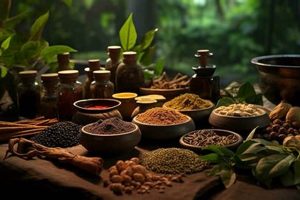
This approach represents the use of botanical remedies to address abnormal connections between two body parts, such as an organ and the skin or between two organs. For example, individuals might explore plant-derived substances in an attempt to alleviate symptoms associated with an anorectal condition, where an irregular channel develops near the anus.
The value of this approach lies in the potential to offer alternatives, particularly for individuals seeking options beyond conventional medicine or those experiencing side effects from standard treatments. Historically, various cultures have employed plant-based therapies for a range of ailments, suggesting a long-standing tradition of utilizing natural resources for healing and wellness. This practice could offer symptomatic relief, address underlying inflammatory processes, or promote tissue repair.
The subsequent sections will delve into specific plants and preparations commonly explored, examining available evidence regarding their efficacy and safety. Furthermore, potential interactions with conventional medications, as well as appropriate dosage and administration guidelines, will be discussed to provide a comprehensive understanding of this complex field.
Guidance on Botanical Interventions for Fistulas
The following guidelines are offered to provide essential considerations when exploring the use of plant-derived therapies to manage fistula-related symptoms. This information is not a substitute for professional medical advice.
Tip 1: Consultation with a Qualified Healthcare Professional is Mandatory. Before initiating any botanical regimen, a thorough discussion with a physician or qualified herbalist is crucial. This step ensures accurate diagnosis, assesses potential interactions with existing medications, and determines the appropriateness of this approach for individual circumstances.
Tip 2: Precise Identification of Botanical Species is Essential. Adulteration and misidentification of plants can lead to adverse effects. Therefore, obtaining botanical products from reputable sources that guarantee species verification through methods such as botanical authentication is necessary.
Tip 3: Prioritize Standardized Extracts over Crude Herbal Preparations. Standardized extracts contain consistent levels of active compounds, allowing for more predictable and reliable therapeutic outcomes. Crude preparations may exhibit variable potency, increasing the risk of ineffectiveness or adverse reactions.
Tip 4: Adherence to Recommended Dosage is Critical. Overconsumption of botanical substances can result in toxicity. Following the dosage recommendations provided by a qualified healthcare professional or as indicated on reputable product labels is paramount.
Tip 5: Monitor for Allergic Reactions and Adverse Effects. Vigilant observation for signs of allergic reactions (e.g., rash, itching, swelling) or other adverse effects (e.g., gastrointestinal distress, headache) is imperative. Discontinue use immediately and seek medical attention if any concerning symptoms arise.
Tip 6: Be Aware of Potential Interactions with Conventional Medications. Certain plants can interact with prescription drugs, either enhancing or diminishing their effects. Inform the healthcare provider about all medications and supplements being taken to minimize the risk of adverse interactions.
Tip 7: Understand the Limitations of Botanical Interventions. While some plants may offer symptomatic relief or support tissue healing, this approach is not a guaranteed cure for fistulas. It may be most effective as a complementary therapy alongside conventional medical treatments.
By adhering to these guidelines, individuals can make informed decisions and minimize potential risks when considering botanical interventions for managing fistula-related conditions.
The subsequent sections will elaborate on the specific botanical species researched, providing a scientific overview and exploring their benefits.
1. Plant Identification

Plant identification forms the bedrock of safe and effective botanical interventions for fistula management. Its importance stems from the vast diversity within the plant kingdom, where closely related species may exhibit drastically different chemical compositions and, consequently, therapeutic effects or potential toxicities.
- Species Adulteration and Misidentification
The substitution of one plant species for another, whether intentional or unintentional, poses a significant risk. For example, Aristolochia species, sometimes mistakenly used in traditional preparations, contain aristolochic acids, potent nephrotoxins and carcinogens. Utilizing the incorrect species in a purported regimen could introduce severe health hazards, counteracting any intended benefits.
- Variations in Chemotype
Even within the same plant species, variations in chemotype the chemical composition of the plant can exist due to factors such as geographical location, growing conditions, and genetic differences. These variations can influence the concentration of active compounds, leading to inconsistent therapeutic outcomes. Relying on an imprecise species identification could result in ineffective or unpredictable results.
- Impact on Dosage and Efficacy
Appropriate dosage regimens are predicated on the specific plant species utilized and its known chemical constituents. Erroneous identification undermines the ability to accurately determine the necessary dosage to achieve the desired therapeutic effect. An improperly identified plant may contain insufficient levels of active compounds or, conversely, excessively high concentrations, leading to either a lack of efficacy or potential toxicity.
- Legal and Regulatory Compliance
The use of certain plant species may be restricted or prohibited due to safety concerns or regulatory limitations. Accurate species identification is crucial for ensuring compliance with relevant legal frameworks. Employing an incorrectly identified plant may lead to legal ramifications or exposure to substances deemed unsafe for human consumption.
Therefore, confirming the botanical identity of any plant used in the context of fistula management is non-negotiable. Employing techniques such as macroscopic and microscopic examination, chemical analysis, and DNA barcoding are essential to ascertain the correct species and safeguard against potential adverse consequences.
2. Preparation Methods

The effectiveness of plant-derived therapies for fistula management is inextricably linked to the preparation methods employed. These techniques dictate the extraction, concentration, and ultimately, the bioavailability of active compounds within the plant material, directly influencing therapeutic outcomes.
- Aqueous Extracts (Teas and Decoctions)
Aqueous extraction, involving steeping or boiling plant material in water, is a common method for preparing herbal remedies. This approach primarily extracts water-soluble compounds, such as polysaccharides and certain flavonoids. However, it may not effectively extract lipophilic (fat-soluble) compounds, potentially limiting the full therapeutic potential of the plant. For example, certain anti-inflammatory triterpenoids, which may contribute to fistula healing, may be poorly extracted using this method. The resultant tea or decoction often requires higher dosages due to the relatively low concentration of active constituents.
- Alcoholic Extracts (Tinctures)
Alcoholic extraction, using ethanol as a solvent, can extract a broader range of compounds compared to aqueous methods, including both water-soluble and some lipophilic constituents. Tinctures typically have a longer shelf life than aqueous extracts and can be more concentrated. However, the presence of alcohol may be a contraindication for certain individuals or may interact with other medications. Dosage adjustments may be necessary based on the alcohol content and the concentration of the extract.
- Oil Infusions
Oil infusions involve soaking plant material in a vegetable oil to extract lipophilic compounds. This method is primarily used for topical applications, where the oil serves as a carrier for the active constituents, facilitating their absorption through the skin. Oil infusions may be employed in managing external fistulas, providing localized anti-inflammatory or wound-healing effects. However, the stability of the infused oil and the potential for rancidity need to be considered during storage.
- Encapsulation and Tableting
Encapsulation and tableting allow for standardized dosages and improved palatability of herbal preparations. Plant extracts, either in powder or liquid form, are enclosed within capsules or compressed into tablets. This method offers convenience and precise dosing, but the bioavailability of the active compounds may be affected by the capsule or tablet formulation. Disintegration and dissolution rates need to be carefully considered to ensure optimal absorption.
The selection of an appropriate preparation method should consider the chemical properties of the desired active compounds, the intended route of administration, and the patient’s individual needs and preferences. Furthermore, standardization of preparation procedures is essential for ensuring batch-to-batch consistency and reproducibility of therapeutic effects.
3. Dosage Considerations

Accurate determination of dosage is paramount in “fistula herbal treatment” due to the inherent variability in plant-derived compounds and individual physiological responses. An insufficient dose may render the treatment ineffective, failing to alleviate symptoms or promote healing. Conversely, an excessive dose can trigger adverse effects, ranging from mild gastrointestinal distress to severe organ toxicity. This cause-and-effect relationship underscores the critical importance of precise dosage as an indispensable component of responsible herbal management.
The standardization of herbal products, where possible, aims to address this challenge. Standardized extracts guarantee a consistent concentration of active constituents, allowing for more predictable dosing. However, individual factors, such as age, weight, metabolic rate, and concurrent medical conditions, can influence drug absorption, distribution, metabolism, and excretion (ADME). For instance, a patient with compromised liver function may exhibit impaired metabolism of certain herbal compounds, requiring a lower dosage to avoid toxicity. Similarly, interactions with conventional medications can alter the bioavailability or efficacy of botanical treatments, necessitating dosage adjustments. An example is the potential interaction between St. John’s Wort and certain immunosuppressants, commonly prescribed in patients with inflammatory bowel disease, which could impact fistula healing. This highlights the practical need for comprehensive assessment and individualized dosage recommendations by qualified healthcare professionals.
In summary, appropriate dosage in “fistula herbal treatment” demands careful consideration of both product standardization and individual patient characteristics. The absence of rigorous clinical trials and standardized dosing guidelines for many herbal remedies presents a significant challenge. Therefore, a conservative approach, starting with low doses and gradually titrating upwards under the guidance of a knowledgeable practitioner, is often warranted to minimize the risk of adverse events and maximize therapeutic benefits. Further research is needed to establish evidence-based dosing recommendations and optimize the safe and effective application of herbal therapies in fistula management.
4. Mechanism of Action

Understanding the mechanism of action of plant-derived compounds is essential for rational application in fistula management. Elucidating these mechanisms allows for a more targeted and potentially effective approach, moving beyond empirical or traditional use toward evidence-based practice.
- Anti-inflammatory Effects
Many botanicals exert their influence via modulation of the inflammatory response. For example, compounds like curcumin (from Curcuma longa) inhibit pro-inflammatory cytokines such as TNF- and IL-6, which are implicated in fistula development and persistence. Quercetin, found in numerous plants, possesses similar anti-inflammatory properties by inhibiting mast cell activation and reducing histamine release. By downregulating inflammation, these agents may promote fistula closure and reduce associated symptoms like pain and swelling.
- Antimicrobial Activity
Secondary infections can complicate fistula management, hindering healing and potentially leading to systemic complications. Certain plant extracts exhibit antimicrobial activity against common pathogens. Melaleuca alternifolia (tea tree oil), for example, demonstrates broad-spectrum antibacterial and antifungal effects, inhibiting the growth of organisms such as Staphylococcus aureus and Candida albicans. Topical application of such agents can help prevent or treat infections within the fistula tract, supporting the natural healing process.
- Wound Healing Promotion
Several botanicals contain constituents that stimulate tissue regeneration and promote wound closure. Centella asiatica (Gotu Kola), for instance, contains triterpenoids that enhance collagen synthesis and angiogenesis, crucial processes in wound healing. Aloe vera gel contains polysaccharides that promote fibroblast proliferation and epithelialization. Application of these substances can potentially accelerate fistula closure by supporting the formation of new tissue and reducing scarring.
- Immunomodulation
The immune system plays a complex role in fistula pathogenesis, with both excessive inflammation and impaired immune responses potentially contributing to the condition. Certain plants possess immunomodulatory properties, helping to restore balance to the immune system. Echinacea purpurea stimulates phagocytosis and increases the production of interferon, enhancing the body’s ability to fight infection and promote tissue repair. Careful consideration is necessary, as immunomodulation can have variable effects depending on the individual’s immune status and the specific compounds involved.
These multifaceted mechanisms underscore the complexity of botanical interventions in fistula management. While individual plants may exert their effects through one or more of these pathways, further research is needed to fully elucidate their specific actions and optimize their application in clinical practice. A comprehensive understanding of these mechanisms can aid in the selection of appropriate botanical remedies and the development of targeted treatment strategies.
5. Efficacy Evidence

The assessment of efficacy evidence is critical in evaluating the potential role of herbal treatments for fistulas. The strength and quality of evidence directly influence the confidence with which botanical remedies can be recommended or incorporated into treatment strategies.
- Limited Clinical Trials
A significant limitation in establishing the efficacy of herbal treatments lies in the scarcity of robust, randomized, controlled clinical trials. Many claims regarding the effectiveness of botanical interventions are based on traditional use, anecdotal reports, or preclinical studies. The absence of rigorous clinical trials makes it challenging to definitively determine the benefits and risks associated with specific herbal remedies for fistulas. For example, while certain herbs may exhibit anti-inflammatory properties in vitro, their actual impact on fistula healing in human subjects remains largely unconfirmed through clinical research.
- Variability in Study Design and Methodology
Even when clinical studies are available, they often exhibit considerable variability in study design, methodology, and outcome measures. This heterogeneity makes it difficult to compare results across different studies and draw firm conclusions about the overall efficacy of a particular herbal treatment. For instance, studies may differ in terms of the specific herbal preparation used (e.g., crude extract vs. standardized extract), the dosage administered, the duration of treatment, and the criteria used to define fistula closure. This inconsistency introduces uncertainty and limits the generalizability of study findings.
- Challenges in Blinding and Placebo Control
Blinding and placebo control are essential components of well-designed clinical trials. However, achieving adequate blinding in herbal medicine research can be challenging due to the distinctive taste, odor, or appearance of many herbal preparations. This lack of effective blinding can introduce bias into the study results, potentially overestimating the true efficacy of the herbal treatment. Furthermore, the concept of a “placebo effect” may be particularly relevant in herbal medicine, where the act of taking a natural remedy can elicit positive expectations and influence subjective outcomes such as pain relief or overall well-being.
- Potential for Publication Bias
Publication bias, the tendency to preferentially publish studies with positive results, can further distort the available evidence base. Studies that fail to demonstrate a significant benefit from herbal treatment may be less likely to be published, leading to an overestimation of efficacy in the literature. This bias underscores the importance of considering all available evidence, including unpublished studies and grey literature, when evaluating the potential role of herbal treatments for fistulas.
The scarcity of high-quality efficacy evidence necessitates a cautious approach to the use of herbal treatments for fistulas. While some botanical remedies may offer potential benefits, these must be weighed against the potential risks and limitations, in the context of conventional medical treatments, ideally under the supervision of qualified healthcare professionals.
6. Safety Profile

The safety profile of any therapeutic intervention, including botanical approaches for managing fistulas, constitutes a crucial determinant in its overall utility. The potential for adverse events, interactions with conventional medications, and contraindications must be rigorously evaluated to ensure responsible and ethical application.
- Potential for Allergic Reactions
Plant-derived substances contain a complex array of compounds, some of which can trigger allergic reactions in susceptible individuals. These reactions may manifest as skin rashes, itching, hives, or, in severe cases, anaphylaxis. For example, topical application of certain essential oils, such as tea tree oil, has been associated with allergic contact dermatitis in some patients. Therefore, a thorough allergy history and cautious introduction of botanical remedies are essential to minimize the risk of allergic complications in the setting of herbal treatment.
- Hepatic and Renal Toxicity
The liver and kidneys play critical roles in the metabolism and elimination of xenobiotics, including plant-derived compounds. Certain herbal remedies possess the potential to induce hepatotoxicity (liver damage) or nephrotoxicity (kidney damage), particularly with prolonged use or in individuals with pre-existing hepatic or renal impairment. For example, pyrrolizidine alkaloids, found in some plants, are known hepatotoxins. Consequently, assessment of liver and kidney function is advisable prior to and during the course of fistula herbal treatment, along with careful monitoring for signs of toxicity.
- Interactions with Conventional Medications
Herbal remedies can interact with conventional medications through various mechanisms, including affecting drug absorption, distribution, metabolism, and excretion. These interactions can either enhance or diminish the efficacy of conventional medications, or increase the risk of adverse effects. For example, St. John’s Wort, a commonly used herbal antidepressant, can induce hepatic enzymes that metabolize numerous medications, potentially reducing their plasma concentrations. Therefore, a comprehensive medication review is crucial to identify and manage potential herb-drug interactions when considering this approach for fistula management.
- Quality Control and Adulteration
The quality and purity of herbal products can vary significantly, depending on factors such as sourcing, manufacturing processes, and regulatory oversight. Adulteration, the deliberate or unintentional contamination of herbal products with other substances, poses a significant safety risk. For instance, heavy metals, pesticides, or undeclared pharmaceutical ingredients have been detected in some herbal products. Ensuring quality control and sourcing herbal remedies from reputable suppliers is imperative to minimize the risk of adulteration and ensure product safety.
The safety profile must be thoroughly investigated, encompassing potential adverse events, interactions, and quality concerns, when botanicals are considered. A nuanced understanding of these considerations is essential for making informed decisions. This ensures the responsible and ethical application of these therapeutic modalities within the complex context of fistula management.
7. Regulatory Status

The regulatory framework governing herbal treatments directly impacts their accessibility, quality, and the information available to both practitioners and patients. A lack of stringent regulations can lead to inconsistencies in product standardization, inaccurate labeling, and potential adulteration with harmful substances. This deficiency poses risks to individuals seeking such options for conditions like fistulas. For example, in some jurisdictions, herbal products are classified as dietary supplements, subjecting them to less rigorous testing and oversight compared to pharmaceuticals. Consequently, the concentration of active ingredients may vary significantly between batches, and claims regarding efficacy may lack scientific validation. This discrepancy could result in ineffective treatment or, worse, adverse health outcomes.
Conversely, countries with well-defined regulatory pathways for herbal medicines often mandate quality control standards, Good Manufacturing Practices (GMP), and evidence of safety and efficacy before products can be marketed. These regulations provide a greater level of assurance regarding product consistency and protect consumers from potentially harmful or ineffective remedies. In Germany, for instance, herbal medicines are subject to regulatory oversight by the Federal Institute for Drugs and Medical Devices (BfArM), which requires manufacturers to demonstrate the quality, safety, and efficacy of their products through clinical trials or established use data. Such a system contributes to a higher level of confidence among healthcare providers and patients regarding the use of herbal treatments.
The patchwork of regulatory approaches globally presents both opportunities and challenges. Individuals considering these approaches must navigate a complex landscape of varying standards and information quality. A comprehensive understanding of the regulatory status of herbal medicines in their jurisdiction is essential, coupled with consultation from qualified healthcare professionals familiar with both conventional and complementary therapies. The future of herbal treatments hinges on the establishment of robust regulatory frameworks that prioritize patient safety, product quality, and evidence-based practice, fostering trust and confidence in these therapeutic modalities.
Frequently Asked Questions
The following questions and answers address common inquiries and concerns regarding the utilization of botanical therapies. The goal is to provide clear and concise information based on current understanding, while emphasizing the importance of consulting qualified healthcare professionals.
Question 1: Is “fistula herbal treatment” a scientifically proven alternative to conventional medical care?
The evidence supporting the use of botanical interventions as a primary treatment for fistulas remains limited. Conventional medical approaches, such as surgery and medication, are generally considered the standard of care. This alternative approach may potentially serve as a complementary therapy under the guidance of a qualified practitioner.
Question 2: Are all herbal remedies safe to use?
No. The safety of herbal remedies varies significantly. Some plants may contain toxic compounds, interact with conventional medications, or trigger allergic reactions. Accurate identification, proper preparation, and appropriate dosage are critical to minimize the risk of adverse effects. Consultation with a qualified healthcare professional is strongly advised.
Question 3: How does one determine the appropriate dosage of a botanical preparation?
Dosage recommendations for herbal remedies are often based on traditional use or limited clinical data. Factors such as age, weight, health status, and potential interactions with other medications can influence the appropriate dosage. Consulting with a qualified herbalist or healthcare provider is essential to determine a safe and effective dosage regimen.
Question 4: Are there specific herbal remedies that are known to be effective for fistula healing?
While some botanical remedies have demonstrated anti-inflammatory, antimicrobial, or wound-healing properties in vitro and in animal studies, definitive evidence of their efficacy in promoting fistula healing in humans is lacking. Further research is needed to identify specific herbs that may offer therapeutic benefits.
Question 5: Can herbal treatments interfere with conventional medical therapies for fistulas?
Yes. Herbal remedies can potentially interact with conventional medications, either enhancing or diminishing their effects. This interaction can lead to adverse outcomes or reduced therapeutic efficacy. It is crucial to inform the healthcare provider about all medications and supplements being taken, including herbal remedies, to minimize the risk of adverse interactions.
Question 6: Where can reliable information about “fistula herbal treatment” be obtained?
Reputable sources of information include peer-reviewed scientific journals, academic textbooks, and websites of professional organizations specializing in herbal medicine. However, it is essential to critically evaluate the information and consult with a qualified healthcare professional for personalized advice.
In conclusion, while certain botanical approaches may offer potential benefits, their use should be approached with caution. A thorough understanding of the potential risks, benefits, and limitations, along with close collaboration with qualified healthcare professionals, is essential to ensure responsible and safe application.
The subsequent sections will explore considerations regarding the integration of this approach within conventional medical practice, emphasizing the importance of interdisciplinary collaboration.
Conclusion
The exploration of “fistula herbal treatment” reveals a complex landscape characterized by both potential and limitations. While traditional use and preliminary research suggest possible benefits from certain botanical remedies, the scarcity of robust clinical evidence necessitates a cautious approach. Factors such as plant identification, preparation methods, dosage considerations, and potential interactions with conventional medications all require careful evaluation. The regulatory status of herbal products further complicates the issue, highlighting the importance of sourcing from reputable suppliers and consulting with qualified healthcare professionals.
The responsible integration of botanical approaches into fistula management demands a commitment to evidence-based practice, rigorous scientific investigation, and interdisciplinary collaboration. Future research should focus on conducting well-designed clinical trials to assess the efficacy and safety of specific herbal remedies, as well as developing standardized protocols for their use. Ultimately, the goal is to provide individuals with safe and effective treatment options that are supported by sound scientific evidence.