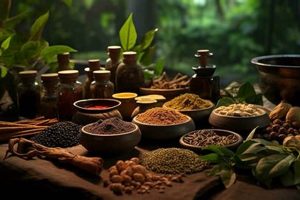
Approaches utilizing plant-derived substances to manage uterine fibroids represent a growing area of interest. These strategies involve the use of various botanical remedies believed to possess properties that can influence fibroid growth, hormonal balance, and associated symptoms. For instance, some herbal protocols include formulations intended to reduce inflammation, modulate estrogen levels, or promote the shrinkage of fibroid tissue.
The significance of exploring botanical interventions stems from a desire for less invasive or more holistic options in addressing uterine fibroids. Throughout history, different cultures have employed herbal medicine to treat a range of gynecological conditions, including those related to the reproductive system. Investigating these traditional practices, alongside modern scientific research, can provide valuable insights into the potential benefits and limitations of plant-based approaches for fibroid management.
The subsequent sections will delve into specific herbal remedies commonly used in this context, examining their purported mechanisms of action and the available evidence supporting their effectiveness. Furthermore, the discussion will address crucial aspects such as safety considerations, potential interactions with conventional medications, and the importance of consulting with qualified healthcare professionals before initiating any such treatment regimen.
Guidance on Botanical Approaches for Uterine Fibroid Management
The following recommendations aim to provide clarity and direction for individuals considering plant-derived interventions for uterine fibroids. This guidance emphasizes responsible decision-making and the integration of botanical strategies within a comprehensive healthcare plan.
Tip 1: Prioritize Consultation with a Qualified Healthcare Provider: Before initiating any herbal regimen for fibroid management, a thorough consultation with a physician or licensed healthcare practitioner is essential. This ensures accurate diagnosis, evaluation of potential risks, and consideration of individualized treatment options.
Tip 2: Seek Guidance from a Qualified Herbalist or Naturopathic Doctor: If pursuing botanical treatments, collaborate with a trained herbalist or naturopathic doctor experienced in gynecological health. These practitioners can provide personalized recommendations based on individual health profiles and fibroid characteristics.
Tip 3: Focus on Evidence-Based Herbal Remedies: While traditional uses of herbs are valuable, prioritize remedies with some level of scientific evidence supporting their safety and efficacy for fibroid management. Be cautious of unsubstantiated claims and prioritize remedies with a history of safe and effective use.
Tip 4: Be Aware of Potential Interactions and Contraindications: Herbal remedies can interact with conventional medications and may be contraindicated for individuals with certain medical conditions. Disclose all medications and health conditions to healthcare providers and herbalists to minimize potential risks.
Tip 5: Adhere to Recommended Dosages and Duration of Use: Strictly follow the recommended dosages and duration of use provided by a qualified practitioner. Avoid self-treating with high doses or prolonged use without professional supervision.
Tip 6: Monitor Symptoms and Report Any Adverse Effects: Closely monitor fibroid-related symptoms and report any adverse effects or unusual reactions to healthcare providers promptly. This allows for timely adjustments to the treatment plan and minimizes potential complications.
Tip 7: Combine Herbal Approaches with Lifestyle Modifications: Optimal fibroid management often involves a combination of herbal remedies and lifestyle modifications, such as dietary changes, stress reduction techniques, and regular exercise. Adopt a holistic approach to enhance overall well-being.
Adhering to these guidelines can facilitate informed decision-making and promote safe and effective utilization of plant-derived strategies in the management of uterine fibroids. A collaborative approach involving conventional medical care and qualified herbal practitioners is crucial for optimizing treatment outcomes.
The subsequent sections will explore the research and clinical evidence related to botanical interventions for uterine fibroids in greater detail.
1. Herb selection rationale

The rationale behind herb selection forms the bedrock of any botanical intervention aimed at managing uterine fibroids. This involves a systematic and informed process of choosing specific plant-derived remedies based on their purported mechanisms of action, potential benefits, and suitability for individual patient profiles. A sound rationale is not merely based on anecdotal evidence but should ideally integrate traditional knowledge with contemporary scientific understanding.
- Phytochemical Properties and Mechanism of Action
Herb selection should prioritize plants containing specific phytochemicals known or suspected to influence fibroid growth or related hormonal pathways. For example, certain herbs may contain compounds that modulate estrogen activity, possess anti-inflammatory properties, or promote apoptosis (programmed cell death) in fibroid cells. A thorough understanding of these mechanisms allows for targeted selection of herbs with the potential to address the underlying pathophysiology of fibroids.
- Traditional Use and Ethnobotanical Data
Traditional medicine systems often provide valuable insights into the historical use of herbs for gynecological conditions, including fibroids. Ethnobotanical data can reveal specific plants and preparations that have been traditionally employed to alleviate symptoms or reduce fibroid size. While traditional use does not guarantee efficacy, it can provide a starting point for further investigation and inform the selection of herbs with a long history of use in similar contexts.
- Safety Profile and Potential Interactions
A critical aspect of herb selection is evaluating the safety profile and potential interactions with conventional medications or pre-existing health conditions. Some herbs may have contraindications for certain individuals or may interact negatively with pharmaceuticals. A comprehensive assessment of the patient’s medical history and medication list is essential to minimize the risk of adverse effects. Reputable sources of information on herb safety and interactions should be consulted to ensure responsible herb selection.
- Individual Patient Characteristics and Presentation
Herb selection should be tailored to the individual patient’s characteristics, including their age, overall health, symptom severity, and fibroid size and location. A holistic assessment of the patient’s health status allows for the selection of herbs that are most likely to be effective and well-tolerated. For example, herbs that are traditionally used to address heavy menstrual bleeding may be prioritized for patients experiencing this symptom, while herbs with potential estrogen-modulating effects may be considered for patients with hormonally sensitive fibroids.
In summary, the rationale underpinning herb selection for botanical management of uterine fibroids demands a synthesis of scientific knowledge, traditional use, safety considerations, and individual patient factors. This multifaceted approach aims to optimize treatment outcomes and minimize potential risks, emphasizing the importance of working with qualified healthcare professionals experienced in both conventional medicine and herbal therapies.
2. Dosage precision

Dosage precision in the context of botanical interventions for uterine fibroids directly influences therapeutic outcomes and patient safety. The potency of herbal remedies can vary significantly depending on factors such as plant source, preparation method, and concentration of active constituents. Consequently, imprecise dosing can lead to either sub-therapeutic effects, failing to alleviate symptoms or inhibit fibroid growth, or adverse reactions due to excessive exposure. For instance, an insufficient dosage of a phytoestrogen-modulating herb might not effectively regulate hormonal imbalances contributing to fibroid development, while an excessive dose could paradoxically stimulate fibroid growth or induce unwanted side effects.
The importance of dosage precision extends beyond simply following generalized guidelines. Individual patient factors, including body weight, metabolic rate, liver function, and concurrent medications, play a crucial role in determining the optimal dosage. A standardized dosage that is effective for one individual may be either ineffective or harmful for another. Furthermore, the synergistic or antagonistic effects of combining multiple herbs in a single formulation necessitate careful consideration of individual herb dosages to avoid unintended consequences. Some herbs that influence blood clotting, for example, could pose significant risks if combined inappropriately or administered at excessive doses, particularly for patients undergoing surgical procedures or taking anticoagulant medications.
In conclusion, dosage precision represents a critical component of responsible botanical approaches to uterine fibroid management. Accurate dosing optimizes therapeutic benefits while minimizing the risk of adverse effects, necessitating personalized treatment plans under the guidance of qualified healthcare professionals. Ignoring dosage precision can render botanical interventions ineffective or even dangerous, underscoring the need for evidence-based practices and individualized patient care within this field.
3. Treatment duration

The period over which botanical interventions are administered for uterine fibroids is a critical determinant of therapeutic success. The duration of the treatment regimen directly influences the opportunity for herbal constituents to exert their purported effects on fibroid growth, hormonal balance, and associated symptoms. Insufficient treatment duration may preclude any measurable impact, while excessively prolonged use could potentially increase the risk of adverse effects. Real-world examples demonstrate that short-term use of certain herbal formulations may offer temporary symptom relief, such as reduced menstrual bleeding, but fail to induce substantial fibroid shrinkage or prevent recurrence. Conversely, sustained use of specific herbal combinations, under appropriate medical supervision, has been associated with gradual reductions in fibroid size and improvements in overall quality of life for some individuals.
Practical applications of this understanding necessitate individualized treatment plans that consider factors such as fibroid size and location, symptom severity, patient health status, and the specific properties of the chosen herbal remedies. For instance, a patient with large, symptomatic fibroids may require a longer treatment duration compared to someone with smaller, asymptomatic fibroids. Furthermore, the potential for interactions between herbal constituents and conventional medications must be carefully evaluated when determining the optimal treatment duration. Regular monitoring of treatment response through imaging studies and symptom tracking is essential to adjust the duration as needed.
In conclusion, the duration of herbal treatment for uterine fibroids is an integral component of a comprehensive management strategy. It presents a challenge in balancing the need for sufficient exposure to herbal constituents for therapeutic effects against the potential for adverse events with prolonged use. A tailored approach, guided by experienced healthcare professionals and informed by ongoing monitoring, is essential to optimize treatment duration and maximize the benefits of botanical interventions.
4. Safety monitoring

The implementation of rigorous safety monitoring is a crucial component of any botanical approach to managing uterine fibroids. Due to the inherent biological activity of herbal remedies, their potential for interactions with conventional medications, and the variability in individual patient responses, close observation and evaluation are essential to mitigate risks. Insufficient safety monitoring can result in undetected adverse effects, delayed intervention for emerging complications, and a compromised therapeutic outcome. For example, certain herbal formulations may contain compounds that affect blood clotting, potentially increasing the risk of bleeding complications, particularly when administered concurrently with anticoagulant medications. Without vigilant monitoring of hematological parameters, such risks may go unnoticed, leading to potentially serious consequences.
Practical applications of safety monitoring in this context involve several key elements. Comprehensive patient history-taking, including details of pre-existing medical conditions and current medication use, is paramount. Baseline laboratory testing, such as liver function tests, kidney function tests, and complete blood counts, provides a basis for comparison during treatment. Regular follow-up appointments allow for symptom assessment, evaluation of treatment response, and detection of any adverse effects. Specific monitoring parameters may vary depending on the individual patient and the specific herbal remedies being used. For example, women with a history of estrogen-sensitive conditions may require closer monitoring of hormone levels.
In conclusion, safety monitoring constitutes an indispensable element of responsible botanical interventions for uterine fibroids. Its significance lies in mitigating risks, optimizing therapeutic outcomes, and protecting patient well-being. Challenges in implementing effective safety monitoring include the lack of standardized protocols for herbal medicine and the potential for patients to underreport adverse effects. Ongoing research aimed at establishing evidence-based safety guidelines and promoting open communication between patients and healthcare providers is essential to enhance the safety and effectiveness of botanical approaches in fibroid management.
5. Potential Interactions
The intersection of herbal remedies and conventional pharmaceuticals in the context of uterine fibroid management necessitates careful consideration of potential interactions. The complex biochemical composition of herbal products introduces the possibility of pharmacokinetic and pharmacodynamic interactions that may alter the efficacy or safety profile of concurrently administered medications.
- Herb-Drug Interactions Affecting Metabolism
Many herbal remedies can influence the activity of cytochrome P450 (CYP) enzymes, which are crucial for the metabolism of numerous prescription drugs. Induction of CYP enzymes can accelerate drug metabolism, potentially reducing the therapeutic concentration of medications used to manage fibroid-related symptoms, such as pain relievers or hormonal therapies. Conversely, inhibition of CYP enzymes can slow drug metabolism, leading to elevated drug levels and an increased risk of adverse effects. For example, St. John’s Wort, known to induce CYP3A4, may decrease the effectiveness of certain oral contraceptives commonly prescribed for menstrual cycle regulation in women with fibroids.
- Herb-Drug Interactions Affecting Absorption and Excretion
Certain herbal constituents can interfere with the absorption or excretion of drugs from the body. Some herbs may bind to drugs in the gastrointestinal tract, reducing their bioavailability and therapeutic effect. Other herbs can influence renal excretion, either increasing or decreasing drug clearance. For instance, some herbal diuretics may enhance the excretion of certain medications, potentially leading to subtherapeutic drug levels. These types of interactions highlight the importance of considering the timing of herbal remedy and drug administration to minimize potential effects on drug absorption and elimination.
- Pharmacodynamic Interactions
Pharmacodynamic interactions occur when herbal remedies and conventional medications affect the same physiological systems or have additive or antagonistic effects. For example, both herbal remedies and conventional drugs may exert anticoagulant effects, increasing the risk of bleeding complications. Similarly, certain herbal products and pharmaceuticals may influence blood pressure or heart rate, leading to synergistic or opposing effects. Patients considering herbal therapies should be thoroughly evaluated for potential additive or antagonistic effects with their current medications.
- Impact on Hormonal Therapies
Many herbal remedies are believed to exert estrogenic or anti-estrogenic effects, which may influence the efficacy of hormonal therapies used to manage uterine fibroids. For example, certain phytoestrogen-containing herbs may interfere with the action of selective estrogen receptor modulators (SERMs) or aromatase inhibitors, potentially diminishing their therapeutic benefit. It is therefore essential to carefully evaluate the potential impact of herbal remedies on the hormonal milieu, especially in patients undergoing hormonal treatment for fibroids.
These facets highlight the intricate interplay between herbal remedies and conventional medications used in fibroid management. Careful consideration of potential interactions is crucial to ensuring patient safety and optimizing therapeutic outcomes. A collaborative approach involving healthcare providers with expertise in both conventional and herbal medicine is essential for navigating these complexities and developing individualized treatment plans that minimize risks and maximize benefits.
6. Individual responses

The variability observed in patient response to botanical interventions for uterine fibroids underscores the multifaceted nature of both the condition itself and the pharmacological effects of herbal remedies. This inherent heterogeneity necessitates a nuanced understanding of factors influencing individual outcomes.
- Genetic Predisposition and Pharmacogenomics
Genetic variations influencing drug metabolism and receptor sensitivity can significantly impact the efficacy and tolerability of herbal treatments. Polymorphisms in genes encoding CYP enzymes, for example, can alter the rate at which herbal constituents are metabolized, leading to variations in plasma concentrations and therapeutic effects. Similarly, genetic variations in hormone receptor genes may influence an individual’s sensitivity to phytoestrogens present in some herbal formulations. Therefore, genetic factors represent a crucial determinant of individual responses to botanical therapies.
- Physiological and Metabolic Factors
Individual differences in physiological parameters, such as body weight, body composition, liver function, and kidney function, can affect the absorption, distribution, metabolism, and excretion of herbal constituents. Patients with impaired liver or kidney function may experience altered drug clearance, potentially leading to increased drug exposure and a higher risk of adverse effects. Similarly, variations in gastrointestinal motility and gut microbiota composition can influence the absorption of orally administered herbal remedies. These physiological and metabolic factors contribute significantly to the diversity of responses observed in clinical practice.
- Concurrent Medical Conditions and Medications
The presence of concurrent medical conditions and the use of other medications can influence the response to botanical treatments through various mechanisms. For example, patients with inflammatory conditions may exhibit altered immune responses to herbal remedies. Moreover, interactions between herbal constituents and conventional medications can affect drug metabolism, transport, or receptor binding, potentially leading to synergistic or antagonistic effects. Therefore, a comprehensive assessment of a patient’s medical history and current medications is essential to predict potential interactions and tailor treatment accordingly.
- Lifestyle and Environmental Factors
Lifestyle and environmental factors, such as diet, exercise, stress levels, and exposure to environmental toxins, can modulate the physiological effects of herbal remedies. Dietary factors, for example, can influence the absorption and metabolism of herbal constituents, while stress can affect hormonal balance and immune function, potentially altering the response to herbal interventions. Therefore, a holistic approach that considers lifestyle and environmental factors is essential to optimize treatment outcomes and address individual patient needs.
These facets illustrate the complexity of individual responses to plant-derived substances utilized for fibroid management. A comprehensive understanding of these factors is paramount for healthcare professionals to provide personalized care, optimize treatment outcomes, and minimize potential risks. Ignoring these considerations can compromise the efficacy and safety of botanical interventions, thereby undermining their potential benefits.
7. Professional guidance
The domain of plant-derived interventions for uterine fibroids necessitates the involvement of qualified healthcare professionals to ensure both safety and efficacy. Self-administration of herbal remedies without appropriate oversight can pose significant risks, underscoring the importance of professional guidance in this context.
- Accurate Diagnosis and Assessment
A trained healthcare provider can accurately diagnose uterine fibroids, differentiate them from other conditions, and assess their size, location, and impact on the patient’s health. This assessment is crucial for determining the appropriateness of herbal treatment and for monitoring its effectiveness. Reliance on self-diagnosis or anecdotal information can lead to misdiagnosis and inappropriate treatment choices, potentially delaying necessary conventional medical interventions.
- Personalized Treatment Plans
Qualified practitioners can develop individualized treatment plans based on a patient’s specific needs, medical history, and response to therapy. These plans may incorporate a combination of herbal remedies, dietary modifications, lifestyle adjustments, and conventional medical treatments, tailored to achieve optimal outcomes. Generic herbal regimens may not adequately address individual patient variations and could be ineffective or even harmful.
- Safety Monitoring and Adverse Event Management
Healthcare professionals are equipped to monitor patients for potential adverse effects of herbal remedies and to manage any complications that may arise. This includes evaluating herb-drug interactions, assessing liver and kidney function, and monitoring for signs of allergic reactions. Without professional oversight, adverse events may go undetected, leading to potentially serious health consequences.
- Integration with Conventional Medical Care
Collaboration between healthcare providers skilled in both conventional and herbal medicine is essential for ensuring coordinated and comprehensive care. This collaboration facilitates the integration of herbal treatments with conventional medical interventions, such as surgery or hormonal therapy, when appropriate. A fragmented approach to treatment can lead to conflicting recommendations and suboptimal outcomes.
The components above underscore the pivotal role of professional guidance in the responsible and effective utilization of plant-derived strategies for fibroid management. Engaging qualified healthcare providers promotes patient safety, optimizes treatment outcomes, and facilitates integration of plant-derived substance within a complete healthcare approach.
Frequently Asked Questions Regarding Fibroid Herbal Treatment
The following section addresses common inquiries concerning the use of plant-derived interventions for uterine fibroids. The information provided aims to offer clarity and a deeper understanding of this multifaceted approach.
Question 1: Is plant-derived intervention a substitute for conventional medical treatment for uterine fibroids?
Plant-derived intervention should not be considered a replacement for conventional medical treatments for uterine fibroids, particularly in cases involving severe symptoms or large fibroid size. Consultation with a qualified healthcare provider is essential to determine the most appropriate course of action.
Question 2: What level of scientific evidence supports the effectiveness of fibroid plant-derived substance?
The level of scientific evidence supporting the effectiveness of varies among different herbal remedies. Some herbs have demonstrated promising results in preclinical or early-stage clinical studies, while others lack rigorous scientific validation. Evidence-based decision-making requires a thorough assessment of the available research and expert guidance.
Question 3: Are there any inherent risks associated with using plant-derived substance for fibroid management?
Potential risks associated with plant-derived substance include allergic reactions, herb-drug interactions, and adverse effects on liver or kidney function. Consultation with a qualified herbalist and disclosure of all medications and medical conditions is imperative to mitigate these risks.
Question 4: How long does it typically take to see results from plant-derived substance?
The time frame for observing noticeable results from plant-derived substance varies depending on individual factors, fibroid size, and the specific herbal remedies employed. Some individuals may experience symptom relief within weeks, while others may require several months to observe measurable changes. Realistic expectations and consistent adherence to the treatment plan are crucial.
Question 5: Are all plant-derived substance safe for long-term use?
The safety of long-term plant-derived substance varies among different herbal remedies. Some herbs may be safe for prolonged use under appropriate medical supervision, while others may pose risks with extended administration. Regular monitoring and periodic reassessment are essential to ensure continued safety.
Question 6: Can plant-derived substance eliminate uterine fibroids entirely?
While some studies suggest that certain plant-derived substance may contribute to fibroid shrinkage, complete elimination of uterine fibroids is not always achievable with plant-derived interventions alone. Conventional medical treatments, such as surgery or hormonal therapy, may be necessary in certain cases.
Responsible utilization of plant-derived substance necessitates informed decision-making, collaboration with healthcare professionals, and a comprehensive understanding of potential benefits and risks.
The subsequent sections will explore specific herbal remedies commonly used for fibroid management in greater detail.
Conclusion
This exploration of fibroid herbal treatment has illuminated both the potential and the limitations of employing plant-derived substances in managing uterine fibroids. Key points include the necessity of a sound herb selection rationale, the importance of dosage precision, the critical role of treatment duration, and the indispensable nature of safety monitoring. Furthermore, the consideration of potential interactions and the recognition of individual responses are vital to informed decision-making. Professional guidance emerges as a cornerstone of responsible utilization.
The ongoing pursuit of rigorous scientific investigation into fibroid herbal treatment is essential. Future research should focus on well-designed clinical trials to evaluate the efficacy and safety of specific herbal remedies. The integration of botanical strategies within a comprehensive healthcare plan, guided by qualified practitioners, represents a promising avenue for improved fibroid management. The need for open communication between patients and healthcare providers cannot be overstated, as informed consent and shared decision-making are paramount.