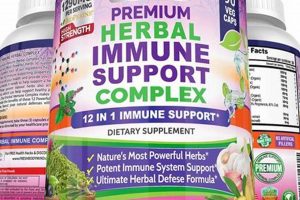
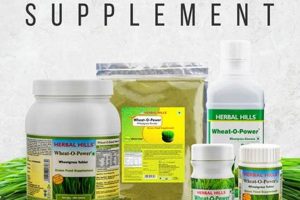
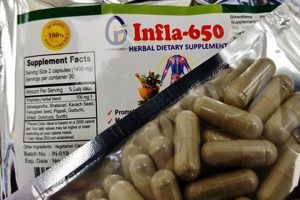
This product is derived from a plant with the scientific name Trigonella foenum-graecum. It is available in various forms, frequently capsules or tablets, and is consumed with the intention of improving health or well-being by supplementing the diet. The plant is native to regions spanning from the Mediterranean to Asia, and has a long history of culinary and medicinal uses.
The use of this natural product is underpinned by potential advantages such as supporting lactation in breastfeeding mothers and aiding in blood sugar regulation. Historically, the plant’s seeds have been utilized in traditional medicine systems for their purported anti-inflammatory and digestive properties. Modern research explores the validity of these traditional applications and seeks to identify further physiological impacts.
The subsequent sections will delve into the specific chemical constituents responsible for these potential effects, examine the current body of scientific evidence supporting its use, and consider potential risks or interactions. Dosage guidelines and considerations for different populations will also be addressed to provide a comprehensive understanding of its practical application.
Guidance on Utilizing This Botanical Product
The following recommendations are intended to provide clarity and facilitate informed decisions regarding the incorporation of this supplement into a health regimen. Individual needs and medical conditions should always be considered.
Tip 1: Adhere to Recommended Dosage: Exceeding the suggested serving size, as indicated on the product label or by a qualified healthcare professional, may lead to adverse effects. Start with the lowest effective dose and gradually increase if necessary.
Tip 2: Consult Healthcare Professionals: Prior to commencing supplementation, individuals with pre-existing medical conditions, pregnant or breastfeeding women, and those taking prescription medications should seek advice from a physician or registered dietitian. This ensures safety and minimizes potential interactions.
Tip 3: Be Aware of Potential Drug Interactions: This natural product can interact with certain medications, including anticoagulants and diabetes drugs. Monitoring blood glucose levels and INR (International Normalized Ratio) may be required when used concurrently.
Tip 4: Monitor for Allergic Reactions: While uncommon, allergic reactions are possible. Discontinue use immediately if symptoms such as skin rash, itching, swelling, or difficulty breathing occur and seek medical attention.
Tip 5: Store Properly: This item should be stored in a cool, dry place, away from direct sunlight and moisture. Ensure the container is tightly sealed to maintain product integrity and prevent degradation.
Tip 6: Purchase From Reputable Sources: Acquire this item from established and trusted retailers to ensure product quality and authenticity. Look for third-party certifications to verify purity and potency.
Tip 7: Be Patient: The purported benefits may not be immediately apparent. Consistent use over several weeks may be necessary to observe noticeable effects. Individual responses can vary.
Tip 8: Consider Timing: For some, consuming this supplement with meals may improve tolerability and reduce the likelihood of gastrointestinal discomfort. Experiment to determine the optimal timing for individual needs.
In summary, responsible use of this product entails adherence to recommended dosages, awareness of potential interactions, and careful monitoring for adverse reactions. Consultation with healthcare professionals is essential for safe and effective integration into a comprehensive health plan.
The following sections will explore the scientific evidence supporting these guidelines and further elaborate on potential contraindications.
1. Lactation Support Enhancement

The association between this herbal supplement and enhanced lactation is a primary driver of its use among breastfeeding mothers. The perceived mechanism involves the compound’s potential to stimulate milk production. The cause and effect relationship stems from its influence on hormone levels, specifically prolactin, which plays a crucial role in mammary gland development and milk secretion. Galactagogues, substances that promote lactation, are sought by mothers experiencing insufficient milk supply.
The importance of this particular application resides in the nutritional and immunological benefits of breast milk for infants. Adequate milk production ensures infants receive essential nutrients, antibodies, and other bioactive components necessary for healthy growth and development. Many anecdotal reports and some clinical studies suggest that mothers who consume this supplement experience an increase in milk volume within a few days to weeks. For example, a mother struggling with low milk supply due to stress or hormonal imbalances might turn to this product to augment lactation. The effectiveness can vary substantially between individuals, highlighting the complex interplay of physiological and psychological factors influencing milk production.
In conclusion, the perception of increased lactation forms a key aspect of its appeal, particularly for mothers seeking to optimize breastfeeding. The practical significance of this understanding lies in providing potential support for women experiencing lactation difficulties, while also underscoring the necessity of individualized assessment and cautious integration under professional guidance. The actual result can depend on individual differences and should not be considered a definitive solution for all breastfeeding challenges.
2. Blood sugar regulation
The potential of this botanical product to influence blood sugar regulation constitutes a significant area of investigation. The hypothesized mechanism involves multiple pathways, including the slowing of carbohydrate absorption in the intestine, the enhancement of insulin secretion from pancreatic beta cells, and the improvement of insulin sensitivity in peripheral tissues. These combined effects may lead to a reduction in postprandial glucose spikes and an overall improvement in glycemic control. Maintaining stable blood sugar levels is essential for preventing or managing metabolic disorders, such as type 2 diabetes.
The importance of this potential application stems from the increasing prevalence of insulin resistance and type 2 diabetes globally. The current model includes cases of individuals with prediabetes or newly diagnosed type 2 diabetes incorporating this supplement into their management plan under medical supervision. Regular blood glucose monitoring is necessary to assess the product’s impact and to adjust medication dosages if necessary. For example, if this supplement contributes to improved insulin sensitivity, a physician might consider gradually reducing the dosage of oral hypoglycemic agents. Furthermore, lifestyle modifications, such as dietary changes and regular exercise, remain crucial components of comprehensive diabetes management.
In conclusion, the link between this supplement and blood sugar regulation represents a promising area for further research. While existing evidence suggests potential benefits, the effectiveness and safety can vary among individuals. The practical significance of this understanding lies in its potential to contribute to the management of metabolic disorders, provided it is integrated into a comprehensive treatment plan and monitored by healthcare professionals. A comprehensive understanding of these supplements can help facilitate effective management.
3. Anti-inflammatory potential

The exploration of the anti-inflammatory potential associated with this plant-derived product warrants careful consideration, particularly given the role of inflammation in numerous chronic diseases. The following facets offer a structured overview of its potential mechanisms and implications.
- Inhibition of Inflammatory Mediators
Research suggests that certain compounds present in this supplement may inhibit the production or activity of key inflammatory mediators, such as cytokines and prostaglandins. These molecules are central to the inflammatory cascade, and their modulation could contribute to reduced inflammation. Studies using cell cultures and animal models have demonstrated decreased levels of pro-inflammatory markers following exposure to this natural product. The clinical relevance of these findings remains under investigation.
- Antioxidant Properties
The presence of antioxidant compounds in the supplement may contribute to its anti-inflammatory effects by neutralizing free radicals. Oxidative stress, caused by an imbalance between free radical production and antioxidant defenses, can exacerbate inflammation. Antioxidants found within the plant extract could help mitigate this oxidative stress, thereby indirectly reducing inflammation. The interaction between antioxidant activity and specific inflammatory pathways requires further elucidation.
- Modulation of Immune Cell Activity
Evidence indicates that the supplement may influence the activity of immune cells, such as macrophages and T lymphocytes. These cells play critical roles in the initiation and perpetuation of inflammatory responses. Altering their behavior, for instance, by reducing the secretion of inflammatory cytokines or promoting the resolution of inflammation, could represent a potential mechanism of action. The complexity of immune cell regulation necessitates careful evaluation of these interactions.
- Potential Application in Inflammatory Conditions
Based on the aforementioned mechanisms, this herbal product has been explored as a potential adjunct therapy for inflammatory conditions. The condition includes arthritis, inflammatory bowel disease (IBD), and certain skin disorders. Clinical trials examining its efficacy in these contexts have yielded mixed results, underscoring the need for larger, well-controlled studies. The consideration should also include potential interactions with conventional anti-inflammatory medications.
In conclusion, the multifaceted anti-inflammatory potential warrants further scientific inquiry. The combination of antioxidant activity, modulation of immune cell activity, and potential application in inflammatory conditions highlight the areas where investigations and clinical applications will support a deeper understanding about its effectiveness, the safe and correct dosage, and potential risks involved.
4. Gastrointestinal effects

The consumption of this botanical product can induce a range of gastrointestinal effects, influencing digestion, absorption, and overall gut function. These effects are important to consider when evaluating the supplement’s suitability for individual use.
- Increased Gastric Emptying Time
This item may influence the rate at which the stomach empties its contents into the small intestine. This slowing effect potentially reduces postprandial glucose spikes by delaying carbohydrate absorption. In the context of this product, slower gastric emptying could lead to feelings of fullness or bloating in some individuals. For instance, an individual with gastroparesis might experience exacerbated symptoms. Controlled trials evaluating these effects are necessary for comprehensive assessment.
- Alteration of Gut Microbiota
Evidence suggests that this herbal supplement could alter the composition and function of the gut microbiota, the complex community of microorganisms residing in the digestive tract. This alteration could involve shifts in the abundance of different bacterial species, as well as changes in their metabolic activity. Modifying the gut microbiota could impact nutrient absorption, immune function, and overall gut health. Research into these interactions is ongoing, and the clinical significance remains to be fully elucidated.
- Potential for Abdominal Discomfort
Some individuals report experiencing abdominal discomfort, including bloating, gas, and diarrhea, following consumption. These effects may be related to the supplement’s fiber content or its impact on gut motility. For example, high doses could overwhelm the digestive system, particularly in individuals with pre-existing gastrointestinal sensitivities. Gradual dose escalation and concurrent hydration may mitigate these effects.
- Impact on Nutrient Absorption
This natural product could impact the absorption of certain nutrients in the digestive tract. Its fiber content, along with its effects on gut motility and enzyme activity, may influence the availability of vitamins, minerals, and other dietary components. Monitoring nutrient status and addressing potential deficiencies may be warranted in individuals using this herbal product long-term. Further studies are needed to quantify these effects and to identify specific nutrients at risk of malabsorption.
In summary, the gastrointestinal effects associated with this herbal product are diverse and can vary depending on individual factors. Understanding these effects is crucial for minimizing potential adverse reactions and for optimizing its use as a dietary supplement. The key is finding ways to minimize or eliminate any negative gastrointestinal symptoms, while maintaining positive effects.
5. Testosterone modulation
The purported link between this herbal supplement and testosterone modulation constitutes a subject of ongoing investigation. The claimed effect primarily targets men, with the intention of elevating testosterone levels, enhancing libido, and improving muscle mass. The hypothesized mechanism involves the compound’s ability to inhibit enzymes responsible for converting testosterone into other hormones, such as estrogen and dihydrotestosterone (DHT). By inhibiting these enzymes, the supplement potentially increases the concentration of free testosterone in the bloodstream. Maintaining adequate testosterone levels is essential for male reproductive health, muscle growth, bone density, and overall vitality. The significance of this potential application stems from the growing interest in natural alternatives for addressing age-related testosterone decline.
The model of potential applications includes middle-aged men experiencing symptoms of low testosterone, such as fatigue, reduced libido, and decreased muscle strength. These individuals might consider incorporating this supplement into their routine under medical supervision, with regular monitoring of testosterone levels and liver function. It is important to note that the scientific evidence supporting these claims is mixed. Some studies have reported statistically significant increases in testosterone levels, while others have found no significant effect. The variability in results could be due to differences in study design, dosage, and participant characteristics. Furthermore, it is essential to differentiate between free testosterone (the biologically active form) and total testosterone when interpreting research findings. The product may increase the bound or unbound version for a temporary period of time.
In conclusion, the relationship between this supplement and testosterone modulation remains a topic of debate. While preliminary evidence suggests potential benefits, the overall body of evidence is inconclusive. The practical significance of this understanding lies in informing individuals about the potential risks and benefits, as well as the limitations of current research. Consultation with healthcare professionals is crucial to determine the suitability of this supplement and to monitor for potential side effects. Due to the complexity, effectiveness, and long-term consequences, this should be done only if under medical supervision.
Frequently Asked Questions About This Herbal Supplement
The subsequent questions address common inquiries and concerns regarding this botanical product, providing factual and objective information.
Question 1: What are the primary purported benefits?
The most commonly cited benefits include support for lactation in breastfeeding mothers, potential blood sugar regulation, and anti-inflammatory properties. Research into these areas is ongoing, and results vary depending on the specific condition, dosage, and individual characteristics.
Question 2: Are there any known side effects?
Possible side effects include gastrointestinal discomfort, such as bloating, gas, and diarrhea. Allergic reactions are also possible, though less common. Some individuals report a maple syrup-like odor in their sweat or urine. Serious adverse effects are rare, but it is crucial to discontinue use and seek medical attention if unexpected symptoms arise.
Question 3: Does this product interact with any medications?
This supplement can interact with certain medications, including anticoagulants (blood thinners) and diabetes drugs. It may also affect the absorption of other medications. It is imperative to consult with a healthcare professional before using this product, particularly if currently taking prescription or over-the-counter medications.
Question 4: What is the recommended dosage?
The recommended dosage varies depending on the intended use and the specific product formulation. It is crucial to adhere to the dosage instructions provided on the product label or as directed by a healthcare provider. Exceeding the recommended dose can increase the risk of adverse effects.
Question 5: Is it safe for pregnant women?
The safety of this product during pregnancy is not definitively established. While some traditional uses suggest it may support labor, its effects on pregnancy are not fully understood. Consultation with an obstetrician or qualified healthcare provider is essential before using this product during pregnancy.
Question 6: How should it be stored?
This item should be stored in a cool, dry place, away from direct sunlight and moisture. Ensure the container is tightly sealed to maintain product integrity. Avoid storing the supplement in areas subject to temperature fluctuations or humidity.
The information provided in these FAQs serves as a general guide and is not intended to replace professional medical advice. Individual circumstances and health conditions should be considered when making decisions about incorporating this product into a health regimen.
The next section will offer a summary of key points and a concluding statement.
Conclusion
This exploration has illuminated various facets of the fenugreek herbal supplement, including its potential benefits and risks. Evidence suggests possible utility in lactation support and blood sugar regulation, while acknowledging the variability of individual responses. The necessity of considering gastrointestinal effects, potential interactions, and dosage guidelines has been consistently underscored.
Given the current state of scientific understanding, a cautious and informed approach to fenugreek herbal supplement integration is warranted. Individuals are encouraged to engage in thoughtful consideration of all factors, seeking guidance from qualified healthcare professionals to ensure safe and effective application within their specific circumstances. Continuing research will further refine our comprehension of this botanical product and its role in health and well-being.