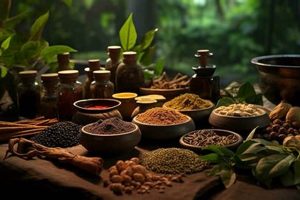
The convergence of traditional medicine and ocular health has prompted investigation into plant-derived remedies for managing vitreous opacities. These opacities, often perceived as spots or strands drifting in the visual field, arise from condensations within the eye’s vitreous humor. Certain botanical preparations are purported to reduce the subjective experience of these disturbances, offering an alternative approach to conventional management.
The perceived advantage of natural interventions stems from their potential for minimal invasiveness and a holistic approach to well-being. Historically, various cultures have employed plant-based medicines for a spectrum of ailments, including those affecting eyesight. This context imbues the exploration of natural remedies with a degree of cultural significance and patient preference, potentially leading to increased adherence and a sense of personal empowerment in managing a bothersome, albeit generally benign, condition.
Further discussion will address the specific botanical compounds and preparations cited in connection with ameliorating the effects of vitreous floaters. The evidence supporting their efficacy and safety will be examined, alongside a consideration of potential interactions with conventional medical treatments and the importance of consulting with qualified healthcare professionals before initiating any such regimen.
Guidance on Exploring Plant-Based Approaches for Vitreous Opacities
The following points provide guidance for individuals considering the use of botanical remedies to manage the subjective experience of vitreous floaters. Due diligence and informed decision-making are paramount.
Tip 1: Thoroughly Research Credible Sources: Investigate the scientific literature and reputable herbal medicine databases to assess the available evidence regarding the efficacy and safety of specific plant-derived substances. Avoid reliance solely on anecdotal evidence or marketing materials.
Tip 2: Prioritize Consultation with Qualified Healthcare Professionals: Engage in open communication with an ophthalmologist and a qualified herbalist or naturopathic physician. This ensures proper diagnosis, evaluation of potential drug interactions, and the development of a personalized treatment plan.
Tip 3: Understand Potential Interactions and Contraindications: Certain botanical compounds may interact with prescription medications or be contraindicated in individuals with pre-existing medical conditions. Comprehensive disclosure of medical history is essential.
Tip 4: Source Products from Reputable Suppliers: Purchase herbal preparations from established and reliable suppliers who adhere to stringent quality control standards. Verify that products are accurately labeled, free from contaminants, and contain the stated concentration of active ingredients.
Tip 5: Monitor for Adverse Reactions: Closely observe the body’s response to any new herbal regimen. Discontinue use and seek immediate medical attention if any adverse reactions, such as allergic reactions or vision changes, occur.
Tip 6: Adopt a Holistic Approach to Eye Health: Complement potential herbal interventions with lifestyle modifications known to promote ocular well-being, including a balanced diet rich in antioxidants, adequate hydration, and protection from excessive UV exposure.
Tip 7: Manage Expectations Realistically: Understand that the effectiveness of plant-based remedies for vitreous floaters may vary considerably among individuals. A realistic expectation is that these interventions may help manage the subjective experience of floaters rather than eliminate them entirely.
The cautious application of botanical approaches, guided by evidence-based information and professional consultation, may offer a complementary strategy for individuals seeking to mitigate the impact of vitreous opacities on their quality of life.
The subsequent sections will delve into specific plant species and formulations frequently cited in this context, providing a more detailed analysis of their purported mechanisms of action and associated risks.
1. Safety Considerations

The integration of botanical remedies into the management of vitreous opacities necessitates a rigorous assessment of safety. The potential for adverse effects, contraindications, and interactions with conventional medical treatments demands careful consideration before initiating any such regimen. Patient well-being is the primary concern.
- Herb-Drug Interactions
The concomitant use of herbal preparations and prescription medications can result in potentially harmful interactions. For instance, certain herbal supplements may potentiate the effects of anticoagulant drugs, increasing the risk of bleeding. Comprehensive disclosure of all medications and supplements to a qualified healthcare professional is imperative to identify and mitigate potential risks.
- Pre-existing Medical Conditions
Individuals with pre-existing medical conditions, such as autoimmune disorders, liver disease, or kidney disease, may be at increased risk of adverse reactions to herbal remedies. The altered physiology associated with these conditions can impact the metabolism and elimination of botanical compounds, potentially leading to toxicity. A thorough medical history and relevant laboratory testing are essential to assess individual risk profiles.
- Quality Control and Contamination
The quality and purity of herbal products can vary significantly depending on the manufacturer and sourcing practices. Contamination with heavy metals, pesticides, or other adulterants poses a significant safety concern. Selection of products from reputable suppliers who adhere to stringent quality control standards is crucial to minimize the risk of exposure to harmful substances. Third-party testing and certification can provide additional assurance of product quality.
- Allergic Reactions and Sensitivities
Hypersensitivity reactions to botanical compounds can manifest as a range of symptoms, from mild skin rashes to severe anaphylaxis. Individuals with a history of allergies to plants or related substances should exercise extreme caution when considering herbal remedies. Gradual introduction of new herbal preparations and close monitoring for any signs of allergic reaction are advisable.
The multifaceted nature of safety considerations underscores the importance of a collaborative approach involving ophthalmologists, herbalists, and other healthcare professionals. A comprehensive evaluation of individual risk factors, coupled with informed decision-making, is essential to ensure the responsible and safe integration of botanical remedies into the management of vitreous opacities.
2. Herbal Actions

Understanding the purported mechanisms by which plant-derived substances influence the vitreous humor is central to evaluating the potential utility of botanical interventions for vitreous opacities. The concept of “Herbal Actions” explores the specific pharmacological effects of plant compounds relevant to this ocular condition.
- Antioxidant Activity
Many botanical extracts are rich in antioxidant compounds, such as flavonoids and carotenoids. These substances may mitigate oxidative stress within the eye, potentially protecting vitreous proteins from aggregation and degradation. For instance, bilberry extract, containing anthocyanosides, is often cited for its antioxidant properties and purported ability to support microcirculation within the eye. The implication is that reduced oxidative damage could slow the progression of vitreous opacities.
- Anti-Inflammatory Effects
Inflammation, although not definitively established as a primary driver of vitreous opacities, may contribute to their development or exacerbate existing symptoms. Certain herbal extracts, such as turmeric containing curcumin, possess anti-inflammatory properties. By modulating inflammatory pathways, these substances might reduce the severity of associated discomfort or visual disturbances. However, the specific role of inflammation in vitreous opacification requires further elucidation.
- Collagen Stabilization
The vitreous humor is composed largely of collagen fibrils. Degradation or denaturation of collagen may contribute to the formation of vitreous condensations. Some herbal remedies are believed to promote collagen stabilization, potentially strengthening the vitreous matrix and reducing the likelihood of opacification. Examples of herbs with collagen-supportive properties include those containing compounds known to inhibit collagenase activity. This action might theoretically maintain vitreous structure.
- Microcirculatory Enhancement
Adequate blood flow to the eye is essential for maintaining ocular health. Some herbal preparations are thought to enhance microcirculation, potentially improving nutrient delivery and waste removal within the vitreous. For example, Ginkgo biloba is often cited for its potential to improve blood flow. While improved microcirculation may not directly dissolve existing floaters, it could support overall ocular health and potentially slow the formation of new opacities.
The exploration of “Herbal Actions” highlights the multifaceted approach by which botanical remedies are believed to influence vitreous health. While these purported mechanisms offer a rationale for their use, it is imperative to acknowledge that scientific evidence supporting their efficacy remains limited and requires further investigation. The integration of these actions with safety considerations and qualified guidance is essential for responsible decision-making.
3. Potential Benefits

The perceived advantages of employing plant-derived treatments for vitreous floaters center on mitigating the subjective experience of visual disturbances and improving overall ocular well-being. While not purporting to eliminate floaters entirely, proponents suggest botanical interventions may offer palliative effects. It is crucial to ground expectations in the context of available evidence.
- Reduced Perception of Floaters
The primary aim of many herbal approaches is to diminish the perceived size, number, or density of vitreous opacities. This may manifest as a lessening of visual distraction or a decrease in the frequency with which floaters impinge upon central vision. For example, individuals may report that floaters appear less dark or less sharply defined after a period of consistent herbal use. Such subjective improvements can enhance quality of life despite the persistent presence of floaters.
- Improved Visual Clarity
Some users of plant-based remedies report a subtle improvement in overall visual clarity, potentially related to enhanced microcirculation or reduced oxidative stress within the eye. This could translate to sharper vision, particularly in situations where floaters are less prominent. It should be noted that any such improvements are generally modest and should not be construed as a cure for underlying ocular conditions.
- Enhanced Contrast Sensitivity
The ability to distinguish between subtle gradations of light and dark is critical for optimal visual function. Certain botanical compounds, particularly those with antioxidant properties, are hypothesized to improve contrast sensitivity. This may result in enhanced visual performance in low-light conditions or when viewing objects with low contrast. This is a subtle effect, typically experienced subjectively.
- Psychological Well-being
Even in the absence of significant objective improvements in visual function, the act of proactively managing a bothersome condition can contribute to a sense of personal empowerment and psychological well-being. Individuals who feel they are actively addressing their symptoms, even through complementary therapies, may experience a reduction in anxiety and an improved overall outlook. This factor underscores the importance of patient agency and informed participation in healthcare decisions.
In summation, the potential benefits associated with plant-derived treatments for vitreous floaters primarily concern the mitigation of subjective symptoms and the enhancement of psychological well-being. While objective improvements in visual function are possible, they are generally modest and should not be overstated. The judicious use of herbal remedies, guided by qualified healthcare professionals and grounded in realistic expectations, may offer a valuable adjunct to conventional management strategies.
4. Evidence Quality
The exploration of botanical remedies for vitreous opacities demands a rigorous appraisal of evidence quality. The connection between anecdotal reports and substantiated clinical findings is often tenuous, necessitating a critical examination of available research. The inherent subjectivity of symptom reporting in the context of eye floaters further complicates the interpretation of outcomes, underscoring the imperative for well-designed, controlled studies.
The application of sound scientific methodology is paramount in determining the true efficacy of herbal interventions. Randomized, double-blind, placebo-controlled trials represent the gold standard for assessing treatment effects. The absence of such studies for many plant-derived remedies limits the ability to draw definitive conclusions regarding their therapeutic value. For instance, while some individuals report symptomatic relief with the use of specific herbal formulations, such claims must be evaluated in the context of potential placebo effects and biases in self-reporting. Furthermore, variations in product quality, dosage, and duration of treatment introduce additional challenges in interpreting study results.
The practical significance of understanding evidence quality lies in promoting informed decision-making and preventing the propagation of unsubstantiated claims. Individuals considering botanical interventions for eye floaters should prioritize evidence-based information over anecdotal accounts. Consultation with qualified healthcare professionals who can critically evaluate the available research and provide personalized recommendations is essential. The pursuit of rigorous scientific inquiry is crucial to advancing the understanding of herbal remedies and establishing their appropriate role in the management of vitreous opacities.
5. Qualified Guidance

The intersection of plant-based remedies and ophthalmological conditions necessitates a cornerstone of “Qualified Guidance.” The complex nature of ocular health requires assessment by trained professionals; self-diagnosis and unsupervised treatment, including with herbal substances, carry inherent risks. Specifically in the context of vitreous opacities, discerning benign floaters from more serious underlying conditions, such as retinal detachment or inflammation, demands the expertise of an ophthalmologist. Initiating any form of treatment, including botanical approaches, without proper diagnosis can delay essential medical intervention and potentially compromise vision. An example illustrating this importance involves a patient who self-treated perceived floaters with an herbal supplement, only to later discover, through ophthalmological examination, that the symptoms were indicative of early-stage uveitis, requiring immediate corticosteroid therapy.
Qualified guidance extends beyond initial diagnosis to encompass a comprehensive understanding of potential herb-drug interactions, contraindications, and appropriate dosages. Herbalists or naturopathic physicians with specific training in ocular health can play a crucial role in this aspect of care. They can assess individual patient profiles, considering pre-existing medical conditions and current medications to minimize the risk of adverse events. Furthermore, qualified practitioners can ensure that herbal products are sourced from reputable suppliers, adhering to stringent quality control standards. The practical application of this understanding involves collaboration between ophthalmologists and herbal specialists to develop integrated treatment plans that prioritize patient safety and maximize potential benefits.
In summary, “Qualified Guidance” is an indispensable component of any exploration into botanical treatments for vitreous opacities. The potential for misdiagnosis, herb-drug interactions, and product contamination underscores the importance of seeking expert assessment and supervision. A collaborative approach involving ophthalmologists and trained herbal practitioners is paramount to ensure patient safety and promote responsible use of plant-based remedies in the management of ocular health.
Frequently Asked Questions
The following addresses common inquiries regarding the use of plant-derived remedies for managing the symptoms of vitreous opacities, commonly known as eye floaters.
Question 1: Are herbal remedies a cure for eye floaters?
Herbal treatments are not recognized as a cure for eye floaters. Their potential lies in managing the subjective experience of these visual disturbances, potentially reducing their prominence or impact on visual clarity. Existing floaters are unlikely to be fully eliminated through herbal interventions.
Question 2: What herbal supplements are most commonly cited for eye floaters?
Certain botanical substances are frequently discussed in connection with managing the symptoms of eye floaters. These include bilberry, ginkgo biloba, and certain traditional Chinese medicine formulations. Scientific evidence supporting their efficacy varies, and consultation with qualified healthcare professionals is essential before use.
Question 3: Are herbal treatments for eye floaters safe?
The safety of herbal treatments for eye floaters is contingent upon several factors, including the specific herbs used, individual health status, and potential interactions with medications. Certain herbs may pose risks for individuals with specific medical conditions or those taking anticoagulants. Consultation with an ophthalmologist and a qualified herbalist is necessary to assess safety.
Question 4: Can herbal remedies prevent the formation of new eye floaters?
While some herbal remedies possess antioxidant properties, it is not conclusively established that they can prevent the formation of new eye floaters. A healthy lifestyle, including a balanced diet and adequate hydration, may contribute to overall ocular health, but there is no guarantee that it will prevent the development of vitreous opacities.
Question 5: How long does it take to see results from herbal treatment for eye floaters?
The time frame for experiencing potential benefits from herbal treatments for eye floaters varies considerably. Some individuals may report a noticeable improvement in symptoms within several weeks, while others may not experience any significant change. Consistent adherence to a prescribed regimen and realistic expectations are essential.
Question 6: Where can reliable information about eye floaters herbal treatment be found?
Reliable information regarding herbal treatment for eye floaters can be obtained from reputable sources, including peer-reviewed scientific journals, evidence-based herbal medicine databases, and qualified healthcare professionals, such as ophthalmologists and experienced herbalists. Avoid relying solely on anecdotal accounts or marketing materials.
The preceding Q&A serves as a preliminary guide and does not constitute medical advice. Any decisions regarding the use of herbal remedies for eye floaters should be made in consultation with qualified healthcare professionals.
The subsequent section will delve into strategies for optimizing conventional management of vitreous opacities, including lifestyle modifications and potential medical interventions.
Conclusion
The preceding discussion has explored the landscape of “eye floaters herbal treatment,” emphasizing the imperative of evidence-based decision-making and qualified professional guidance. While anecdotal accounts may suggest potential benefits from specific botanical interventions, a rigorous examination of scientific literature reveals limited conclusive evidence. The importance of addressing underlying safety considerations, potential herb-drug interactions, and the inherent variability in product quality cannot be overstated.
The responsible exploration of complementary approaches for managing vitreous opacities necessitates a commitment to informed consent and patient safety. Individuals contemplating “eye floaters herbal treatment” are strongly encouraged to prioritize consultation with ophthalmologists and qualified herbalists. Further scientific investigation is warranted to elucidate the true efficacy and safety profile of plant-derived remedies in this context, ultimately serving to optimize patient care and outcomes.