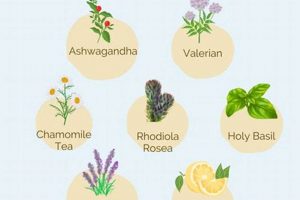
Benign prostatic hyperplasia (BPH), characterized by the non-cancerous enlargement of the prostate gland, frequently leads to lower urinary tract symptoms. Individuals often explore plant-derived options to manage associated discomfort. These approaches involve utilizing botanical extracts and compounds believed to alleviate urinary difficulties, frequency, and urgency related to the condition.
Historically, cultures worldwide have employed various plants for their perceived therapeutic effects on the urinary system and prostate health. The potential advantages of these botanical interventions include reduced side effects compared to conventional medications, as well as a holistic approach that addresses the underlying causes of the condition. The appeal lies in the possibility of mitigating symptoms and improving quality of life without the adverse reactions sometimes associated with pharmaceutical treatments.
This article will delve into commonly used botanical agents, examining their purported mechanisms of action, supporting research, and potential interactions with other medications. Further discussion will address considerations for safe and effective implementation, including sourcing, appropriate dosages, and the importance of consulting with qualified healthcare professionals.
Guidance on Botanical Approaches to Benign Prostatic Hyperplasia
The subsequent guidance provides information regarding the use of plant-derived interventions to alleviate symptoms associated with benign prostatic hyperplasia. These suggestions should not be considered a substitute for professional medical advice.
Tip 1: Consult a Healthcare Professional: Before initiating any botanical regimen, a thorough evaluation by a physician is crucial to confirm the diagnosis of BPH and rule out other potential causes of urinary symptoms, such as prostate cancer. This assessment also helps to identify potential interactions with existing medications or health conditions.
Tip 2: Research Reputable Sources: Investigate the credibility of the botanical product’s manufacturer. Look for products that have undergone third-party testing for purity, potency, and authenticity to ensure the quality and safety of the ingredients.
Tip 3: Adhere to Recommended Dosages: Carefully follow the dosage instructions provided by the manufacturer or a qualified herbalist. Exceeding recommended amounts may increase the risk of adverse effects without providing additional benefit.
Tip 4: Be Patient: Botanical interventions often require consistent use over several weeks or months to demonstrate noticeable effects. Individuals should not expect immediate relief and should maintain realistic expectations regarding the treatment timeline.
Tip 5: Monitor for Side Effects: Pay close attention to any potential side effects, such as gastrointestinal upset, allergic reactions, or changes in urinary function. Report any unusual or concerning symptoms to a healthcare provider promptly.
Tip 6: Understand Potential Interactions: Some botanical agents can interact with prescription medications, over-the-counter drugs, and other supplements. Inform healthcare providers about all substances being taken to minimize the risk of adverse interactions.
Tip 7: Consider Saw Palmetto:Serenoa repens, commonly known as saw palmetto, is one of the most widely studied botanical remedies for BPH. Clinical trials have shown that saw palmetto extract can help to improve urinary symptoms, although results have been varied. Standardized extracts containing 85-95% fatty acids are generally preferred.
Consistent adherence to these guidelines, in conjunction with medical supervision, may contribute to the safe and informed use of botanical approaches for managing BPH symptoms. However, these approaches are not a cure and should be viewed as part of a comprehensive management plan.
These tips provide a foundation for exploring the role of botanical agents in supporting prostate health. Consultation with a qualified healthcare professional is always recommended to determine the most appropriate and safe treatment strategy.
1. Efficacy Evidence
The connection between efficacy evidence and plant-derived interventions for benign prostatic hyperplasia (BPH) is paramount for determining clinical value. Substantiated therapeutic claims for these options rest upon rigorous scientific investigation, primarily through randomized controlled trials. The presence or absence of robust efficacy evidence directly influences the credibility and acceptance of any given botanical approach in managing BPH symptoms. Without such evidence, recommending these interventions becomes problematic from an evidence-based medicine perspective. For example, while some studies suggest a modest benefit from saw palmetto, other trials have yielded conflicting or negative results, highlighting the need for careful evaluation of the existing evidence base.
The importance of efficacy evidence extends beyond clinical outcomes to impact patient decision-making and expectations. When considering botanical alternatives, individuals require access to reliable information concerning their effectiveness, enabling them to make informed choices in collaboration with healthcare professionals. The lack of clear evidence can lead to unrealistic expectations, potentially delaying or supplanting conventional treatments with proven efficacy. Furthermore, it is crucial to differentiate between anecdotal reports and findings derived from well-designed clinical studies. The former often lack the necessary controls and blinding to minimize bias, making it difficult to ascertain genuine therapeutic effects.
In conclusion, the availability of compelling efficacy evidence is a crucial determinant for the responsible integration of botanical agents into the management of BPH. While historical use and anecdotal accounts may offer preliminary support, these factors alone do not constitute sufficient validation. Ongoing research is vital to further investigate the potential role of plant-derived interventions and to provide clinicians and patients with the necessary information to make evidence-based decisions. A critical assessment of the existing data, coupled with a commitment to generating high-quality research, will ultimately determine the appropriate application of botanical approaches in the care of individuals with BPH.
2. Safety profiles
The safety profiles of botanical interventions for managing symptoms related to benign prostatic hyperplasia (BPH) represent a critical element in their responsible utilization. Adverse effects, though potentially less severe than those associated with conventional pharmaceuticals, remain a significant consideration. The understanding of these profiles entails a comprehensive evaluation of potential drug interactions, contraindications in specific patient populations, and the incidence of reported side effects. The absence of a thorough safety assessment poses risks of unexpected or harmful consequences. Saw palmetto, for example, is generally considered safe, but gastrointestinal upset, headache, and dizziness have been reported. Lack of knowledge regarding the origins and cultivation practices of the source plants can also introduce safety concerns, such as heavy metal contamination or adulteration with undeclared substances.
A robust safety evaluation also requires consideration of individual patient characteristics. Pre-existing medical conditions, such as bleeding disorders or liver dysfunction, may increase the risk of adverse events associated with certain botanical agents. Furthermore, concomitant use of prescription medications, particularly anticoagulants or antiplatelet drugs, can heighten the likelihood of drug interactions. Healthcare professionals play a critical role in assessing these risks, providing tailored recommendations, and monitoring patients for potential side effects. Accurate and comprehensive safety information, sourced from clinical trials and post-market surveillance data, is essential for guiding clinical decision-making and ensuring patient well-being. It’s important to recognize that “natural” does not automatically equate to “safe,” necessitating a rigorous approach to safety assessment.
In conclusion, safety profiles constitute a crucial aspect of evaluating botanical options for BPH management. A thorough understanding of potential risks, drug interactions, and contraindications is necessary for informed decision-making. Healthcare professionals must prioritize patient safety by conducting comprehensive risk assessments, providing appropriate guidance, and monitoring for adverse events. While botanical interventions may offer potential benefits for some individuals, their use should always be approached with caution and within the context of a comprehensive medical management plan. Ultimately, balancing potential benefits with established safety risks is paramount in ensuring responsible and effective care.
3. Dosage standardization

Dosage standardization is a critical factor in the effective and safe utilization of botanical interventions for managing benign prostatic hyperplasia (BPH). The inconsistent composition of plant-based products necessitates precise and reliable dosing to achieve predictable therapeutic outcomes. Without proper standardization, variability in active constituents can lead to suboptimal results or increased risk of adverse effects, undermining the potential benefits of these remedies.
- Active Marker Compounds
Dosage standardization often relies on identifying and quantifying specific marker compounds within the botanical extract. These markers serve as indicators of the overall potency and consistency of the product. For example, saw palmetto extracts are frequently standardized based on their concentration of fatty acids, typically ranging from 85% to 95%. This ensures that each dose delivers a consistent amount of the presumed active constituents. However, relying solely on marker compounds may not fully capture the complexity of the botanical’s therapeutic activity, as other constituents may also contribute to its effects.
- Extraction Methods
The extraction method used to prepare the botanical product significantly impacts the final composition and concentration of active constituents. Different extraction techniques, such as solvent extraction or supercritical fluid extraction, can selectively isolate certain compounds while excluding others. Standardizing the extraction process is crucial to maintain consistency across different batches of the product. For instance, a lipophilic extraction method is commonly used for saw palmetto to concentrate the fatty acid components, ensuring a standardized extract with a defined profile of active compounds.
- Bioavailability Considerations
Standardization must also take into account the bioavailability of the active constituents, which refers to the extent to which these compounds are absorbed and utilized by the body. Factors such as particle size, formulation, and route of administration can influence bioavailability. Standardized dosages should be tailored to account for variations in bioavailability, ensuring that an adequate amount of the active compounds reaches the target tissues. For example, some botanical formulations may incorporate enhancers to improve the absorption of poorly bioavailable constituents, thereby increasing their therapeutic effectiveness.
- Regulatory Oversight and Quality Control
Effective dosage standardization requires robust regulatory oversight and stringent quality control measures. Manufacturers should adhere to Good Manufacturing Practices (GMP) to ensure that their products meet established standards for purity, potency, and consistency. Independent third-party testing can provide an additional layer of assurance by verifying the accuracy of the product’s label claims. Regulatory agencies, such as the Food and Drug Administration (FDA), play a critical role in monitoring the market and enforcing compliance with quality standards. However, the regulatory landscape for botanical products can be complex and vary across different countries, necessitating careful due diligence on the part of consumers and healthcare professionals.
In conclusion, dosage standardization is paramount for optimizing the therapeutic benefits and minimizing the risks associated with botanical interventions for BPH. Reliance on marker compounds, standardized extraction methods, bioavailability considerations, and stringent quality control measures are all essential components of an effective standardization strategy. By ensuring consistent and reliable dosing, healthcare professionals can better assess the efficacy of these remedies and provide patients with informed guidance regarding their use.
4. Interaction potential

The interaction potential of botanical agents used for benign prostatic hyperplasia (BPH) management is a significant consideration, requiring thorough evaluation due to the frequent co-administration of these remedies with conventional medications. These interactions can alter the pharmacokinetic and pharmacodynamic properties of both the botanical and pharmaceutical agents, leading to either reduced therapeutic efficacy or increased risk of adverse effects.
- Cytochrome P450 Enzyme Modulation
Many botanical compounds can influence the activity of cytochrome P450 (CYP) enzymes, a family of enzymes responsible for metabolizing a wide range of drugs. Some botanical agents may induce CYP enzymes, leading to faster drug metabolism and reduced plasma concentrations of concurrently administered medications. Conversely, other agents may inhibit CYP enzymes, resulting in slower drug metabolism and elevated plasma concentrations, potentially increasing the risk of toxicity. For example, saw palmetto has been shown in vitro to inhibit certain CYP enzymes, potentially affecting the metabolism of drugs like warfarin or finasteride. In vivo data, however, are limited and not conclusive.
- Pharmacodynamic Interactions
Pharmacodynamic interactions occur when two or more substances affect the same physiological system, either synergistically or antagonistically. This type of interaction can be particularly relevant in BPH management, where botanical agents and conventional drugs may exert similar effects on the prostate or urinary tract. For instance, combining a botanical agent with alpha-blockers, both of which relax smooth muscle in the prostate and bladder neck, could lead to an additive effect, increasing the risk of hypotension or dizziness. Conversely, if a botanical agent possesses anti-inflammatory properties, it could potentially antagonize the effects of certain anti-inflammatory drugs, reducing their effectiveness.
- Effects on Coagulation
Certain botanical agents, including some commonly used for BPH, may possess anticoagulant or antiplatelet properties. Combining these agents with anticoagulant or antiplatelet drugs, such as warfarin, aspirin, or clopidogrel, can increase the risk of bleeding complications. Patients undergoing surgery or dental procedures should be particularly cautious and inform their healthcare providers about all herbal remedies they are taking. Even agents considered relatively safe, such as saw palmetto, should be used with caution in individuals with pre-existing bleeding disorders or those on antithrombotic medications.
- Altered Drug Absorption
Some botanical agents can affect the absorption of concurrently administered drugs in the gastrointestinal tract. For example, certain fibers or binding agents present in botanical preparations may interfere with the absorption of drugs, reducing their bioavailability and effectiveness. Conversely, other botanical constituents may enhance drug absorption, potentially increasing plasma concentrations and the risk of adverse effects. The timing of administration can also play a role, with separate dosing of botanical and pharmaceutical agents potentially minimizing the risk of absorption-related interactions.
The interaction potential between botanical agents and conventional medications in the context of BPH highlights the importance of comprehensive medication reconciliation. Patients should inform their healthcare providers about all medications and supplements they are taking, enabling thorough evaluation of potential interactions. Healthcare professionals should also stay abreast of the evolving evidence base regarding botanical-drug interactions and provide appropriate guidance to patients. A personalized approach, considering individual patient characteristics and co-morbidities, is essential for minimizing the risk of adverse events and optimizing therapeutic outcomes.
5. Quality assurance
The implementation of rigorous quality assurance measures is paramount for botanical products marketed as interventions for benign prostatic hyperplasia (BPH). Given the potential health implications and the diverse array of products available, robust quality control is essential to ensure safety, efficacy, and consistency.
- Good Manufacturing Practices (GMP) Compliance
Adherence to Good Manufacturing Practices (GMP) constitutes a fundamental aspect of quality assurance. GMP guidelines, established by regulatory agencies, dictate standards for manufacturing processes, facility design, and personnel training. Compliance with GMP ensures that products are consistently produced and controlled according to quality standards, minimizing the risk of contamination, adulteration, and variability in potency. For instance, a manufacturer of saw palmetto extract for BPH would need to demonstrate adherence to GMP guidelines throughout the sourcing, extraction, and encapsulation processes.
- Third-Party Testing and Certification
Independent third-party testing and certification provides an additional layer of quality assurance. Reputable organizations conduct laboratory analyses to verify the identity, purity, and potency of botanical products. These tests can detect the presence of contaminants, such as heavy metals, pesticides, and microbial pathogens, as well as confirm the accuracy of the product’s label claims. Certification programs, such as those offered by USP (United States Pharmacopeia) or NSF International, signify that a product has met specific quality standards. The presence of a third-party certification seal on a botanical product intended for BPH may increase consumer confidence and provide assurance of its quality.
- Standardization of Active Constituents
Standardization of active constituents is crucial for ensuring consistency in the therapeutic effects of botanical products. This process involves identifying and quantifying specific chemical compounds believed to contribute to the product’s efficacy. By standardizing the concentration of these active constituents, manufacturers can ensure that each batch of the product delivers a consistent dose. For example, saw palmetto extracts are often standardized to contain a specific percentage of fatty acids, which are thought to be responsible for its purported benefits in BPH. However, it’s essential to acknowledge that the specific compounds contributing to a botanical’s therapeutic effect may not always be fully understood, and standardization based on limited markers may not fully capture the complexity of the product’s activity.
- Sourcing and Traceability
The sourcing and traceability of botanical ingredients represent an integral component of quality assurance. Knowing the origin of the raw materials and tracking them throughout the manufacturing process helps to ensure their authenticity and quality. Sustainable and ethical sourcing practices are also important considerations, particularly for botanical species that may be at risk of overharvesting. Manufacturers should implement systems to verify the identity of the plant material, prevent adulteration with other species, and ensure that the raw materials meet established quality standards. For example, a company producing pygeum extract for BPH would need to establish a reliable supply chain that ensures the authenticity and sustainable harvesting of the pygeum bark.
In conclusion, comprehensive quality assurance measures are essential for ensuring the safety and efficacy of botanical products marketed for BPH. GMP compliance, third-party testing, standardization of active constituents, and robust sourcing practices are all vital components of a comprehensive quality assurance program. By prioritizing quality control, manufacturers can build consumer trust and contribute to the responsible use of botanical agents in BPH management.
Frequently Asked Questions about Botanical Options for Enlarged Prostate
The following questions address common concerns and provide information regarding the use of botanical agents to manage symptoms associated with benign prostatic hyperplasia (BPH).
Question 1: Are botanical remedies a substitute for conventional medical treatment for BPH?
Botanical interventions should not be considered a replacement for established medical treatments for BPH. A medical professional should be consulted for diagnosis and a comprehensive treatment plan. Botanical agents may be used as complementary therapies under medical supervision.
Question 2: How quickly can one expect to see results from using botanical remedies for BPH?
The onset of noticeable effects from botanical agents can vary considerably. Some individuals may experience improvements within a few weeks, while others may require several months of consistent use. Patience and realistic expectations are necessary when using these therapies.
Question 3: Are there potential side effects associated with botanical remedies for BPH?
Yes, botanical agents can cause side effects, although they are often milder than those associated with conventional medications. Common side effects may include gastrointestinal upset, headache, or dizziness. Individuals should monitor for any adverse reactions and report them to a healthcare provider.
Question 4: Can botanical remedies interact with prescription medications?
Botanical agents can interact with prescription medications, potentially altering their effectiveness or increasing the risk of side effects. It is crucial to inform all healthcare providers about all medications and supplements being taken to minimize the risk of adverse interactions.
Question 5: How can one ensure the quality and safety of botanical products?
To ensure quality and safety, choose products from reputable manufacturers that adhere to Good Manufacturing Practices (GMP). Look for products that have undergone third-party testing for purity, potency, and authenticity. Verify the label claims and avoid products with undeclared ingredients.
Question 6: Is saw palmetto the only effective botanical remedy for BPH?
Saw palmetto ( Serenoa repens) is one of the most widely studied botanical remedies for BPH. However, other botanical agents, such as pygeum ( Pygeum africanum) and pumpkin seed ( Cucurbita pepo), have also been investigated for their potential benefits. The effectiveness of these agents can vary among individuals.
Botanical approaches for BPH warrant careful consideration and informed decision-making. Consultation with a qualified healthcare professional is essential to determine the most appropriate and safe treatment strategy.
The subsequent section will discuss key takeaways from this exploration.
Enlarged Prostate Herbal Remedies
This exploration of enlarged prostate herbal remedies has provided insight into their potential role in managing benign prostatic hyperplasia (BPH). It underscores the importance of considering efficacy evidence, safety profiles, dosage standardization, interaction potential, and quality assurance when evaluating these botanical options. While some plant-derived interventions show promise in alleviating BPH symptoms, they are not a substitute for conventional medical care. Furthermore, individual responses to these remedies can vary significantly.
The responsible use of enlarged prostate herbal remedies requires diligent research, informed decision-making, and consistent communication with healthcare providers. Ongoing research and stringent regulatory oversight are crucial to ensure the availability of safe, effective, and high-quality botanical products for those seeking complementary approaches to BPH management. Continued investigation is necessary to refine understanding and optimize the integration of these remedies into a comprehensive treatment plan.