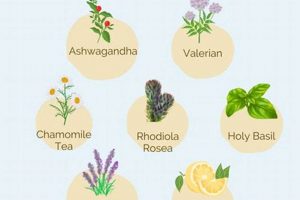
The use of botanical preparations to alleviate cephalalgia, specifically those characterized by throbbing pain, nausea, and sensitivity to light and sound, represents a complementary and alternative medicine (CAM) approach. These preparations often consist of extracts or whole plant materials derived from various sources. For instance, feverfew has been investigated for its potential in reducing the frequency and severity of episodes, while peppermint oil is sometimes used topically for its cooling and analgesic effects.
The appeal of employing botanicals in the management of head pain stems from various factors, including the perception of a more natural treatment option and, in some cases, a desire to mitigate potential adverse effects associated with conventional pharmaceuticals. Historically, numerous cultures have integrated plant-based therapies into their traditional medical practices for addressing a wide range of ailments, with records indicating the usage of specific plants for headache relief dating back centuries. The potential for a gentler approach and the accessibility of certain botanicals contribute to their continued relevance.
Subsequent sections will delve into specific botanicals often considered for their impact on debilitating head pain, examining the available scientific evidence supporting their usage, discussing potential mechanisms of action, and outlining important safety considerations, including potential interactions with conventional medications.
Guidance on Utilizing Botanical Approaches for Head Pain Management
The following points offer practical considerations for individuals exploring the potential of botanical agents in addressing episodes of debilitating head pain. It is essential to recognize that these suggestions are not a substitute for professional medical advice and should be discussed with a qualified healthcare provider.
Tip 1: Prioritize Consultation with a Healthcare Professional: Before initiating any botanical regimen, a thorough discussion with a physician or other qualified healthcare provider is paramount. This consultation should encompass a review of medical history, current medications, and potential contraindications.
Tip 2: Focus on Single-Ingredient Preparations Initially: When first introducing a botanical, opt for preparations containing a single, well-defined ingredient. This approach facilitates the identification of potential adverse reactions and allows for a clearer understanding of the individual’s response to that specific botanical.
Tip 3: Maintain Detailed Records of Usage: Keep a comprehensive log documenting the specific botanical used, dosage, frequency of administration, and any observed effects both positive and negative. This record serves as a valuable tool for tracking progress and informing discussions with healthcare providers.
Tip 4: Acquire Botanicals from Reputable Sources: Ensure that all botanical preparations are obtained from reputable suppliers that adhere to quality control standards. Look for certifications or third-party testing that verifies the identity, purity, and potency of the product.
Tip 5: Adhere to Recommended Dosages: Strictly follow the recommended dosages provided by the manufacturer or as advised by a healthcare professional. Avoid exceeding the recommended dose, as this may increase the risk of adverse effects.
Tip 6: Be Vigilant for Potential Interactions: Exercise caution when combining botanicals with conventional medications, as interactions can occur. Certain botanicals may potentiate or inhibit the effects of specific drugs, potentially leading to adverse outcomes.
Tip 7: Recognize the Importance of a Holistic Approach: Integrating botanical agents into a comprehensive management strategy is often more effective than relying solely on botanicals. Consider incorporating lifestyle modifications such as stress reduction techniques, regular exercise, and dietary adjustments.
Tip 8: Understand that Results May Vary: The effectiveness of botanical agents can vary significantly from person to person. What works well for one individual may not provide the same benefit for another. It is essential to manage expectations and allow for sufficient time to assess the impact of the treatment.
In essence, the responsible incorporation of botanicals necessitates a cautious, informed, and collaborative approach, always prioritizing patient safety and well-being. The potential benefits must be carefully weighed against the risks, and decisions should be made in consultation with a qualified healthcare professional.
The subsequent section will address safety considerations and potential adverse effects associated with commonly used botanicals.
1. Botanical Identification

Accurate botanical identification stands as the cornerstone of safe and effective herbal remedy utilization for any health condition, including migraine management. Misidentification can lead to the ingestion of ineffective or, worse, harmful plant material, negating potential benefits and posing significant health risks.
- Taxonomic Precision
Confirmation of the plant’s scientific name (genus, species, and, where relevant, variety or cultivar) is paramount. Common names can vary regionally and across languages, leading to confusion. Reliance on precise taxonomic nomenclature minimizes ambiguity. For example, various plants may be called “feverfew,” but only Tanacetum parthenium possesses the chemical constituents associated with migraine relief. Using an imposter poses a risk.
- Morphological Authentication
Visual examination of the plant’s physical characteristics, including leaf shape, flower structure, stem characteristics, and root morphology, is essential. This process often requires expertise in botany or herbalism. Distinguishing features can differentiate between closely related species, some of which may be toxic. Failure to distinguish can occur where two similar looking plants have different properties.
- Chemical Fingerprinting
Advanced analytical techniques, such as chromatography and spectroscopy, can identify and quantify specific chemical compounds within the plant material. This approach provides a verifiable “fingerprint” that can confirm the plant’s identity and assess its quality. Chemical fingerprinting is especially useful for plants that are difficult to identify visually or have known variations in chemical composition.
- Source Verification
Traceability of the botanical source is critical. Reputable suppliers provide documentation confirming the plant’s origin, cultivation practices, and processing methods. Wildcrafted plants carry a higher risk of misidentification and contamination compared to cultivated sources. Selecting sources with a transparent supply chain minimizes the risk of adulteration or substitution.
The preceding facets underscore the vital role botanical identification plays in guaranteeing the safety and efficacy of plant-based migraine treatments. A rigorous approach to species verification, coupled with sourcing from reputable suppliers, significantly reduces the potential for adverse events and enhances the likelihood of positive therapeutic outcomes.
2. Preparation Methods

The efficacy of botanical agents in managing head pain is intrinsically linked to preparation methods. The process by which plant material is transformed into a usable remedy directly influences the bioavailability and concentration of active compounds, thereby impacting therapeutic outcomes. For instance, a simple infusion of feverfew flowers, while easy to prepare, may extract a lower concentration of parthenolide, the compound associated with migraine prevention, compared to a supercritical CO2 extract. This difference in concentration can translate to a noticeable variation in clinical effectiveness. Similarly, the use of alcohol as a solvent in tinctures can improve the extraction of certain compounds that are poorly soluble in water, potentially enhancing the remedy’s potency. The selection of an appropriate preparation method, therefore, becomes a crucial determinant of the therapeutic potential of any botanical used for head pain.
Furthermore, standardization of preparation is essential for consistency and reproducibility. Variations in the plant material itself, such as the growing conditions, harvest time, and storage methods, can influence the chemical composition. Standardized extracts, where the concentration of key compounds is precisely defined, offer a means to mitigate these variations. For example, a ginger extract standardized to a specific percentage of gingerols may provide more predictable results in reducing nausea associated with migraine compared to a non-standardized preparation. The development and adherence to rigorous preparation protocols, including careful control of extraction parameters and quality testing, are vital for ensuring the reliability and safety of botanical remedies. The United States Pharmacopeia (USP) and similar organizations establish standards for certain herbal preparations, offering a benchmark for quality and consistency.
In summary, preparation methods represent a pivotal component in the application of botanical agents for head pain management. The choice of extraction technique, solvent, and standardization process significantly impacts the bioavailability, potency, and consistency of the final product. A thorough understanding of these factors, coupled with adherence to established quality control standards, is essential for maximizing the therapeutic benefits and minimizing the risks associated with using botanical remedies. Further research into optimal preparation methods for specific botanical compounds is warranted to refine these approaches and improve the effectiveness of these alternative therapies.
3. Dosage Protocols

The efficacy and safety of botanical interventions for episodic cephalalgia are inextricably linked to dosage protocols. Unlike many conventional pharmaceutical agents with established and regulated dosage guidelines, botanical remedies often present a more complex landscape regarding appropriate administration. The concentration of active compounds can vary significantly between different preparations of the same herb, influenced by factors such as growing conditions, harvesting methods, and extraction techniques. Consequently, a standardized dosage protocol, accounting for these variables, becomes crucial for achieving consistent therapeutic outcomes and minimizing the risk of adverse effects. For instance, while some individuals may experience relief from migraine symptoms with a low dose of feverfew, others may require a higher dose to achieve a similar effect, highlighting the importance of individualized dosage adjustments under professional supervision. The lack of stringent regulation and standardization in the herbal remedy market further underscores the need for careful consideration of dosage protocols.
The practical significance of understanding dosage protocols extends beyond mere symptom management. Improper dosing can lead to a range of undesirable consequences, from inefficacy and a perceived lack of benefit to more serious adverse reactions. For example, excessive consumption of certain herbs, such as butterbur, may result in liver toxicity due to the presence of pyrrolizidine alkaloids (PAs). Even seemingly benign herbs, when taken in excessive amounts, can interact with conventional medications, potentially altering their efficacy or increasing the risk of side effects. Therefore, a comprehensive assessment of the patient’s medical history, current medications, and overall health status is essential before initiating any botanical regimen. Furthermore, gradual dose escalation, with careful monitoring for any adverse effects, allows for individualized optimization of the dosage protocol. Healthcare providers trained in botanical medicine can play a crucial role in guiding patients through this process, ensuring that dosage adjustments are made safely and effectively.
In summary, dosage protocols represent a critical component of utilizing botanical remedies for migraine management. Variability in herbal preparations, potential interactions with conventional medications, and the risk of adverse effects underscore the need for careful consideration of dosage. Professional guidance, individualized dose adjustments, and meticulous monitoring are essential for maximizing the therapeutic benefits and minimizing the potential harms associated with botanical interventions for debilitating head pain.
4. Mechanism of Action

Understanding the mechanisms by which botanical agents exert their effects on migraine pathophysiology is paramount for rational application and potential integration into clinical practice. While empirical evidence may support the efficacy of certain herbal remedies for migraine, elucidating their specific mechanisms of action provides a basis for predicting efficacy, optimizing dosage, and minimizing potential adverse effects.
- Serotonin Receptor Modulation
Many migraine treatments, including some herbal remedies, influence serotonergic neurotransmission. For instance, 5-HT1B/1D receptor agonists are well-established migraine abortives. Certain botanicals contain compounds that interact with serotonin receptors, potentially modulating pain pathways and vascular tone. Feverfew (Tanacetum parthenium), for example, contains compounds that may indirectly affect serotonin release and uptake. Further investigation is needed to fully characterize these interactions and their clinical significance in migraine management.
- Inflammation Reduction
Neuroinflammation is implicated in the pathophysiology of migraine. Some herbal remedies possess anti-inflammatory properties that may contribute to their therapeutic effects. Ginger (Zingiber officinale), for instance, contains gingerols and shogaols, which have demonstrated anti-inflammatory activity by inhibiting prostaglandin synthesis and reducing the expression of pro-inflammatory cytokines. These actions may help alleviate the inflammatory component of migraine attacks.
- Vascular Regulation
Migraine is often associated with changes in cerebral blood flow and vascular tone. Certain botanicals may exert vasodilatory or vasoconstrictive effects, potentially influencing migraine symptoms. Peppermint oil (Mentha piperita), when applied topically, has been shown to have a relaxing effect on smooth muscle, which may contribute to its analgesic properties in tension-type headaches and migraines. Further research is required to fully understand the complex interplay between vascular effects and migraine pathophysiology in the context of herbal remedies.
- TRP Channel Modulation
Transient Receptor Potential (TRP) channels, particularly TRPV1 and TRPA1, are involved in pain signaling and neuroinflammation. Some botanicals contain compounds that can modulate TRP channel activity, potentially influencing pain perception. Capsaicin, derived from chili peppers, is a well-known TRPV1 agonist that, paradoxically, can lead to desensitization of these channels and reduce pain. Certain herbal remedies may contain compounds that interact with TRP channels, offering a potential avenue for migraine relief. Continued research is warranted to elucidate these mechanisms and their clinical relevance.
The investigation into the mechanisms of action of herbal remedies for migraine represents a critical area of research. Understanding the specific pathways through which these botanicals exert their effects will not only enhance their rational application but also potentially uncover novel targets for migraine treatment. A multifaceted approach, combining preclinical studies with well-designed clinical trials, is essential for advancing our knowledge in this field.
5. Potential Interactions

The intersection of botanical preparations and conventional medications in migraine management necessitates careful consideration of potential interactions. Unlike single-molecule pharmaceuticals, herbal remedies contain a complex array of bioactive compounds, increasing the likelihood of pharmacokinetic or pharmacodynamic alterations when co-administered with other drugs. These interactions can significantly impact the efficacy and safety of both the botanical and the conventional medication. A failure to account for these potential interactions can lead to adverse events, therapeutic failure, or unexpected exacerbation of migraine symptoms.
One notable example is the interaction between St. John’s Wort (Hypericum perforatum) and triptans, a class of drugs commonly used to abort migraine attacks. St. John’s Wort is a potent inducer of the CYP3A4 enzyme, which is involved in the metabolism of several triptans. Co-administration may lead to decreased triptan levels, reducing their efficacy in relieving migraine pain. Conversely, other botanicals may inhibit drug-metabolizing enzymes, increasing the levels of concurrently administered medications and elevating the risk of toxicity. Furthermore, certain herbal remedies, such as Ginkgo biloba, possess antiplatelet properties. When taken with anticoagulant or antiplatelet drugs (e.g., aspirin, warfarin), the risk of bleeding complications may be increased. Therefore, comprehensive knowledge of the pharmacological properties of both the botanical and conventional medications is essential for mitigating potential risks.
In summary, the potential for interactions represents a critical consideration when employing herbal remedies for migraine. Clinicians and patients must maintain a high index of suspicion for such interactions and exercise caution when combining botanical and conventional therapies. A thorough review of the patient’s medication history, coupled with an understanding of the pharmacological properties of the botanical, can help minimize the risk of adverse events and optimize therapeutic outcomes. Further research is warranted to fully characterize the interaction potential of commonly used herbal remedies and to develop evidence-based guidelines for their safe and effective integration into migraine management strategies.
6. Efficacy Evidence
The assessment of efficacy evidence is a critical component in determining the appropriateness of employing botanical interventions for migraine management. Unlike pharmaceutical agents that undergo rigorous clinical trials before market approval, many botanical remedies lack similar levels of scrutiny. Consequently, evaluating the available evidence becomes paramount for both clinicians and patients seeking to make informed decisions regarding their use.
- Randomized Controlled Trials (RCTs)
RCTs represent the gold standard for assessing the efficacy of any intervention, including herbal remedies for migraines. These trials involve randomly assigning participants to either the treatment group (receiving the herbal remedy) or the control group (receiving a placebo or standard treatment). Well-designed RCTs minimize bias and allow for causal inferences regarding the effect of the herbal remedy on migraine outcomes, such as headache frequency, intensity, and duration. However, the number of high-quality RCTs investigating specific herbal remedies for migraines remains limited, highlighting the need for further rigorous research.
- Systematic Reviews and Meta-Analyses
Systematic reviews and meta-analyses synthesize the evidence from multiple studies to provide a comprehensive overview of the effectiveness of a particular intervention. These analyses pool data from individual studies, allowing for a more precise estimate of the overall effect size. In the context of herbal remedies for migraines, systematic reviews and meta-analyses can help determine whether there is consistent evidence supporting their use and identify potential sources of heterogeneity or bias across studies. Such analyses often reveal inconsistencies or limitations in the available evidence, underscoring the need for cautious interpretation.
- Observational Studies
Observational studies, such as cohort studies and case-control studies, can provide valuable insights into the potential benefits and risks of herbal remedies for migraines in real-world settings. These studies involve observing participants over time without actively intervening, allowing for the examination of associations between herbal remedy use and migraine outcomes. However, observational studies are prone to confounding and selection bias, making it difficult to establish causality. Therefore, findings from observational studies should be interpreted with caution and considered hypothesis-generating rather than definitive proof of efficacy.
- Traditional Use and Ethnopharmacological Data
Traditional use and ethnopharmacological data can provide historical and cultural context for the use of herbal remedies for migraines. These sources document the long-standing use of specific plants in traditional medicine systems for treating headaches and other ailments. While traditional use does not constitute definitive proof of efficacy, it can inform the selection of candidate herbal remedies for further scientific investigation. Ethnopharmacological data can also provide valuable insights into the optimal methods of preparation and administration based on traditional practices.
Ultimately, the assessment of efficacy evidence for herbal remedies requires a critical and nuanced approach. While some herbal remedies may show promise based on preliminary evidence, rigorous RCTs and systematic reviews are needed to confirm their effectiveness and establish their role in migraine management. Until such evidence is available, patients and clinicians should exercise caution and consider the potential risks and benefits of herbal remedies in the context of conventional treatment options.
Frequently Asked Questions About Botanical Approaches for Episodic Head Pain
The following represents answers to commonly posed inquiries regarding the utilization of plant-derived treatments for managing episodic head pain.
Question 1: Are botanical preparations a substitute for conventional migraine medications?
Botanical preparations are not intended to replace established pharmaceutical treatments for migraine. Their role is generally considered complementary, and any decision to use them should be made in consultation with a qualified healthcare provider. Discontinuing prescribed medications without medical guidance can have serious consequences.
Question 2: How can the quality and safety of botanical supplements be ensured?
Quality and safety are paramount. Seek products from reputable manufacturers that adhere to Good Manufacturing Practices (GMP) and conduct third-party testing for purity and potency. Verification of botanical identity is crucial, as is sourcing from suppliers with transparent supply chains.
Question 3: What are the most common side effects associated with botanical migraine remedies?
Side effects vary depending on the specific botanical used. Some individuals may experience gastrointestinal upset, allergic reactions, or interactions with conventional medications. It is imperative to research potential side effects before initiating any botanical regimen and to promptly report any adverse reactions to a healthcare provider.
Question 4: How long does it typically take to experience the benefits of botanical migraine treatments?
The time required to observe noticeable benefits can vary significantly. Some individuals may experience relief within a few weeks, while others may require several months of consistent use. Patience is often required, and it is essential to track progress and adjust the treatment plan as needed in consultation with a healthcare professional.
Question 5: Are botanical remedies safe for use during pregnancy or breastfeeding?
The safety of botanical remedies during pregnancy and breastfeeding is often uncertain. Many botanicals have not been adequately studied in these populations, and some may pose potential risks to the developing fetus or infant. Pregnant or breastfeeding individuals should exercise extreme caution and consult with a qualified healthcare provider before using any botanical preparation.
Question 6: Where can reliable information about botanical migraine treatments be found?
Credible sources of information include peer-reviewed scientific journals, reputable herbal medicine databases, and consultations with qualified healthcare providers experienced in botanical medicine. Be wary of unsubstantiated claims or anecdotal evidence found on the internet or in marketing materials.
Key takeaway: responsible and informed use of botanical agents involves prioritizing safety, verifying product quality, understanding potential side effects and interactions, and setting realistic expectations regarding efficacy. Consultation with a healthcare professional is essential.
The succeeding section will address legal considerations related to botanicals.
Herbal Remedies for Migraines
The exploration of botanical interventions for the management of episodic head pain reveals a complex landscape. While anecdotal evidence and traditional use suggest potential benefits, rigorous scientific validation remains incomplete for many preparations. Factors such as botanical identification, preparation methods, dosage protocols, potential interactions, and efficacy evidence warrant careful consideration. The variability in product quality and the lack of stringent regulation in the herbal supplement market underscore the need for caution.
Continued research is essential to elucidate the mechanisms of action and determine the true efficacy of various herbal remedies for migraines. Until more definitive evidence is available, individuals considering these therapies should prioritize consultation with qualified healthcare professionals, ensuring informed decision-making and responsible utilization. The potential for both benefit and harm necessitates a cautious and evidence-based approach to integrating botanical agents into migraine management strategies.