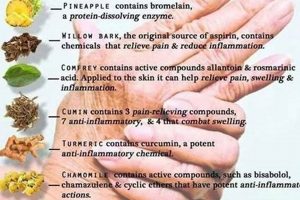
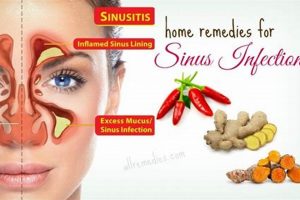
The efficacy of plant-derived treatments represents a complex and often debated area within healthcare. Such treatments encompass the use of plants or plant extracts to prevent or treat illness. For example, preparations derived from ginger are frequently employed to alleviate nausea, while extracts from St. John’s Wort are sometimes used to manage symptoms of mild depression. The question of their effectiveness often hinges on the quality of the evidence supporting their use.
Historically, many modern medications were originally derived from plants, demonstrating the potential for botanicals to yield therapeutic compounds. Evaluating the scientific rigor behind these substances is vital. Proponents suggest benefits including accessibility and perceived naturalness. Nevertheless, consistent formulation, proper dosage, and rigorous testing through clinical trials are essential to determine actual efficacy and safety.
Subsequent sections will delve into the regulatory landscape surrounding plant-based treatments, analyze the available scientific evidence, and examine the potential risks and benefits associated with their usage, providing a nuanced perspective on their place in contemporary healthcare.
Guidance on Plant-Based Treatment Evaluation
The following provides essential guidance when considering the integration of plant-derived options into health and wellness practices.
Tip 1: Consult with a Qualified Healthcare Professional: Prior to initiating any plant-based regimen, engage in comprehensive consultation with a physician, pharmacist, or registered herbalist. This ensures the treatment is appropriate for the individual’s health status and does not interact negatively with existing medications.
Tip 2: Research the Available Evidence: Thoroughly examine the scientific literature concerning the specific plant or preparation under consideration. Focus on peer-reviewed studies and meta-analyses, and be wary of anecdotal claims or marketing materials lacking scientific substantiation.
Tip 3: Verify Product Quality and Source: Ensure that the plant-based product is obtained from a reputable manufacturer that adheres to Good Manufacturing Practices (GMP). Third-party testing for purity, potency, and contaminants is highly recommended.
Tip 4: Be Aware of Potential Interactions: Plant-based treatments can interact with prescription medications, over-the-counter drugs, and other supplements. Awareness of these potential interactions is crucial to prevent adverse effects.
Tip 5: Monitor for Adverse Reactions: Closely monitor the individual for any adverse reactions after commencing the plant-based treatment. Discontinue use and seek medical attention if any concerning symptoms arise.
Tip 6: Understand Regulatory Limitations: The regulatory framework governing plant-based products varies considerably. Be aware of these limitations and exercise caution when interpreting claims made by manufacturers.
Tip 7: Temper Expectations: While some plant-based treatments may offer benefits, they are not universally effective. Maintain realistic expectations and understand that they may not be a substitute for conventional medical care.
Adhering to these principles enables informed decisions and minimizes the risk associated with plant-derived interventions. Proceeding with caution and prioritizing evidence-based practices are paramount.
The ensuing sections will explore specific considerations for various health conditions and further delineate the role of plant-based approaches in comprehensive healthcare strategies.
1. Efficacy

The efficacy of plant-derived treatments is paramount when evaluating their potential role in healthcare. Efficacy, in this context, refers to the capacity of a botanical preparation to produce a desired therapeutic effect under ideal and controlled conditions, typically assessed through rigorous clinical trials. The extent to which “herbal remedies work” is fundamentally determined by their demonstrable efficacy. A treatment lacking verifiable efficacy offers no tangible benefit and may, in fact, pose risks due to delayed or inappropriate care.
Real-world examples illustrate the critical importance of efficacy. For instance, studies examining the effects of echinacea on common cold symptoms have yielded mixed results, with some trials showing modest benefits in reducing symptom duration and severity, while others demonstrate no significant difference compared to placebo. This variability underscores the necessity of critically evaluating the specific echinacea preparation used, the study design, and the patient population studied to discern genuine efficacy. Similarly, the use of valerian root for sleep disturbances requires careful assessment, as the effectiveness can vary depending on factors such as the valerian extract’s composition and the individual’s specific sleep disorder.
In conclusion, the connection between efficacy and the question of whether “herbal remedies work” is inextricable. While historical use and anecdotal evidence may suggest potential benefits, only scientifically validated efficacy can justify their integration into healthcare practices. The challenge lies in conducting well-designed clinical trials that account for the inherent variability in plant-based preparations and patient responses. A focus on establishing efficacy is thus essential to ensuring that plant-derived treatments are used appropriately and safely.
2. Safety

Safety constitutes a critical dimension in the discourse surrounding plant-derived therapies. The presumption of natural origin does not inherently equate to harmlessness. The potential for adverse effects, contraindications, and interactions with conventional pharmaceuticals necessitates rigorous evaluation of the safety profiles of such remedies. The question of whether “herbal remedies work” cannot be addressed in isolation from their safety. A remedy lacking an established safety profile, even if deemed efficacious, may pose unacceptable risks to patient well-being. This inherent correlation underscores the responsibility to prioritize patient safety when considering these interventions.
The safety profile of a plant-based remedy encompasses several key considerations. These include the potential for acute and chronic toxicity, the presence of contaminants such as heavy metals or pesticides, and the possibility of allergic reactions. Furthermore, certain plant constituents can interact with prescription medications, altering their metabolism or pharmacological effects. For instance, St. John’s Wort, often employed for mood disorders, can induce the CYP3A4 enzyme, potentially reducing the efficacy of various drugs, including oral contraceptives and immunosuppressants. Likewise, grapefruit juice is known to inhibit certain enzymes, leading to increased drug concentrations and an elevated risk of adverse events. These real-world examples underscore the practical significance of understanding potential interactions and contraindications.
In summation, safety is inextricably linked to any determination of whether “herbal remedies work” should be considered. Robust safety data derived from preclinical and clinical studies are essential for informed decision-making. Healthcare practitioners and consumers must be vigilant in evaluating the potential risks and benefits of plant-based remedies and should always prioritize patient safety above all else. Further research and standardized quality control measures are crucial to ensuring the safety and responsible use of these interventions within the broader healthcare landscape.
3. Regulation

The regulatory landscape surrounding plant-based treatments is critical in determining the extent to which the claim of efficacy can be substantiated. The stringency and scope of regulations significantly impact the quality, safety, and marketing of these products, ultimately affecting their credibility and use.
- Varying Standards Across Jurisdictions
Regulatory standards for plant-derived products differ substantially across countries. In some regions, these treatments are classified as dietary supplements, subject to less rigorous scrutiny than pharmaceuticals. In contrast, other countries require plant-based medicines to undergo similar testing and approval processes as conventional drugs. This disparity can lead to confusion among consumers and healthcare professionals regarding the reliability and safety of products sourced from different regions.
- Quality Control and Manufacturing Practices
Effective regulation mandates adherence to Good Manufacturing Practices (GMP), ensuring consistent product quality and minimizing the risk of contamination. GMP guidelines address various aspects of production, including sourcing of raw materials, manufacturing processes, and quality control testing. Without strict regulatory oversight and enforcement of GMP standards, there is a higher likelihood of adulteration, misidentification of plant species, and variations in potency, compromising the efficacy and safety of these treatments.
- Labeling and Claims Substantiation
Regulations govern the types of health claims that manufacturers can make about plant-based products. In many jurisdictions, unsubstantiated claims are prohibited, and manufacturers must provide evidence to support any assertions regarding therapeutic benefits. Labeling requirements typically include information about the plant’s identity, dosage, potential side effects, and contraindications. However, enforcement of these regulations can be challenging, and misleading or exaggerated claims may still appear in the marketplace, undermining consumer confidence.
- Post-Market Surveillance
Robust regulatory systems incorporate post-market surveillance mechanisms to monitor adverse events associated with plant-based products and to identify any emerging safety concerns. Reporting systems allow healthcare professionals and consumers to report suspected adverse reactions. This information enables regulatory agencies to assess the ongoing safety of products and to take appropriate action, such as issuing warnings or recalling products, if necessary. However, the effectiveness of post-market surveillance depends on the completeness and accuracy of reporting, which can be limited by factors such as underreporting and diagnostic uncertainty.
The effectiveness and safety of plant-derived treatments are intrinsically linked to the regulatory environment in which they are produced and marketed. Stricter regulations promote quality, safety, and truth in labeling, contributing to greater confidence in their appropriate and safe use. Conversely, weak or unenforced regulations can compromise product quality and consumer safety, raising doubts about the value of plant-based approaches.
4. Dosage

Dosage is a pivotal determinant in evaluating whether plant-derived treatments exhibit the intended therapeutic effect. Inadequate dosage may render a potentially beneficial compound ineffective, while excessive dosage can induce adverse reactions or toxicity. The question of whether treatments derived from plants work is therefore intrinsically linked to the precise and appropriate administration of these substances. Effective treatment requires meticulous consideration of dosage as a fundamental component, recognizing that deviation from optimal levels can negate any prospective therapeutic advantage. For example, the effectiveness of ginseng for cognitive enhancement is contingent on administering a dosage within the established therapeutic range; insufficient amounts may yield no discernible benefit, whereas excessive doses could lead to side effects such as insomnia or digestive upset.
The challenge in establishing standardized dosages for plant-based remedies stems from several factors, including variations in plant chemotypes, extraction methods, and individual patient characteristics. Unlike synthetic pharmaceuticals, where the active ingredient is typically well-defined and consistent, plant-derived preparations can exhibit considerable variability in their chemical composition. This necessitates careful attention to product standardization and the establishment of dose-response relationships through clinical trials. Furthermore, factors such as age, weight, liver function, and concomitant medications can influence drug metabolism and response, necessitating individualized dosage adjustments. Consequently, treatment plans should be tailored to the unique characteristics of each patient, taking into account potential interactions and individual sensitivities.
In summary, dosage is an indispensable aspect in determining the effectiveness and safety of plant-derived remedies. The precise and appropriate administration of these substances is essential for achieving therapeutic benefits while minimizing risks. Establishing standardized dosages through rigorous research, accounting for product variability and individual patient characteristics, is crucial for responsible integration of these treatments into clinical practice. The effectiveness, and thus the viability, of using plant-based treatments is inextricably tied to the careful control and consideration of dosage.
5. Interactions

The potential for interactions between plant-derived treatments and conventional pharmaceuticals represents a critical consideration when evaluating the efficacy of these substances. The complexity of plant constituents and their diverse pharmacological effects raises the likelihood of unintended interactions, impacting both the therapeutic benefits and safety profiles of concurrent medications. Therefore, assessing whether plant-based treatments work must include a thorough understanding of their interaction potential, as the benefits of a theoretically efficacious plant may be negated, or even reversed, by adverse interactions.
A prime example lies in the interaction between St. John’s Wort and various prescription drugs. St. John’s Wort is known to induce cytochrome P450 enzymes, particularly CYP3A4, which are responsible for metabolizing a wide range of medications, including oral contraceptives, immunosuppressants, and certain antidepressants. Consequently, concurrent use of St. John’s Wort can lead to reduced drug concentrations and decreased efficacy, potentially resulting in unintended pregnancies, transplant rejection, or relapse of depression. Similarly, grapefruit juice, a common dietary component, inhibits CYP3A4, increasing the concentrations of certain drugs and elevating the risk of adverse events. These interactions are not theoretical; they are documented and can have significant clinical consequences. Failure to account for such interactions can compromise the efficacy of plant-derived treatments and conventional medications, thereby undermining the goals of therapy.
In conclusion, the viability of the claim that plant-based treatments work hinges on a comprehensive understanding of their interaction potential. Health care providers and patients must be aware of these potential interactions and carefully evaluate the risks and benefits of combining plant-derived substances with conventional pharmaceuticals. Robust clinical trials and post-market surveillance are essential to identify and characterize interactions, ensuring the responsible and safe use of these treatments. Disregarding the possibility of interactions renders any assessment of efficacy incomplete and potentially misleading, emphasizing the centrality of this component when weighing the therapeutic utility of any plant-derived approach.
6. Evidence
The foundation for determining the efficacy of plant-derived treatments rests squarely upon the availability and quality of scientific evidence. The assertion that “herbal remedies work” is contingent upon demonstrable proof derived from well-designed studies, rigorously controlled trials, and systematic reviews. Without robust evidence, claims of effectiveness remain speculative and potentially misleading. The existence of a cause-and-effect relationship between a botanical intervention and a positive health outcome can only be established through meticulous scientific investigation. Evidence thus serves as the cornerstone for legitimizing these practices and differentiating them from unsubstantiated remedies.
Consider, for example, the investigation into the efficacy of turmeric in managing osteoarthritis symptoms. Initial anecdotal reports and traditional use suggested potential benefits, but definitive confirmation required randomized, controlled trials. Studies comparing turmeric extracts to placebo or standard treatments have provided varying degrees of evidence, with some demonstrating modest improvements in pain and function. However, inconsistencies in study design, turmeric formulation, and patient populations highlight the challenges in drawing definitive conclusions. This underscores the necessity of critically evaluating the totality of evidence, rather than relying on isolated studies or anecdotal accounts. Furthermore, the ongoing investigation into the mechanisms of action of various plant constituents and the identification of specific biomarkers offer a path toward developing more targeted and effective botanical interventions.
In conclusion, the assessment of whether “herbal remedies work” hinges fundamentally on the strength and consistency of the available scientific evidence. While historical use and anecdotal reports may provide a starting point, only well-designed clinical trials and rigorous scientific investigation can establish efficacy and safety. The pursuit of robust evidence remains essential for responsible integration of plant-derived treatments into mainstream healthcare practices, promoting informed decision-making and safeguarding patient well-being. The demand for higher quality evidence continues to shape research directions and influence regulatory policies in this evolving field.
Frequently Asked Questions
The following addresses common inquiries regarding the efficacy and use of plant-derived treatments, aiming to provide clear and concise information based on current understanding.
Question 1: Are plant-based treatments regulated like pharmaceutical drugs?
Regulation varies significantly across jurisdictions. In some regions, plant-based products are regulated as dietary supplements, subject to less stringent requirements than pharmaceutical drugs. Other regions may impose stricter standards, requiring similar testing and approval processes. Consult local regulations for specific details.
Question 2: Can plant-based treatments interact with prescription medications?
Yes, significant interactions are possible. Certain plant constituents can alter the metabolism or effects of prescription medications. St. John’s Wort, for example, can reduce the efficacy of oral contraceptives. Consult a healthcare professional before combining plant-based treatments with any medication.
Question 3: Is the term “natural” synonymous with “safe” regarding plant-derived remedies?
No. The natural origin of a substance does not guarantee its safety. Plant-based treatments can cause adverse effects, allergic reactions, and toxicity. Dosage and individual sensitivity play critical roles in determining safety.
Question 4: How can the quality of plant-based products be ensured?
Seek products manufactured according to Good Manufacturing Practices (GMP). Third-party testing for purity, potency, and contaminants can also provide assurance of quality. Reputable manufacturers typically provide information regarding their quality control processes.
Question 5: What constitutes reliable evidence for the effectiveness of a plant-based treatment?
Reliable evidence stems from well-designed, randomized, controlled clinical trials published in peer-reviewed scientific journals. Anecdotal evidence and historical use, while informative, are not sufficient to establish efficacy.
Question 6: Should a healthcare professional be consulted before using a plant-based treatment?
Consultation with a qualified healthcare professional is strongly recommended before initiating any plant-based regimen. This ensures the treatment is appropriate for an individual’s health status and does not interfere with existing conditions or medications.
In summation, a cautious and informed approach is vital when considering plant-based treatments. Scientific evidence, regulatory standards, and professional guidance are essential for responsible and safe utilization.
Subsequent sections will explore resources and further reading related to the evaluation of plant-derived interventions.
Conclusion
The exploration of whether herbal remedies work reveals a complex landscape characterized by potential benefits, inherent risks, and the critical need for rigorous scientific evaluation. While historical use and anecdotal evidence offer intriguing possibilities, the actual effectiveness of plant-derived treatments is contingent upon demonstrable proof obtained through well-designed clinical trials and adherence to stringent quality control measures. Factors such as dosage, interactions with conventional pharmaceuticals, and varying regulatory standards significantly influence the overall assessment of their utility.
The responsible integration of plant-based approaches into healthcare necessitates a commitment to evidence-based practices, informed decision-making, and a prioritization of patient safety. Continued research, standardized manufacturing processes, and robust regulatory oversight are essential to ensuring that plant-derived treatments are used appropriately and effectively, maximizing their potential benefits while minimizing any potential harm. The ongoing pursuit of knowledge and the application of scientific rigor will ultimately determine the role of these remedies in the future of healthcare.