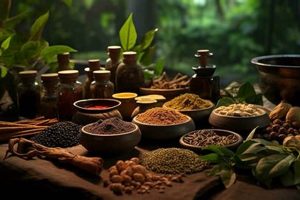
An approach to managing diverticulitis involves utilizing botanical remedies to alleviate symptoms and potentially address underlying factors contributing to the condition. Diverticulitis is characterized by inflammation or infection of diverticula, which are small pouches that can form in the wall of the colon. This approach focuses on natural substances derived from plants believed to possess anti-inflammatory, antimicrobial, or gut-soothing properties that may provide relief.
The appeal of employing plant-based interventions stems from a historical tradition of using herbs for medicinal purposes and a growing interest in complementary and alternative therapies. Proponents suggest that these natural solutions may offer a gentler approach to managing symptoms compared to conventional pharmaceutical interventions, potentially minimizing side effects. However, it’s crucial to acknowledge that scientific evidence supporting the effectiveness of various plant remedies for this specific condition varies, and rigorous clinical trials are often limited.
This article will explore specific plant-derived options often discussed in the context of managing diverticulitis symptoms. It will examine available research, potential benefits and risks, and crucial considerations for individuals considering such an approach, emphasizing the importance of professional medical guidance.
Guidance on Plant-Based Approaches for Diverticulitis
The following suggestions outline key considerations when exploring plant-derived remedies for the symptomatic management of diverticulitis. These points are intended to provide informed insights and should not substitute professional medical advice.
Tip 1: Consult a Qualified Healthcare Professional: Prior to initiating any plant-based regimen, a thorough consultation with a physician or registered herbalist is paramount. This ensures appropriate diagnosis, evaluation of potential drug interactions, and monitoring of overall health status.
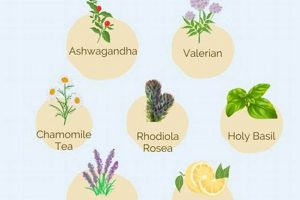
Tip 2: Prioritize Anti-Inflammatory Herbs: Certain botanical agents, such as turmeric (containing curcumin), ginger, and chamomile, are recognized for their anti-inflammatory properties. Incorporation of these herbs, under professional guidance, may assist in reducing inflammation within the digestive tract.
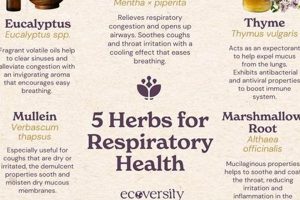
Tip 3: Incorporate Gut-Soothing Botanicals: Agents such as slippery elm bark and marshmallow root are traditionally employed for their demulcent properties. These herbs form a soothing layer over the intestinal lining, potentially mitigating irritation and discomfort.
Tip 4: Consider Antimicrobial Herbs Judiciously: In cases where bacterial overgrowth is suspected, certain herbs with antimicrobial properties, such as oregano oil or berberine-containing plants, may be considered. However, their use requires careful monitoring due to potential impact on gut microbiota.
Tip 5: Ensure High-Quality Sourcing: The efficacy of plant-based remedies is directly contingent upon the quality of the source material. Opt for reputable suppliers that adhere to stringent quality control standards, ensuring purity, potency, and accurate identification of botanical ingredients.
Tip 6: Monitor for Adverse Reactions: Vigilant monitoring for any adverse reactions or side effects is crucial. Discontinue use and consult a healthcare professional if any unexpected symptoms arise, such as allergic reactions, digestive upset, or interactions with conventional medications.
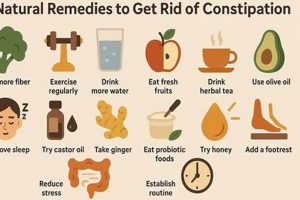
Tip 7: Emphasize Dietary Modifications: Plant-derived interventions should be integrated within a broader dietary strategy that emphasizes fiber-rich foods, adequate hydration, and avoidance of trigger foods known to exacerbate symptoms.
Following these guidelines allows for a more informed and cautious approach to using plant-based strategies, promoting the potential benefits while mitigating risks.
The integration of these tips ensures a safer and more effective approach when considering plant-based options. However, medical oversight remains critical for comprehensive diverticulitis management.
1. Anti-inflammatory properties

The presence of inflammation is a central characteristic of diverticulitis, specifically within the diverticula and surrounding colonic tissue. The therapeutic goal of reducing this inflammation is therefore fundamental to any strategy aiming to alleviate symptoms and promote healing. Botanical remedies that possess verified anti-inflammatory properties are therefore often considered as potential components of a comprehensive approach. The mechanism by which these herbs exert their effects varies, but often involves modulating inflammatory pathways, inhibiting the production of pro-inflammatory cytokines, or reducing oxidative stress.
An example illustrating this connection involves the use of curcumin, an active compound derived from turmeric. Research suggests that curcumin can inhibit the activity of nuclear factor kappa B (NF-B), a key regulator of inflammatory responses. By downregulating NF-B, curcumin may help reduce the production of inflammatory mediators that contribute to the pain and discomfort associated with diverticulitis. Similarly, ginger contains compounds that can inhibit the cyclooxygenase (COX) enzymes, which are involved in the synthesis of prostaglandins, another class of inflammatory molecules. The practical significance of understanding this link lies in the ability to select and utilize specific botanical agents with a rationale grounded in their known pharmacological effects on the inflammatory cascade.
In conclusion, anti-inflammatory properties are an important aspect of botanical remedies used in addressing diverticulitis. Identifying and utilizing herbs with demonstrated anti-inflammatory activity provides a targeted approach to symptom management. However, it is crucial to recognize that while such botanicals can be valuable, they should be used under the guidance of a qualified healthcare professional as part of a holistic management plan that includes dietary modifications and, when necessary, conventional medical interventions.
2. Gut microbiota balance

The composition and function of the gut microbiota play a significant role in the pathogenesis and management of diverticulitis. The microbial community residing within the colon influences inflammation, immune responses, and gut barrier integrity, all of which are relevant to the development and progression of diverticular disease. Strategies aimed at modulating the gut microbiota are therefore often considered in the context of supporting conventional treatments for diverticulitis.
- Modulation of Inflammation:
Specific bacterial species can either promote or suppress inflammation within the gut. For instance, an overabundance of pro-inflammatory bacteria may exacerbate the inflammatory response in diverticulitis, while a higher proportion of beneficial bacteria, such as certain strains of Lactobacillus or Bifidobacterium, can produce anti-inflammatory metabolites like short-chain fatty acids (SCFAs). The goal is to foster a microbial environment that favors the production of SCFAs and reduces the presence of inflammatory triggers.
- Enhancement of Gut Barrier Integrity:
A compromised gut barrier, often referred to as “leaky gut,” can allow bacteria and their byproducts to translocate across the intestinal lining, triggering systemic inflammation. The gut microbiota contributes to maintaining barrier integrity by producing mucin, a protective layer that lines the colon, and by promoting the expression of tight junction proteins that seal the spaces between intestinal cells. Supporting a healthy gut microbiota can thus reinforce the gut barrier and reduce the risk of bacterial translocation.
- Influence on Immune Response:
The gut microbiota interacts extensively with the host’s immune system, shaping both innate and adaptive immune responses. A balanced microbiota helps to train the immune system to distinguish between harmless commensal bacteria and pathogenic invaders, preventing excessive or inappropriate immune reactions. In the context of diverticulitis, a dysregulated immune response can contribute to chronic inflammation and tissue damage. Maintaining a diverse and balanced microbiota is essential for promoting immune homeostasis in the gut.
- Herbal Interventions and Microbial Modulation:
Certain botanical remedies may exert their effects, in part, by influencing the composition or function of the gut microbiota. For example, some herbs may selectively promote the growth of beneficial bacteria or inhibit the growth of pathogenic bacteria. The impact of specific herbs on the gut microbiota is an area of ongoing research, and understanding these interactions is crucial for optimizing the use of botanical remedies in diverticulitis management. However, caution is necessary as some herbal antimicrobials can negatively affect gut microbiota.
Gut microbiota balance directly impacts diverticulitis through inflammation, gut barrier function and immune response. A wide variety of strategies can be used for its balance, from dietary changes to using plant-derived medicines.
3. Symptom alleviation

The primary objective in managing diverticulitis is the alleviation of symptoms, which can include abdominal pain, cramping, bloating, constipation, diarrhea, and, in cases of infection, fever. Plant-derived remedies are sometimes explored as a means to address these discomforts, focusing on mitigating the acute manifestations of the condition and improving overall quality of life. The purported mechanisms behind this symptom relief vary depending on the specific botanical agent employed, ranging from anti-inflammatory effects to antispasmodic actions and the modulation of bowel function.
For instance, the use of peppermint oil capsules has been investigated for its potential to reduce abdominal pain and bloating, common symptoms of diverticulitis, based on its ability to relax smooth muscle in the gastrointestinal tract. Similarly, chamomile tea, known for its mild anti-inflammatory and calming properties, is sometimes used to ease abdominal cramping and promote relaxation. However, the effectiveness of such interventions can vary significantly from person to person, and the level of scientific evidence supporting their use for symptom alleviation in diverticulitis remains limited. The potential for interactions with conventional medications and the importance of accurate diagnosis must also be considered.
In conclusion, while plant-derived remedies may offer a complementary approach to symptom alleviation in diverticulitis, they should not be considered a replacement for conventional medical treatment. A comprehensive management plan, guided by a healthcare professional, should incorporate dietary modifications, lifestyle adjustments, and, when necessary, antibiotic therapy to address the underlying infection and prevent complications. The role of botanical agents should be carefully evaluated, with a focus on evidence-based practices and individualized patient needs to minimize risks and maximize potential benefits.
4. Source quality matters

The effectiveness and safety of plant-derived remedies for diverticulitis are inextricably linked to the quality of their source. Variations in cultivation, harvesting, processing, and storage methods can significantly impact the potency, purity, and overall therapeutic value of the final product. Therefore, meticulous attention to sourcing is paramount for individuals considering the incorporation of herbal interventions into their diverticulitis management strategy.
- Geographic Origin and Cultivation Practices
The environment in which a plant is grown significantly influences its chemical composition. Soil composition, climate, altitude, and water availability all contribute to the levels of active compounds present in the plant material. Furthermore, cultivation practices, such as the use of pesticides, herbicides, and fertilizers, can introduce contaminants into the final product. Herbs sourced from regions with strict agricultural regulations and sustainable farming practices are more likely to be free from harmful substances and contain a consistent level of therapeutic constituents.
- Harvesting and Processing Techniques
The timing of harvest and the methods used to process plant material also play a critical role. Harvesting at the optimal stage of plant maturity ensures the highest concentration of active compounds. Improper drying, storage, or extraction techniques can degrade these compounds, rendering the final product less effective. Reputable manufacturers employ standardized processing methods that preserve the integrity of the plant’s chemical profile and ensure consistency across batches.
- Authentication and Identification
Misidentification or adulteration of herbal products is a significant concern. Some unscrupulous suppliers may substitute cheaper or inferior plant species for the genuine article, compromising the therapeutic benefits and potentially introducing harmful substances. Rigorous authentication and identification procedures, such as macroscopic and microscopic examination, chemical analysis, and DNA fingerprinting, are essential to verify the authenticity of herbal ingredients.
- Third-Party Testing and Certification
Independent third-party testing provides an additional layer of quality assurance. Organizations such as the U.S. Pharmacopeia (USP), NSF International, and ConsumerLab.com conduct independent testing of herbal products to verify their identity, potency, and purity. Products that have been certified by these organizations have undergone rigorous evaluation and are more likely to meet quality standards.
In conclusion, the selection of plant-derived remedies for diverticulitis necessitates a discerning approach to sourcing. By prioritizing products from reputable suppliers that adhere to stringent quality control measures, individuals can increase the likelihood of obtaining safe and effective herbal interventions. Neglecting this critical aspect of sourcing can undermine the potential benefits of herbal therapies and expose individuals to unnecessary risks. This facet highlights the absolute importance of focusing on trusted and proven production methods of products that might be ingested by people affected by this condition.
5. Professional consultation necessary

The utilization of plant-derived remedies for diverticulitis requires mandatory consultation with qualified healthcare professionals. This is not a discretionary step, but a fundamental prerequisite ensuring patient safety and optimizing treatment outcomes. Self-treating diverticulitis, even with seemingly benign herbal agents, carries inherent risks that necessitate expert medical oversight.
- Accurate Diagnosis and Exclusion of Other Conditions
Symptoms of diverticulitis can mimic those of other gastrointestinal disorders, including inflammatory bowel disease, irritable bowel syndrome, and even colon cancer. A professional evaluation, including appropriate diagnostic testing, is essential to confirm the diagnosis of diverticulitis and rule out other potentially serious conditions requiring different treatment approaches. This diagnostic accuracy is paramount before considering any therapeutic intervention, herbal or otherwise.
- Assessment of Disease Severity and Complications
Diverticulitis can range from mild, uncomplicated cases to severe, complicated forms involving abscess formation, perforation, or fistula development. The severity of the condition dictates the appropriate course of treatment, which may necessitate antibiotics, hospitalization, or even surgery. A healthcare professional can accurately assess the severity of diverticulitis and identify any potential complications that may preclude the use of herbal remedies as a primary treatment strategy.
- Evaluation of Potential Drug Interactions and Contraindications
Herbal remedies, despite their natural origin, are not devoid of pharmacological activity and can interact with conventional medications or exacerbate pre-existing medical conditions. A healthcare professional can evaluate a patient’s current medication regimen and medical history to identify any potential drug interactions or contraindications that may arise from the use of specific herbal agents. This assessment is crucial to prevent adverse effects and ensure patient safety.
- Guidance on Dosage, Formulation, and Quality Control
The appropriate dosage, formulation, and quality of herbal products can vary significantly. A qualified healthcare professional can provide guidance on the selection of reputable suppliers, the appropriate dosage of specific herbal agents, and the optimal formulation for individual patient needs. This guidance helps to ensure that patients are using safe and effective herbal products while minimizing the risk of adverse reactions or therapeutic failures.
The integration of botanical medicines into a diverticulitis management plan must be undertaken with caution and with the explicit guidance of an experienced medical practitioner. While some plant-derived remedies have shown promise in alleviating symptoms or supporting gut health, their use should never supersede or delay conventional medical treatment. The ultimate goal is to ensure optimal patient outcomes through a collaborative approach that integrates the best aspects of both conventional and complementary therapies.
6. Dietary integration crucial

The effective utilization of plant-derived remedies in managing diverticulitis is intrinsically linked to a concurrent dietary strategy. The integration of specific dietary modifications complements and often enhances the therapeutic effects of herbal interventions. Failure to consider dietary factors may diminish the potential benefits of plant-based approaches and, in some instances, exacerbate symptoms.
- Fiber Intake Modulation
Both increasing and decreasing fiber intake are strategies employed in diverticulitis management, depending on the phase of the condition. During an acute flare, a low-fiber diet may be recommended to reduce colonic irritation. Conversely, a high-fiber diet is often advocated during remission to promote regular bowel movements and prevent future episodes. Plant-derived remedies, such as psyllium husk, can supplement dietary fiber intake, but the specific approach must align with individual needs and under the guidance of a healthcare professional. An example is using psyllium husk as an ingredient of healthy meals while following dietary regimes.
- Identification and Avoidance of Trigger Foods
Certain foods are anecdotally associated with exacerbating diverticulitis symptoms in some individuals. These may include nuts, seeds, corn, and popcorn, although scientific evidence supporting these associations is limited. Integrating dietary modifications involves identifying and eliminating potential trigger foods from the diet, potentially reducing inflammation and discomfort. Some herbs or herbal formulations may contain ingredients that mimic trigger foods for sensitive individuals; therefore, careful consideration of the entire composition is necessary.
- Hydration Optimization
Adequate hydration is essential for maintaining stool consistency and promoting regular bowel movements. Dehydration can contribute to constipation, which may increase pressure within the colon and exacerbate diverticulitis symptoms. Certain herbal teas, such as chamomile or ginger, can contribute to overall fluid intake while also providing potential anti-inflammatory or soothing effects. However, it is important to avoid excessive consumption of caffeinated beverages, which can have a diuretic effect and contribute to dehydration.
- Anti-inflammatory Dietary Principles
Adopting an anti-inflammatory dietary pattern can complement the anti-inflammatory effects of certain plant-derived remedies. This approach emphasizes the consumption of fruits, vegetables, whole grains, and lean protein sources while limiting the intake of processed foods, refined sugars, and unhealthy fats. The synergistic effects of dietary modifications and herbal interventions may help to reduce inflammation and promote healing within the colon.
The interplay between dietary adjustments and plant-based remedies is crucial for effective diverticulitis management. Individualized dietary recommendations, tailored to the specific phase of the condition and individual sensitivities, are essential for maximizing the benefits of herbal interventions. This dietary strategy should integrate smoothly with prescribed drugs to minimize reactions. Ignoring this connection can diminish the effectiveness of any therapeutic approach, underscoring the importance of a holistic perspective.
7. Individual response varies

Variability in individual responses is a critical consideration when evaluating the potential benefits and limitations of botanical interventions for diverticulitis. Physiological, genetic, and lifestyle differences among individuals significantly influence how they respond to any therapeutic approach, including the use of herbal remedies. This heterogeneity underscores the necessity for personalized treatment strategies rather than a one-size-fits-all approach.
- Genetic Predisposition and Metabolism
Genetic variations can impact an individual’s ability to metabolize and utilize specific herbal compounds. Differences in enzyme activity, receptor expression, and inflammatory pathways can influence the extent to which a particular botanical agent exerts its therapeutic effects. For example, variations in genes encoding for cytochrome P450 enzymes can affect the metabolism of certain herbal constituents, leading to differences in bioavailability and efficacy. This genetic variability can lead to differing response levels within a group of individuals using the exact same herbal treatment, under the exact same conditions.
- Gut Microbiota Composition
The composition of the gut microbiota plays a crucial role in mediating the effects of herbal remedies. The gut microbiota can metabolize herbal compounds, transforming them into more active or inactive metabolites. Furthermore, the presence of specific bacterial species can influence the absorption, distribution, and excretion of herbal constituents. Variations in gut microbiota composition among individuals can therefore lead to significant differences in the effectiveness and tolerability of plant-derived interventions.
- Severity and Stage of Diverticulitis
The stage and severity of diverticulitis can influence the response to herbal treatments. Individuals with mild, uncomplicated diverticulitis may experience greater symptom relief from botanical remedies compared to those with severe, complicated cases involving abscess formation or perforation. The extent of inflammation, the presence of infection, and the degree of colonic damage can all impact the effectiveness of herbal interventions. It is highly likely that individual response depends on the severity of the attack.
- Concomitant Medications and Health Conditions
The presence of other medical conditions and the use of concomitant medications can significantly impact the response to herbal remedies. Drug-herb interactions can occur, potentially altering the metabolism, efficacy, or toxicity of both the herbal agent and the conventional medication. Furthermore, individuals with pre-existing health conditions may be more susceptible to adverse effects from certain herbal remedies. Individuals must disclose any other conditions they are undergoing treatment for to ensure no reactions will be experienced when starting a new treatment.
Understanding the multifaceted nature of individual responses is essential for optimizing the use of plant-derived treatments for diverticulitis. Healthcare professionals must carefully assess each patient’s unique characteristics, including genetic factors, gut microbiota composition, disease severity, and concomitant medications, to tailor a personalized treatment strategy that maximizes benefits and minimizes risks. Personalized strategies give more opportunities for better recovery and overall wellness, and, depending on the individual physiology, recovery might be expedited or delayed.
Frequently Asked Questions
The following section addresses common inquiries related to the use of plant-derived remedies in the management of diverticulitis. These answers provide factual information and should not substitute professional medical advice.
Question 1: What is the primary objective of using botanical agents for diverticulitis?
The main goal is typically symptom alleviation. Certain herbs possess anti-inflammatory or antispasmodic properties that may help reduce abdominal pain, cramping, and bloating associated with the condition. However, addressing the underlying cause of diverticulitis generally requires conventional medical interventions.
Question 2: Are botanical remedies a substitute for antibiotics in cases of diverticulitis infection?
No. Antibiotics are essential for treating infections associated with diverticulitis. Plant-derived antimicrobials should not replace prescribed antibiotics. Ignoring a bacterial infection can lead to severe health complications.
Question 3: How does gut microbiota influence effectiveness of plant-derived remedies?
The bacterial composition can alter effectiveness. Intestinal bacteria are able to process herbal ingredients, thus, a healthy bacterial composition is vital for plant-derived remedies to act properly.
Question 4: What are the most important precautions when considering herbal interventions for diverticulitis?
It is important to consult qualified healthcare professionals and determine the accurate diagnosis. All potential drug interactions and accurate dosage instructions should be reviewed. This minimizes any reactions.
Question 5: Can diet maximize benefits of plant-based interventions for diverticulitis?
Yes. A high-fiber diet complemented by anti-inflammatory foods complements botanical therapies. Avoidance of foods known to trigger symptoms in individuals is also important.
Question 6: Where to source these products safely?
Reputable suppliers with quality control measures and third party authentication certifications should be considered for sourcing plant-based remedies.
The answers provided above highlight key considerations regarding plant-based interventions for diverticulitis. The user should consult with their doctor before using any of the plant-derived remedies.
This concludes the question and answer section. A discussion of potential risks associated with botanical remedies follows.
Conclusion
The preceding discussion provides a comprehensive overview of the role of “diverticulitis herbal treatment” within the broader context of managing this gastrointestinal condition. The exploration has highlighted the potential benefits, risks, and limitations associated with the use of plant-derived remedies. Key considerations, including source quality, individual variability, and the necessity for professional consultation, have been emphasized. It is crucial to recognize that while some botanical agents may offer symptomatic relief or support gut health, they should not be considered a replacement for conventional medical care, particularly in cases of acute infection or severe complications.
The responsible and informed integration of “diverticulitis herbal treatment” requires a collaborative approach between patients and healthcare professionals. Future research should focus on rigorous clinical trials to evaluate the efficacy and safety of specific herbal interventions, as well as to elucidate the mechanisms by which these agents interact with the gut microbiota and the host immune system. Individuals experiencing symptoms of diverticulitis are strongly encouraged to seek prompt medical attention for accurate diagnosis and the development of a personalized management plan that prioritizes evidence-based practices.